
Reviewed · CONCERTS
Traditional Concert in Public bath near Kyoto Station
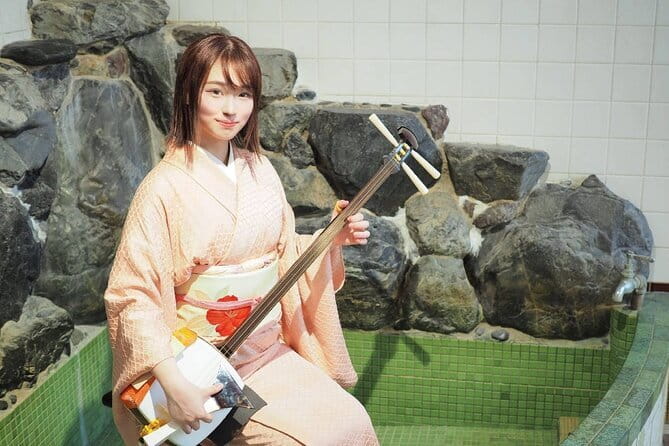
Kyoto has plenty of temples, but this is something else. You’ll hear koto and shamisen inside a renovated public bathhouse, a former sento near Kyoto Station, where the tiled walls and high ceilings make every note sound crisp. What I love most is the intimate size of the concert and the way the historic bathhouse setting changes how the music feels.
The program shifts with the season and the performers, so you’re not just buying a standard show. The main thing to consider is that this is a one-hour concert, so if you’re chasing a long, structured cultural lesson, you may want to pair it with other plans that stretch your day.
Key highlights you should care about
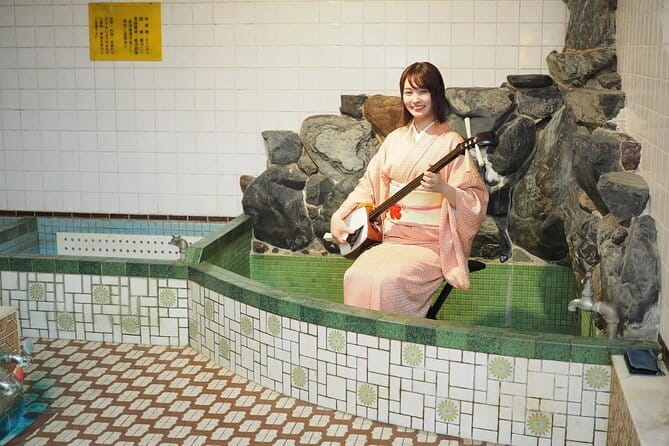
- A renovated sento (public bathhouse) as the concert room, with acoustics made for sound
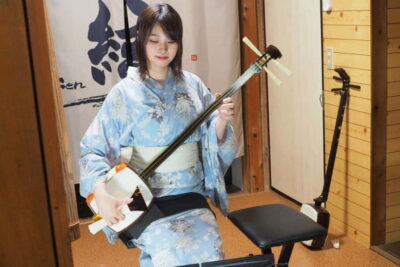
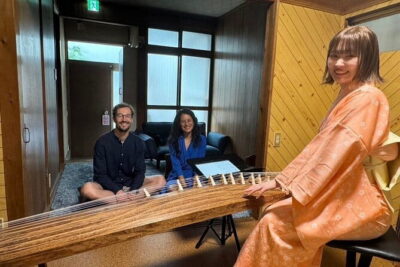
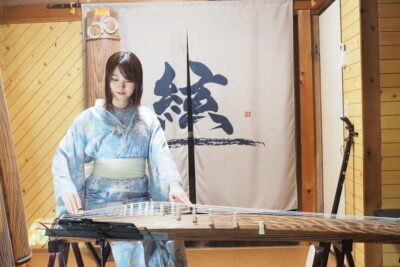
- Koto and shamisen performed in an atmospheric, close-up setting
- A changing repertoire, from classical Japanese pieces to contemporary and original arrangements
- Near Kyoto Station, which makes it easy to fit into an evening or a travel day
- Mobile ticket for smooth entry
- A small, low-pressure experience that most people can enjoy comfortably
Why a renovated sento makes the music sound better
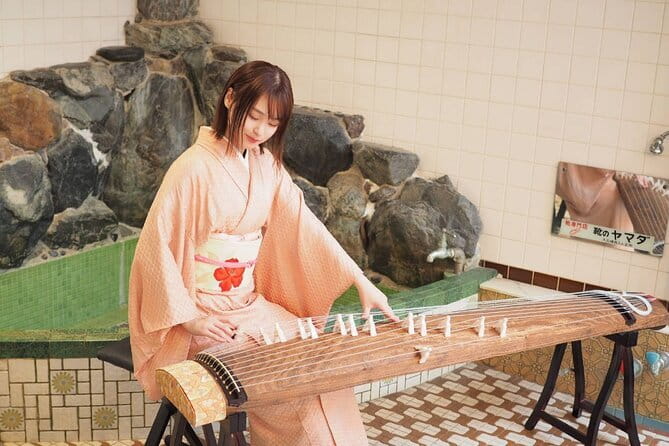
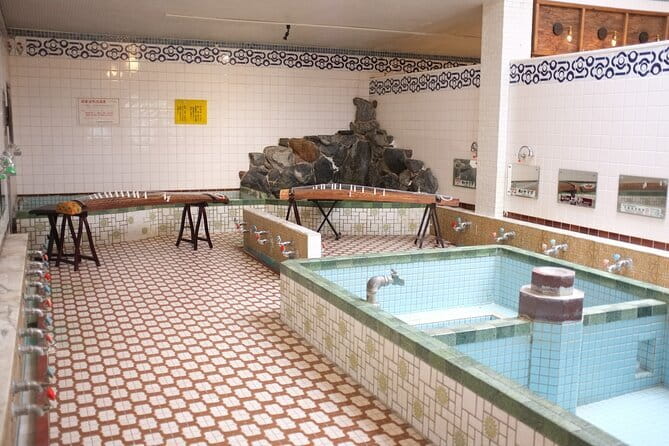
Most concert halls are designed to impress your eyes. Here, the room is designed to handle a different kind of sound, water footsteps, daily chatter, steam echoes. A former Japanese sento already has the physical ingredients: high ceilings and tiled walls. Those same surfaces help the tone of the koto and shamisen travel cleanly, without getting swallowed or muddy.
The result is that the instruments don’t feel like they are coming from a stage far away. The room helps them spread. You feel like the music is part of the space, not just something happening in it. It’s a small detail, but it completely changes the experience. One of the best lessons you get is also the simplest: you can hear Japanese string instruments differently depending on acoustics. In a bathhouse, the sound has a natural shape.
And because this place was cared for and renovated, you get the best of both worlds. You’re in a historically meaningful setting, but it’s not uncomfortable or forgotten. You’re there to listen, not to struggle with an awkward venue.
More Kyoto temple visits, food tours, tea experiences, and day trips to compare
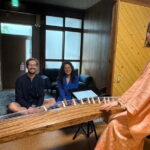
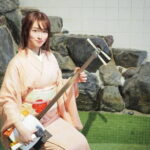
Koto and shamisen in a setting built for echoes
If you know koto and shamisen only from recordings, go for the live version. Live playing has tiny timing differences and subtle changes in touch that recordings smooth out. In this concert, that matters even more because the room carries sound well.
The koto, with its bright, delicate plucks, can feel “close to the skin” when the acoustics are working in your favor. The shamisen, with its more biting, rhythmic edge, lands with clarity. Together, they create a nice contrast, not just a repeating loop of one sound.
The program also ranges beyond the usual expectations. You’ll hear classical Japanese masterpieces, then you’ll get contemporary arrangements, and sometimes original compositions, depending on the performers and the season. That keeps you from thinking of this as a museum-style performance. It’s tradition that still moves forward.
I also like the way the instrumentation highlights the building’s character. The tiled surfaces and height help the strings ring out, and you can hear how phrases end and begin. That kind of listening is easier when you’re in a compact, immersive environment, instead of a huge hall where everything turns into general reverb.
The Kyoto Station advantage, and why it changes your day
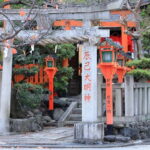
This concert is near Kyoto Station, which is a big practical win. Kyoto days often start with transit and end with a long walk. Having something scheduled close to Kyoto Station means you can plan less stress.
You’re not committing yourself to a far-flung detour. Even if your day is packed, you can usually squeeze in a one-hour cultural stop without turning the evening into a maze. That matters if you are juggling a train schedule, arriving late, or traveling with luggage.
This is also the kind of evening activity that works well when you want something quieter after sightseeing. You get culture, but you do not need a full-day plan. In my view, it’s a smart “sit down and reset” choice.
Your one stop itinerary: what happens at Kujo-yu

You’ll go to コワーケーションスペース九条湯 (Kujo-yu), a renovated space that was once a sento. That name tells you a lot: this is not a generic “event hall” concept. It is a community-oriented reuse of a real bathhouse, adapted for modern use.
Once you arrive, the main point is straightforward: get comfortable, take in the room, then let the sound do its job. This is not a complicated itinerary with multiple locations. There’s one stop, and you’re there for the concert.
What to expect during the performance
The concert runs about 1 hour (approx.). That length is ideal for a first time experience with koto and shamisen. Long enough to feel like you experienced something meaningful. Short enough that you’re not counting minutes halfway through.
Because the repertoire can change, you can’t rely on a single “what piece will be played.” What you can rely on is the range. You’ll likely hear a mix that includes classical works, plus contemporary or original arrangements. That variety is one of the reasons I’d put this on the list even if you’ve heard Japanese string music before.
The bathhouse setting does the heavy lifting
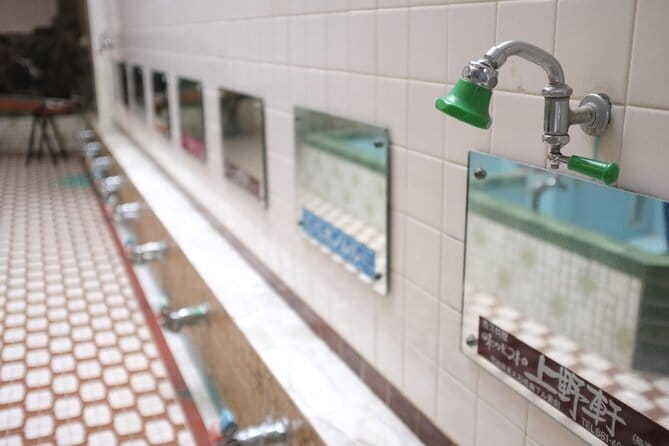
You’ll notice the venue right away. High ceilings, tiled surfaces, and the compact layout create a distinct listening experience. People often think about “immersion” as a marketing word. Here, it’s more literal. You’re inside the room where daily life used to happen, and the performance uses that space.
That alone is one reason some people feel they want to return. It’s not just the instruments. It’s the fact that the place feels alive, even while you sit still and listen.
Price and value: what $32.52 buys you
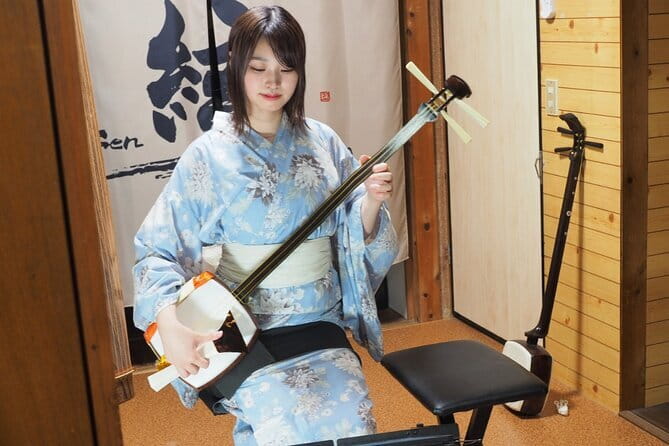
At $32.52 per person, this is not a cheap impulse buy. But the value is fairly clear if you compare it to two things: typical Kyoto paid cultural performances and the cost of traveling further for a similar experience.
Here’s the value equation I see:
- You get a live concert featuring traditional Japanese instruments, koto and shamisen.
- You get a unique venue. Not a standard hall. Not a purpose-built theater.
- The program has flexibility with seasonal and performer changes, so it’s not just one static script you’d ignore.
Also, you’re paying for an experience that lasts about one hour, which makes it easier to fit around other paid activities. If you’re already spending money on trains, entry tickets, and meals, paying for one focused hour of culture often feels more efficient than adding a long tour that overlaps everything else you wanted to do.
If you want to spend less, the venue is only one stop, so you’re not paying for add-on transportation within the plan. You do need to handle your own trip to the area, and coffee or tea is not included, but that’s the only obvious friction.
Overall, I think the price makes sense for what is genuinely a one-of-a-kind listening room.
Who this concert is best for
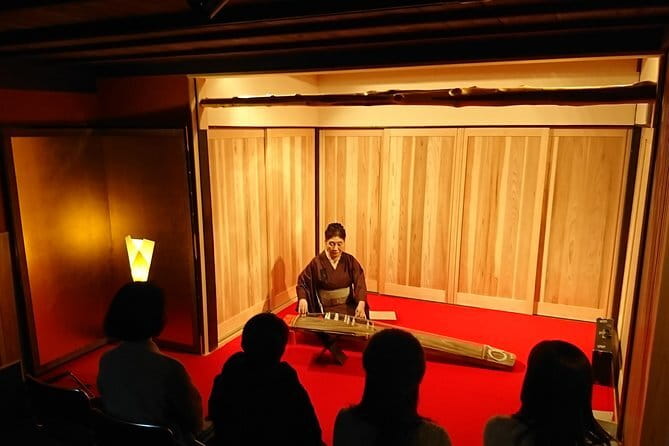
This is a great match if you want one of these:
- A cultural evening that doesn’t require heavy prior knowledge
- Traditional music in a setting that feels real, not staged
- A short activity near Kyoto Station that won’t eat up your whole day
You’ll also like it if you enjoy looking closely at sound. When the room is doing part of the work, attentive listening feels rewarding.
It may be less ideal if you want:
- A long, multi-stop guided tour with lots of talking
- A performance that guarantees the exact same program every time
And if you’re the type who gets bored sitting still for an hour, this might not be your best pick. But if you can enjoy a calm, close listening session, you’re in the right place.
Booking and entry: simple, low-stress
The ticket is mobile, so you won’t be hunting for paper. You also receive confirmation at the time of booking. That helps if you’re planning around transit and want to lock in your plans early.
Most people can participate, so you are not expected to be an expert in Japanese culture to appreciate what’s happening. You only need one skill, the ability to sit and listen.
A quick practical checklist before you go
For a smooth evening, I’d plan around these points:
- Arrive a bit early so you can settle in and orient yourself in the bathhouse space.
- If you want a drink, remember coffee or tea is not included.
- Keep your expectations aligned to about one hour. This is a focused show, not a half-day excursion.
- Bring modest patience for crowd flow. Even in a small venue, entry usually takes a moment.
One more tip: since this concert takes place in a renovated historic structure, your best enjoyment comes from turning your attention to the room and the instruments, not from trying to treat it like a museum. Let the sound guide you.
What makes people recommend it so strongly
The strongest positive reactions revolve around three themes.
First, the venue itself is often described as stunning. That fits with what you’re actually buying. You are not just paying for music. You are paying to hear it inside a thoughtfully renovated bathhouse.
Second, the experience feels interesting and unique, not generic. The mix of classical and contemporary programming keeps the concert from feeling like a single-tone “only one style” event.
Third, the performance is memorable because it’s intimate. The space and timing make it easy to pay attention. When you feel close to the sound, it sticks.
If you want a Kyoto activity that feels genuinely different from the usual temple-to-temple schedule, this one has a strong case.
Should you book this sento concert near Kyoto Station?
I’d book it if you want:
- Traditional Japanese music with a meaningful, real-world venue
- A short evening plan close to major transport
- A ticket that is simple to use, mobile entry, and easy to slot into your day
I would hesitate if:
- You’re looking for a long tour with extensive guided explanation
- You need a guaranteed, identical set list every time
- You don’t like sitting through an hour of focused listening
If you’re in the middle, I think this is one of those rare choices where the “why” is obvious once you see the setting. A renovated sento is not something you can fake with photos. Go once, listen closely, and you’ll understand the hype without needing a big pitch.
FAQ
Where does the traditional concert take place?
It takes place in Kyoto, at a renovated former Japanese sento near Kyoto Station, specifically at コワーケーションスペース九条湯.
How long is the concert?
The concert lasts about 1 hour (approx.).
What is the price per person?
The price is $32.52 per person.
What kind of ticket do I receive?
You get a mobile ticket.
Is coffee or tea included?
No. Coffee and/or tea is not included.
Is the venue near public transportation?
Yes, it is near public transportation.
When will I get confirmation?
Confirmation is received at the time of booking.
What is the cancellation policy?
You can cancel for a full refund up to 24 hours before the experience’s start time. Cancellation within 24 hours of the start time is not refunded.
More Concerts & Music in Kyoto
More Tour Reviews in Kyoto
Not for you? Here's more nearby things to do in Kyoto we have reviewed


Concerts, compared.
 ★ 4.9Traditional Concert at Townhouse or BathhouseFrom $32224 reviews
 ★ 5.0Concerts Played with Traditional Instruments in KyotoFrom $3950 reviews
 ★ 4.9Japanese Koto & Shamisen Concert and Koto ClassFrom $3831 reviews
 ★ 5.0Private Japanese music concertFrom $574 reviews
Browse the lists this tour appears in