
Reviewed · CONCERTS
Kyoto: Traditional Concert at Townhouse or Bathhouse
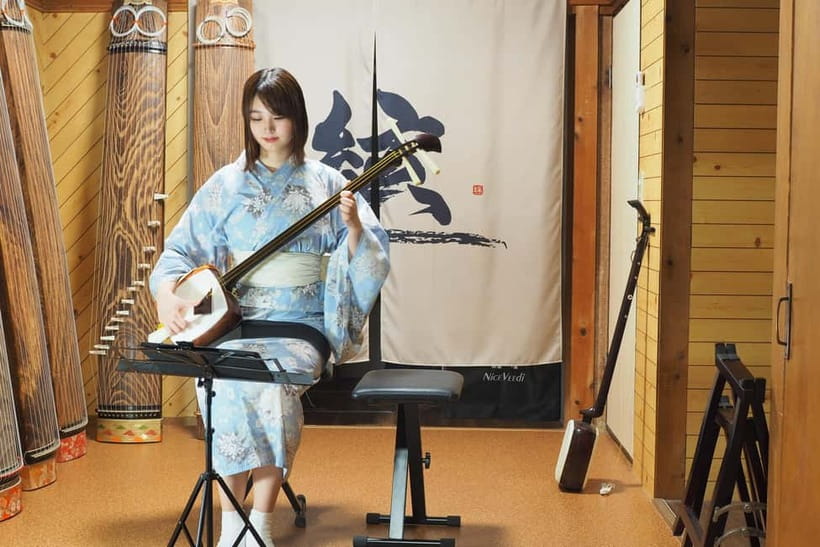
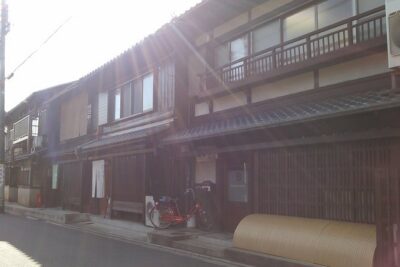
Kyoto’s music shows up best up close. I love the tiny-group feel and the chance to hear koto and shamisen performed with real care for sound and detail. One thing to consider is the location can take a bit of effort to find the first time, so I recommend using the map pin instructions carefully.
Pick the traditional Townhouse for a cozy solo set or the historic Bathhouse Hall for duet pairings in a space that throws sound back at you. Either way, you get bilingual mini-explanations, then time for questions and photos with the musicians, which makes it feel less like a show and more like a guided musical night.
Key things you should know before you go
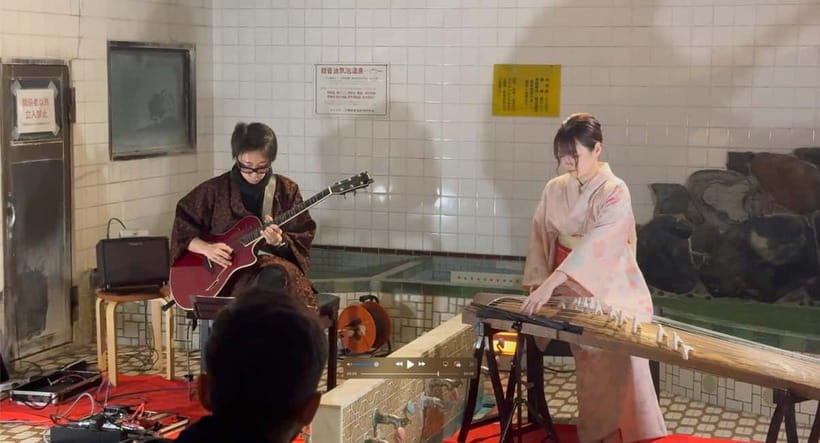
- Two Kyoto venues, two sound worlds: townhouse closeness versus bathhouse tile reverberation
- Small audience focus: townhouse fits up to about 11 guests, bathhouse up to about 30
- You learn as you listen: instrument intro, then commentary during the performance
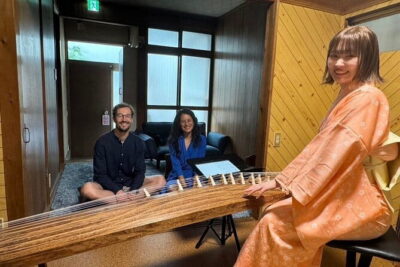
- Artist time matters: short Q&A plus photos after the concert
- Optional hands-on koto workshop: only available at the townhouse booking
- Repertoire spans eras: classical pieces plus contemporary and original selections, depending on the program
A Kyoto concert where the sound hits your ears, not your phone
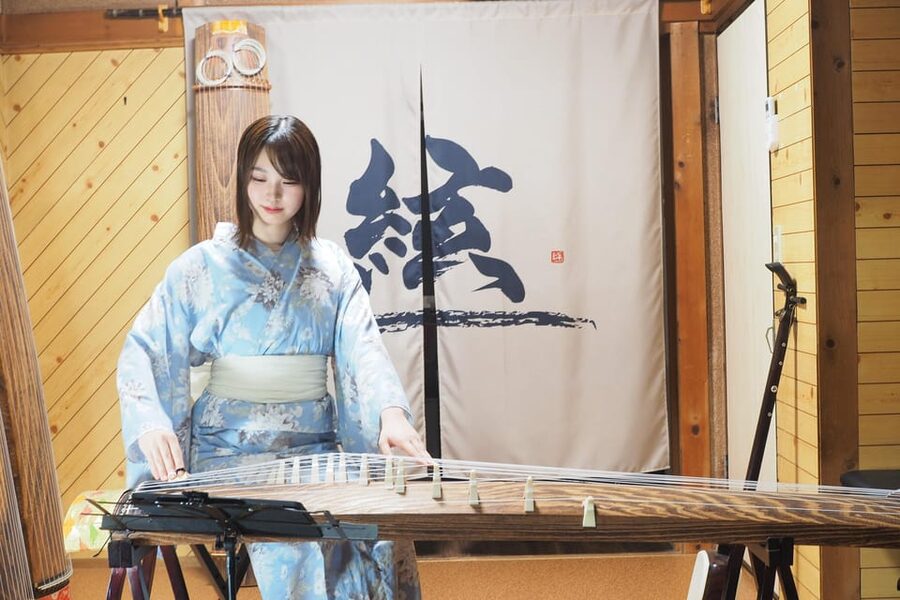
If you’ve only seen Japanese traditional music through videos, this is the kind of event that changes your sense of scale. Koto and shamisen music relies on timing, touch, and how notes ring out in the room. In a small venue, you can actually hear the difference between a note that’s just played and a note that’s placed, held, and shaped.
I also like that you are not asked to be an expert. The format assumes most people know little about the instruments going in. You get a clear instrument introduction first, plus bilingual mini-commentary in Japanese and English so you can follow what you’re hearing.
The best part for me is the rhythm of the evening. You start with explanation, then you switch gears to listening, then you finish with questions. It keeps the concert from feeling like background culture, and it helps you leave with something you can name and remember.
More Kyoto temple visits, food tours, tea experiences, and day trips to compare
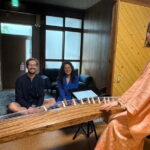
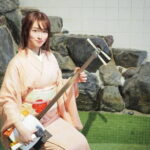
Townhouse vs Bathhouse Hall: choose the mood you want
You have two venue options, and they really do feel like two different experiences.
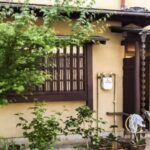
The Traditional Townhouse: cozy solo sets
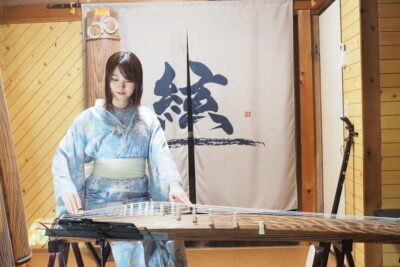
This is the smaller room with a warm, living-room style vibe. It fits up to about 11 guests, and the performance is a solo program for koto and shamisen. Expect about 4 to 5 pieces, ranging from Japanese classical to contemporary works.
Why it works: you hear every nuance up close. You also get a “sit, listen, ask” atmosphere that makes it easier to talk to the host and musicians after.
Extra perk: the optional hands-on koto workshop is only available at this venue. If you want more than just watching, this is the one to book.
The Historic Bathhouse Hall: resonant duet setting
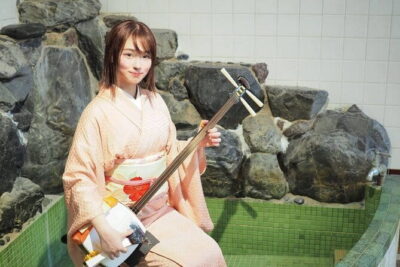
This venue is bigger, up to about 30 guests, and the sound behaves differently. The hall uses natural resonance from tiled walls, so the notes feel more enveloping. It’s designed for a koto duet plus another instrument across about 4 to 5 pieces, with an opener and then the main set.
The paired instrument can vary, and it may include shamisen, shakuhachi, taishōgoto, flute, guitar, and more, depending on the program.
Why it works: duet performances can feel more kinetic because you hear conversation between instruments. The room also adds drama, especially when the music shifts in tempo or texture.
Timing note: this bathhouse program is offered irregularly on Mondays, so you’ll want to check the calendar dates before you assume it runs every week.
The full program, minute by minute (and how to use your time)
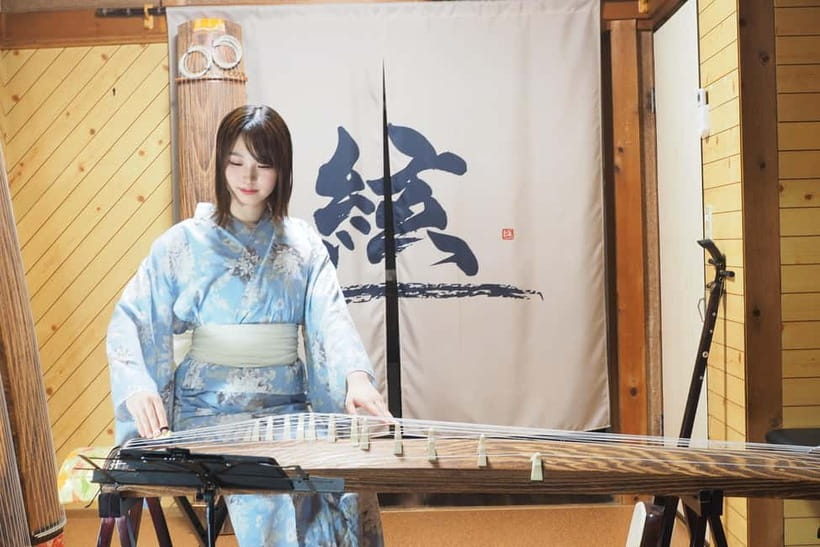
Regardless of venue, the structure is the same. It keeps your expectations clear and helps you decide how much you want to get involved.
Here’s what you can expect:
- Check-in and seating (about 5 to 10 minutes)
You’ll get welcomed and guided on venue etiquette. In a traditional home setting, this matters because you are close to the artists.
- Instrument introduction (about 10 to 15 minutes)
You learn how koto and shamisen are played, including key parts like picks and bridges, plus how notation works.
- Concert (about 25 to 30 minutes)
This is the main set. There is commentary in the moment so you know what you’re listening for, not just what you’re hearing.
- Q&A and photos (about 5 to 10 minutes)
You can ask questions directly and get pictures with the performers.
- Optional hands-on koto workshop (about 35 to 40 minutes, townhouse only)
If you book it, you try basic techniques and learn a short phrase. It’s beginner-friendly and uses sanitized instruments.
Total length depends on whether you do the workshop. Plan anywhere from about 45 minutes for a straight concert to around 105 minutes if you include the hands-on session.
Practical tip: if you’re trying to catch another Kyoto stop the same day, consider booking the earlier option and skipping the workshop unless you’re truly excited to try the koto.
Instrument 101 that actually makes the music click
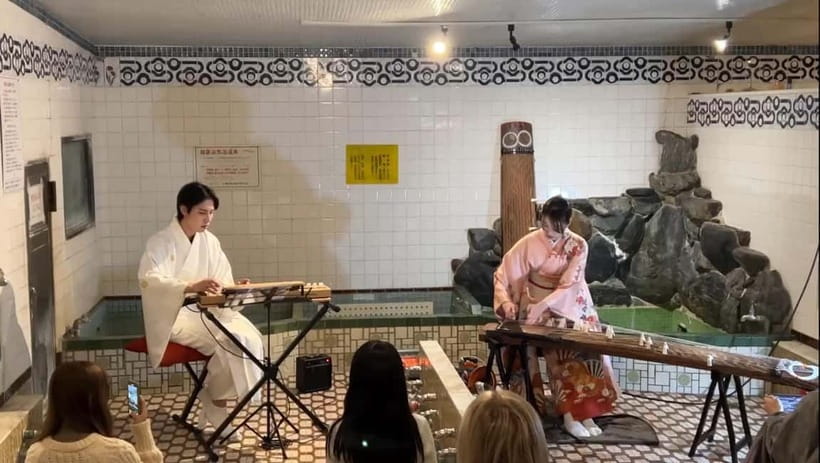
A lot of cultural activities explain things at you. Here, the explanations connect directly to what you hear next. The intro covers not only what the instruments are, but also how the sound is produced and what the notation signals. That means when you hear a phrase repeat, you can recognize it as more than a melody, you start to hear structure.
You might also pick up small details from the way hosts guide the room. In past evenings, hosts and guides have been named such as Gen, Shima, Samuel, and Shoei in different groups. The names will vary by date, but the role stays the same: bilingual support, clear explanations, and a friendly push to ask questions.
One more thing I like: during the concert, the commentary is not long-winded. It’s short enough that you keep listening, not studying.
Repertoire: classical, contemporary, and originals you can follow
The program you hear changes by performer and season, especially for the townhouse solo sets. Still, you can count on a mix of:
- Japanese classical pieces
- contemporary works
- sometimes original or artist-driven selections
In the townhouse, solo sets focus on 4 to 5 pieces, with selections that showcase the musician’s personal style and virtuosity. If you care about individual expression, this is satisfying because you track how one artist interprets multiple pieces in sequence.
In the bathhouse hall, duet programming adds a different layer. With koto alongside another instrument, the repertoire often emphasizes contrast and pairing, not just solo display. In other words, you hear two musical voices meet, and you notice how each instrument phrases differently.
A good strategy: if you only have time for one venue, choose the one that matches your listening goal. Want closeness and variety by one artist? Choose the townhouse. Want cross-instrument dialogue and room acoustics? Choose the bathhouse hall.
Q&A and photos: the part that makes it feel human
This is not a “sit quietly and leave fast” kind of event. After the concert, you get a short Q&A and then photo time.
That timing matters. You’re still mentally in the music when you ask questions, so you can connect answers to specific moments from the performance. People have asked about instrument parts, materials, and how the pieces are understood, and the format gives you a real chance to follow up.
I also appreciate that the hosts translate and explain in plain language. Based on multiple experiences, the English support tends to be warm and clear, with staff described as engaging and friendly. It’s the kind of setup where a first-time visitor can still feel included.
Hands-on koto workshop: what beginners can realistically do
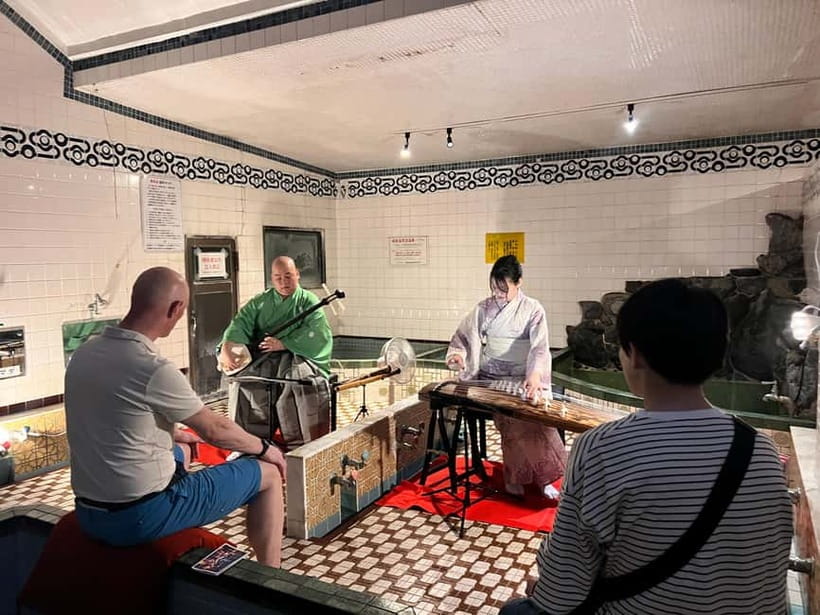
If you book the optional townhouse workshop, you get hands-on time with sanitized instruments and guidance. It’s designed for beginners, and the goal is not to turn you into a performer.
Instead, you’ll learn basic techniques and then play a short phrase. In reviews, people have said it feels fun and doable, and that the instructors help you sit properly, pluck strings, and read the sheet music enough to make something sound like music.
What you’ll take away:
- how physical technique affects tone
- how the notation translates to real movement
- a small “I did that” memory, not just a passive listening souvenir
If you are the type of traveler who likes learning one practical thing, the workshop is the best value add.
If you are short on time, skip it and spend that hour listening closely to the solo performance in the townhouse. Either approach works.
Getting your bearings in Kyoto: timing around nearby sights
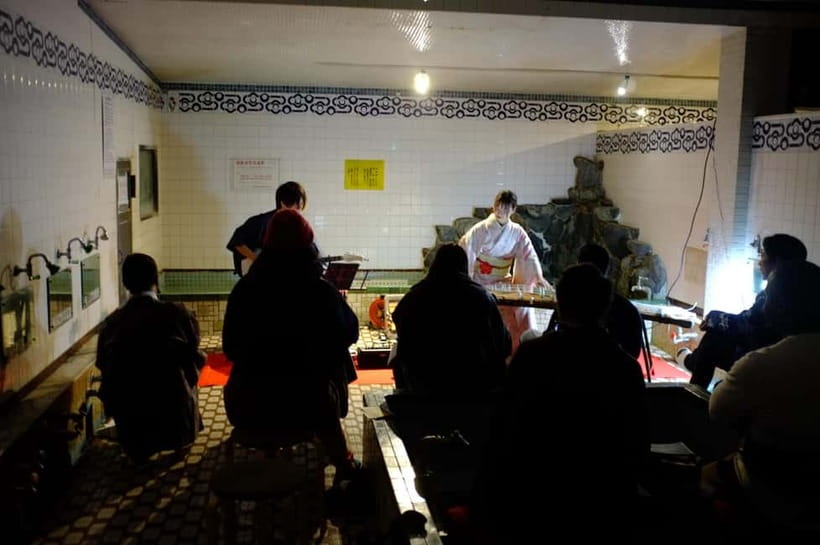
Most people need this concert to fit inside a busy Kyoto day. The good news is it’s in an area where you can combine it with major sights.
Here are nearby options mentioned for planning:
- Arashiyama (about 25 minutes): walk to Saiin Station, take Hankyu to Katsura, transfer to the Randen Line
Easy for a before or after visit plan if you’re already thinking about bamboo or riverside scenery.
- Nijō Castle (about 20 minutes): one stop from Saiin on the Tozai subway line
Great pairing if you want something historic, then a quiet arts evening.
- Kinkaku-ji (about 20 minutes): bus from Nishioji Sanjō, then a short walk
Works if you’re doing golden pavilion plus one cultural activity that is the opposite mood.
- Nishiki Market (about 25 minutes): Hankyu ride to Karasuma or Kawaramachi
Useful for shopping and quick bites before you head to a calm, sit-down concert.
Two tips that help:
- Don’t overbook the timeline. The concert ends with Q&A and photos, so it’s not like you can arrive five minutes late without affecting the flow.
- If the venue feels hard to locate, use the map pin or any longitude and latitude hints you’re given. People have said that helps a lot.
Price and value: why about $32 can make sense
At about $32 per person, you’re paying for a live performance by professional koto and shamisen artists, plus bilingual mini-commentary, and a post-concert Q&A. You’re also getting either a small-room solo format or a resonant duet format with a larger sound environment.
Here’s how I think about the value:
- Many Kyoto cultural tickets are either big shows or museum tickets with interpretation. This is closer to a focused master session in a real room.
- The small audience size, especially at the townhouse, changes what you get. It’s not just about the performance, it’s about the chance to ask questions and see the instruments up close.
- The optional workshop adds real hands-on learning, which can be rare at this price point for Japanese traditional music experiences.
What you should know on the cost side: transfers, food and drinks are not included, and for the bathhouse option there is no entry to bathing facilities. So think of it as a ticket for music and explanation, not a spa evening.
Who this experience is best for (and who might skip it)
This works well if:
- you want a calm, reflective evening in Kyoto
- you like intimate settings and personal interaction
- you want to try Japanese traditional instruments at least once, even if you are a total beginner
- you’re curious about how classical music can sound both traditional and modern
It might be less satisfying if:
- you only like large-scale performances and massive venues
- you need something very hands-on in the first 10 minutes, because the format begins with instrument explanation and listening
It’s not suitable for babies under 1 year.
Should you book this Kyoto koto and shamisen concert?
Book it if you want one evening in Kyoto that feels personal, not packaged. The two venue options let you pick the mood: townhouse for close-up solo playing and optional koto practice, bathhouse for duet programs with a bigger acoustic space.
My recommendation is simple:
- Choose the Traditional Townhouse if you’re first-timers and want the closest listening experience plus the chance to play.
- Choose the Historic Bathhouse Hall if you’re chasing the sense of sound bouncing around the room and you like duet interplay.
If your schedule allows, doing both venues can be a neat way to hear how the same musical world changes with setting and collaboration. And even if you only book one, you’ll walk away with clearer ears, not just a photo.
FAQ
What venues are available for this Kyoto concert?
You can choose either a Traditional Townhouse for a small solo setting or a Historic Bathhouse Hall for a more resonant duet setting. Each option has a different atmosphere and program style.
How long does the experience last?
The concert and related activities typically run from about 45 to 105 minutes, depending on whether you include the optional hands-on koto workshop.
Does the event include English support?
Yes. There is bilingual mini-commentary in Japanese and English, and the instructor support is available in English and Japanese.
Will I need prior knowledge of koto or shamisen?
No. The experience is designed for people with little or no prior knowledge of traditional Japanese instruments.
What is the typical program structure?
It usually includes check-in and seating, an instrument introduction, a concert of about 4 to 5 pieces, then a Q&A and photos. If you book the townhouse option, there is also an optional hands-on koto workshop.
Is the hands-on koto workshop included?
The hands-on workshop is optional, and it is available only when you book the Traditional Townhouse venue. The workshop uses sanitized instruments and is beginner-friendly.
What instruments will I hear?
You’ll always hear koto and shamisen. In the bathhouse duet setting, koto is paired with another instrument such as shakuhachi, taishōgoto, flute, guitar, or other options depending on the program.
How many people are in each venue?
The Traditional Townhouse is up to about 11 guests, while the Historic Bathhouse Hall can host up to about 30 guests.
When is the bathhouse hall show offered?
The bathhouse hall program is offered irregularly on Mondays, so you should check the calendar for the next available dates.
Is food, drinks, or bathing included?
No. Food and drinks are not included, and for the bathhouse option there is no entry to bathhouse facilities. The experience focuses on the live concert and related activities.
More Concerts & Music in Kyoto
More Tour Reviews in Kyoto
Not for you? Here's more nearby things to do in Kyoto we have reviewed


Concerts, compared.
 ★ 5.0Concerts Played with Traditional Instruments in KyotoFrom $3950 reviews
 ★ 4.9Japanese Koto & Shamisen Concert and Koto ClassFrom $3831 reviews
 ★ 5.0Traditional Concert in Public bath near Kyoto StationFrom $325 reviews
 ★ 5.0Private Japanese music concertFrom $574 reviews
Browse the lists this tour appears in