
Reviewed · KYOTO BIKE & E-BIKE TOURS
Explore Hidden Kyoto by E-Bike: Private, Scenic & Fun
Kyoto has a side you miss on foot. This private e-bike ride is built for quiet alleys, big temple moments, and guide stories that make the stops click.
What I like most is how easy the pace feels even when the sights are major. And I really appreciate that you get route flexibility, so your guide can steer toward photography, history, or local culture instead of marching everyone through the same script.
One thing to think about: entrance fees are not included, and a couple of the stops are brief by design. If you want long temple time at every location, you may wish you had booked something longer or planned an extra visit on your own.
Key highlights you will feel immediately
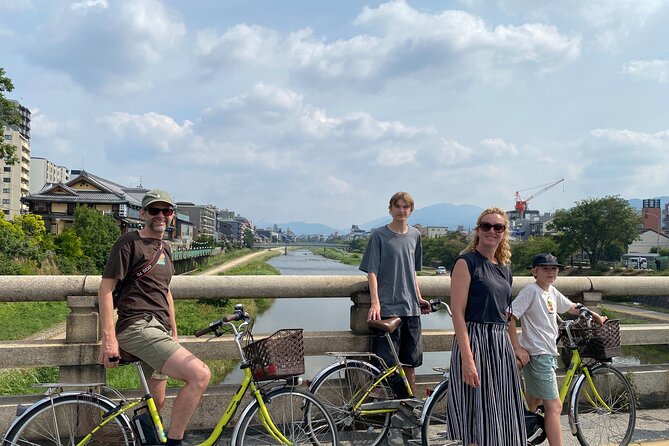
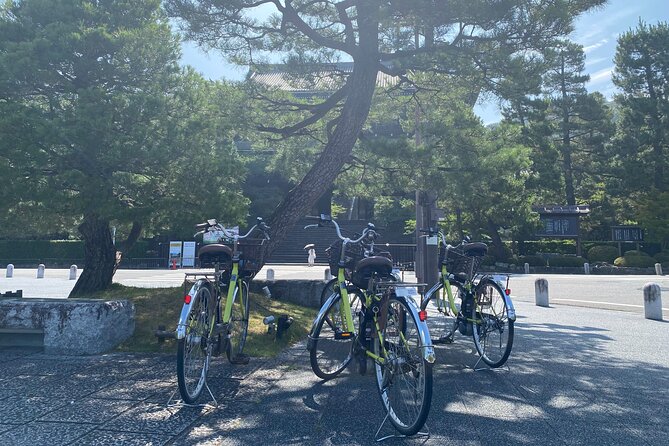
- E-bike + insurance included, so you spend energy on sightseeing, not pedaling stress
- Private group means your guide can slow down, speed up, and focus on what you care about
- Photo-friendly timing, with viewpoints like Kiyomizudera getting attention up front
- Both Buddhist and Shinto sites, explained in a clear, practical way
- Small, memorable food moment, with a traditional wagashi stop near the Kamogawa area
- “Quiet Kyoto” routing, moving through less crowded streets instead of only hitting the biggest lines
Why Kyoto by e-bike feels different than on foot

Kyoto can be a lot. Stone paths, crowds near the icons, and the constant question of where to go next. An e-bike tour changes that equation fast, because you can cover distance without turning the day into a workout.
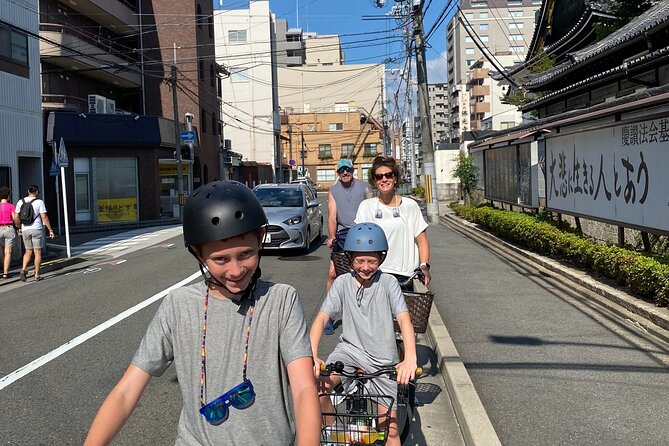
This one is private, so you are not stuck in a moving blob of strangers. Your guide also adjusts the route around your interests, which matters in Kyoto, where every neighborhood has its own mood. If you like architecture and temples, the day will skew that way. If you prefer street scenes and culture, you can lean into Gion, the river area, and quiet shrine settings.
You also get practical support baked in. The tour includes the e-bike rental and insurance, and the guide speaks English plus Indonesian and Malay. That alone makes it easier to ask questions on the spot instead of nodding along.
The result is a day that feels like you are being shown Kyoto by someone who actually knows where the calmer streets are.
You can also read our reviews of more cycling tours in Kyoto

Getting your bearings at Kiyomizudera, without wasting time
Kiyomizu-dera is the kind of place everyone recognizes. The trick is how you experience it, and this tour starts you near it so you are not spending your energy hunting for the right approach.
You’ll spend about 45 minutes around the Kiyomizudera area, with guidance on the temple’s story and the famous wooden stage that looks out over Kyoto. Even if you only visit the viewpoint areas, this stop gives you a strong sense of where you are in the city.
A key practical note: admission is not included. The tour includes time near the iconic spot, but if you want to go inside or purchase tickets, you will pay that separately. That is normal for Kyoto, but it is good to know early so your day does not get randomly more expensive.
This stop is also a good place to plan your photos. If you are serious about pictures, arrive with a calm mindset and take your time with the angle and the skyline views. Your guide can help you time it well within the schedule.
Chion-in and Nanzen-ji: gate moments that do not take all day
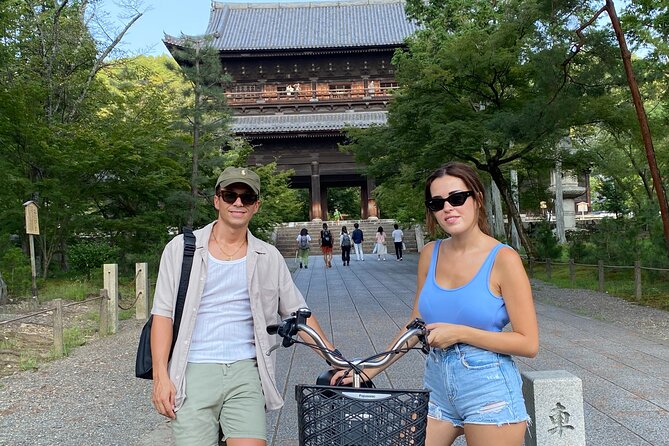
After Kiyomizudera, the day becomes more about atmosphere and scale. The tour moves you through quieter temple areas where details are easier to notice.
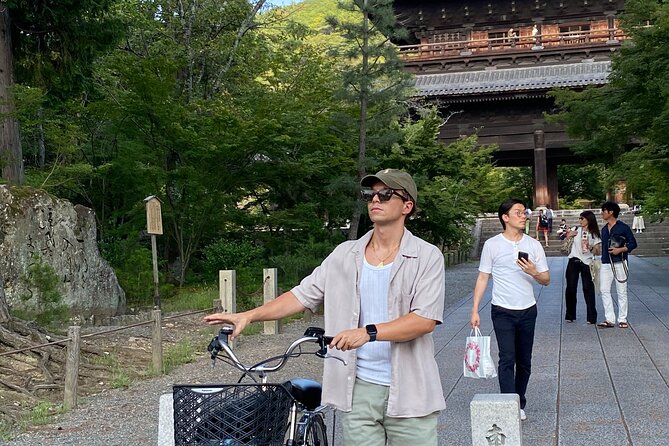
At Chion-in, you get roughly 15 minutes and you enter via the Sanmon Gate, described as the largest wooden gate in Japan. The impact is immediate, because gates in Kyoto are often more than entrances. They set the tone for what comes next.
Chion-in’s temple grounds are admission free on this part of the tour, so you can focus on the walking, the sightlines, and the stories your guide shares about Jodo Pure Land Buddhism and what you are seeing.
Then comes Nanzen-ji, with about 30 minutes. Here, you focus on the outer grounds, including the massive Sanmon Gate and the views from its upper level. Nanzen-ji is a great “breather” stop because it tends to feel spacious. You get the scale without the sense that you are constantly squeezing through a crowd.
The main consideration is time. These are not long, hour-by-hour temple immersions. They are thoughtfully timed stops that aim to give you a wide range of Kyoto in a single half to full day.
Heian Jingu’s huge torii and the Gion street pause
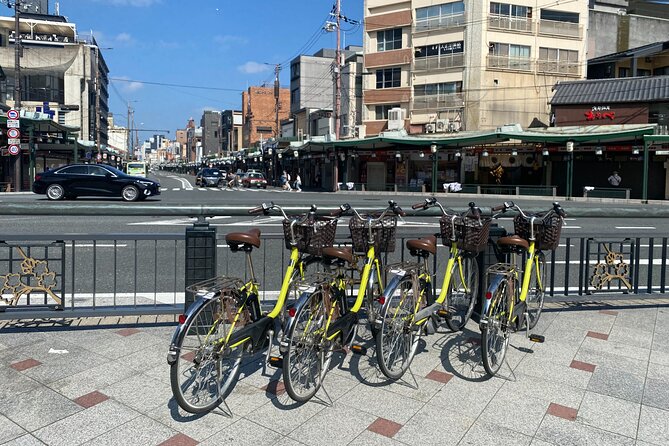
Next, you shift from temple gate scale to shrine symbolism, and then into classic Kyoto streets.
At Heian Jingu Shrine Otorii, you spend about 10 minutes at the Grand Torii, which is 24 meters tall and painted vermilion. You do not need much time here to get the point. It is one of those Kyoto moments that reads instantly in a photo and in person.
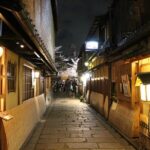
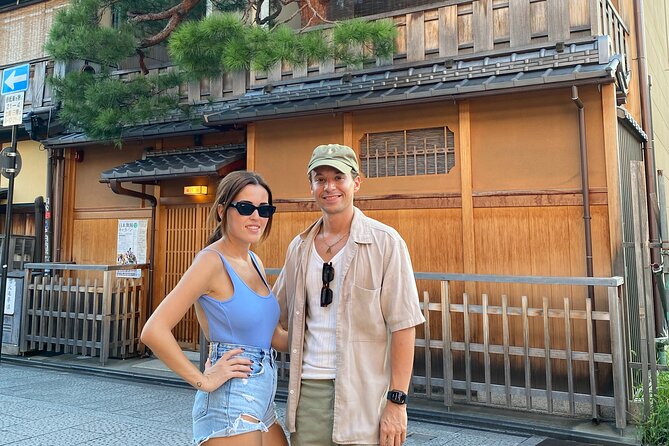
Then you reach Hanamikoji Street in the Gion area for around 10 minutes. This is a historic cobblestone avenue lined with traditional wooden townhouses. Your guide stops you so you can absorb what makes it feel Kyoto, not just Kyoto-themed.
A quick realism check: ten minutes is short, but that is by design. This tour is about variety and momentum, not marathon pacing. If you want to linger, you can always add more time before or after the tour on your own.
Kamogawa river stepping stones: the calm interlude
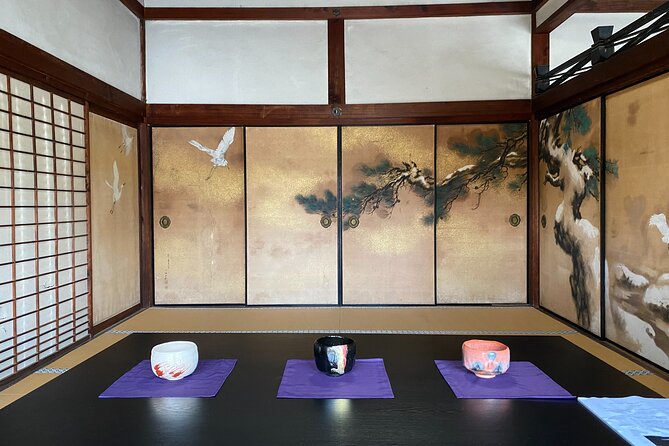
Kyoto has dramatic scenery, but some of the most memorable moments are quietly ordinary. The tour includes a stop at the Kamogawa River stepping stones, a familiar local scene where people cross by hopping carefully from stone to stone.
You’ll enjoy peaceful river views during this break. It’s a smart reset after several shrine and temple stops, and it gives your legs a moment to feel less like they are touring and more like they are enjoying.
Also, this is a good photo moment, especially if you want images that look lived-in rather than postcard-perfect. Your guide will keep you moving, but you still get the pause that makes it feel like you caught a real Kyoto moment.
You can also read our reviews of more private tours in Kyoto



Shimogamo Jinja: ancient forest shrine time
Then you go north into a different kind of Kyoto feeling.
At Shimogamo Jinja, you get about 45 minutes at the entrance. This shrine is one of Kyoto’s oldest and most important and it is a UNESCO World Heritage site, set in an ancient forest setting.
This is one of the strongest “hidden Kyoto” vibes on the route, because the forest setting naturally changes the mood. You’re not just looking at a landmark. You’re walking in a space where the surroundings feel like part of the sacred atmosphere.
Since this stop is admission free, you can focus on the experience rather than calculating what you will and won’t pay to see. It’s also a great place to ask questions about Shinto, because your guide can connect what you are noticing on-site to the meaning behind shrine traditions.
Demachi Futaba wagashi stop, and why it is worth the time
Food stops can be a trap on tours if they feel rushed or overly salesy. Here, the wagashi break is a genuine culture match.
The tour includes Demachi Futaba, a historic traditional sweets shop known for wagashi and a nearly 200-year legacy. You spend about 30 minutes here, which is enough time to taste and browse without feeling like you got yanked in and out.
The stop matters because wagashi is not just dessert. It is often tied to seasons, ceremonies, and the Japanese idea of small, thoughtful treats. Some tour days also include a chance to try mochi here, and that lines up well with what you can expect from a classic Kyoto sweets shop.
This is one of those stops that makes the whole day feel less like a checklist. It adds taste, context, and a tiny piece of daily life.
Somei Well and Kyoto Gyoen: the gentle wrap-up
After the food break, the tour takes a slower, scenic direction with water and gardens.
At Somei Well, you spend about 10 minutes at a historic water source near Kyoto Gyoen Park. It dates back to the early Edo period, around the 1600s, and it is valued for its pure, fresh water. Even if you are not deep into historical facts, this stop has a calm, grounded feel. It reminds you that Kyoto is shaped by everyday systems, not only famous temples.
Then you end at Kyoto Gyoen National Garden, with about 30 minutes near the Kyoto Imperial Palace area. This is a spacious, peaceful park. Your guide shares insights about the garden and what you are seeing as you ride or pause within it.
This ending matters because it lets you end on a softer note. You are not rushing off immediately after a big shrine or gate photo. The garden gives your brain a landing spot.
Pace, group size, and how guides keep it from getting exhausting
A lot of Kyoto tours fail at one thing: they treat walking time like it is the same for everyone. This one is designed to be easier because the e-bike handles the distance.
Still, your comfort depends on pace. The good news is the guide can adjust. I like how this tour is not rigid about time. On hot days, your guide can slow down and build breaks into the route, which makes a huge difference if you are visiting in summer or early autumn.
Because this is private, your group can set the tone. If you are traveling with kids, it can work well because the stop lengths are varied and not overly long at each location. If you are an adult traveling solo or as a couple, you still get the attention of a guide who can explain Buddhist and Shinto traditions in a clear, engaging way.
Bottom line: you get structure, but the day does not have to feel like a hard schedule.
Price and value: $123.57 per person, and what that covers
At $123.57 per person, this tour is not a budget-only option. But when I look at what is included, the value starts to make sense.
You get:
- An English guide plus Indonesian and Malay support
- Private tour for your group
- E-bike rental and insurance included
- A multi-stop route across major icons plus quieter Kyoto areas
- Plenty of guided stops meant for photos and explanations
What is not included is also clear: meals, snacks, drinks, and entrance fees if you choose to go inside some sites. That means the final cost can rise depending on how many entrances you take seriously. The good part is the tour gives you time at places even when admission is not required for the guided experience.
If you are comparing this to taking taxis between landmarks, it can also be a smarter way to spend money. Kyoto taxi rides add up, and you still miss the quieter side streets. The e-bike lets you see more without the constant vehicle cost.
My practical advice: decide before you go whether you plan to pay entrances. If you want mostly viewpoints and outer grounds, this price holds up well. If you want to do every ticketed space, budget a little extra.
What you should wear and bring for a smooth ride
Kyoto by e-bike is easy, but comfort still matters.
I suggest you plan for:
- Comfortable shoes for shrine and temple walking at each stop
- A light layer, since Kyoto weather can change quickly
- Sun protection for daytime rides, especially if the day runs a bit longer than planned
Also, consider whether you want to buy snacks or water on your own. Meals are not included, so having a simple plan keeps the day relaxed.
If you like photos, bring a phone or camera with enough battery. The itinerary has multiple built-in photo moments, from Kiyomizudera viewpoints to torii and river scenes.
Who this Kyoto hidden-temple ride is for
This tour suits:
- First-time visitors who want a strong overview without being trapped in heavy crowds
- Families who want something fun and not overly long at any one spot
- Couples and solo travelers who prefer guided context with a bit of flexibility
- People who care about both Buddhist and Shinto places and want the meanings explained clearly
- Travelers who like the idea of feeling like you are riding through local Kyoto, not only hitting the most famous stops
It may be less ideal if you want long, independent time in one temple area. This is a route that moves. It gives breadth, not deep hours in one location.
Should you book Hidden Kyoto by E-Bike?
Yes, you should book this if you want a guided Kyoto day that balances iconic sites with quieter streets, and you like the idea of seeing more while keeping the day comfortable.
I would skip it only if entrance fees and shorter stop times feel like a mismatch for your style. If you prefer to linger for a long time inside major temples every day, you might want a different format, with fewer stops.
For most people, though, the mix of private attention, e-bike convenience, and guided stops that make sense for photography and culture makes this a smart use of a half-day to full-day in Kyoto.
FAQ
How long is the Hidden Kyoto by E-Bike tour?
The tour lasts about 3 to 5 hours.
Is this tour private or shared?
It is private, so only your group participates.
What is included in the price?
The tour includes an English, Indonesian, and Malay speaking guide, plus use of the e-bike rental and insurance.
Do I need to pay entrance fees for temples and shrines?
Entrance fees are not included. Some stops are listed as free, but if you choose to enter ticketed areas, you will need to pay separately.
What happens if the weather is poor?
This experience requires good weather. If it is canceled due to poor weather, you will be offered a different date or a full refund.
What is the cancellation policy?
You can cancel for a full refund up to 24 hours in advance of the experience start time. If you cancel less than 24 hours before, the amount paid is not refunded.
More Private Tours in Kyoto
More Cycling Tours in Kyoto

More Tour Reviews in Kyoto

Not for you? Here's more nearby things to do in Kyoto we have reviewed



Kyoto Bike & E-Bike Tours, compared.
 ★ 5.0Hidden Kyoto E-Biking tourFrom $1161,843 reviews
 ★ 5.0Bike Tour Exploring North Kyoto plus LunchFrom $1061,087 reviews
 ★ 5.0Arashiyama Bamboo Forest & Hidden Gems Bike Tour (Early Bird)From $106613 reviews
 ★ 5.05 Top Highlights of Kyoto Full Day Bike Tour (E-bike option)From $172511 reviews
 ★ 5.0Full Day Biking Tour Exploring the Best of KyotoFrom $119498 reviews
 ★ 5.0E-Bike Tours of the highlights of Kyoto!!!From $109291 reviews
 ★ 5.0Afternoon Kyoto Bike Tour: Bamboo Forest, Monkeys & Hidden SpotsFrom $106283 reviews
 ★ 5.0South Kyoto in a Nutshell: Gentle Backstreet Bike Tour!From $79225 reviews
Browse the lists this tour appears in