
Reviewed · WORKSHOPS
Fish cutting class
Cutting fish in Japan is a skill and a meal.
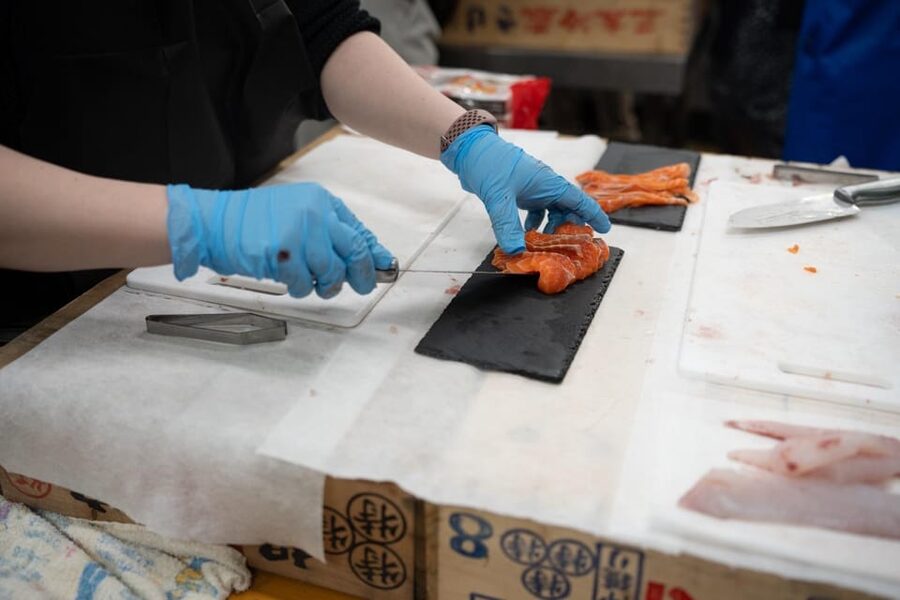
This class at Kimura in Nishiki Market turns you from a sashimi watcher into a sashimi maker. I love that you start with whole fish and work step-by-step until you are confident enough to cut for yourself. I also love the payoff, you eat what you fillet, and the taste feels noticeably different when you are responsible for every slice. One thing to think about first, expect some mess and smell from working with raw fish, so you’ll want clothes you can ruin a little.
What makes this stand out is the setting: a fish shop that has been in business for about 400 years, plus a small group capped at 8. Instructor Masashi guides in English, with enough attention that beginners can keep up. Price is $77 for 150 minutes, and the value depends on whether you truly want hands-on knife work, not just a quick food tasting.
Key Things I Think You’ll Care About
- Whole-fish to lunch, you fillet, then make sashimi and carpaccio from your own work
- Small-group size with room to get corrected while you cut
- A 400-year-old fishmonger’s shop setting inside Nishiki Market
- You wear the apron and gloves, so you can focus on cutting instead of cleanup logistics
- Commemorative photo with your fish, a fun keepsake tied to the work you did
Why Filleting Fish Changes How You Taste Sashimi
This class is not just about eating Japanese food. It is about learning the first half of the process, the part most people never see. When you handle the fish yourself, you notice details that are easy to miss as a customer. You feel the texture. You start to understand where the bones matter, where the skin resists, and why good sashimi depends on clean cuts.
The other big shift is mental. When you make something, you pay attention to it. You also slow down, because you cannot rush the knife. That makes the meal better even if the fish is simply fresh, because you are eating with context.
More Kyoto temple visits, food tours, tea experiences, and day trips to compare
A quick heads-up before you book
You will be working with raw fish and cutting tools. That means some mess is normal, and you should bring the right attitude, careful, not competitive. If you hate any chance of getting splashed or smelling like fish for the rest of the day, this may feel like more work than fun.
Kimura Fish Shop in Nishiki Market: The Setting That Makes It Feel Real
Meeting point is the fish shop called Kimura in Nishiki Market. This is not a classroom in the usual sense. You are inside a working fishmonger’s shop, and that matters.
For one, you get a sense of how people treat fish as daily craft, not a one-off activity. For another, the shop’s long run of business, around 400 years, gives the experience a grounded, local feel. You are not in a themed studio pretending to be traditional. You are in a shop where fish is the point.
You will also wear the class aprons, blue and orange, plus the gloves. That helps you blend in and makes the focus stay on technique, not on what to wear or how to look presentable for photos.
The 150-Minute Flow, From Watching to Cutting Your Own Fish
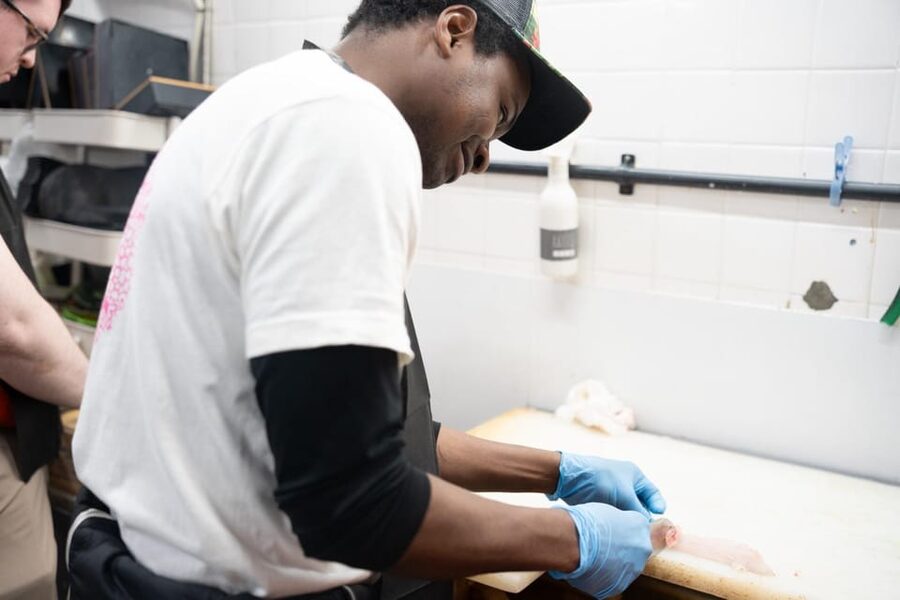
The schedule is tight and clear, and it helps that the class moves in stages.
Step 1, intro and how the pros do it
You start with an introduction, then you will watch the shop instructor fillet fish first. This matters because you see what the knife should do before you try to copy it. It is easier to understand later corrections when you already have a mental picture of the motion.
Step 2, guided practice
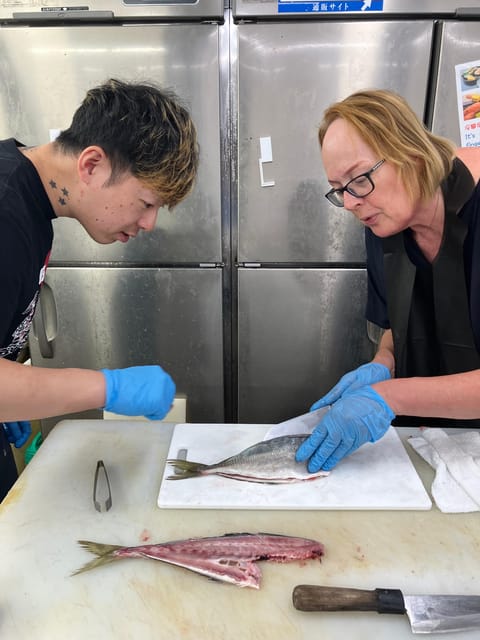
Then you switch from watching to doing. Participants fillet fish while the instructor teaches how to fillet carefully. The class is built around feedback, not just instructions. Small group size helps here, because if you cut at the wrong angle or rush a step, you can be corrected on the spot.
Step 3, turning fillets into sashimi and carpaccio
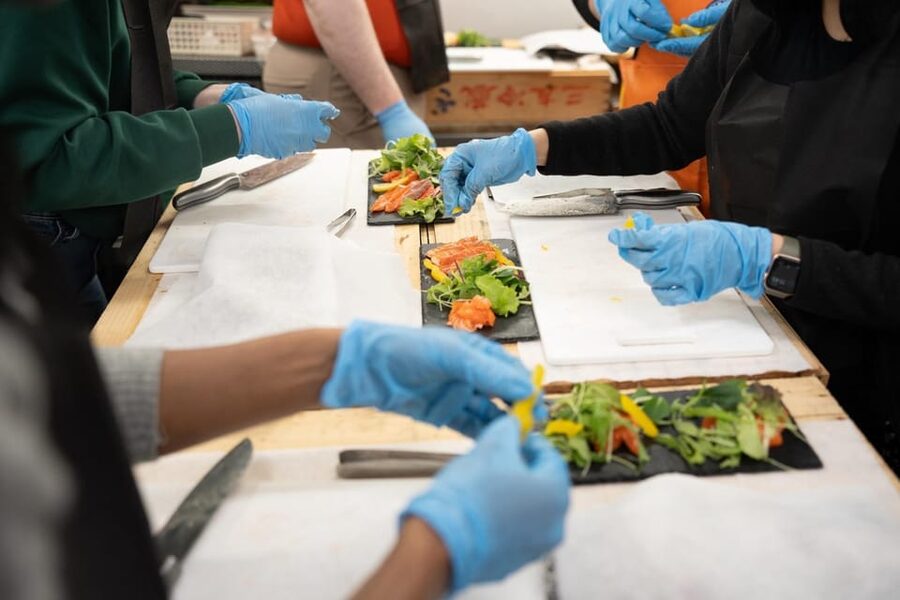
After the fillets are ready, you make sashimi from the fish you processed yourself. You also make carpaccio, not just sashimi. That extra dish is a nice bonus because it teaches that preparation style changes the final experience, not just the ingredient.
Step 4, the lunch you actually earned
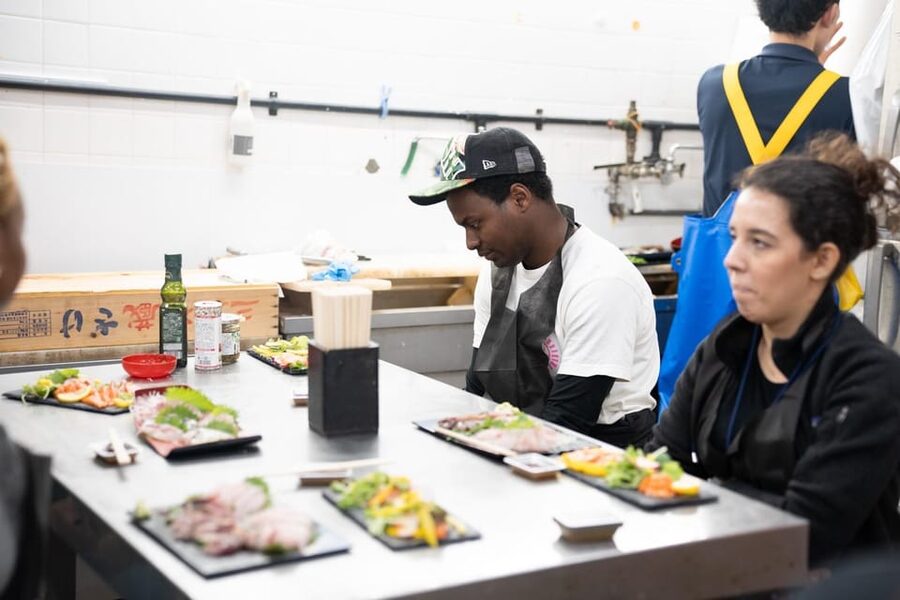
Finally, you eat. Participants eat the fish they filleted themselves for lunch, with rice. This is where it all clicks. If you have ever wondered why chefs obsess over cutting, this meal answers that question without needing a lecture.
Knife Skills You Can Use Again at Home
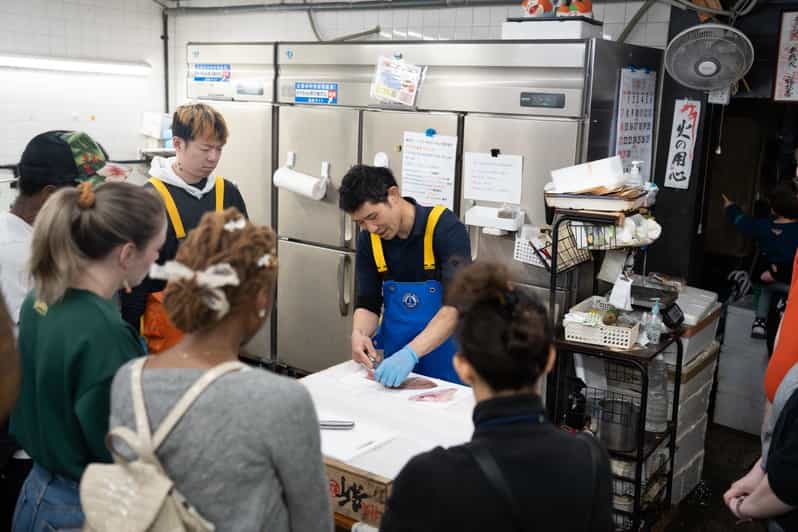
Even if you never fillet a whole fish at home, you will come away with real takeaways about technique.
The class includes the knife you use, and you practice with the tools provided. You also get the apron and gloves, so you can focus on the cutting instead of worrying about safety gear.
From the way the class is taught, the goal is basic skill you can repeat: how to handle the fish, how to control the knife, and how to work carefully. One reason this class gets strong feedback is that it goes beyond finishing techniques like roll-making. You learn ingredient prep and knife handling, which is the part you cannot fake with restaurant shortcuts.
Sashimi and Carpaccio: What You Make and Why It Tastes Different
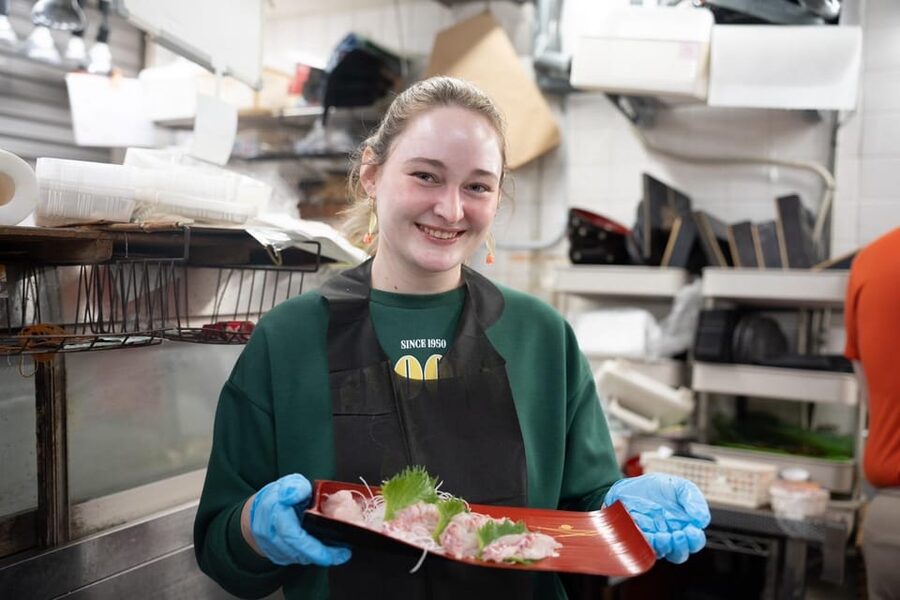
Yes, you will make sashimi. But what makes it feel special is that it is not sashimi you ordered. It is sashimi you produced from raw fish through careful cutting.
People tend to assume the fish is the whole story. Here, the method matters too. When you fillet well, the texture improves. When you slice cleanly, the pieces look right and feel right in the mouth. Your carpaccio also adds variety, because you taste the fish in a different preparation style.
The kind of satisfaction you should expect
The class is set up so you end up with plenty to eat. More than one person has said there is so much sashimi it is hard to finish. That is a good sign for value, and it also means you should come hungry and plan to take it slowly.
Aprons, Gloves, and the Commemorative Photo You’ll Want
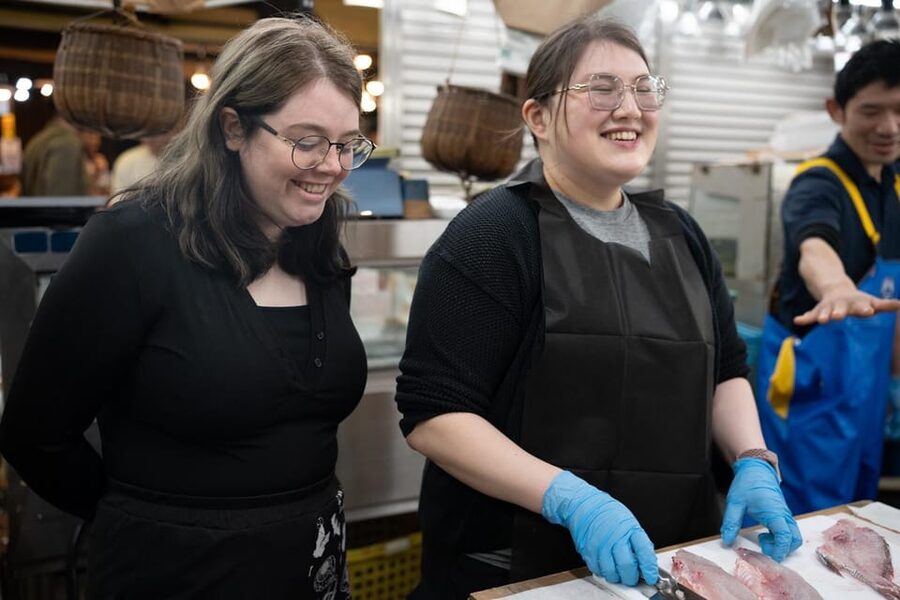
You get provided gear for the work: apron, gloves, and the knife. Practically speaking, that means you do not need to bring equipment.
You also get to take a commemorative photo with the fish. It is a small thing, but it ties the keepsake to the actual process. Instead of a generic food selfie, you have proof of what you handled and cut.
What to wear
Bring clothes that can get dirty. Raw fish work can create small splashes and residue, even in a careful class. If you want to dress nicely for later, do your shopping and photos after the class, not before.
Diet Notes: Gluten-Free and Halal Soy Sauce Options
If you need soy sauce options, this class helps. You can use gluten free soy sauce and halal soy sauce, both provided. That makes the experience easier for people with dietary restrictions who still want to learn authentic flavor pairing.
Also note that alcohol is not included. So if you want drinks, you’ll need to plan that separately.
Price and Value: Is $77 for 150 Minutes Reasonable?
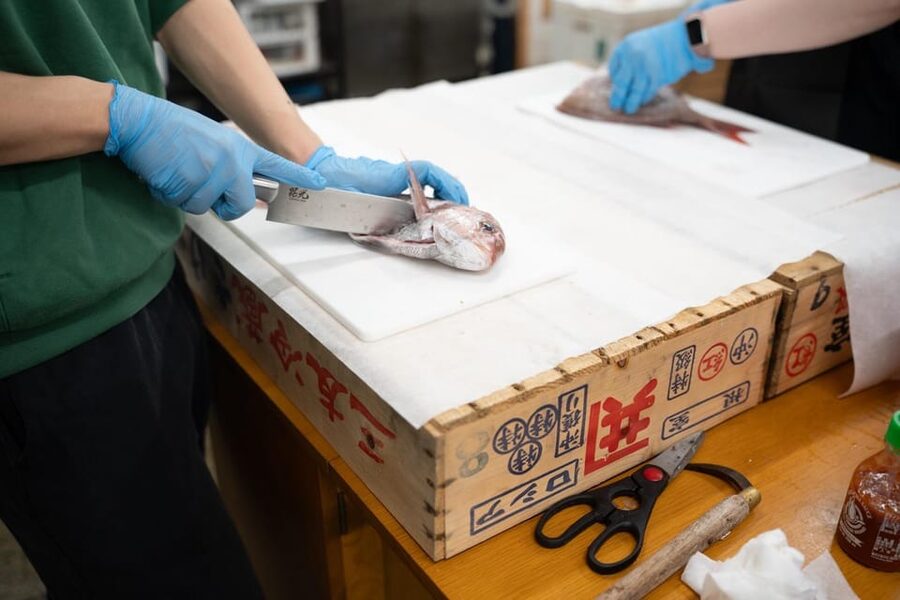
At $77 per person for 150 minutes, you are paying for three things at once:
1) Ingredient handling you usually do not do yourself
2) Tools and prep items provided, including the knife, apron, gloves, soy sauce, and carpaccio sauce
3) Lunch that comes from your own work, plus rice
If you compare it to sushi-making classes, this is different. Sushi classes often start after ingredients are already prepped. Here, you start with raw fish and do the work before cooking or serving. That is why the value feels higher when you genuinely want to understand Japanese food craft, not just sample a meal.
The small group size, limited to 8, also supports the price. With only a handful of people, the instructor can correct hands-on mistakes more effectively than in a bigger crowd.
Who This Fish Cutting Class Is Best For
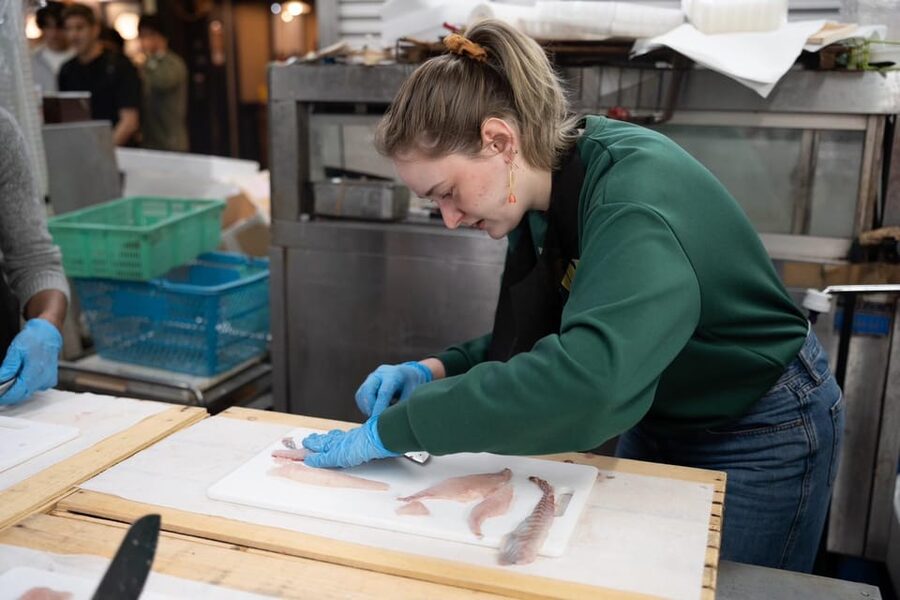
You will likely love this class if:
- You enjoy food culture you can touch, not just food you watch
- You want to learn knife skills and basic filleting technique
- You like the idea of eating something you made from scratch
It is also a good fit if you are a sashimi enthusiast who wants a clearer understanding of why cuts matter. One person described it as relaxing because the instruction is patient and the class feels well paced for learners.
Who might want to skip
This class is not suitable for children under 10. Also, if you cannot stand the idea of raw fish on your hands and tools, you may find it stressful. And if you only want a quick tasting, a hands-on cutting workshop may feel like too much effort.
Booking Tips for a Smooth Start at Kimura
Plan to arrive with enough time to settle in before the class begins. Your meeting point is inside Nishiki Market at the Kimura fish shop.
Because it is limited to 8 participants and the instructor teaches in English, it helps to show up ready to work. If you are a complete beginner, that is fine. Beginners are welcome, but you should still go in with a careful mindset and expect your first cuts to be rough.
One more practical note, since you wear gloves and an apron you still may smell faintly of fish afterward. If you have another activity, you might want to plan a stop to wash up first.
Should You Book the Fish Cutting Class at Kimura?
Book it if you want an experience that goes beyond eating. This is one of those rare food activities where the main event is the work, filleting the fish, then turning it into sashimi and carpaccio, and finally eating the result. For $77, the included gear and lunch make the price make sense, especially if you are the type who likes to learn by doing.
Skip it if you are looking for a low-effort tasting, or if you are very sensitive to mess and raw fish. Otherwise, this class is a strong choice in Kyoto’s Nishiki Market area, particularly if you like hands-on cooking and you want to understand Japanese cuisine from the ingredient up.
FAQ
Where does the class meet?
It meets at the fish shop called Kimura in Nishiki Market.
How long is the fish cutting class?
The duration is 150 minutes.
What is the group size limit?
The class is limited to 8 participants.
Is the instructor English-speaking?
Yes, the instructor is English.
Is this class beginner-friendly?
Yes, beginners are welcome.
What will I make during the class?
You will fillet fish and then make sashimi and carpaccio from the fillets. You also eat your own fish for lunch.
Is lunch included?
Yes. You eat the fish you fillet, and rice is included.
What items are included in the price?
Included items are the fish you handle, rice, the knife you use, an apron, rubber gloves, soy sauce, and carpaccio sauce.
Are there soy sauce options for dietary needs?
Yes, gluten free soy sauce and halal soy sauce are available.
What should I bring, and is anything not allowed?
Bring clothes that can get dirty. Nudity is not allowed.
More Workshops & Classes in Kyoto
More Tour Reviews in Kyoto

Not for you? Here's more nearby things to do in Kyoto we have reviewed


Workshops, compared.
 ★ 4.345-Minute Tea Ceremony Lesson ExperienceFrom $222,378 reviews
 ★ 5.0Ramen Cooking Class at Ramen Factory in KyotoFrom $1311,937 reviews
 ★ 5.0Chopsticks Making Workshop in Gion with Engraving OptionFrom $15958 reviews
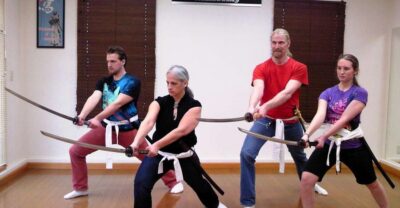 ★ 4.9Samurai Sword Class by Experts in Traditional ArtsFrom $64657 reviews
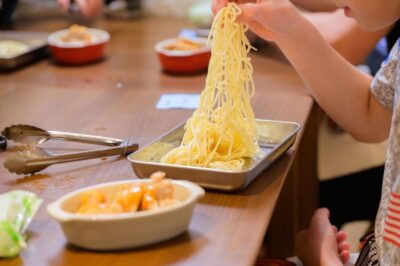 ★ 4.9Ramen Cooking Class at a Ramen Factory with SouvenirFrom $127532 reviews
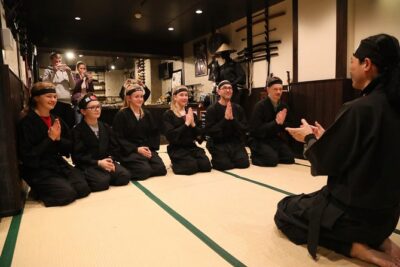 ★ 5.0Ninja 1-hour Hands-on Lesson by Japanese master in Kyoto -EntryFrom $80489 reviews
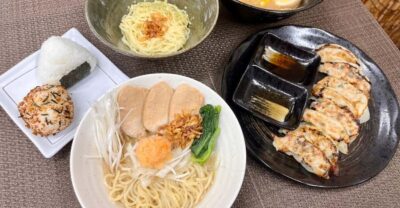 ★ 5.0Ramen, Gyoza, and Onigiri Cooking ClassFrom $90445 reviews
 ★ 5.0The Original Small-Group Sushi Making Class in KyotoFrom $69436 reviews
Browse the lists this tour appears in