
Reviewed · KYOTO BUS & SIGHTSEEING TOURS
Full-Day Sightseeing to Kyoto Highlights
Kyoto hits you fast. This full-day walk knits together the city’s biggest icons with a local guide who explains how everyday Kyoto works. I like the maximum group size of 7, because the day stays easy to manage and you get real attention, not just a headcount. I also like the focus on local life and culture, with practical explanations that make the sights feel less like checkboxes.
One thing to weigh carefully: this is a long day with walking plus trains and buses, so it’s not the right fit if your legs get tired easily, or if you’re in early pregnancy and want a more gentle pace.
Key highlights at a glance
- Max 7 travelers means more chances for questions and better photo help when you want it
- Local culture talk goes beyond temples, including why you see so few trash cans in Japan
- Tight routing covers Arashiyama, Kinkaku-ji, Gion, and Fushimi Inari in one day
- Photo-friendly stops with time built in for viewpoints at Kinkaku-ji and along the gate paths
- Moderate-fitness format keeps the day efficient, but still requires stamina
Why a 7-hour Kyoto highlights walk works
If you only have one day, Kyoto can feel like a choose-your-own-adventure book. This tour turns that chaos into an organized route, so you can see Arashiyama, Kinkaku-ji, Gion, and Fushimi Inari without spending half your day figuring out logistics.
The other big win is the guide angle. The day is not only about what you see, it’s about how Kyoto thinks and lives. That is where the tour becomes more useful than a self-guided stamp-collecting day, especially if you want to understand the cultural quirks while you’re walking through them.
Also, the format gives you room to breathe at key stops. You get set time blocks for the bamboo forest and major shrines, plus time to wander the shopping street and take pictures.
More Kyoto temple visits, food tours, tea experiences, and day trips to compare


Start at Kyoto Station, then roll straight toward Arashiyama
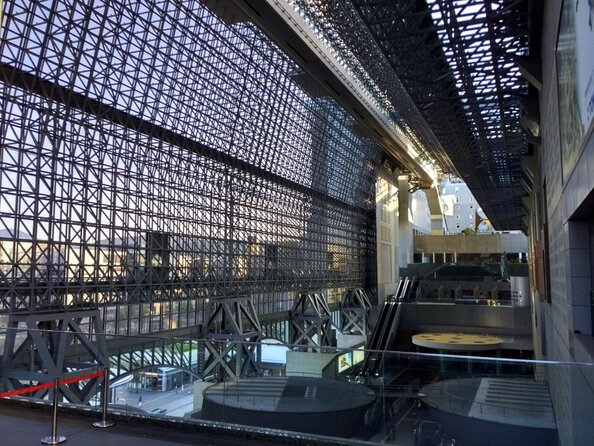
You meet at Starbucks Coffee at Kyoto Tower Sando on the left side of the main entrance area. After a brief introduction, the group heads to the station and you ride the train toward Saga Arashiyama.
This early move matters. Arashiyama is popular, and starting with a train ride helps you get into the flow of the day while your brain is still fresh. Plus, you get a taste of how the city runs on rails and schedules, which is helpful if you plan to travel on your own later.
Expect this to feel like a smooth transfer rather than a long lecture. The guide’s role here is to set expectations, then get you moving.
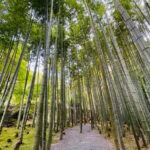
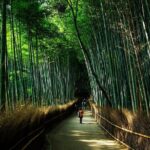
Arashiyama bamboo forest: beautiful views, plus the why behind it
The bamboo forest stop is built for a real walk, not a quick photo sprint. You spend about 60 minutes there, taking in the scenery while your guide shares context.
This is where the tour’s cultural storytelling clicks. In the day’s explanations, you get that extra layer on how Japanese life is shaped by small routines and shared ideas, not just by famous landmarks. One of the recurring themes in the guide feedback is practical culture, like the surprising reason you rarely see trash cans around town and how that affects daily habits.
That kind of info makes the bamboo forest stop feel more connected to Kyoto. It’s not only about the view, it’s about how people move, behave, and respect shared spaces in a place that attracts millions of visitors.
Practical tip: wear shoes you can walk in for a while. The bamboo forest is a photo magnet, and you’ll naturally pause and re-position. If you’re planning tripod shots, keep it simple, because the path is shared.
Kinkaku-ji Golden Pavilion: timing, tickets, and photo strategy
Next you travel from Arashiyama area toward Kinkaku-ji by bus or train. It’s about 40 minutes of transit time, then you get roughly 40 minutes at the temple.
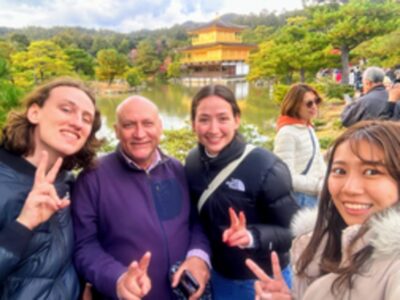
Kinkaku-ji is the big-name draw for a reason. Your guide explains Buddhism in Japan and adds history context while you’re there, and yes, there’s time for pictures with the famous view.
Two practical realities to know up front:
- Kinkaku-ji admission is not included. You should expect an extra ¥500 per person.
- Public transport is also not included in the base price.
That can sound annoying until you see the payoff. You are getting an organized arrival, a guided explanation as you stand in front of the Golden Pavilion, and time to settle into the best viewing spots without trying to puzzle out everything on your own.
If you care about photos, use the guide’s guidance. People often end up with awkward angles when they scramble alone. Ask where to stand and when to re-position for clearer views.
Shijo Kawaramachi: a real lunch and shopping pause in central Kyoto
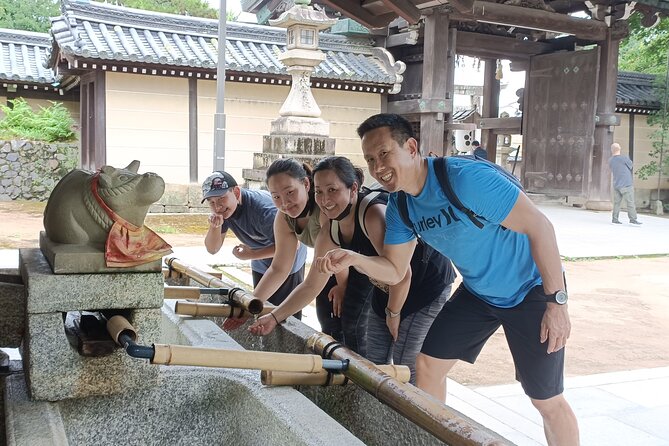
After Kinkaku-ji, the day shifts toward central Kyoto with a stop at Shijo Kawaramachi. You get about 75 minutes here, and the tour includes lunch time in the area.
This is important because it breaks the heavy temple cadence. You move from iconic sacred sites to a lively commercial Kyoto street scene. The guide also helps you navigate what you’re seeing in the shopping arcade area, which is where you’ll notice Kyoto feels modern while still following old patterns.
Just note one thing: the tour does not say lunch is paid for. You’re given the time and location to eat, so you’ll want cashless options ready, plus a small buffer if menus surprise you.
Practical tip: if you want a calm meal, pick a place a bit off the main flow. The area is popular, so sitting right on the busiest strip can feel like you’re eating in the middle of a parade.
And if you’re the type who likes shopping for small gifts, this is a good pocket of time, because you can browse without rushing.
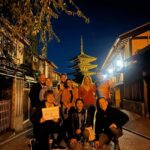
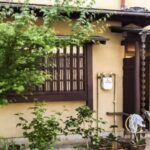
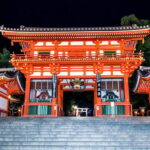
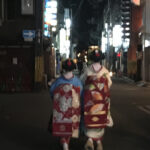
Gion Shirakawa: quieter streets, Geiko and Maiko stories
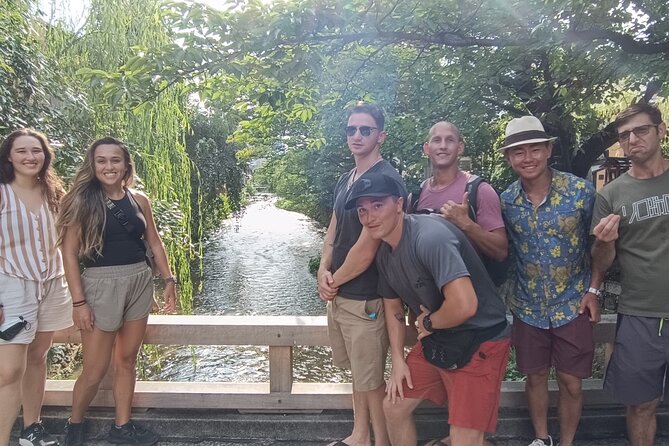
Then you head to Gion Shirakawa, the calmer side of Gion. This stop runs about 60 minutes.
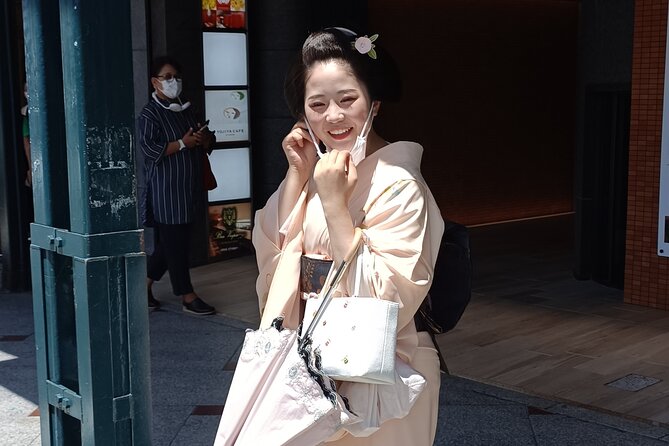
This is one of my favorite parts of the day because it changes the texture of the tour. Instead of crowds pressing toward a single landmark, you walk a gentler lane and hear about Geiko and Maiko, the worlds associated with traditional entertainment in Kyoto.
One of the nice takeaways from the guide feedback is how often they mix facts with atmosphere. You’re not just hearing names and dates. You’re learning what it means that these performers work in a place that also hosts normal daily life for residents and visitors.
Also, Gion is a place where you might get lucky. The tour timing and pacing do not guarantee sightings, but your guide can steer you toward the right kind of street viewing behavior so you feel respectful and not intrusive.
Practical tip: keep your phone away while you’re walking close to residential lanes. If you’re trying to film or photograph, do it where it doesn’t block people. Kyoto etiquette matters, and a good guide will remind you.
Fushimi Inari-taisha: torii gates and Shinto basics
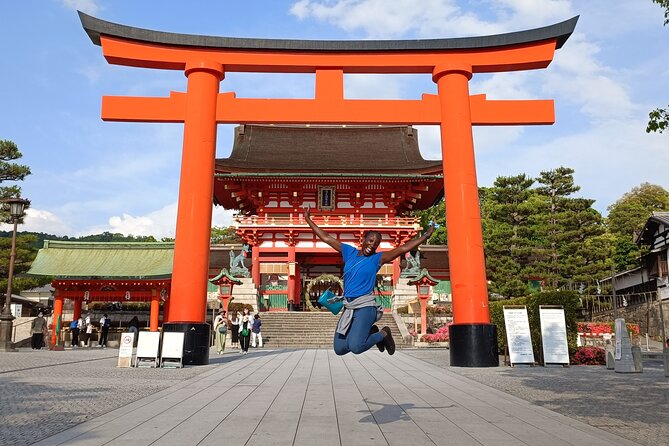
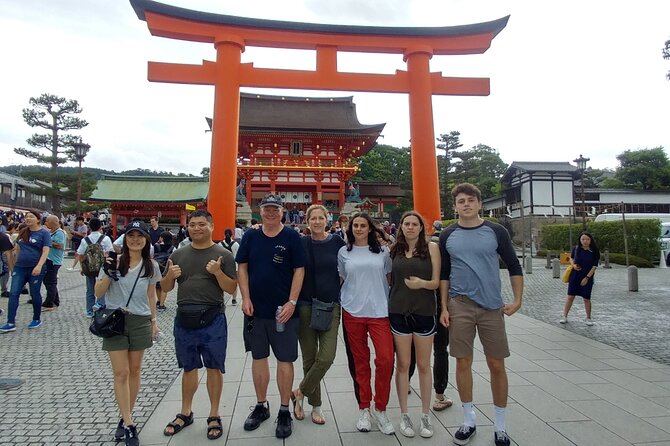
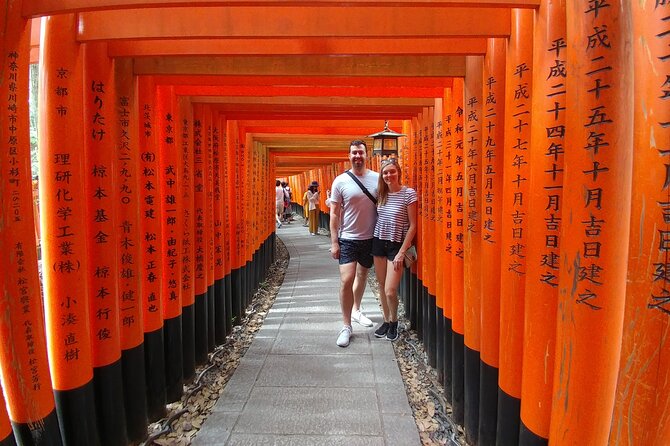
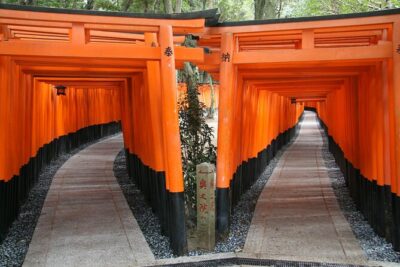
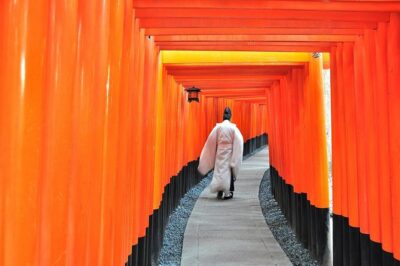
The day’s final major icon is Fushimi Inari-taisha. You spend about 50 minutes in the area on this tour, with time to learn and walk through the vermillion torii gates.
This is the stop where the tour’s “culture talk” turns practical. The guide explains Shintoism and the shrine’s place and history, then you pass through the thousands of torii gates. You get movement, visuals, and context all in one corridor.
A word of advice: with a timed tour, you may not see every path extension deep into the mountain trails. That’s not necessarily a downside. In fact, it can be a smart way to enjoy the most iconic gate experience without getting stuck behind people or burning your energy too early.
If your legs are feeling it, pace yourself from the beginning. Stop occasionally to take photos, but keep moving. The torii corridors feel best when you maintain steady momentum.
Also, bring a light layer if you’re sensitive to weather. The gates create open-air exposure in many stretches.
Kyoto Station finish: getting your bearings for the rest of your trip
At the end, you head back to Kyoto Station Building, riding the train once again to reach the station area. You wrap up back at the meeting point, after a short farewell.
This closing pattern is a quiet win for first-timers. Once you’re back near Kyoto Tower area, you’re positioned to do whatever comes next, whether that’s dinner nearby or heading to your hotel. You also leave with a mental map of how to move between major districts.
It’s the kind of finish that makes you feel less stranded after a long day.
Price and logistics: what you’re really paying for
The tour price is $165.17 per person, and it’s built around two things you can’t easily buy on your own:
1) A guide to translate what you see into something you understand
2) A route that saves time across multiple districts
But it’s also important to be realistic about what’s not included. You should budget extra for:
- Kinkaku-ji admission: ¥500
- Public transportation: listed at ¥1,510 per person
When you compare value, the base price starts to make more sense. A guided day like this is not just “stand here, take photos.” You’re getting someone to explain Buddhism in Japan, Shintoism, and the cultural logic of everyday behaviors, while also helping with train and bus movement.
And group size matters. With a maximum of 7 travelers, you have a real shot at a more personal experience. Some departures can even feel close to private if the group is small, and the guide can adjust pace and photo help accordingly.
Guides can make or break the day, and this one has a strong track record
The tour’s biggest praise is the people running it. You’ll see names like Indra, Maureen, Naomi, Adella, and Toshi tied to great day stories.
Across those guides, the common thread is style:
- lots of questions answered
- clear English
- humor that keeps the day from turning into a lecture
- photo help, including helping solo travelers get good shots
- willingness to teach a few Japanese phrases that actually help during sightseeing
I also like that the pacing can flex. If the group needs to slow down or adjust, the tour seems designed for human movement, not just a rigid timetable.
If you’re the type who enjoys conversations, this tour tends to reward you. The best moments come when you’re asking, not just listening.
What to pack and how to handle the walking
This is a walking tour with a moderate physical fitness level requirement. That means you should plan for:
- steady walking across multiple districts
- time spent standing at temples and gates for explanations and photos
- getting on and off trains and buses without long breaks
If you have bad leg mobility, the tour is not recommended. That’s not a small warning. Seven and a half hours adds up fast when your stops also involve waiting and re-positioning for photos.
What to bring:
- comfortable walking shoes
- a light rain layer if weather is iffy
- water, especially on warm days
- a phone charged enough for your mobile ticket
Also, good weather is required for this experience, so if conditions are rough, the operator may reschedule or offer a refund.
Who should book this Kyoto Highlights day
This tour fits best if you:
- have only one day in Kyoto and want major icons without stress
- like guided explanations, not just photos
- enjoy cultural details, like the everyday logic behind shrine and temple behavior
- want a group small enough to ask questions and get help, including photo tips
It might not be your best choice if you:
- want a slow, minimal-walking day
- need lots of seated breaks
- strongly prefer to choose your own lunch spot without a pre-set location and flow
Should you book this Kyoto Highlights tour?
If your goal is a smart, efficient one-day overview of Kyoto, I’d say it’s an easy yes. The route covers the big hitters in a way that feels organized, and the guide adds meaning to each place, not just a list of facts.
My final advice: budget the extra costs for Kinkaku-ji and public transport, wear real walking shoes, and go in ready to learn a bit about how Japanese daily life connects to the places you’re visiting. If you do that, this is the kind of day that leaves you feeling like Kyoto clicked, not like you just hurried past it.
FAQ
How long is the full-day Kyoto Highlights tour?
The tour runs about 7 hours 30 minutes.
How big is the group?
The experience has a maximum of 7 travelers.
Where do I meet the tour?
You meet at Starbucks Coffee in Kyoto Tower Sando, Kyoto.
Is Kinkaku-ji admission included in the price?
No. Kinkaku-ji Golden Pavilion admission is ¥500 per person and is not included.
Is public transportation included?
No. Public transportation is listed as ¥1,510 per person and is not included.
Do I need to do a lot of walking?
Yes. It’s a walking tour and is described as requiring moderate physical fitness. It is not recommended for people with bad leg and not recommended for pregnant travelers more than the first trimester.
Is the ticket mobile?
Yes. The tour uses a mobile ticket.
What happens if the weather is bad?
The experience requires good weather. If it’s canceled due to poor weather, you’ll be offered a different date or a full refund.
Can I bring a service animal?
Yes, service animals are allowed.
More Full-Day in Kyoto
More Tour Reviews in Kyoto

Not for you? Here's more nearby things to do in Kyoto we have reviewed


Kyoto Bus & Sightseeing Tours, compared.
 ★ 5.0PERFECT KYOTO 1-Day Bus TourFrom $12913,518 reviews
 ★ 4.8Fushimi Inari, Kinkakuji, Bamboo Grove 1 Day Bus TourFrom $1224,316 reviews
 ★ 4.9Best of Kyoto: Gion, Geisha, Pagodas & CobblestonesFrom $242,058 reviews
 ★ 3.9Hop-on Hop-off Sightseeing Bus TicketFrom $272,034 reviews
 ★ 5.0Private Kyoto Tour with a Local, Highlights & Hidden Gems, PersonalisedFrom $1021,543 reviews
 ★ 4.7Kyoto/Osaka: Nara, Fushimi Inari Taisha, Arashiyama Bus TourFrom $521,275 reviews
 ★ 5.010 Must-see Spots in Kyoto One Day Private Tour (up to 7 people)From $1791,108 reviews
 ★ 4.5One-Day Tour of Kyoto’s Highlights from Osaka/KyotoFrom $661,092 reviews
Browse the lists this tour appears in