
Reviewed · FUSHIMI INARI SHRINE TOURS
Fushimi Inari & Nara Highlights Walking Tour
Two shrines, one tight day. I love the Fushimi Inari-taisha torii-tunnel views and the Kasuga Grand Shrine lantern atmosphere, and this guided day makes them easy to hit without map stress. The trade-off is a packed route, so you should plan for steady walking and quick changes between Kyoto and Nara.
What you get is straightforward: a private guide takes you through major Kyoto-to-Nara sights and keeps the flow moving, with context on Japanese history and architecture along the way. The tour starts at Kyoto Station at 9:00 am and ends at Nara Station, so you’re not juggling the whole logistics puzzle yourself. Also, two of the key stops have free admission, which helps the value math.
Key Highlights You’ll Feel Fast
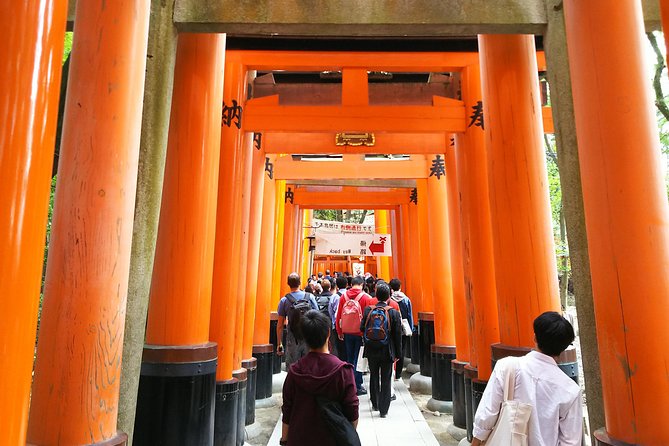
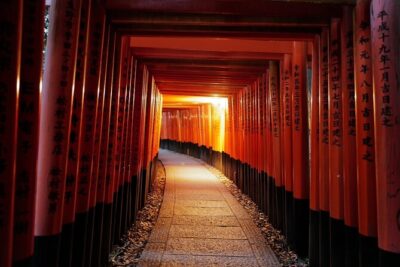
- Vermilion torii tunnel at Fushimi Inari-taisha, built from thousands of donated gates
- Nara in about a day, including Todai-ji and Kasuga Grand Shrine
- A private guide who helps you navigate and explain what you’re seeing
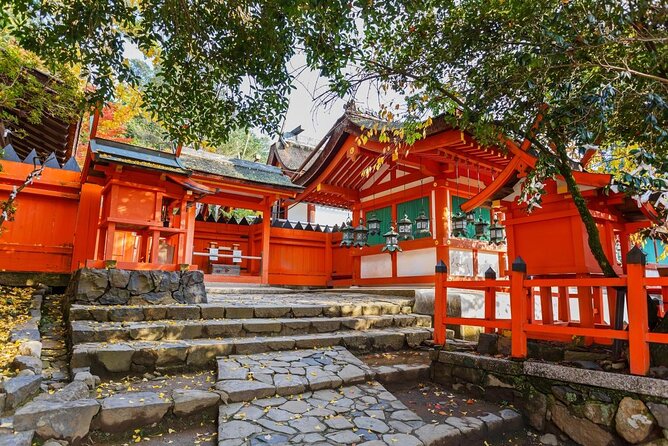
- Kasuga’s 3,000 lanterns, with great photo opportunities in the precincts
- Time-saving route planning, so you can focus on walking, looking, and photographing
Why Combine Fushimi Inari and Nara in One 6-Hour Day
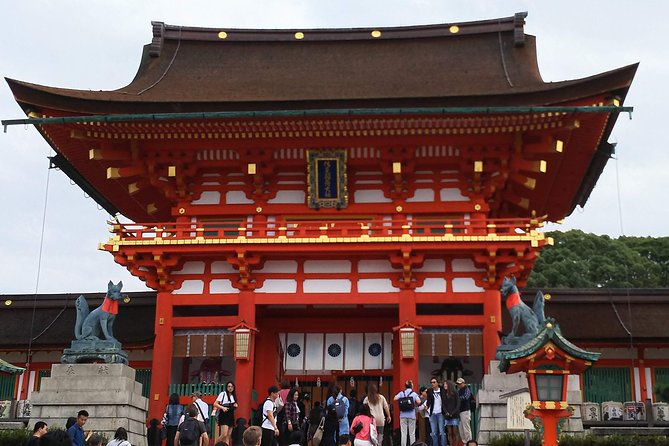
If your Kyoto days are limited, this format is practical. You get a famous Shinto stop in the morning, then pivot to Nara’s big Buddhist sites and shrine grounds before the day slips away.
The best part is how it reduces decision fatigue. Instead of figuring out which side streets to take and which sights to prioritize, you’re following a guide who already knows the route and keeps you moving at a good pace.
One thing to keep in mind: six hours is not a lot for two world-famous destinations. You’ll see the highlights, but you won’t have that slow, wandering “take my time” feeling. If you want hours inside one place, pair this with an extra day in Nara or Kyoto.
You can also read our reviews of more walking tours in Kyoto

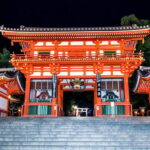
Kyoto Station Start: Let the Guide Handle the First Move
You meet at Kyoto Station, with the tour starting at 9:00 am. That matters more than it sounds. Meeting at a major hub helps you avoid the common early-day stress, like arriving late because you guessed wrong on train connections.
You’ll have a private group experience, which means your guide can focus on your pace. From the reviews, the guide experience is a standout. People specifically called out how informative and helpful the guide was, and that’s exactly what you want on a day that includes temples, shrines, and a lot of visuals.
Also note the tour uses a mobile ticket. That’s usually one less thing to worry about once you’re on the move.
Fushimi Inari Taisha Otabisho: The Torii Tunnel You Came For
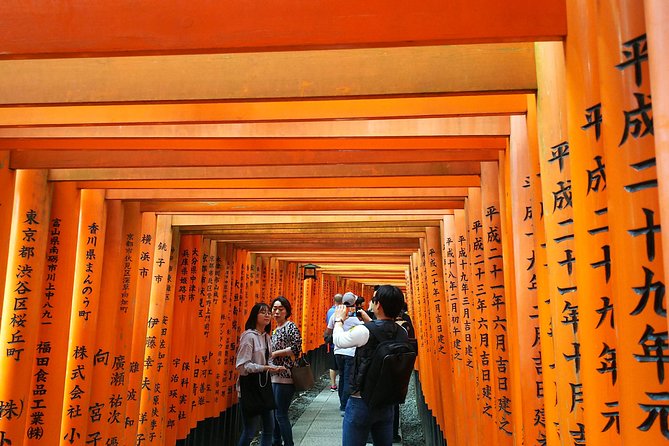
Your first stop is Fushimi Inari Taisha Otabisho. Expect about 1 hour here, and admission is free.
The headline is the tunnel of thousands of vermilion torii gates. These gates are donated by worshippers in appreciation of good fortune they received, which gives you more than just a photo opportunity. As you walk under the gates, it helps to remember you’re moving through a living place of worship, not a theme park.
Practical tip: wear shoes you can walk in for a sustained stretch. The experience is famous for its iconic path, and you’ll want the comfort to keep your pace steady while you look up, turn, and frame photos.
A guide is a big win at Fushimi Inari. The site has lots of paths and lookouts, and if you try to improvise with maps on a packed day, you can end up backtracking. With a guide, you can focus on what’s in front of you, and you also get context that makes the architecture feel less random.
Todaiji Temple Corridor: Scale, Ritual, and the Largest Wooden Building
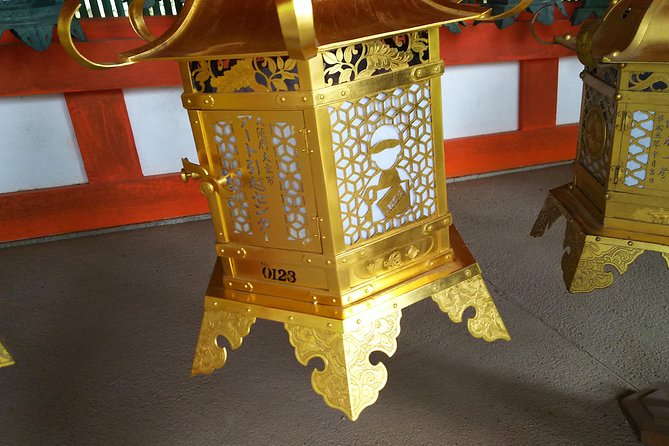
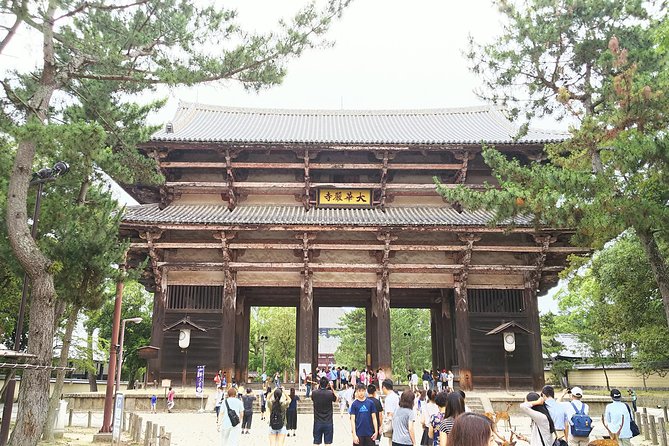
Next up is Todai-ji Keidaicho, again with about 1 hour on the schedule. This stop is not included in the tour price for admission, so you’ll pay the Todai-ji Temple fee of ¥800 per person separately.
Todai-ji is renowned as the largest wooden building in the world, and the approach sets expectations. After you enter, you’ll find a corridor that surprises you with sheer scale, and then you’ll move into the temple experience with the right mindset.
Before going further, the tour includes a common Shinto-Buddhist style ritual: cleansing your hands and mouth at a purifying trough. It’s a small moment, but it’s useful on a tour like this. It gives you a short pause to reset, and it also signals that you’re entering a sacred space where behavior matters.
What I like about including Todaiji on this day is that it changes the tone. Fushimi Inari is all about the repeating gates and forward momentum. Todaiji brings you into bigger, enclosed spaces with dramatic scale and a more reflective pace.
One caution: because the admission fee is separate, build a little mental buffer for the stop. It’s not complicated, but it does add one more “pay and proceed” step during a day that’s already moving.
Kasuga Grand Shrine: 3,000 Lanterns and a Lot of Photo Angles
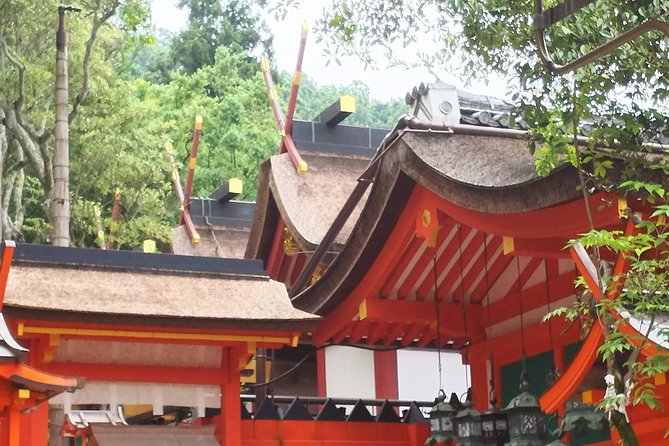
Your third major stop is Kasuga Grand Shrine, also about 1 hour, and admission is free.
Kasuga is described as a shrine built around 1,300 years ago, and it holds about 1,000 branch shrines across Japan. That kind of network detail is easy to miss if you only look at the lanterns, but it helps you see why the site feels important beyond its scenery.
Then there are the lanterns: there are more than 3,000 lanterns in the precincts, and they’re noted as the largest in Japan. Even if you’re not a “lantern person,” that number changes your experience. You stop thinking of individual objects and start seeing the place as a whole light system.
Practical photo advice: give yourself time to step back. In strong contrast, lanterns can look flat if you only shoot close-up. When you’re with a guide, you can pause at better viewpoints without worrying you’ll miss the next section.
This stop also gives you a nice mix of textures and colors, especially the contrast of the vermilion tones mentioned for the area. You’ll likely end the day with pictures that look like you actually planned your shot list.


Kyoto to Nara in a Day: The Train Part That Makes It Work
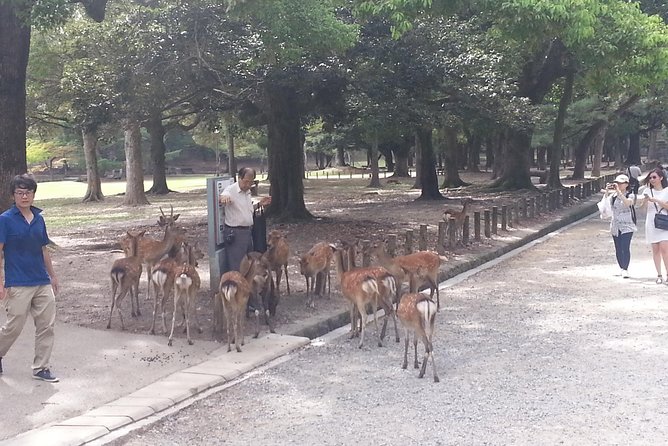
The tour structure relies on transportation between Kyoto and Nara. One review mentioned the trip takes about an hour by train from Kyoto, and that’s a key reason this itinerary is feasible in about 6 hours total.
Public transportation fare is ¥1,380 per person, and it is not included in the tour price. That means you should expect to handle transit payment separately.
Also, you should plan your energy around the timing. A day that starts at Kyoto Station at 9:00 am and ends at Nara Station is going to feel like a “hit the highlights” day. You’ll get time at each major site, but you’ll be moving on before you feel totally done in any one location.
If your schedule is tight, that trade-off is worth it. If you want slow sightseeing, this format can feel like too much in too little time.
Price and Value: What $106.10 Really Buys
The listed price is $106.10 per person. That base fee includes the guide fare, and you get a mobile ticket as part of the setup.
Here’s the real value question: does the guide save you enough hassle to justify the cost? For me, the answer is yes, because you’re dealing with two major destinations with different styles of places. Fushimi Inari is about walking under torii gates. Nara is about managing temple and shrine flow, plus the scale at Todai-ji and the lantern-filled grounds at Kasuga.
But you also need to know what’s not in the base price:
- Public transport: ¥1,380 per person
- Todai-ji admission: ¥800 per person
- Meals: not included
So your total day cost is the base price plus those add-ons. Even with that, it can still be good value if you hate map stress, you want an efficient route, and you care about explanation.
One more detail that matters for value: the tour is described as private, with only your group participating. That usually improves the experience because your guide can adjust pacing, and you’re not squeezed into the most chaotic “watch the guide, follow the crowd” mode.
What the Guide Adds Beyond Directions
A lot of tours say they’re educational. This one is educational in a more practical way. Reviews emphasized how the guide was informative and helpful, and on a day like this, that helps more than you think.
When you’re standing under thousands of torii gates, the experience can be pure spectacle. With a good guide, you start to understand what the structure represents and why it’s laid out the way it is.
At Todai-ji, scale matters, but context matters too. Knowing it’s the largest wooden building in the world changes how you look at the corridor. And the hand-and-mouth cleansing at the trough becomes more than a checklist moment, it becomes part of the ritual rhythm of the place.
At Kasuga, the guide can help you connect the lanterns to the shrine’s broader network of about 1,000 branch shrines, so your photos don’t become random snapshots. You end up leaving with a clearer sense of how the shrine fits into Japan’s wider religious landscape.
Who This Tour Fits Best (And Who Might Want Something Else)
This works especially well if you:
- only have limited time in Japan and want both Fushimi Inari and Nara highlights in one day
- like walking between major sights without worrying about routing
- want history and architecture context while you move, not after
From the tour details, it’s also indicated that most travelers can participate, and it’s listed as accessible for those with limited eye sight and limited mobility. If you have specific needs, it’s still worth thinking ahead about walking distance at Fushimi Inari.
Pets are tricky in the provided info. It says animals or pets are allowed, but it also states it is not suitable for pets. If you’re traveling with an animal, you should confirm directly with the provider before booking.
Should You Book This Walking Tour?
Book it if you want a clean, efficient day where a guide handles navigation and you get to see the big hits: Fushimi Inari’s torii tunnel, Todai-ji’s massive wooden building, and Kasuga Grand Shrine’s lantern-packed precincts. The combination is smart for first-time Japan visitors, and it’s a good fit when your Kyoto itinerary has limited wiggle room.
Skip it if you know you need long, unhurried time in one place. This tour is built for highlights in a compressed window, so it’s best for people who like moving, looking, and photographing across multiple stops in one go.
If you’re on the fence, here’s the quick decision rule I use: if map stress would ruin your day, and you like your sightseeing with context, this is a strong choice.
FAQ
How long is the Fushimi Inari & Nara Highlights Walking Tour?
The tour is listed as approximately 6 hours.
Where does the tour start and end?
It starts at Kyoto Station and ends at Nara Station (in the Sanjohonmachi area).
What time does the tour begin?
The start time is 9:00 am.
What is included in the tour price?
The price includes the guide fare.
What is not included in the tour price?
Public transportation fare (¥1,380 per person), Todai-ji Temple admission (¥800 per person), and meals are not included.
Is admission free for all the stops?
Fushimi Inari-taisha and Kasuga Grand Shrine are listed as free. Todai-ji Temple has an admission fee.
Is this tour private?
Yes, it is listed as a private tour/activity, with only your group participating.
What is the cancellation policy?
You can cancel for free up to 24 hours in advance for a full refund. If you cancel less than 24 hours before the start time, the amount paid is not refunded. The tour is also described as requiring good weather, and if it’s canceled due to poor weather, you’ll be offered a different date or a full refund.
More Walking Tours in Kyoto



More Tours in Kyoto

More Tour Reviews in Kyoto

Not for you? Here's more nearby things to do in Kyoto we have reviewed









Fushimi Inari Shrine Tours, compared.
 ★ 4.8Fushimi Inari, Kinkakuji, Bamboo Grove 1 Day Bus TourFrom $1224,316 reviews
 ★ 5.0Fushimi Inari Hidden Hiking Tour (Private Option Available)From $631,750 reviews
 ★ 4.7Kyoto/Osaka: Nara, Fushimi Inari Taisha, Arashiyama Bus TourFrom $521,275 reviews
 ★ 4.4Osaka/Kyoto: Arashiyama, Nara & Fushimi Inari Shrine w/LunchFrom $61754 reviews
 ★ 4.7Nijo Castle, Kiyomizu & Fushimi Inari Guided TourFrom $54700 reviews
 ★ 5.0Nijo, Kinkaku-ji, Arashiyama, Kiyomizu & Fushimi InariFrom $51699 reviews
 ★ 5.0Kyoto Fushimi-Inari Night Walking TourFrom $43320 reviews
 ★ 4.93-Hour Fushimi Inari Shrine Hidden Hiking TourFrom $72270 reviews
Browse the lists this tour appears in