
Reviewed · WORKSHOPS
Hanakoushi cotton Scarf Class
Turning fabric into art takes minutes in Kyoto. This private Hanakoushi cotton scarf class at the Kyoto Shibori Museum is a hands-on way to learn shibori dyeing and walk out with a real, wearable souvenir. I like how personal the class feels, and I like that you finish with something you can actually use. The main drawback is the time is short, so it is not an all-day, ultra-intricate tying marathon.
While your scarf dries, you are not stuck waiting in silence. You get museum time to see shibori art, tools, and samples, plus a shop where you can keep shopping for Kyoto-made textiles. One more consideration: the cotton vs silk wording can be a little mixed, so it is worth checking what material you are making when you book.
Key highlights that make this worth your time

- Private class for your group, so you are not sharing folding and dye time with strangers
- Hanakoushi shibori technique with a clear, step-by-step process that is designed for tourists
- A finished scarf souvenir, sized for real use (70 x 17 inches, 175 x 50 cm)
- Museum break while it dries, with displays of shibori tools, samples, and artwork
- Good shopping inside the museum shop, from textile items to small gifts
A private shibori scarf class, without the long day
This is the kind of activity that works when you want something cultural, hands-on, and not buried under a full afternoon schedule. You go to the Kyoto Shibori Museum, learn the folding and dyeing steps, and then end with your own scarf. The class runs about 30 minutes on the schedule, though sessions are described as taking 30 to 60 minutes depending on the timing.
What makes it especially attractive is the private setup. It is exclusively for your party, so the instructor can move at your pace. In reviews, people repeatedly call out how friendly, patient staff make the process easy to follow, even when you are new to shibori.
If you are the type who loves watching craft demonstrations, you will enjoy this too. You still get the behind-the-scenes feel of the museum, and the class gives you that hands-on “I did it myself” payoff.
Possible mismatch to watch for: because it is a short class, you are not going to spend hours tying tiny fabric bits. If you are expecting an ultra-long, highly technical shibori marathon, set your expectations for a streamlined tourist-friendly lesson.
More Kyoto temple visits, food tours, tea experiences, and day trips to compare

What you make: the hanakoushi scarf using shibori folding and dyeing
You will work on a scarf that is 70 inches by 17 inches, which is listed as 175 cm by 50 cm. That is a practical size, not a tiny keepsake. You will be able to fold it, wear it, gift it, or frame it in your mind as a souvenir that is specific to Kyoto.
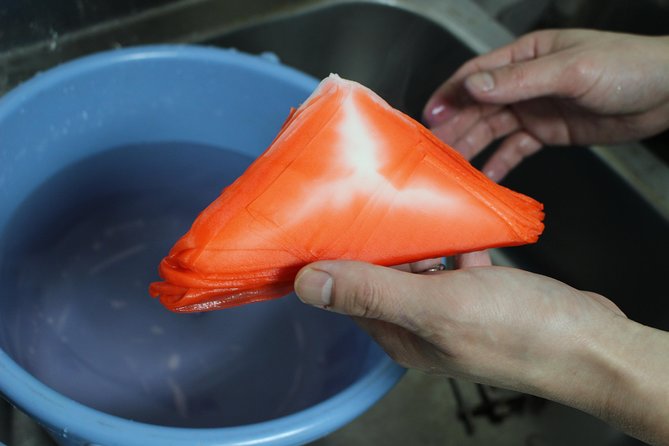
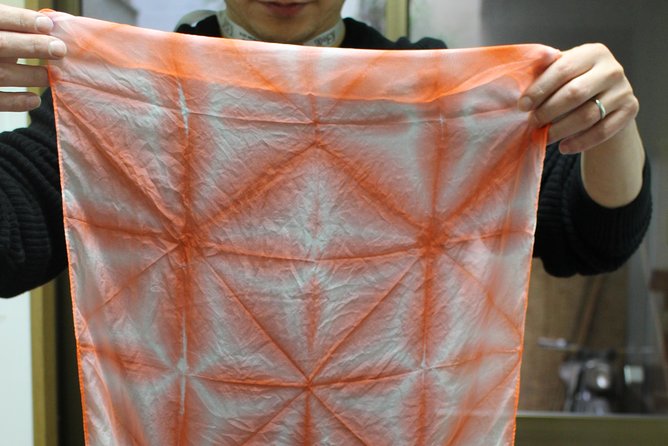
The craft focus is on shibori dyeing, and the class description ties together sekka shibori and the hanakoushi shibori method. In plain terms, you are choosing a color and then folding the fabric in a particular way so the dye hits the pattern you want. After that, you dye it, and the folded structure is what creates the result.
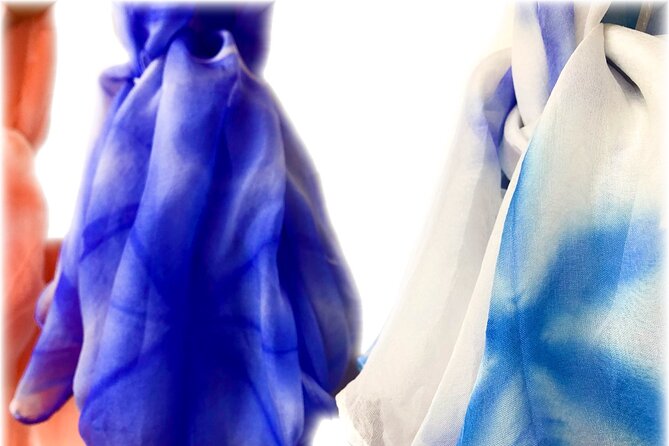
One thing to clarify before you arrive: the descriptions mention cotton in the class name and the “what to expect” section, but the overview and several review comments talk about silk. Since the provided info is mixed, I suggest you confirm the material when you book. The learning is the same idea, but the feel of the fabric, how it drapes, and how it looks afterward can differ.
How the 30 to 60 minutes usually works, step by step
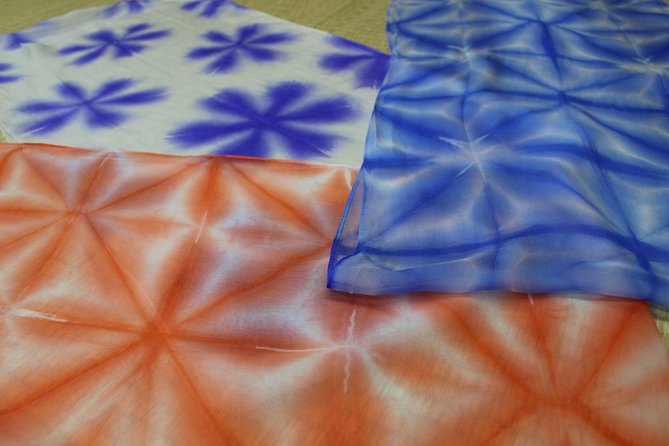
The class is set up so the most active work happens early, then you get a natural pause while the dye sets. Here is the flow you can expect.
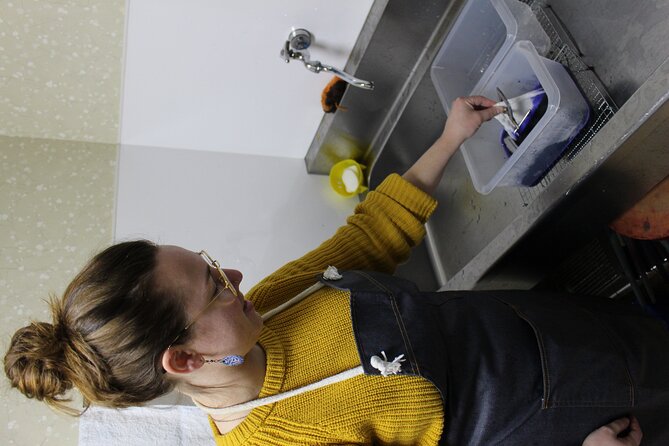
First, you pick your color. Then you learn the folding method used for hanakoushi shibori. Folding is the key skill in shibori, because the pattern comes from the resistance you create in the fabric before dye hits it.
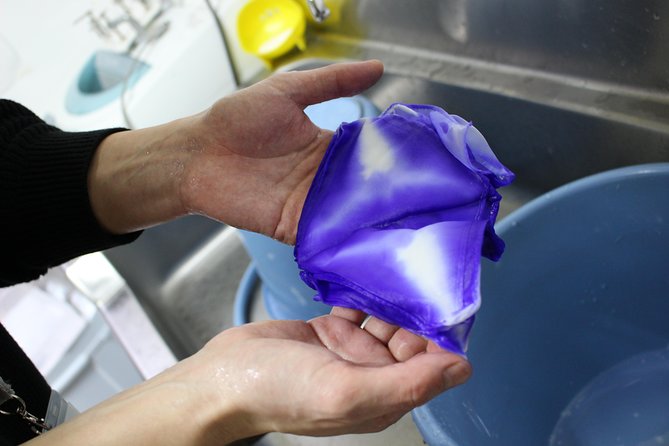
Then comes the dyeing step. You dye the fabric after folding. This is where it becomes very real. You see how the process turns chosen color into a repeatable technique, not just a one-off art project.
After dyeing, your scarf needs time to dry. The provided schedule says about 30 minutes for drying, and that creates the perfect handoff to the museum portion.
In reviews, people often say the process feels modernized or simplified compared with what you might imagine from traditional shibori photos online. That is a plus if you want to succeed without needing prior crafting skills. You still get guidance from start to finish.
The museum time while it dries: art, tools, and context that makes the scarf mean more
This is one of the smart parts of the experience. You are not just waiting around. While the fabric dries, you get museum time to understand what you are making.
You can browse shibori art pieces, plus tools and samples displayed in the museum. This matters because shibori is not just a technique. It is a whole visual language, with different folding and resisting methods creating different styles. Seeing the museum displays helps you connect your scarf to a wider tradition.
Reviews also mention an explanatory or historical video, plus show-and-tell style context from staff. Even if you are short on time in Kyoto, this museum component helps you walk away with better appreciation, not just a souvenir.
The museum also has a shop. It is not an afterthought. People describe it as a place where you can buy shibori items, souvenirs, fabrics, and more. One review example mentions buying a purse and clothing items for family members, which is a good reminder that this shop is useful even if you already made your scarf.
If you want to make the most of your time, plan on spending a little extra time in the museum shop after your session. The items are the easiest way to bring the craft home in different forms besides the scarf you make.
Price and value: what you get for about $43
At $43.35 per person, this class is priced like a midrange cultural workshop, not a premium private atelier experience. And the value comes from a few things working together:
- You get a finished scarf souvenir, sized for real use (not a small sample piece).
- The class is private for your party, which usually justifies paying more than a shared group workshop.
- You learn the technique through folding and dyeing, then you deepen your understanding with museum displays and samples.
- You also have shopping access inside the museum shop, which can add real value if you enjoy textile gifts.
The biggest “value math” question for you is this: are you the type who would otherwise buy a scarf in Kyoto anyway? If yes, then this is a way to replace a store-bought souvenir with a made-by-you one. Even if the scarf is not dramatically cheaper than a retail scarf, the experience can feel more personal and memorable than browsing racks.
The other side of value is expectation. If you are looking for a long, technical craft session, you might feel you want more time at the hands-on steps. The short schedule is part of the affordability and the accessibility. Decide what matters more to you: quick success and a finished keepsake, or a longer, deeper craft day.


Where it fits in your Kyoto plan and how to show up
Location-wise, it is convenient because the museum is near public transportation. That matters in Kyoto, where you can lose time hopping between far-flung spots. The meeting point is:
Kyoto Shibori Museum, 135-5 Shikiamichō, Nakagyo Ward, Kyoto 604-8261, Japan
The activity ends back at the meeting point, so you do not need to plan a separate destination afterward.
You also receive a mobile ticket, which is a small but helpful detail in a city where you may already be juggling transit cards, maps, and receipts. Keep your phone charged, and you are good.
Time-wise, plan for a short window in your day plus a little buffer for the museum exploration and shop browsing. The scarf drying time is built in, so the class does not feel like you are only sitting for a half hour. Still, the total experience is not meant to be squeezed between two extremely tight commitments.
Staff, pace, and how your English support usually feels
From the reviews you provided, staff support seems to be a big part of why people rate this so highly. People describe instructors as kind, helpful, and easy to understand, and at least some sessions are run by staff who speak solid English.
You should also know that the class is designed to be approachable for beginners. Multiple comments emphasize how easy and fun it is to make a scarf instead of only buying one. That does not mean it is watered down. It means the key steps are explained in a way you can actually follow and finish successfully.
Family-run vibes show up in the feedback too, with a director and staff guiding the process. If you like learning crafts from people who live and breathe the craft, this style tends to land well.
Who should book this, and who might not love it
This is best for you if:
- You want a hands-on Kyoto craft with a clear outcome
- You like the idea of learning a traditional technique and leaving with something wearable
- You want a short, manageable activity that does not eat your whole day
- You enjoy museum displays and textile shopping, not just the workshop itself
It might be less satisfying if:
- You want an all-day, highly intricate handcraft process
- You expect extremely deep technical training with lots of independent tying work
- You only care about the scarf and do not want the museum component
Also consider your material preference. Because some descriptions point to cotton and others talk about silk scarves, confirm what you will be making. If you have a strong preference for one fabric type, this quick check can prevent disappointment.
Should you book the Hanakoushi cotton scarf class?
I think you should book it if you want a smart Kyoto souvenir strategy: learn a real technique, make something that fits your life after the trip, and still get museum time to understand what you made. The private format helps a lot, especially if you prefer one-on-one or small-group attention.
Skip it or adjust expectations if you want a long, traditional hands-on craft session with tons of repetitive micro-steps. This class is designed for a shorter, guided experience that gets you to a finished scarf without hours of complicated labor.
If your goal is a memorable craft moment in Kyoto with a wearable keepsake, this one is a strong bet.
FAQ
How long does the Hanakoushi scarf class take?
The class is listed as about 30 minutes, and it also notes that classes usually take 30 to 60 minutes per session.
Is this class private?
Yes. It is a private tour/activity, exclusively for your party.
What scarf size will I be working with?
You will dye a scarf that measures 70 inches by 17 inches, which is listed as 175 cm by 50 cm.
Where do I meet for the class?
You start at the Kyoto Shibori Museum, 135-5 Shikiamichō, Nakagyo Ward, Kyoto 604-8261, Japan, and it ends back at the meeting point.
Do I need to print anything, and is it easy to reach?
You receive a mobile ticket, and the museum is near public transportation.
Can I get a refund if I cancel?
Free cancellation is available. You can cancel up to 24 hours in advance for a full refund, and cancellations within 24 hours are not refunded.
More Workshops & Classes in Kyoto

More Tour Reviews in Kyoto


Not for you? Here's more nearby things to do in Kyoto we have reviewed







Workshops, compared.
 ★ 4.345-Minute Tea Ceremony Lesson ExperienceFrom $222,378 reviews
 ★ 5.0Ramen Cooking Class at Ramen Factory in KyotoFrom $1311,937 reviews
 ★ 5.0Chopsticks Making Workshop in Gion with Engraving OptionFrom $15958 reviews
 ★ 4.9Samurai Sword Class by Experts in Traditional ArtsFrom $64657 reviews
 ★ 4.9Ramen Cooking Class at a Ramen Factory with SouvenirFrom $127532 reviews
 ★ 5.0Ninja 1-hour Hands-on Lesson by Japanese master in Kyoto -EntryFrom $80489 reviews
 ★ 5.0Ramen, Gyoza, and Onigiri Cooking ClassFrom $90445 reviews
 ★ 5.0The Original Small-Group Sushi Making Class in KyotoFrom $69436 reviews
Browse the lists this tour appears in