
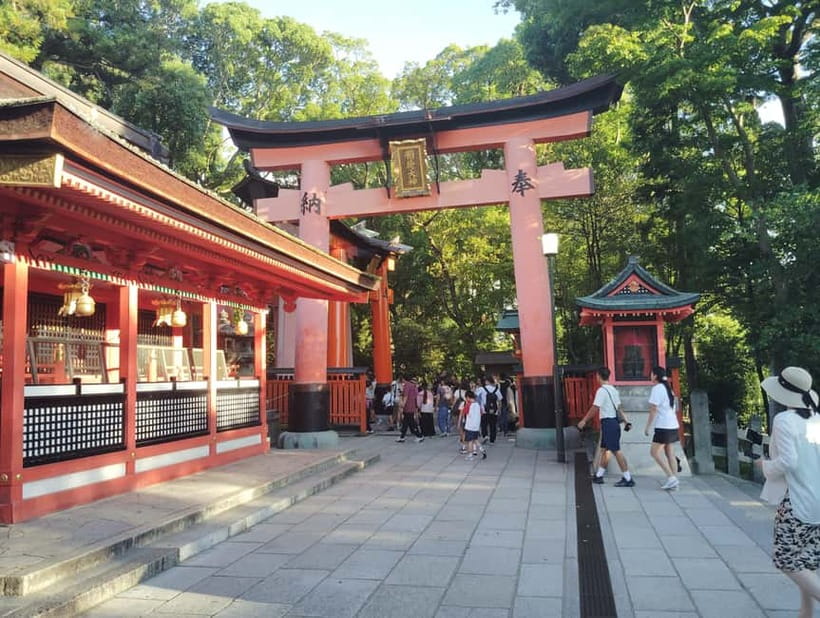
Reviewed · FUSHIMI INARI SHRINE TOURS
Kyoto: 1.5-Hour Guided Tour of Fushimi Inari Shrine
Fushimi Inari is busy, but this tour helps it click. I like having a guide explain what you are seeing at Fushimi Inari Taisha, not just watching torii gates blur past. You get a structured 90-minute route that brings the spiritual side into focus, with time to experience key spots and still head back to Inari Station feeling like you actually learned something.
Two things I especially liked were the stop at Okusha Back Shrine and the chance to take part in the Omokaruishi stone-lifting ritual. One possible drawback is that 90 minutes can feel short if you need extra pacing, like a bathroom break, so keep that timing in mind.
Key things to know before you go
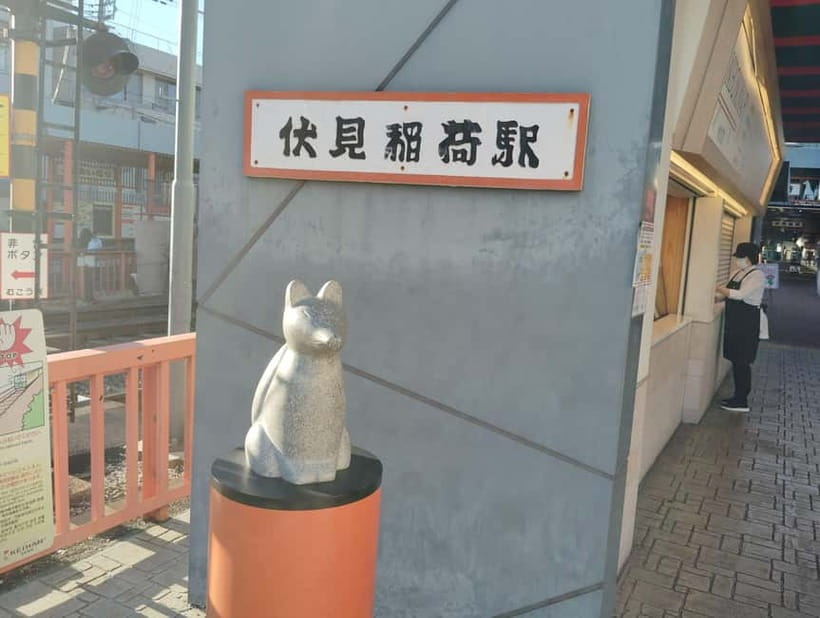
- Inari Station start point keeps the tour easy to find and low-stress
- Fushimi Inari Taisha main shrine route gives you the core experience with guidance
- Torii gates explained for historical meaning, not just photos
- Okusha Back Shrine adds a more personal spiritual stop
- Omokaruishi stone-lifting ritual lets you test your fortune in a simple, memorable way
- English-speaking local expert guide can also speak Japanese, and guides have been praised for clear cultural explanations
A 1.5-hour Fushimi Inari plan that respects your time
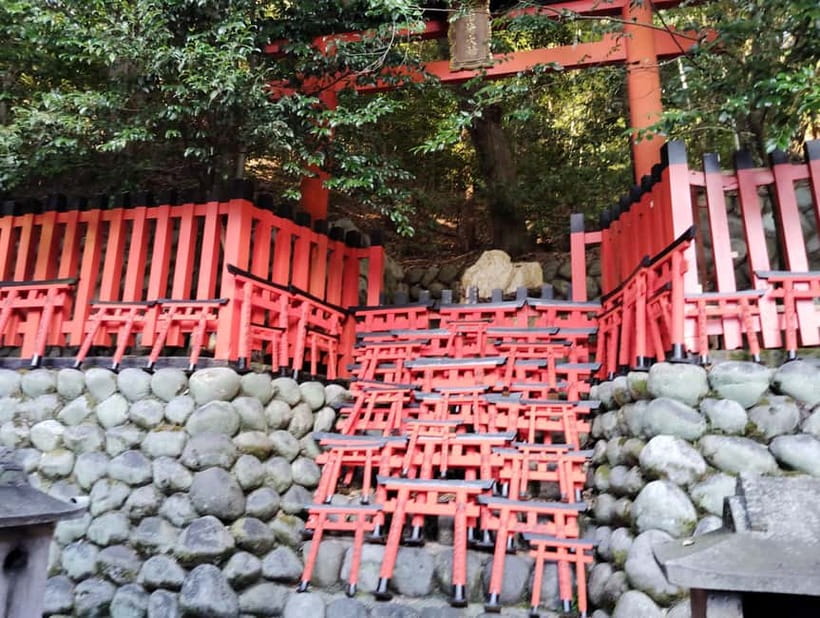
Kyoto hits you fast. Fushimi Inari Shrine is a top sight, and it can also feel like a blur if you go in without a plan. This tour keeps things tight on purpose: 90 minutes, guided, out and back to Inari Station.
That shorter format is the main trade-off. You will see the highlights, but you probably will not have the time to wander every side path at your own rhythm. If you like slow strolling, this is still worth it, but you may want to add extra time before or after the tour so you can linger where it feels right.
The upside is focus. You do not just walk through a famous tunnel of red gates. Your guide connects the big picture to the experience in front of you, so the shrine feels less like a sightseeing checklist.
You can also read our reviews of more guided tours in Kyoto


Where you meet: outside JR Inari Station with a bright sign
Logistics matter when a shrine day is already busy. Your guide meets you outside JR Inari Station, across from the main entrance, holding a bright yellow DeepExperience signboard. That is refreshingly straightforward, especially if you are navigating Kyoto transit for the first time.
Also, the guide is English speaking (and can speak Japanese too), so you are not stuck trying to piece things together from a phone app while crowds move around you.
Starting at Fushimi Inari Taisha: the shrine’s role in Kyoto life
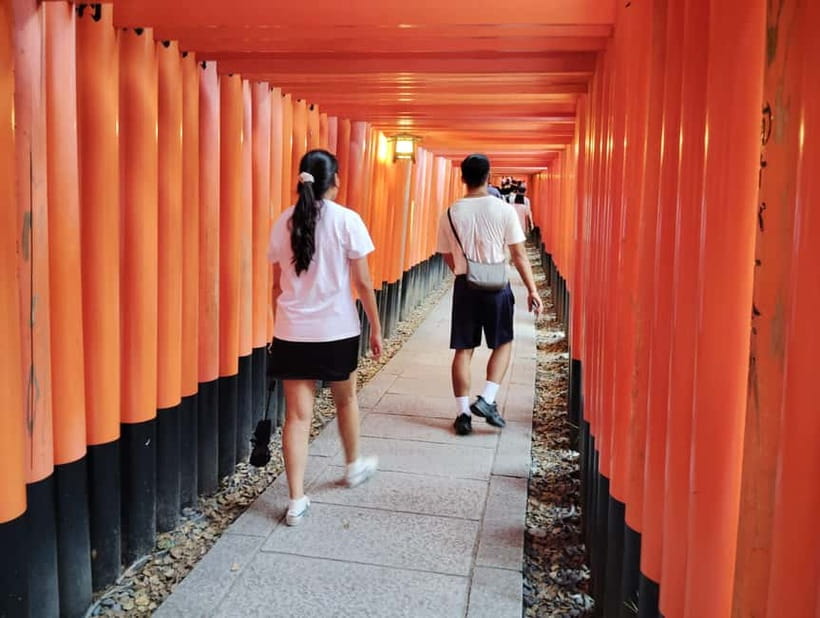
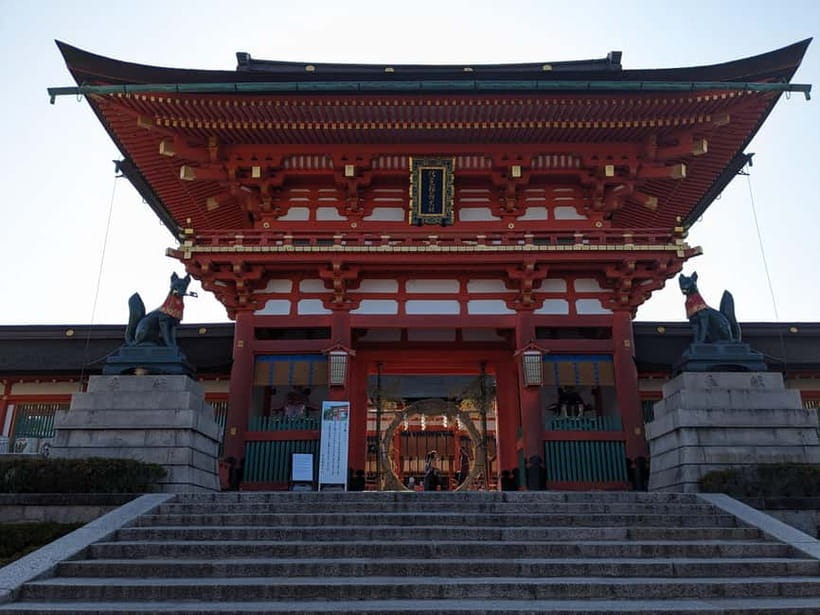
You begin at Fushimi Inari Taisha, and the tour starts you right at the heart of it. Fushimi Inari is tied to Inari, the god associated with rice and prosperity. That detail changes how you read the place as you walk in.
Instead of treating the torii gates as a visual theme park, you start seeing the site as a living religious space with long-standing meaning. When your guide explains what is going on, the shrine becomes easier to respect, and easier to understand.
I also like that the tour does not try to cram in every possible stop. It focuses on the main shrine experience first, then moves to quieter, more specific parts of the grounds.
Walking the iconic torii gates with historical context
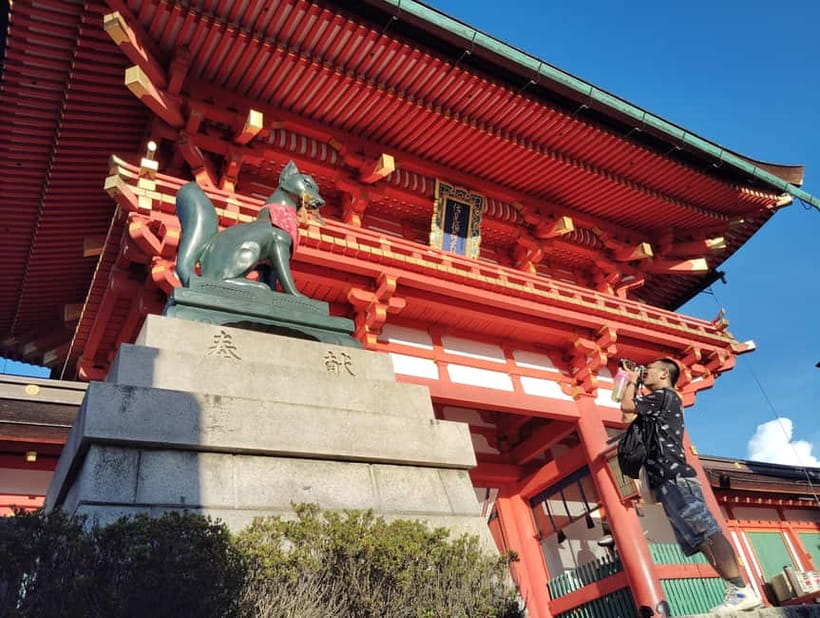
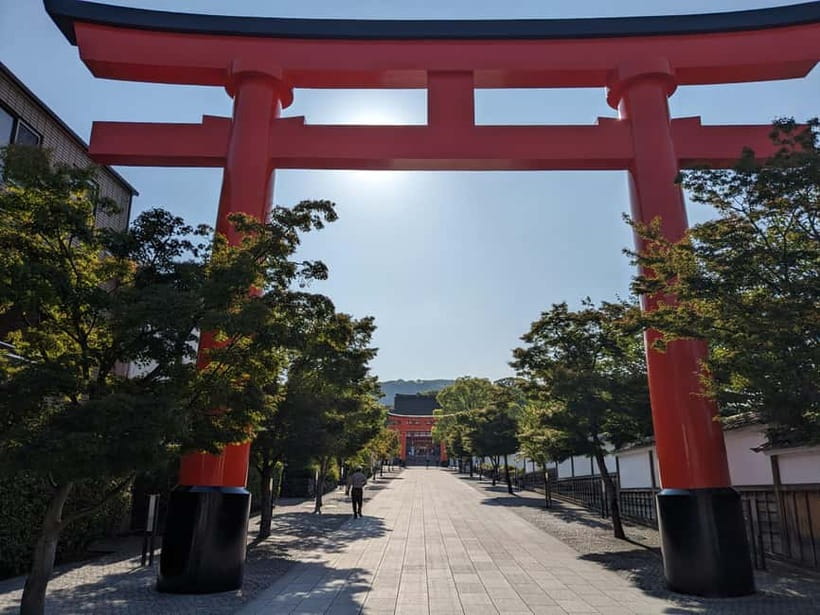
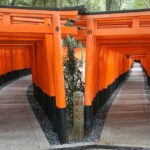
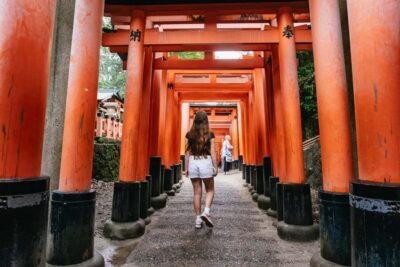
The famous pathway of thousands of red torii gates is why most people come. You will walk it on this tour, but the value is that you learn the historical significance as you go.
That matters more than it sounds. Without context, the route can feel like a repeat pattern. With context, each section becomes part of a story. You are still there for the visual impact, but you are also there for meaning.
This is where a guide earns the money. A local expert can point out what makes the approach special and explain why the torii gates are such a big deal in how people relate to the shrine.
And if photography is your thing, the tour is set up so you can capture the iconic scenes along the route without having to stop and figure out your own priorities. One guide on this tour, Yoshi, has been praised for photo results, which tells me the timing and sightlines are handled with care.
Okusha Back Shrine: the calmer side of Fushimi Inari
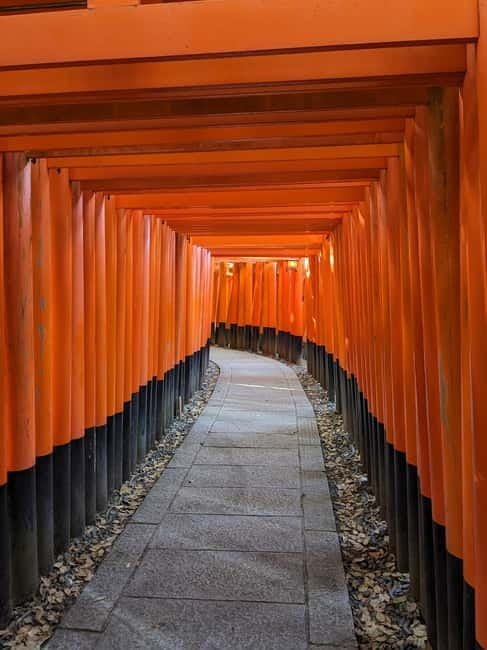
After the main shrine, the tour heads to Okusha Back Shrine. This is one of those shifts that makes the entire experience feel like more than a single long walkway.
The goal here is an intimate spiritual encounter. That is exactly what you want after walking the big, famous stretch. You get a different vibe, one that feels more personal and less performance-like.
I like the order of this plan. Doing the quieter stop after the busiest highlight means you are not mentally exhausted when you arrive. You can actually notice the change in atmosphere, and you can connect it to what your guide has been explaining.



The Omokaruishi stone-lifting ritual and your fortune
At Okusha Back Shrine, you get to participate in the Omokaruishi stone-lifting ritual. The idea is simple: you lift the stones as a way to test your fortune and reflect on what it reveals about your inner strength.
Even if you are not the type who usually gets pulled into ritual, this is a hands-on moment, not just a viewing stop. It is also short enough that it does not break the tour flow.
This is the moment where you feel most engaged with the place. You are not only learning about spirituality, you are stepping into a small tradition in real time.
If you go into it with a light, respectful attitude, you will probably find it more memorable than another photo opportunity.
What you get for $32: guide value on a short classic
At $32 per person for a 90-minute guided tour, the price is not trying to compete with a free self-guided walk. You are paying for something specific: an English-speaking local guide, a structured route, and guided explanations at the main shrine and at the quieter back area.
So the question is not whether you could walk there alone. You can. The question is whether you want someone to connect the dots while you are there.
For me, $32 feels fair when:
- You want the historical meaning of the torii gates, not just the look
- You care about understanding Kyoto’s spiritual culture in practical terms
- You want help prioritizing stops inside a site that can swallow time
If you are only after the red gates for photos and you do not care about meaning, you might feel the tour is too short for the price. That is the one drawback that matches the most common complaint: the tour can feel brief, and you may wish you had more time to wander.
Pacing and group size: plan for a tight but efficient loop
This tour runs for about 90 minutes and returns you to Inari Station. It is designed to keep the group moving through the most important parts. If you are with kids, or if you know you need flexibility, it helps to treat this as a highlight sprint, not a slow afternoon hike.
One practical tip from real-world experience: if you bring up bathroom breaks during busy times, you may feel the schedule pressure. The tour is short, so build in a little buffer before you start if that is a concern for your group.
On group type, the tour offers private or small groups. That is a nice option if you want fewer people around you while you listen to explanations or take part in the stone ritual.
Who should book this Fushimi Inari tour
I would book this if you:
- Want a guided explanation while you walk the torii gate path
- Prefer a structured 90-minute experience instead of getting lost in choices
- Like hands-on cultural moments, especially the Omokaruishi stone-lifting ritual
- Want to pair the main shrine with Okusha Back Shrine without having to figure out what matters
I might skip it if you:
- Want to spend hours roaming freely and you dislike set timing
- Are purely photo-driven and do not care about historical or cultural context
- Need lots of flexibility for breaks during the walk
Should you book this tour?
Yes, if you want the Fushimi Inari experience with meaning, not just motion. The guide-led explanations, the shift from main shrine to Okusha Back Shrine, and the chance to take part in the Omokaruishi ritual are the reasons this tour works, especially in a short window of time.
If you have the time to roam on your own too, consider booking this as your first pass. Use the tour to get oriented and learn what you are looking at, then spend extra time afterward where you feel drawn to linger.
FAQ
How long is the Kyoto Fushimi Inari guided tour?
It is 90 minutes.
Where is the meeting point?
Meet your guide outside JR Inari Station, across from the main entrance, holding a bright yellow DeepExperience signboard.
What languages are the guides?
The tour offers an English-speaking local expert guide, and the guide can also speak Japanese.
What will we see during the tour?
You visit Fushimi Inari Taisha, walk through the torii gates, go to Okusha Back Shrine, and take part in the Omokaruishi stone-lifting ritual.
Is there an option for private or small groups?
Yes, private or small groups are available.
How much does it cost?
The price is $32 per person.
Can I cancel if my plans change?
You can cancel up to 24 hours in advance for a full refund.
More Guided Tours in Kyoto



More Tours in Kyoto

More Tour Reviews in Kyoto
Not for you? Here's more nearby things to do in Kyoto we have reviewed










Fushimi Inari Shrine Tours, compared.
 ★ 4.8Fushimi Inari, Kinkakuji, Bamboo Grove 1 Day Bus TourFrom $1224,316 reviews
 ★ 5.0Fushimi Inari Hidden Hiking Tour (Private Option Available)From $631,750 reviews
 ★ 4.7Kyoto/Osaka: Nara, Fushimi Inari Taisha, Arashiyama Bus TourFrom $521,275 reviews
 ★ 4.4Osaka/Kyoto: Arashiyama, Nara & Fushimi Inari Shrine w/LunchFrom $61754 reviews
 ★ 4.7Nijo Castle, Kiyomizu & Fushimi Inari Guided TourFrom $54700 reviews
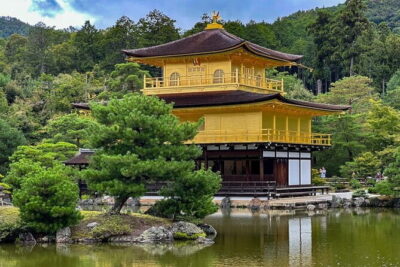 ★ 5.0Nijo, Kinkaku-ji, Arashiyama, Kiyomizu & Fushimi InariFrom $51699 reviews
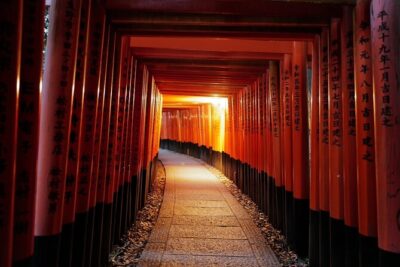 ★ 5.0Kyoto Fushimi-Inari Night Walking TourFrom $43320 reviews
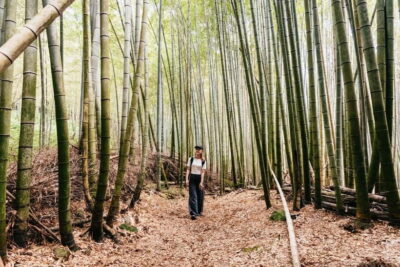 ★ 4.93-Hour Fushimi Inari Shrine Hidden Hiking TourFrom $72270 reviews
Browse the lists this tour appears in