
Reviewed · TICKETS
Kyoto Aquarium Admission Ticket
Dolphins move like genius. Kyoto Aquarium turns Kyoto’s connection to water and nature into a day you can actually linger in, from dolphin performances to a calm rural-themed exhibit. It sits in Umekoji Park, with forests and big lawns around you before you even step inside.
I especially like the way the aquarium makes you slow down for animal behavior, not just big set pieces. The penguins feel personal, and the giant giant salamanders come with that rare, ancient wow factor. If you’re curious about breeding and conservation, the breeding staff are the kind of people you can ask questions of.
One consideration: the ticket is non-refundable, and there is no re-entry once you’re in. So plan your timing well if you’re also juggling other Kyoto stops.
Key things I’d build my day around
- Dolphin performances that highlight speed and intelligence, not just tricks
- Penguin viewing and interaction time that lets you notice individual personality
- Rare giant salamanders in a dedicated exhibit that feels serious and special
- Satoyama rural setting that focuses on coexistence, shaped by Kyoto’s water blessings
- Jellyfish aquariums that many people list as a top favorite, with seals close behind
- An excellent souvenir shop that’s worth a detour at the end
Kyoto Aquarium in Umekoji Park: A Calm Place to Start
Kyoto Aquarium is set in Umekoji Park, which matters more than you might think. Before you even reach the exhibits, you get that open-air rhythm: green trees, wide lawns, and a quieter mood than the street-level bustle you can get in central Kyoto. It’s a good match for an aquarium that leans into nature, not just spectacle.
The overall design also supports a slower visit. You are not just walking past tanks in a hurry. You’re moving through different themed areas, including one devoted to an ancient amphibian and another recreating a traditional satoyama rural setting. That gives you natural decision points as you plan your route.
This is also a place where curiosity pays off. If you have a specific animal you’re interested in, you can ask the aquarium staff, especially the breeding team, for insights. I like that the questions are encouraged, and the tone is described as heartfelt and passionate rather than purely procedural.
More Kyoto temple visits, food tours, tea experiences, and day trips to compare

Dolphin Performances and Penguin Personality: Your First Real Payoff
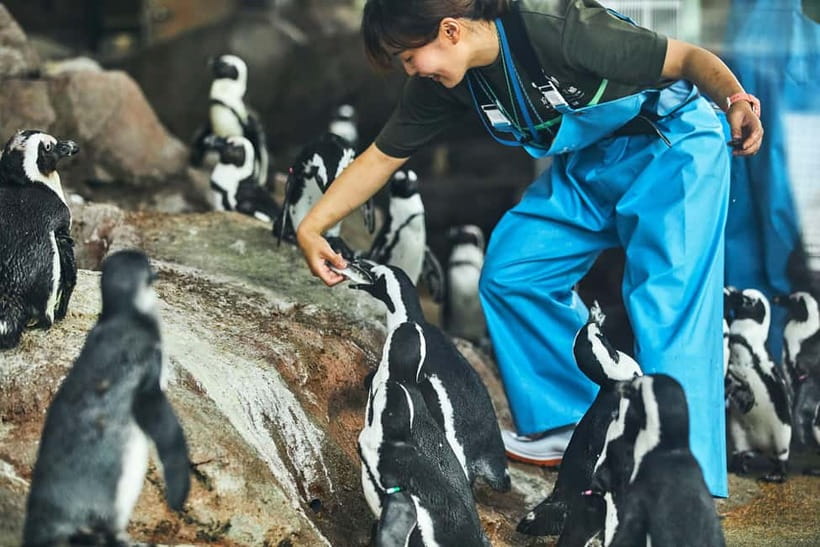
The big crowd-pleaser here is the dolphin show. The focus is not random entertainment, it is agility and intelligence, and that combo is what keeps you watching even when you think you’ve already seen enough. Dolphins move with a kind of precision that makes you pay attention to how they use the water.
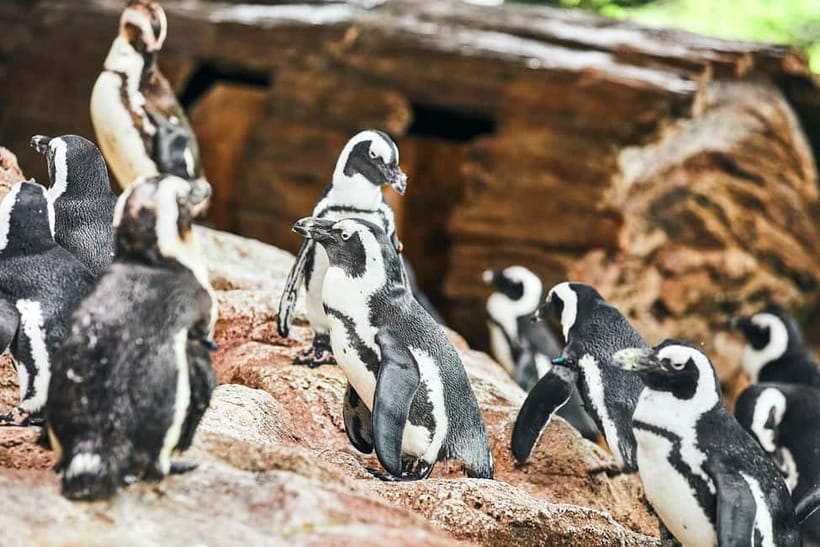
Then there are the penguins. The aquarium highlights that you can observe them in a way that feels more than just distant viewing. You’ll likely notice different personalities between individuals, which turns your time there into a mini game: can you spot which ones are curious, bold, or slow and deliberate?
Practical tip: plan to catch these highlights without turning your day into a sprint. Aquarium performances and animal activity areas can pull you off schedule because you keep wanting one more look. If you only have a short attention span, decide in advance which show matters most to you, then build around it.
Giant Salamanders: Meeting an Ancient Animal With Real Meaning
The giant salamander exhibit is one of the strongest reasons to choose Kyoto Aquarium over a quick sightseeing stop. Giant salamanders have that rare quality of feeling both ancient and intensely real, like you are watching a survivor rather than a mascot. The aquarium keeps them in a dedicated area, which signals that they’re not an afterthought.
If you care about animal conservation themes, this exhibit lands well alongside the aquarium’s broader focus on coexistence and water blessings in Kyoto. It’s easier to feel the topic when you’re staring at an animal that looks like it belongs to long timelines.
One more thing: the salamander emphasis pairs nicely with the rest of the day. After dolphins and penguins, it’s a reset. You shift from motion and behavior on the move to a slower, steadier kind of attention.
If you are traveling with kids, this is the kind of moment that can stick in their memory. For grown-ups, it’s a reminder to slow down and actually watch.
The Recreated Satoyama Rural Setting: How Kyoto People Coexisted
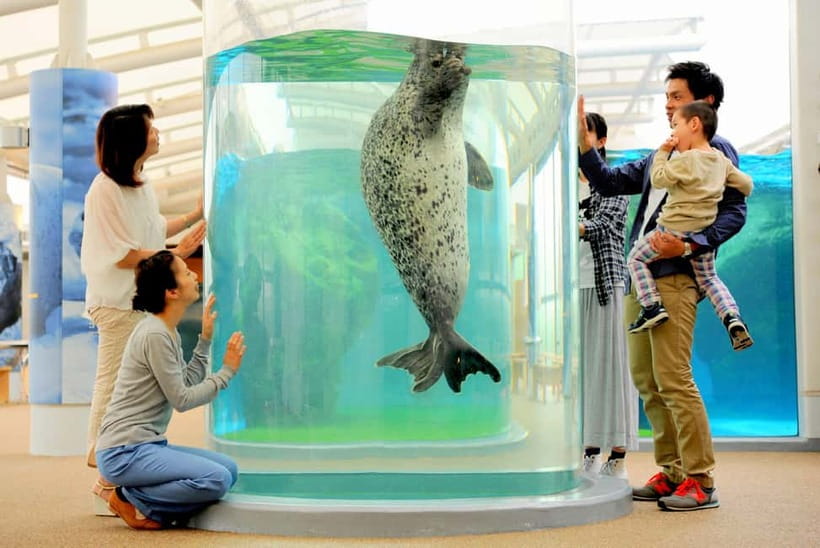
Kyoto Aquarium includes a recreated traditional Japanese satoyama rural setting, which is a smart idea for an aquarium. It ties the animal world to how people have lived with natural systems, especially where water and everyday life overlap. It’s not just decoration, it supports the aquarium’s central theme of coexistence.
I like the way this kind of exhibit changes the emotional temperature of your visit. In many aquariums, everything is indoors and engineered. Here, the satoyama recreation frames the animals within a broader human-nature relationship, so you leave with more than the usual animal photos.
This also helps if you are not a hardcore aquarium person. You still get value from learning how Kyoto’s water blessings show up as a theme, connecting the idea of living creatures to the environments that sustain them. It gives your visit context, which makes the day feel purposeful, not random.
Jellyfish Tanks and Seals: The Ones That Catch People Off Guard
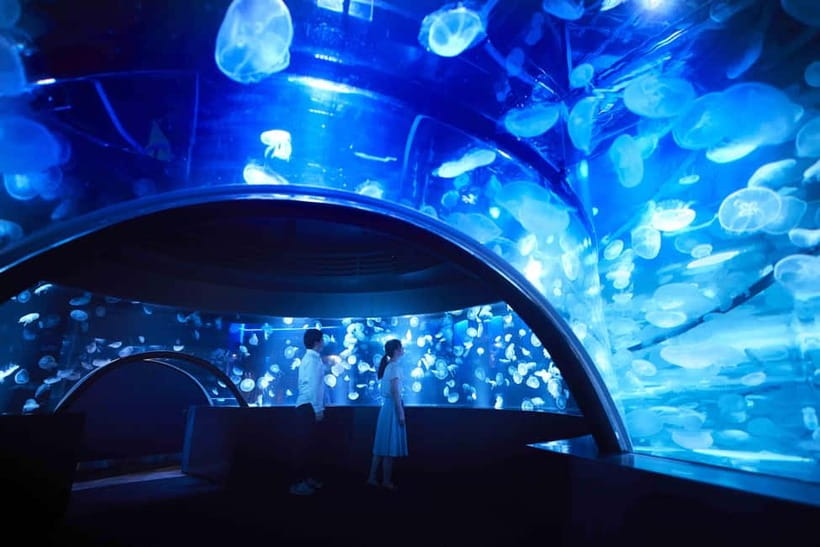
One of the most mentioned favorites is the jellyfish aquarium area. It’s the kind of exhibit where the best experience comes from quiet observation, not constant movement. If you’ve never watched jellyfish long enough to see their rhythms, you will likely get that moment here.
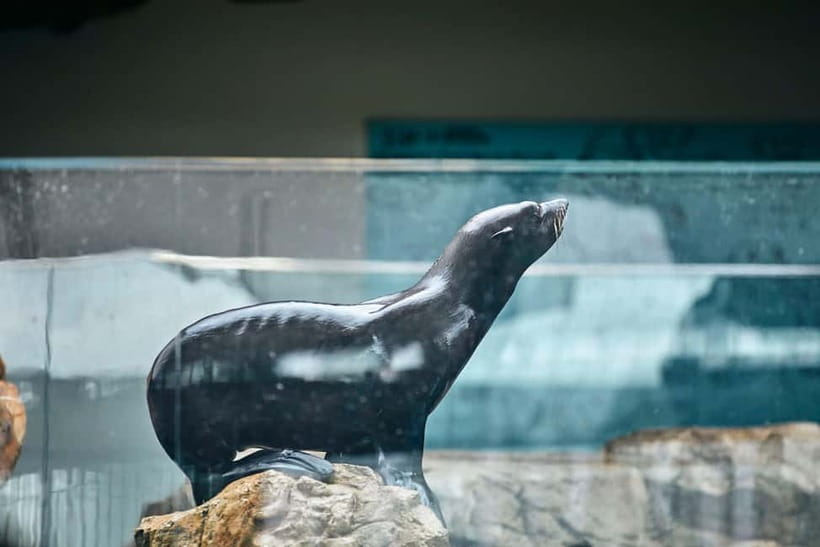
Seals also get a strong nod as a close second favorite. That matters because it signals this aquarium does more than just one signature show. You can build a day around animal highlights, then still find “calm wow” moments when you slow your pace.
I’d treat these as your flexible time. If the dolphin or penguin parts of the day run late, you can usually reset your momentum with jellyfish and seal viewing. They are also good breaks, especially if you’re traveling with families or anyone who gets tired in long indoor stretches.


How Long You Should Plan for This Day Ticket
The ticket is valid for one day, and you can check availability to see starting times. That sounds simple, but in practice you should plan for a visit that takes longer than you initially think. The experience has multiple sections, including performances, dedicated species areas, and themed environments like the satoyama recreation.
A good rule: arrive with a realistic mindset that you may spend more time than you planned. One review described starting out thinking it would only be a couple hours, then stretching it into a longer visit because there was simply too much to see. That matches how aquariums work when the exhibits are thoughtfully grouped.
If you want to manage energy levels, build your day around three anchors: a performance (dolphins), a behavior-heavy species area (penguins), and a slower exhibit where you can take your time (giant salamanders and jellyfish). Then fill in the rest as you go.
Price and Value: Is $16 a Good Deal?
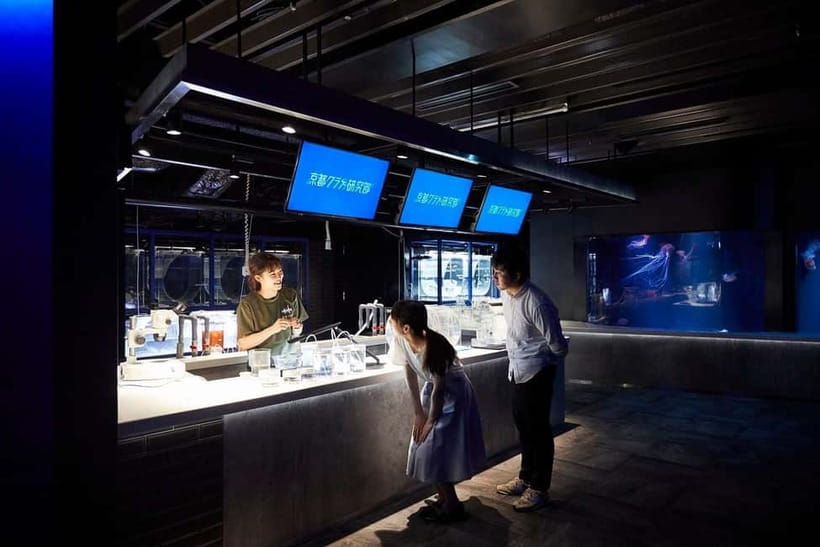
At about $16 per person, Kyoto Aquarium is priced in a way that feels approachable for a full-day experience. You’re not paying for one show and a quick loop. You’re paying for a mix of animal exhibits, performances, and themed areas that keep your time from feeling repetitive.
Value depends on what you want from the day:
- If you love animal behavior, dolphin and penguin viewing are big wins.
- If you like unusual species, the giant salamander exhibit makes the ticket feel “specific,” not generic.
- If you want a quieter, aesthetic stop, the jellyfish tanks and seals add variety.
Also, the aquarium has an excellent souvenir shop, which matters because it gives you an easy closing ritual. A lot of visitors appreciate that the shop feels worth your time rather than like an obligatory checkout line.
One more value note: shipping your energy well is part of the ticket’s worth. If you go in tired, you may miss the details that make this place feel special. If you go in curious, the day tends to reward you.
Photo Rules, Pet Rules, and Other On-the-Ground Tips
Here’s what you need to know so the visit stays smooth.
Photography is allowed, including camera and video shooting. The rule is to avoid flash photography inside the building, for biological protection. So plan for good indoor lighting settings rather than relying on bursts of flash.
Pets are not allowed inside the building. Assistance dogs such as guide dogs can be accompanied, so plan accordingly if that applies to you.
Re-entry is not possible. That means if you step out for anything, you should be sure you’re done with the aquarium before leaving. It’s a common surprise for people who planned a quick mid-visit break elsewhere in the park.
Wheelchair accessibility is available, which is helpful for planning a comfortable route through the indoor areas. If you’re using mobility support, you’ll likely appreciate having clear paths and a one-day ticket that lets you move at your pace.
Who Should Book Kyoto Aquarium (And Who Might Skip It)
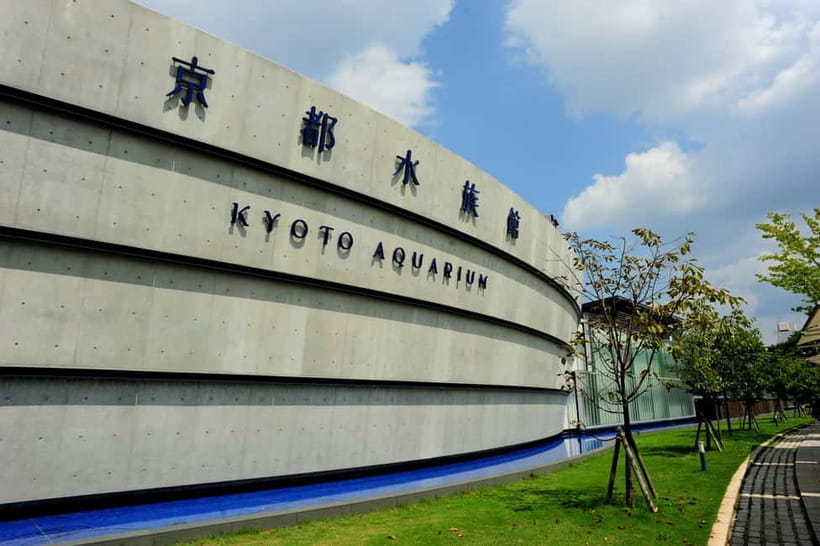
This is a strong fit if you want a family-friendly day in Kyoto that feels educational without being dry. Dolphins, penguins, giant salamanders, and jellyfish are easy entry points for kids and adults alike.
It also works well if you’re the type of traveler who likes animal behavior and asking questions. The aquarium staff, especially the breeding team, are positioned as people who can share real information when you’re genuinely interested. That can turn your visit into something more personal.
You might skip or reconsider if you hate indoor time or you only have a tight schedule with no room for wandering. Even though the ticket is one day, the experience is structured in a way that encourages staying longer, not speed-running.
Should You Book Kyoto Aquarium Admission?
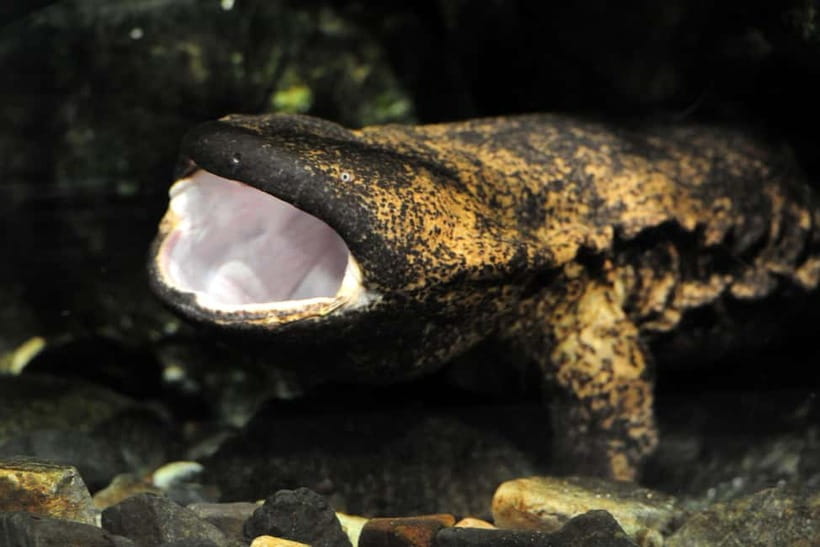
Yes, I’d book it if your trip includes a day you can spend in Umekoji Park, and if you enjoy animals more than checklist sightseeing. The dolphin performances and penguin viewing give you the high-energy moments, while the giant salamanders and jellyfish tanks deliver the slower, unforgettable kind of watching.
Think of the satoyama recreation as the bonus layer. It’s not the reason most people buy the ticket, but it adds meaning and variety, so the day feels more connected to Kyoto than just a set of tanks.
If you can handle the no re-entry rule and you’re okay with a non-refundable ticket, Kyoto Aquarium is a solid value at $16 and a visit you’ll likely remember for the animals that feel rare, not routine.
FAQ
How much is the Kyoto Aquarium admission ticket?
The price is $16 per person.
Is the ticket valid for more than one day?
No. The ticket is valid for 1 day.
Can I take photos or videos inside the aquarium?
Camera and video shooting are possible, but you should refrain from flash photography inside the building.
Are pets allowed in Kyoto Aquarium?
Pets cannot be brought into the building. Assistance dogs such as guide dogs can be accompanied.
Can I leave and come back later the same day?
No. Re-entry is not possible.
Can I get a refund if my plans change?
The activity is non-refundable.
Is Kyoto Aquarium wheelchair accessible?
Yes, it is wheelchair accessible.
More Tickets in Kyoto


More Tour Reviews in Kyoto

Not for you? Here's more nearby things to do in Kyoto we have reviewed







Tickets, compared.
 ★ 3.9Hop-on Hop-off Sightseeing Bus TicketFrom $272,034 reviews
 ★ 4.7Osaka/Kyoto: Hiroshima Miyajima Bus Tour & Shinkansen TicketFrom $277919 reviews
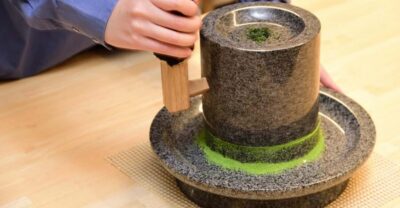 ★ 4.9Tea Museum Tickets and Matcha Grinding ExperienceFrom $23739 reviews
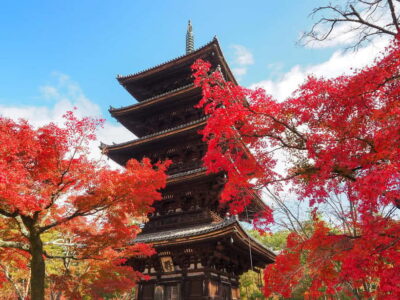 ★ 4.2Ninnaji Temple Entry TicketFrom $5650 reviews
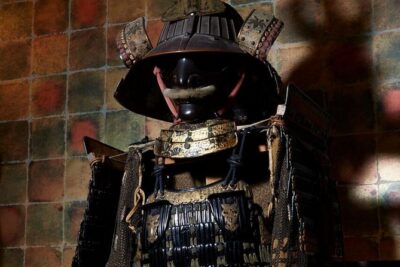 ★ 4.5Skip the lines Basic Ticket at SAMURAI NINJA MUSEUM KYOTOFrom $28632 reviews
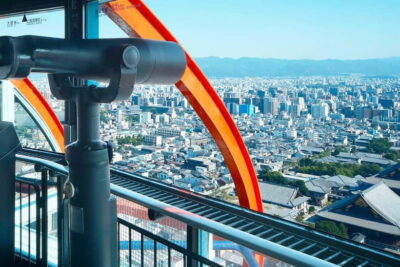 ★ 4.5Nidec Kyoto Tower Observation Deck Admission TicketFrom $5273 reviews
 ★ 4.9Non-Verbal Theatre Show Tickets at GEARFrom $46198 reviews
 ★ 4.5Kyoto Sword Experience – includes Museum Ticket/Ninja ExperienceFrom $83149 reviews