
Reviewed · SHOW
Kyoto: Non-Verbal Theatre Show Tickets at GEAR
GEAR is one of those Kyoto nights where your brain forgets language. You sit in a small 1928 theatre and watch a high-energy, non-verbal story unfold through expressive acting and stage tricks. I love how close the performance feels, and I also think the main thing to plan for is the small seats.
Second time or first time, the show lands because it tells a simple, emotional story without a single line of dialogue. You’ll get a future toy-factory setting, robot workers, and a doll that comes to life, all built with kabuki-inspired stagecraft plus today’s tech. My only drawback: since you cannot choose your seat number, you’ll want to arrive early so you can settle in comfortably.
Key Points That Make GEAR Worth Your Evening
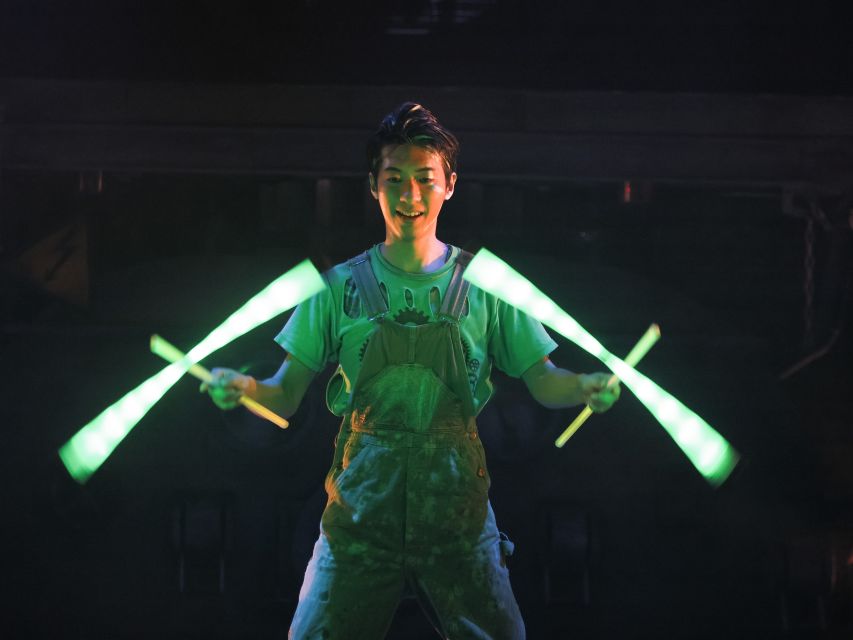
- A silent show that still tells a full story, so you never need translations
- Small 72-seat room in an old 1928 building, which makes the experience feel intense and close
- Tech plus classic theatre moves, with stage effects drawn from kabuki performance traditions
- A human theme about touch and connection, delivered through physical acting, mime, and dance
- Action-heavy variety like dancing, magic-style moments, juggling, and playful physical comedy
GEAR in Kyoto, a silent show inside a 1928 theatre
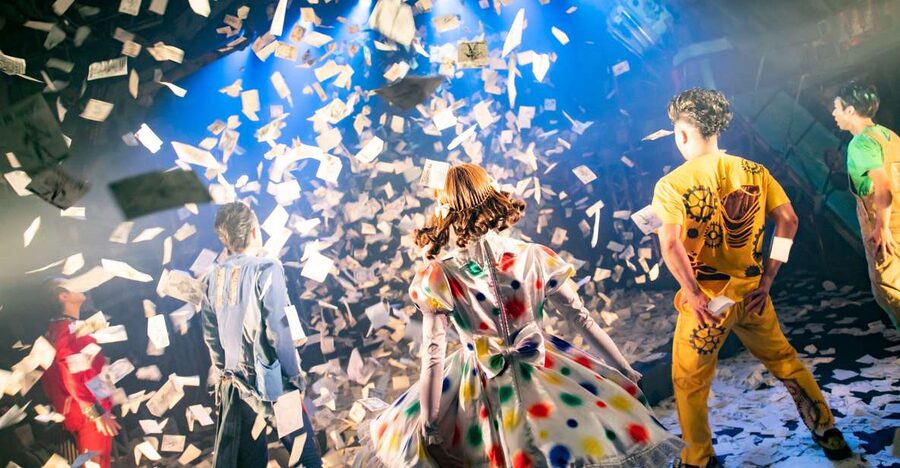
GEAR is a non-verbal theatre performance set in Honshu, and Kyoto is where this show feels especially right. The venue is in an older building built in 1928, with only 72 seats. That small scale changes how theatre works. Instead of watching from far away, you’re close enough to notice how performers shape every movement for the story.
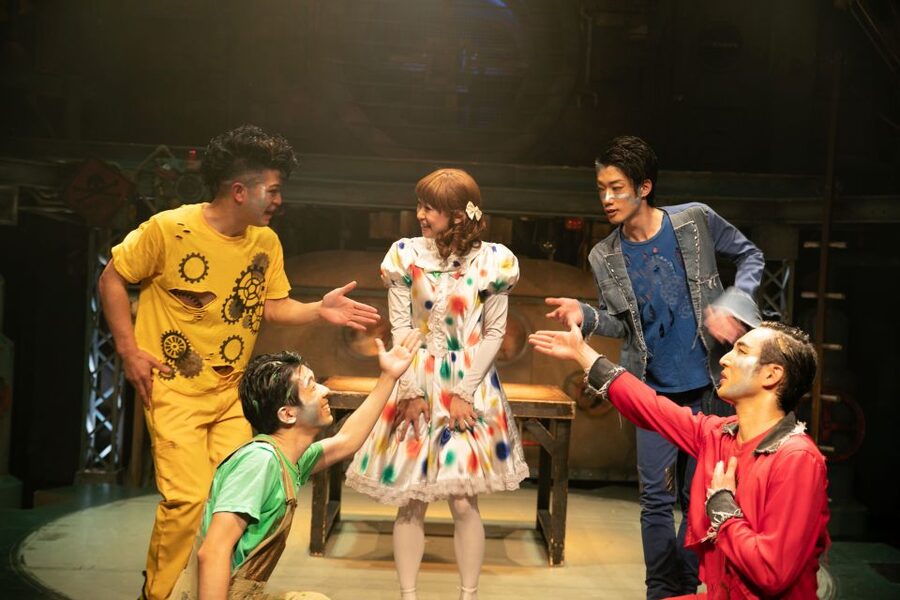
The basic premise is easy to follow, even without words. The show is set in a broken toy factory in the future. Robot workers encounter a doll that comes to life, and the characters take you on a journey to discover what makes them feel human.
If you like theatre that uses your imagination, you’ll enjoy how much gets communicated through bodies, props, music, and lighting. The show is also long-running, with a ten-year presence that has built its reputation for wide appeal, from overseas visitors to retired audiences and even very young kids (with one important age limit).
More Kyoto temple visits, food tours, tea experiences, and day trips to compare

Price and value at about $46 for 90 minutes of theatre
At around $46 per person for an S-seat, this is not a cheap throwaway activity. But it is also not overpriced in terms of what you get: a full 90-minute show that mixes live performance, stage effects, sound design, and a narrative you can follow without language.
Here’s why I think the value is strong for many visitors:
- You’re buying clarity. With no dialogue, you do not miss plot points because of Japanese language.
- You’re buying craft. The show blends high-tech stage effects with acting and staging techniques linked to kabuki traditions.
- You’re buying intimacy. The 72-seat capacity means you tend to feel part of the action rather than watching it from the ceiling.
If you’ve got limited evenings in Kyoto and you want one activity that works for mixed-age groups, this is often a smart pick. You can plan a meal before or after, then put your energy into the show.
Getting there and settling in, arrive before doors open
Meeting point is simply GEAR /Non-verbal theatre. The door schedule matters: the venue opens 30 minutes before the show starts. That early window is useful because you’ll need time to find your way inside the older building, get seated, and get settled before the action begins.
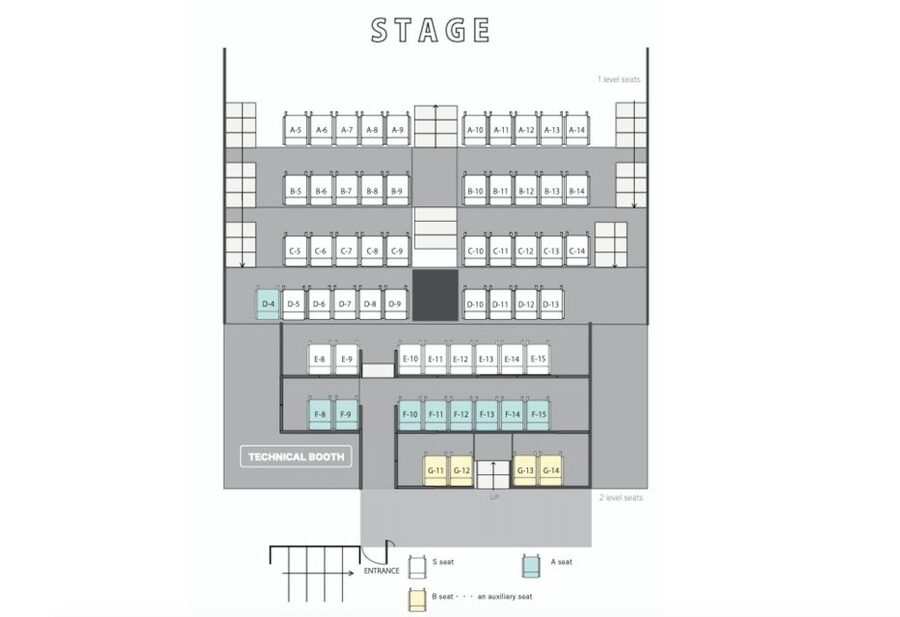
One detail that you should not ignore is the seat size. Each seat is about 18 by 18 inches, and seating is limited. You also cannot select your seat number, even though you’ll be assigned an S-seat.
Because of this, I recommend a simple strategy: arrive with enough buffer time to comfortably settle in, then spend the rest of your time focused on the show rather than fussing with your seating. Also remember that eat and drink is prohibited inside the theatre, so plan snacks and drinks around your arrival time.
Your first 10 minutes, how the show grabs attention
GEAR runs for about 90 minutes, and it wastes very little time grabbing your attention. The early part is usually about setting the tone: future-factory visuals, robot characters working their world, and a sudden shift when the doll becomes more than an object.
Since it is non-verbal, the show does not rely on dialogue to explain relationships. Instead, performers make the story readable with acting choices that are clear even if you’ve never seen anything like this before. Music and sound design guide you through mood changes. Movement and spacing tell you who is curious, who is in charge, and who is scared.
One of the best things about going in is that you can treat the show like a puzzle with feelings. If you don’t overthink it, the narrative tends to click fast.
The story setup, robots meet a doll that changes everything
The story is set in a broken toy factory in the future. Robot workers are doing their jobs, but something is missing. Then a doll comes to life, and that moment opens the door to a theme the show returns to again and again: the power of touch and connection.
I like that the story is both playful and emotional. It’s not just comedy and effects. There’s a genuine attempt to get you thinking about humanity, even though the characters are robots and toys. The show’s theme makes sense because physical acting is the whole language here.
Expect a journey rather than a single gag string. The characters evolve, and your empathy grows as their behavior shifts. The best part is that you don’t need to understand Japanese to feel the emotional beats.
More Kyoto temple visits, food tours, tea experiences, and day trips to compare



Up close stage magic, kabuki-style skill with modern tech
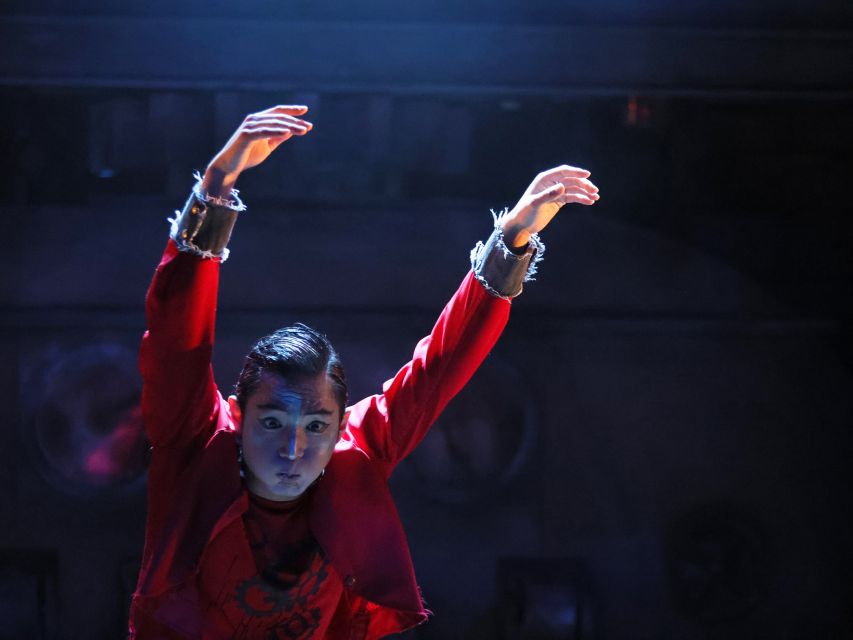
The show’s stage design is a big reason people keep coming back. It feels realistic, built with tricks and effects that work as more than background. The set and props actively interact with performers, and the audience is close enough to see how the illusions are achieved.
The production draws on kabuki theatre stage and acting techniques, then pairs them with modern technology. In practical terms, that means you get dramatic physical expression plus technical cues like lighting changes, sound accents, and effects that heighten transitions in the story.
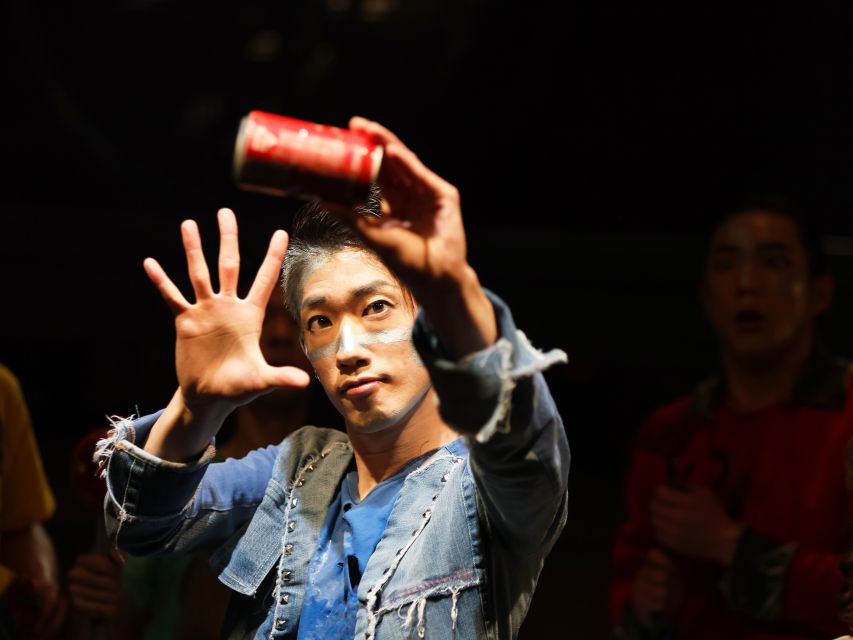
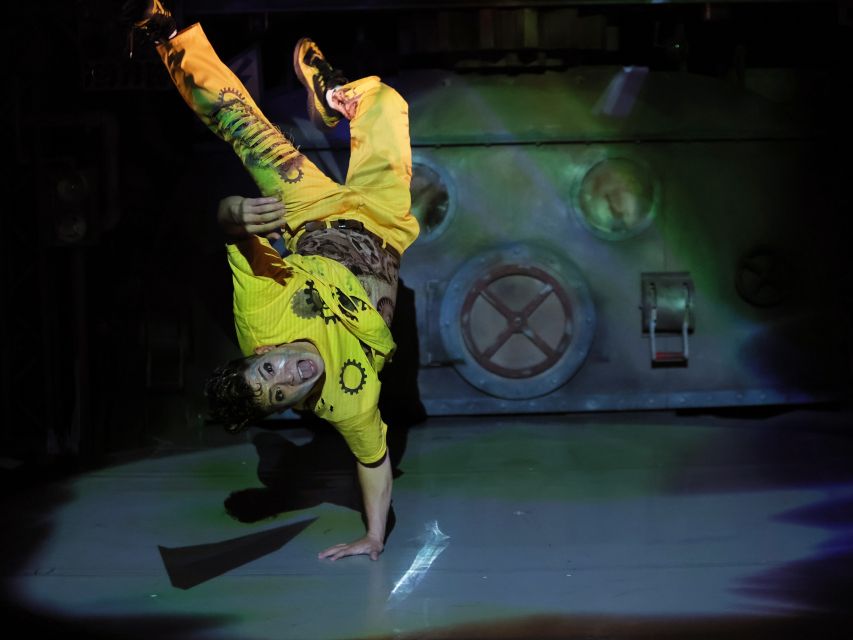
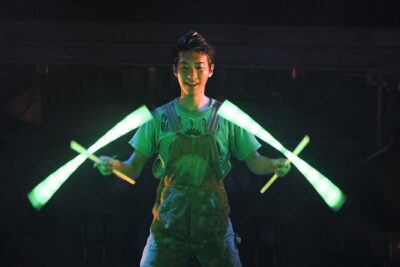
From the performances, you should expect variety. The action can include dancing, expressive mime, playful magic-style moments, juggling, and fast physical comedy. One thing I really appreciate about the performers is precision. In a silent show, precision is how the story stays clear.
Also note: the show can feel slightly different depending on when you see it. That matters if you’re traveling with someone who loves doing repeat activities, because it is not always the exact same ride every time.
What silence changes, you watch with your whole body
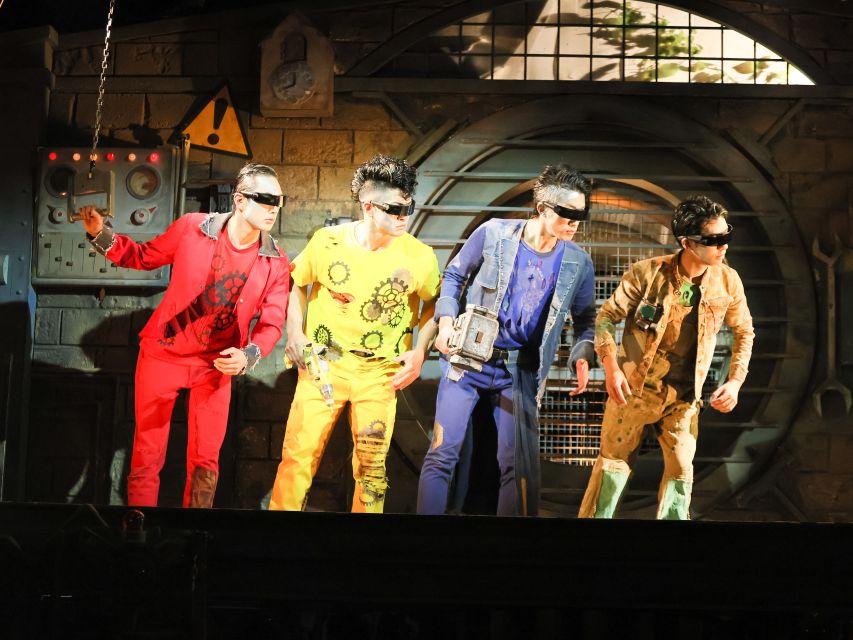
A lot of theatre depends on language. Here, silence becomes the point. You end up watching with more than your eyes. You pay attention to gesture, facial expression, pacing, and how performers occupy the space.
This is why the show works for mixed groups. You do not need translation. You can follow through action and emotion. If you’re traveling with kids, it’s a relief to have a plan where attention does not depend on understanding words.
The comedy also lands because physical humor is universal. There are moments that can make you laugh, and other moments that tug at something softer. One of the most consistent feelings people describe is laughing and clapping while the story still finds a way to get emotional.
Small seats, big experience, what to consider before you book
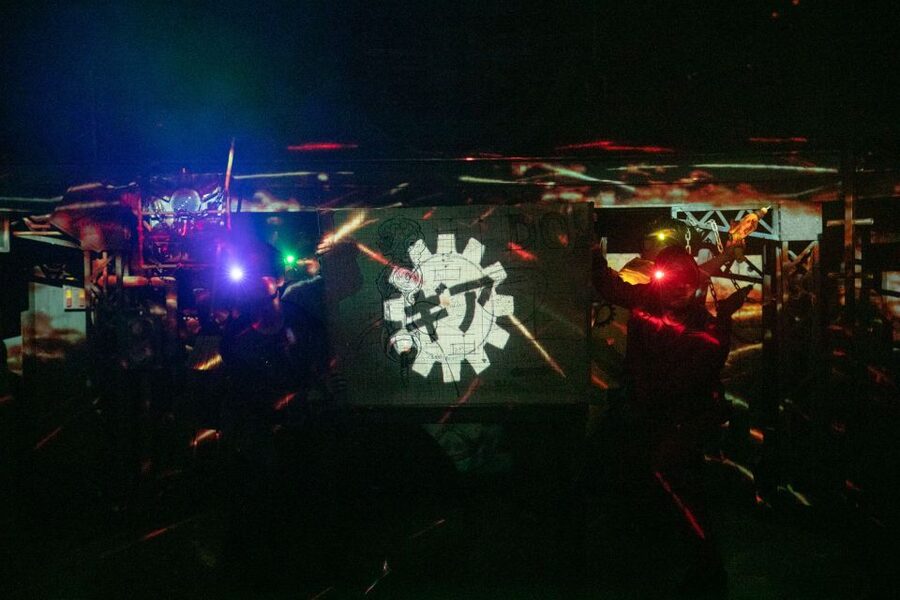
Let’s be honest: the seats are small. At roughly 18 by 18 inches, you’ll want to think about comfort if you have a longer body frame or you’re not used to tight seating. Also, since seat numbers can’t be selected, you can’t strategize for the most comfortable position ahead of time.
Another practical consideration is the theatre’s limited capacity. Only 72 seats means you should not treat this like a flexible last-minute idea if your schedule is tight. Plan your Kyoto day so you can reach the venue in time for the opening.
Finally, eat and drink are not allowed inside, so keep your pre-show plan simple. Have dinner before you go, then give yourself time to settle in when the doors open.
Who should see GEAR, and who might prefer something else
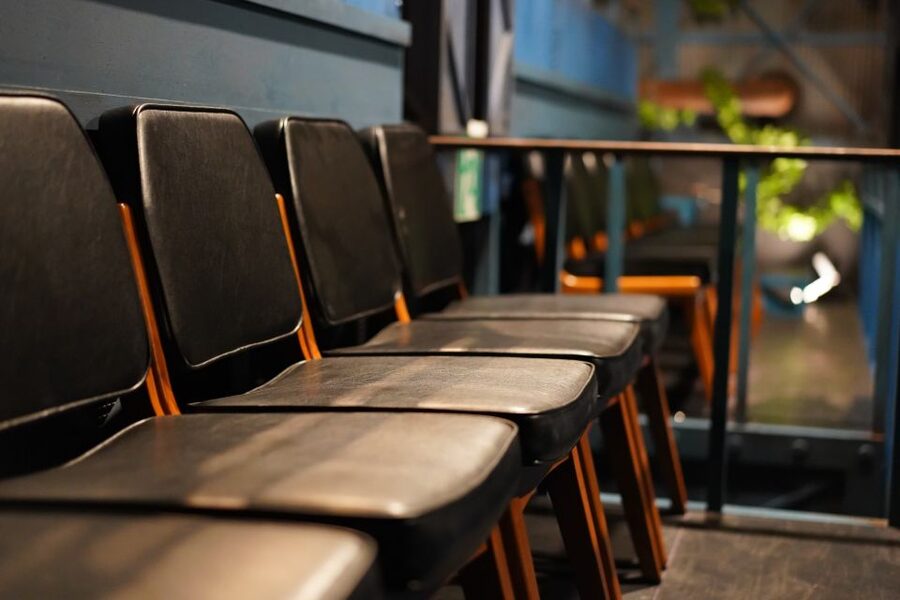
This show is a great match if you want a Kyoto activity that cuts through language barriers and delivers high-energy entertainment. It also fits well if you like theatre that blends physical performance with effects.
You’ll likely enjoy it if you:
- like dance, mime, and physical comedy
- want an emotional story without needing subtitles
- are traveling with a group that includes different ages
There’s one hard limit: kids under 4 are not allowed. If you’re traveling with small children, double-check age before you commit.
If you strongly prefer traditional Japanese performing arts only, you might find that GEAR feels more contemporary because it combines modern technology with older stage techniques. Some people love that contrast, others want more of a classic vibe. Still, the acting skill and stage craft are the core of the show either way.
Should you book GEAR in Kyoto?
I’d book it if you want one confident evening plan that works for language-free enjoyment and you’re excited by physical theatre. The S-seat price around $46 can feel reasonable once you remember you’re paying for 90 minutes of story-driven performances plus intricate stage effects in a small room where you’re close to the action.
If you’re sensitive about seat comfort or you hate being stuck without seat selection, plan carefully. Arrive early, manage your expectations about tight seating, and treat it like a close-up show experience rather than a long-stay comfortable theatre night.
My practical call: if your Kyoto itinerary has room for one memorable, non-verbal performance, GEAR is one of the easiest “yes” decisions you can make.
FAQ
Where is the meeting point for GEAR?
Please go to GEAR /Non-verbal theatre.
How long is the show?
The show duration is 90 minutes.
What time do the doors open?
Doors open 30 minutes before the show starts.
Is the show spoken, or is it non-verbal?
It is a non-verbal theatre show, meaning it tells the story without speaking dialogue.
Are kids allowed?
Kids under 4 years old are not allowed in the theatre for security reasons.
Is food and drink allowed in the theatre?
No, eat and drink is prohibited in the theatre.
What seat types are available?
Currently only S (Premium) seat is available on sale.
Can I choose my seat number?
No, you cannot select seat numbers due to limited seating.
How many seats are in the venue?
The venue has limited capacity with 72 seats.
More Shows & Entertainment in Kyoto
More Tickets in Kyoto

More Tour Reviews in Kyoto



Not for you? Here's more nearby things to do in Kyoto we have reviewed









Show, compared.
 ★ 5.0Kyoto Gion Cultural Walk & Geisha Show with Dining OptionsFrom $108518 reviews
★ 5.0Kyoto Gion Cultural Walk & Geisha Show with Dining OptionsFrom $121483 reviews
★ 5.0Kyoto Gion Cultural Walk & Geisha Show with Dining OptionsFrom $108518 reviews
★ 5.0Kyoto Gion Cultural Walk & Geisha Show with Dining OptionsFrom $121483 reviews
 ★ 5.01 Hour Geisha Show in KyotoFrom $79452 reviews
 ★ 4.5Samurai Kenbu Traditional Sword Dancing ShowFrom $32426 reviews
 ★ 4.8Meet-and-Greet, Maiko Show and ExperienceFrom $44286 reviews
 ★ 5.0Show Tickets at Non-Verbal Theatre GEARFrom $47133 reviews
 ★ 5.0The Art of Geisha: Exclusive Show & Gion Walking TourFrom $124129 reviews
 ★ 5.0Gion Walking Tour, Geisha Show and Japanese Game in KyotoFrom $10865 reviews