
Reviewed · ARASHIYAMA & BAMBOO GROVE TOURS
Kyoto: Arashiyama Walking Tour with Local Guide
Arashiyama looks like a postcard up close. This English walking tour strings together the bamboo forest and standout temple moments with an official-style guide, plus a calm finish at Togetsu-kyo Bridge.
I especially like how the route focuses on a few places, not a scattershot day. You get to Hogon-in Temple with clear guidance about Zen gardens, and the narration helps you notice details most people walk past.
One thing to consider: it is a walking tour of about two hours, and train fare to Arashiyama is not included, so plan for comfortable shoes and a little extra transit budgeting.
Key Points You’ll Remember
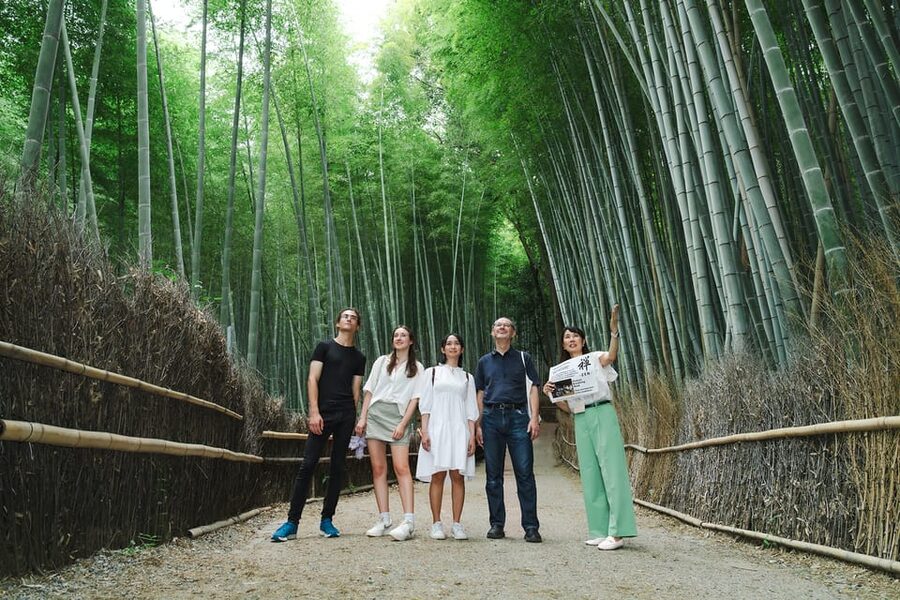
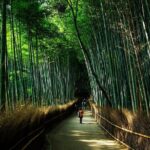
- Bamboo forest tunnel walking: sunlit slats through the trees make great photos, and you’ll know where to slow down.
- Hogon-in Temple Zen garden focus: you get guided context so the garden design makes sense, not just looks pretty.
- A certified city guide in English: explanations stay practical and grounded in Kyoto customs.
- Togetsu-kyo Bridge finale: an easy riverside stroll to close out the route.
- Short, efficient format: about two hours, designed for people who want highlights without overextending.
Arashiyama in Two Hours, With a Real Guide
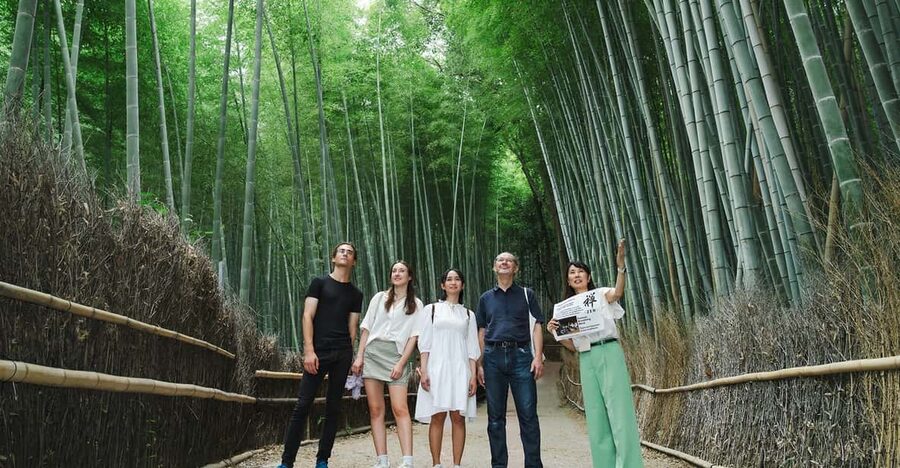
Arashiyama is one of those Kyoto areas where you can get lost in the scenery, and not learn much while you are there. This tour helps you slow down in the right places, while still keeping the whole outing to around two hours. That time window matters in Kyoto, because you can pair it with other stops later instead of losing an entire day.
You also get an English tour, run by the Kyoto City Tourism Association, and led by certified guides. The point is simple: you are not just walking from one photo spot to another. You are learning what you are looking at, especially around temples and gardens.
Finally, it uses eco-friendly public transport to reach Arashiyama. That means you spend less time thinking about taxis and more time getting your bearings and going.
You can also read our reviews of more walking tours in Kyoto
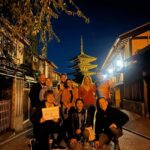
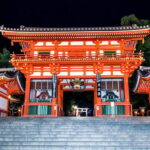
Getting Started at Kyoto Station, and How the Day Flows
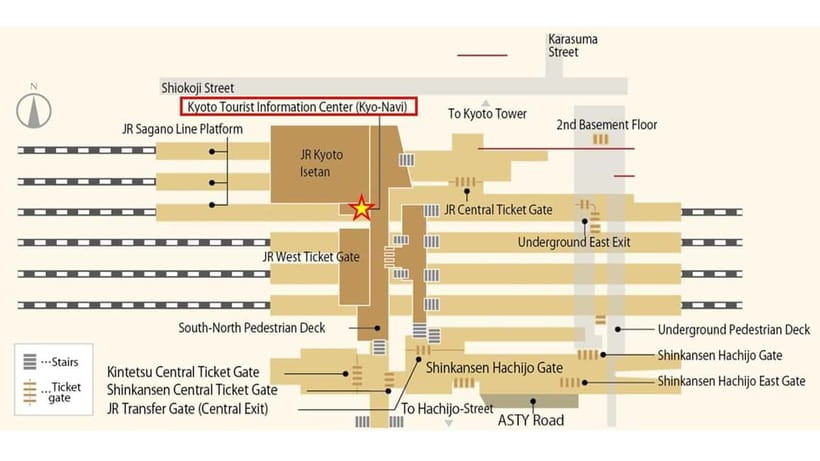
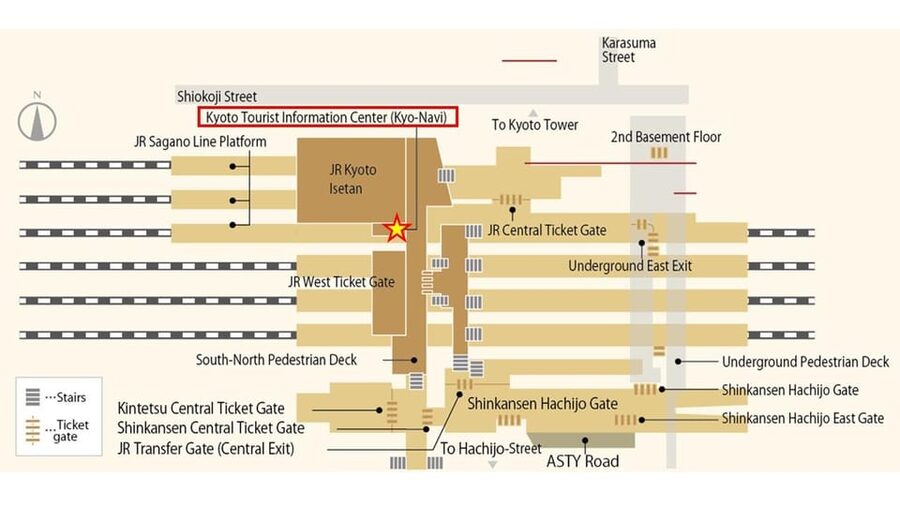
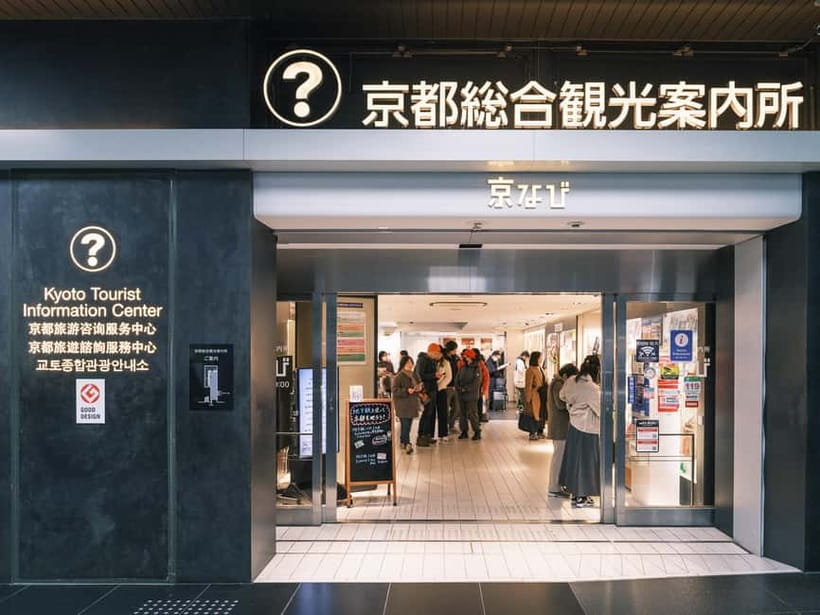
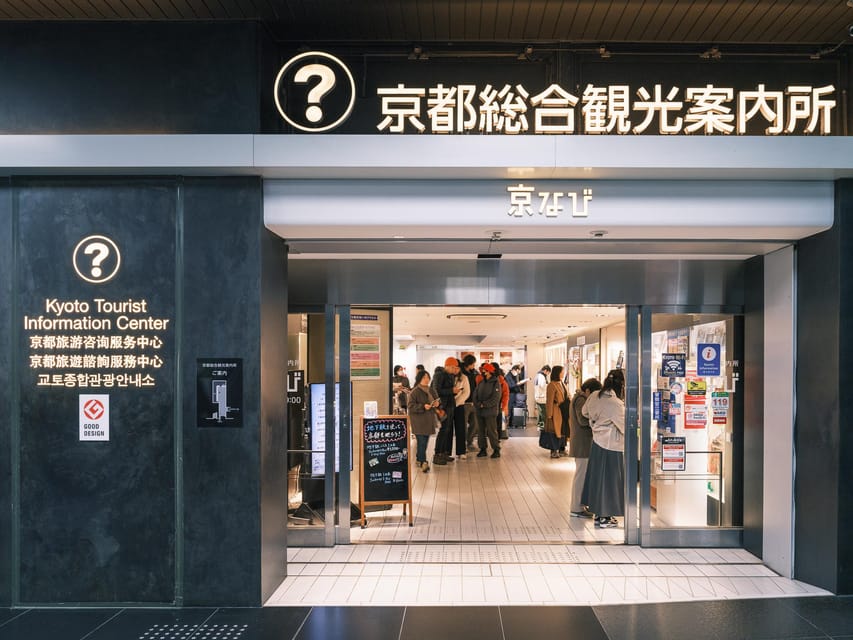
The meeting point is the Kyo-Navi Kyoto Tourist Information Center at Kyoto Station. You will find it on the second floor, near the north-side pedestrian walkway that connects over to the north side. It is next to the Kyoto JR Isetan area, and if you are unsure, ask for Kyo-Navi, which is how locals refer to it.
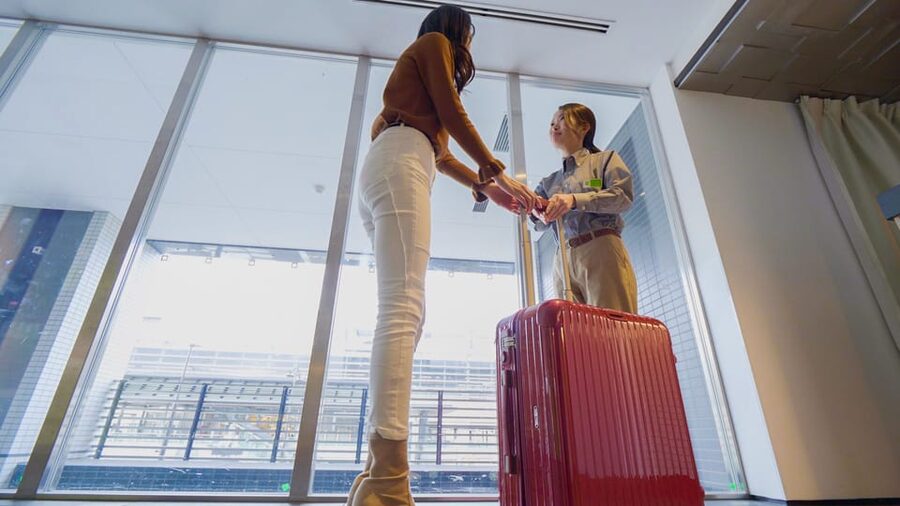
After you meet your group, you can leave your luggage at Crosta Kyoto. This small detail is a big quality-of-life upgrade, because you are going to walk. Showing up with a heavy bag is the quickest way to sour the experience, and luggage storage lets you move comfortably.
From there, you travel by train to Arashiyama with your guide. Train fare is not included, so budget for that separately, but the route is designed around public transport so you are not juggling directions on your own.
The tour ends back at the meeting point. That back-to-start structure is handy if you plan to go somewhere else after the walk.
Bamboo Forest Time: Where to Walk and What to Notice
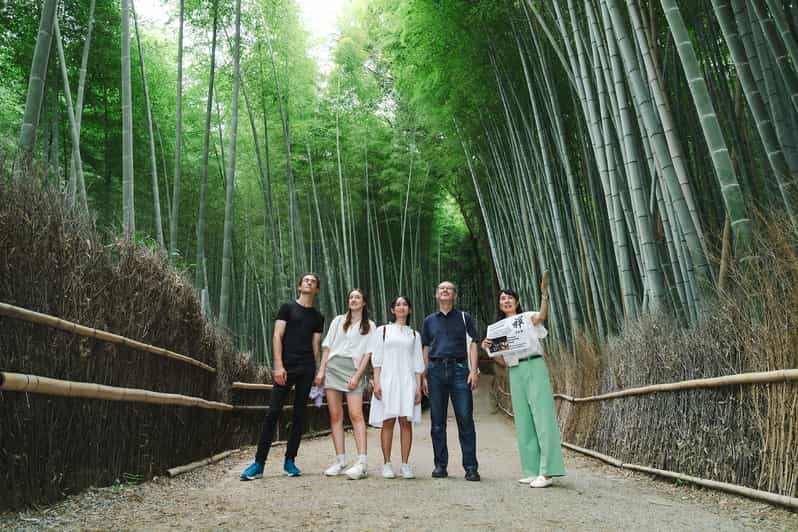
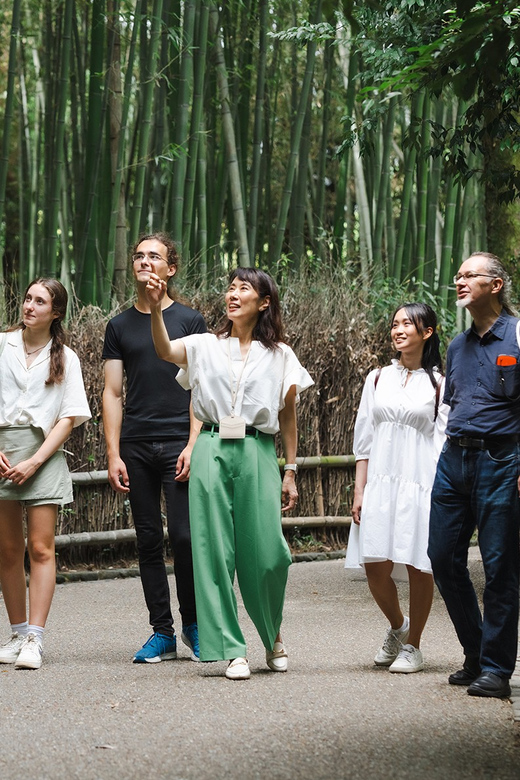
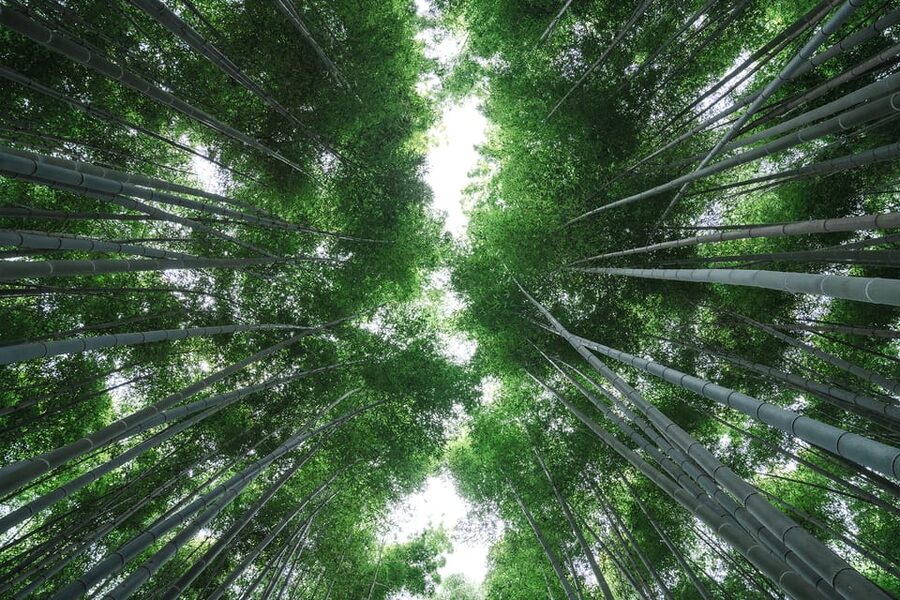
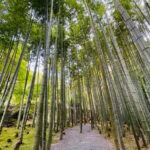
The bamboo forest is the centerpiece for a reason. When you step in, you get that classic tunnel effect, with sunlight filtering through the stalks. This is exactly the kind of scene that looks magical from a distance, but feels even better when you move slowly enough to feel the spacing and rhythm of the trees.
On this tour, the guide times your walking so you can enjoy the atmosphere and still get photos. I like that you do not just march through. You get a moment to stop, take in the light, and then continue. If you want photos that look less crowded and more balanced, this pacing helps.
You’ll also get a bit of Kyoto context along the way, tied to customs and history. It does not turn into a lecture. It is more like, once you are in the right place, the guide explains what matters so your brain can “read” the scenery.
Practical tip: wear shoes that can handle uneven temple paths later. The bamboo part is usually straightforward, but the rest of the day includes temple grounds where you do not want to worry about footing.
Hogon-in Temple: Zen Garden Details That Actually Click
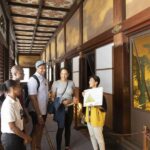
Hogon-in Temple is where the tour earns its money. The garden is gorgeous, but the bigger win is how the guide frames what you are seeing. This stop includes entry tickets to Hogon-in, so you do not have to deal with buying admission at the gate.
At Hogon-in, you’ll get narration about the temple and its garden design. The goal is to help you understand why the space feels calm, even though it is a busy Kyoto destination. Instead of just taking pictures, you start noticing how the garden’s layout guides your attention.
A second highlight is a hidden Zen garden within Hogon-in. The tour calls out this quieter aspect, which is the kind of detail that can be hard to spot on your own. When you know where to look, the whole garden experience becomes less random and more rewarding.
This is also where guide quality shows. In the feedback, people specifically praised guides like Yuko, who explained different garden types, and Yoriko, described as fun and attentive. That matters because garden design can be confusing if someone just says, “Look, it’s beautiful.” Here, you’re getting enough structure to make sense of the scene.
Togetsu-kyo Bridge: The Calm Walk That Closes the Loop
After Hogon-in, the tour finishes with a serene walk to Togetsu-kyo Bridge. This is a nice shift in pace. Temple gardens can pull you inward, and riverside views give you space to breathe.
Think of it as the visual payoff: the bamboo and temple stops set the tone, then the bridge stroll brings in the larger setting of Arashiyama. It is a good moment to collect your photos, double-check details you missed, and simply enjoy the river atmosphere without feeling like you must rush to the next stop.
This “finish strong, then let you go” style is one reason I like small walking tours in Kyoto. You end where you can keep exploring independently, instead of feeling trapped in a timed loop forever.
You can also read our reviews of more guided tours in Kyoto




Price and Value: Why $34 Can Be a Smart Deal
At $34 per person, this tour is priced like a budget-friendly add-on, not an all-day splurge. The biggest value point is what’s included: a certified city guide and entry tickets to Hogon-in Temple. Those two items alone reduce hassle and cost uncertainty.
The main cost not included is train fare to Arashiyama. So the real question becomes: will you pay a little extra on transport to gain guided time at the most important stops? For most people, yes, because the guide helps you see more than you would on your own in the same time window.
Also, the duration is about two hours. In Kyoto, that efficiency matters. You can use the remaining time to explore nearby areas on your own or connect to another plan without feeling exhausted.
Is it worth it if you already know Arashiyama well? Maybe you can DIY part of it. But if you want the temple and garden context without reading for hours beforehand, the guide makes the price feel fair.
Best Fit: Who This Tour Suits (and Who Might Prefer Otherwise)
I’d book this if you fall into one of these categories:
- You like walking tours and want a focused route.
- You care about understanding temples and gardens, not just collecting photos.
- You want an English guide and prefer your questions answered on the spot.
- You want a shorter outing that still feels complete.
It may not be ideal if you:
- Want a car-style tour with minimal walking.
- Are traveling with someone who needs a very low walking commitment.
- Are arriving on dates outside October 6 to 31, 2025, because the tour runs during that window only, excluding Saturdays and Sundays.
And one more point from the rules: unaccompanied minors are not allowed. So if you are traveling as a family, plan accordingly.
Tips to Make Your Experience Smoother
A few simple things can help the day feel effortless:
- Wear comfortable shoes. Temple grounds and garden walkways add up fast.
- Bring a camera or phone with enough battery. The bamboo light is photo-friendly.
- Keep an eye on weather. Bamboo and riverside areas can be breezy, and temple paths can get slick when it rains.
- If you are using luggage storage, make sure you understand where you left things so you do not waste time after the tour ends.
If you are traveling with kids, each paid guest can bring one child aged 0 to 6 for free. If that free child wants to use the luggage service, there is a service fee. If you want more than one child, each additional child needs to purchase an adult ticket.
Should You Book This Kyoto Arashiyama Tour?
If your goal is to experience Arashiyama’s key sights in a couple of hours, with an English guide who helps you understand what you’re seeing, I think this tour is a strong choice. It is especially appealing if Hogon-in Temple and Zen gardens are on your list, because entry is included and the garden narration is clearly part of the appeal.
I would not rush to book if you hate walking, dislike public transport, or already plan to spend a lot of time at Hogon-in using your own research. But for most people doing a Kyoto highlights plan, this is a tidy, value-driven way to get the best of Arashiyama without turning it into a full-day mission.
FAQ
How long is the Kyoto Arashiyama walking tour?
It takes about two hours.
What language is the tour conducted in?
The tour is conducted only in English.
When does the tour run in 2025?
It runs from October 6 to October 31, 2025, except Saturdays and Sundays.
Where do I meet the guide?
Meet at the Kyo-Navi Kyoto Tourist Information Center in Kyoto Station.
Is the train fare included?
No. Train fare to Arashiyama is not included.
What is included in the tour price?
The price includes a certified city guide and entry tickets to Hogon-in Temple.
Is hotel pickup or drop-off included?
No, hotel pickup and drop-off are not included.
Where can I store luggage before starting?
After meeting at Kyoto Tourist Information Center, you leave luggage at Crosta Kyoto.
Can I bring a child?
Unaccompanied minors are not allowed. Each paid guest can bring one child aged 0 to 6 for free. Additional children need to purchase an adult ticket. If the free child wants to use the luggage service, a service fee is required.
What happens at the end of the tour?
The activity ends back at the meeting point.
More Walking Tours in Kyoto


More Tours in Kyoto

More Tour Reviews in Kyoto
Not for you? Here's more nearby things to do in Kyoto we have reviewed



Arashiyama & Bamboo Grove Tours, compared.
 ★ 4.8Fushimi Inari, Kinkakuji, Bamboo Grove 1 Day Bus TourFrom $1224,316 reviews
 ★ 4.1Osaka/Kyoto:Kinkakuji,Arashiyama,FushimiInariShrine,NaraParkFrom $661,596 reviews
 ★ 4.7Kyoto/Osaka: Nara, Fushimi Inari Taisha, Arashiyama Bus TourFrom $521,275 reviews
 ★ 5.0Kyoto Arashiyama Walking Tour: Bamboo, Monkeys, Gardens & SecretsFrom $651,216 reviews
 ★ 4.8Arashiyama Bamboo, Temple, Monkeys, or Secret Sake BreweryFrom $87886 reviews
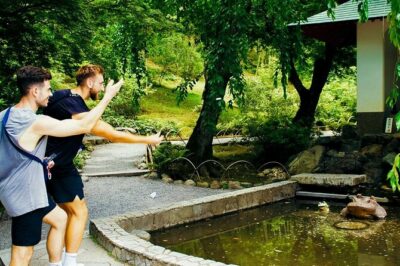 ★ 5.0Arashiyama Bamboo Forest, Monkeys, Matcha & Temple TourFrom $53759 reviews
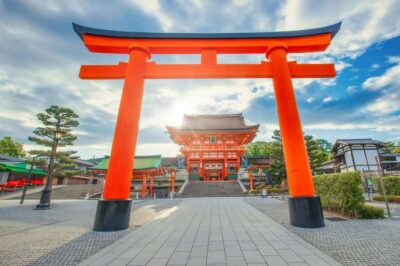 ★ 4.4Osaka/Kyoto: Arashiyama, Nara & Fushimi Inari Shrine w/LunchFrom $61754 reviews
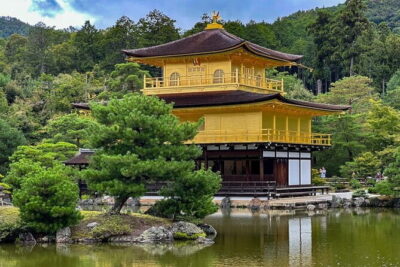 ★ 5.0Nijo, Kinkaku-ji, Arashiyama, Kiyomizu & Fushimi InariFrom $51699 reviews
Browse the lists this tour appears in