
Reviewed · FUSHIMI INARI SHRINE TOURS
Kyoto: Fushimi Inari Night Walking Tour with Guide
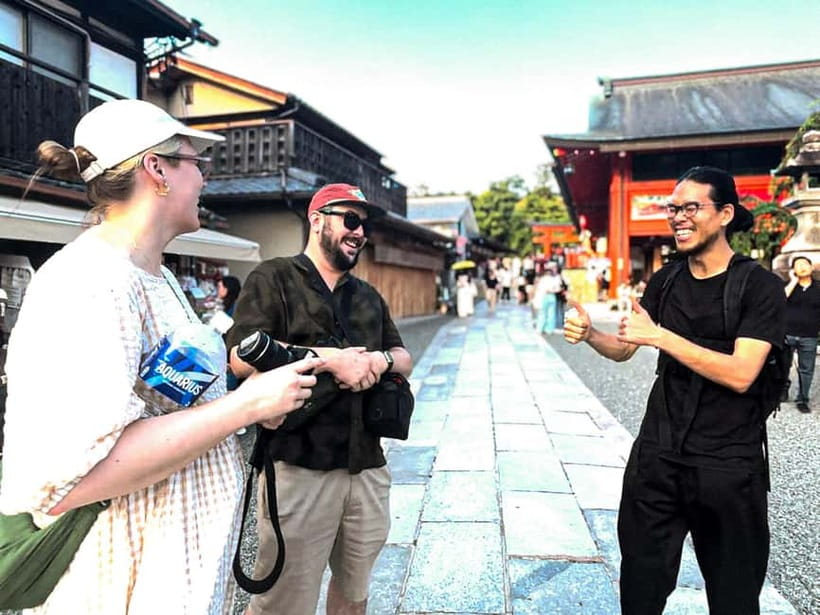
Lantern light turns torii gates into poetry. This Kyoto Fushimi Inari night walking tour is built for that calm hour when the vermillion gates glow softly and the shrine feels more personal than crowded. I love the lantern-lit photo moments and the chance to slow down and learn what you’re actually looking at, not just walk through it.
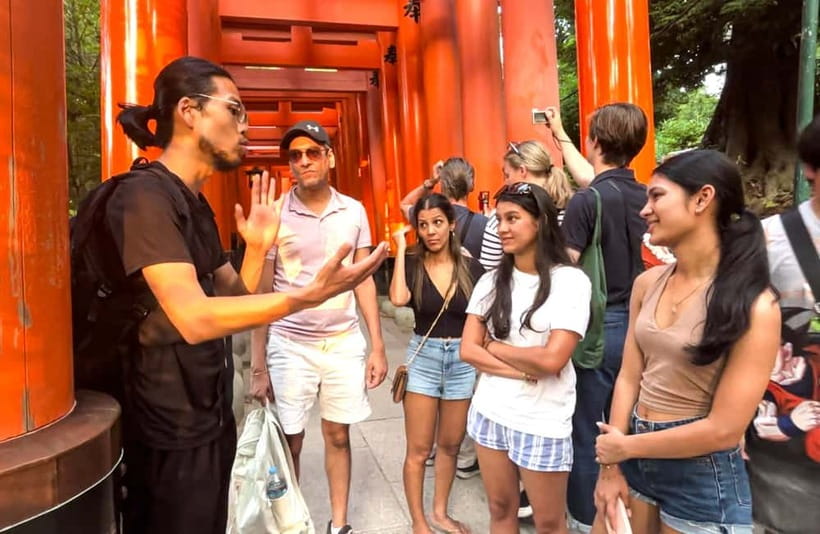
The meeting is simple, and the guide experience is the real value, especially in a small group of 10 max where your questions actually get answered. One consideration: this tour focuses on the lower and middle sections of Fushimi Inari, not the full mountain climb.
Key highlights to look forward to
- Small group, 10 max: you can ask questions and get real back-and-forth.
- Easy meeting point: meet at the ticket gate at JR Inari Station, and there’s only one ticket gate.
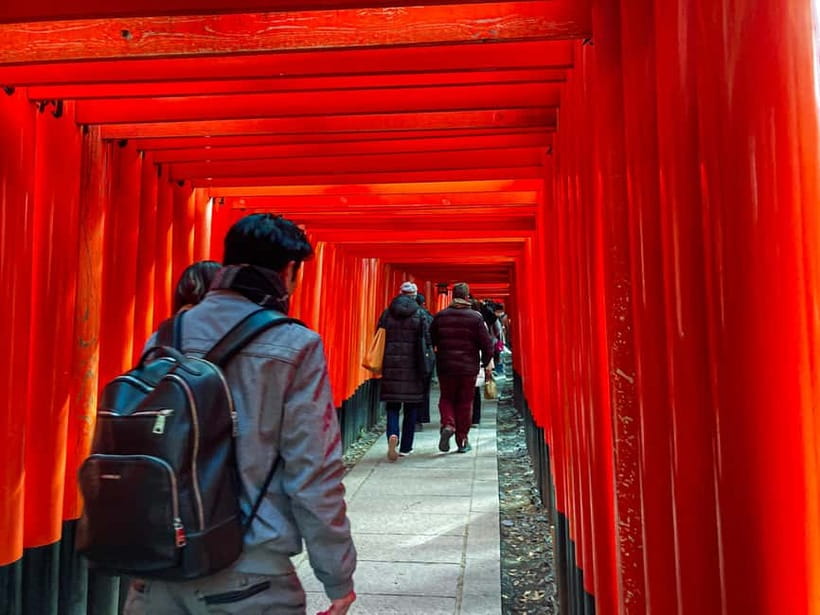
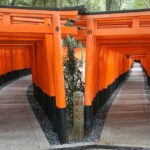
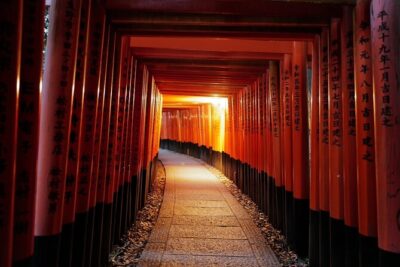
- Senbon Torii at night: you walk part of the torii corridor as lantern light flickers in the evening air.
- Meaning behind the gates: your guide explains shrine symbolism, torii meanings, Shinto rituals, and spirituality.
- Quieter routes plus pauses: you’ll be guided through less-crowded scenic areas, with time for quiet reflection and photos.
Why Fushimi Inari at night hits differently than daytime
Fushimi Inari is famous for a reason. But the usual problem is the same one everywhere iconic: daytime crowds, rushed photos, and people trying to conquer the torii corridor like a checklist.
At night, the atmosphere changes. The torii gates and shrine buildings take on that soft glow from lanterns and the darkening sky, so the place feels quieter and more spiritual. You’re also more likely to appreciate the texture of the site, the rhythm of the steps, and the way the shrine architecture guides your eye.
The best part is that you’re not just wandering. The tour is designed around explanation, especially the stuff that makes Fushimi Inari make sense. Your guide brings Shinto context, shrine rituals, and how everyday meaning connects to this sacred space. I like that the tour treats the site as living culture, not a theme park.
Also, it’s practical timing. In this season, sunset is around 6:00 PM, so twilight sets the tone for the walk. In hot months, that evening window can be more comfortable than a midday visit, and it’s easier to enjoy the slower pacing that a good shrine walk deserves.
You can also read our reviews of more walking tours in Kyoto

Getting started at JR Inari Station (and why it matters)
Meeting at JR Inari Station is a smart move because it’s the closest rail stop to the shrine area. You’ll meet your guide directly at the ticket gate at the station. The tour notes that there’s only one ticket gate, which makes the start much less stressful, especially if you arrive a little tired.
A local guide starts you off with clarity. You’ll get oriented before you step into the torii paths, and you’ll know what the walk is covering. Since the tour focuses on the lower and middle sections, it helps to understand early that this is not a full summit hike. You’ll see plenty of the Senbon Torii experience without needing to push all the way up.
One small but useful detail: you should have WhatsApp or SMS available for your guide to contact you before the tour. That’s mainly about smooth coordination, especially if you’re delayed. Bring a charged smartphone so you can stay in touch and also capture photos while you’re there.
The Senbon Torii walk: where lantern light meets symbolism
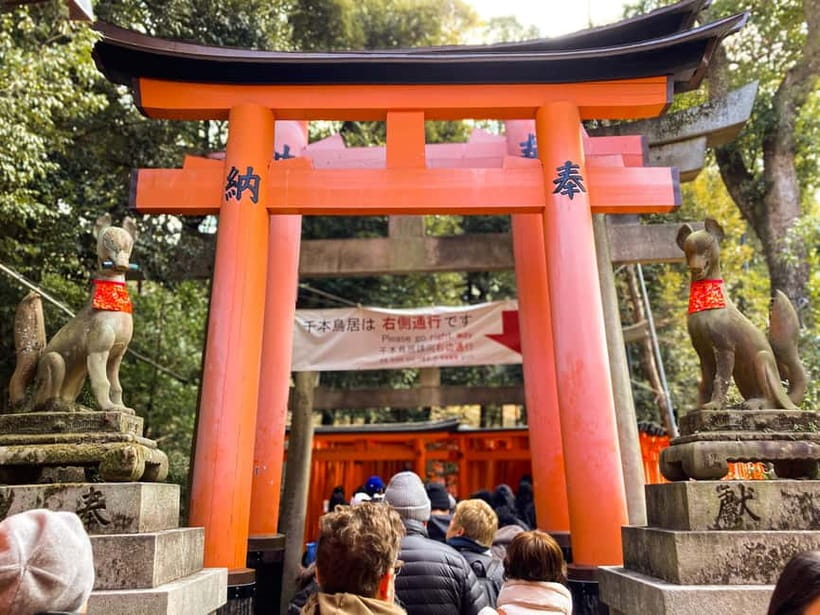
Once twilight falls, you’ll enter the torii corridor experience. The tour takes you through part of the Senbon Torii, the iconic chain of vermillion gates that creates that tunnel-like feeling. Even if you’ve seen photos, walking it changes the scale. The gates stack and repeat, and your sense of depth shifts as you move.
What’s different in this guided format is that the corridor becomes a story. You’re not just counting torii. Your guide helps you interpret symbolic architecture and the meanings behind torii gate presence and placement. That turns what could be a repetitive sequence into a guided walk with purpose.
Expect a steady pace with quiet pauses. The lanterns flicker in the evening air, and you’ll get time for reflection and photography at key spots. This matters because the “best” photo angle is rarely obvious while you’re mid-walk. With planned stops, you can step aside, frame a shot, and take it in without feeling like you’re blocking the flow.
The tour also steers you through quieter scenic routes away from the densest visitor areas. That doesn’t mean you’ll feel like you have the place to yourself the whole time. But it does mean you get more of the calm, intimate shrine mood that night is supposed to deliver.
Fushimi Inari Taisha in 90 minutes: what your guide will focus on
The guided portion is about 1.5 hours focused on Fushimi Inari Taisha. That’s a sweet spot for many people. You get enough time to understand what the shrine is and how Shinto practice shows up in real space, without turning it into a long endurance event.
Here’s how the time tends to work in practice. Your guide talks through the shrine setting and points out what to notice. That can include how Shinto shrine traditions shape what visitors do, how rituals are understood, and why the torii gates matter in the bigger picture of the shrine complex.
You’ll also get historical context. The tour includes insights into Fushimi Inari and Kyoto’s religious heritage. The key is that your guide can tailor this to your interests, because the experience is built around discussion and Q&A. If you want the cultural logic of the rituals, you can ask. If you want to compare Japanese customs to what you’re used to, you can ask that too.
I particularly like that the guide is trained in tourism and Japanese culture, with specific focus on religious traditions like Shinto shrines and historical customs. You feel less like you’re getting a scripted lecture and more like you’re talking with someone who cares about accurate details and how they connect to daily life.
And you’ll likely notice a more personal vibe when the group size is small. The tour is limited to 10 participants, so it’s easier to hear explanations and easier to ask follow-up questions.
Conversations that go beyond the gates (hello, Goku and Kate)
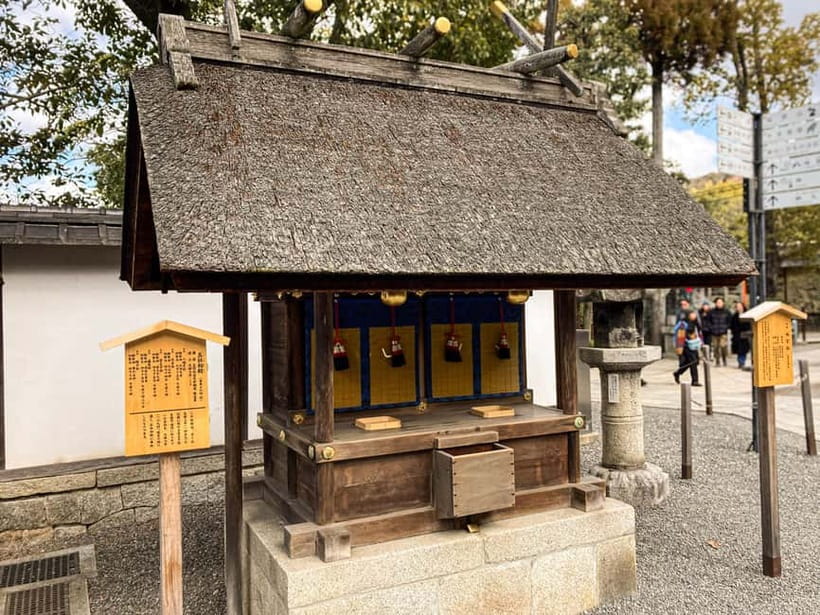
What makes this tour memorable is how the guide engages you. Some guides are especially strong at turning the shrine into a conversation, not a monologue.
For example, the tour has guides such as Goku, who is noted for being very knowledgeable about the shrine and related traditions, and for enjoying conversations on topics beyond just the site itself. On at least one occasion, the tour ran with only one participant, and Goku still conducted the experience fully. That’s a good sign if you want attention and a relaxed pace rather than feeling herded along.
Another guide mentioned is Kate, who is praised for explaining details clearly and for making choosing the evening time feel like a smart decision, especially in sticky summer weather. Even without getting caught in tourist hype, that kind of guidance helps you plan your Kyoto days with confidence.
The takeaway for you: with a guide who actually talks and adjusts to your interests, Fushimi Inari becomes more than a pretty backdrop. You’ll leave with more understanding of the values and rhythms behind the shrine, and you’ll be able to look at torii gates with a different kind of attention.
You can also read our reviews of more guided tours in Kyoto





Photo stops and quiet time: how to use the breaks well
Even if you’re not a big photographer, the night timing makes photos tempting. The lantern light creates softer shadows. The torii lines lead your eye. And the shrine buildings can look almost cinematic once the sky turns dark.
The tour includes free time for quiet reflection or photography at key spots. Use those minutes wisely. Don’t try to capture everything. Pick one or two angles where the torii lines are clear and where you can frame the “depth” effect of the corridor.
If you are sensitive to crowds, those pauses are also your chance to breathe. Because you’re walking during twilight and using quieter routes away from heavier areas, you should feel more freedom to slow down. That matters at Fushimi Inari, since the space can feel overwhelming when you rush.
Practical note: your phone will help, but don’t forget your eyes. The night mood is part of the experience. If you spend every second behind a screen, you miss the subtle shifts in light and the calm feeling the tour is aiming for.
Price and value: is $38 for 2 hours a fair deal?
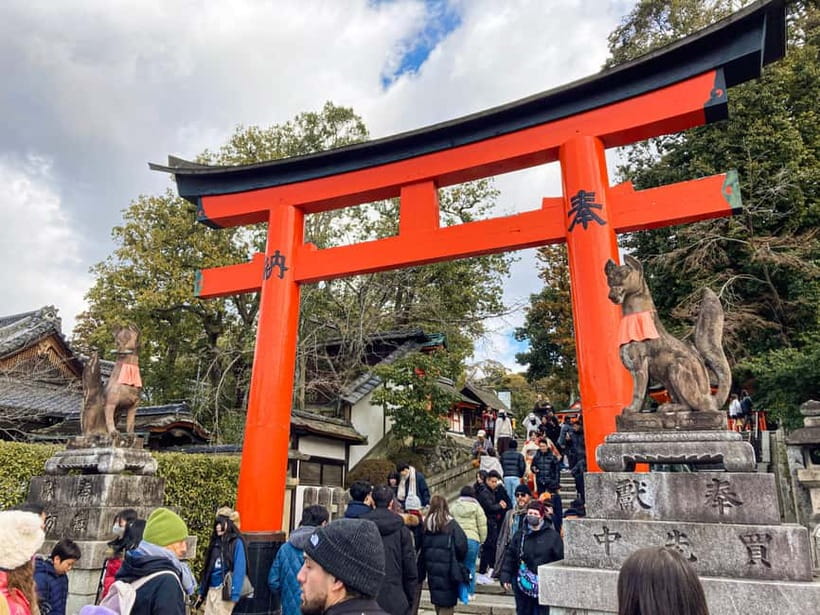
At $38 per person for a 2-hour experience, this tour is priced for what you’re really buying: a trained local guide, a small-group format, and structure around an iconic site.
If you visited alone, you could pay only for transport and walk the torii corridor. But you might miss the “why” behind the shrine rituals, the symbolism your guide points out, and the historical context that makes the gates feel less like a photo wall and more like a meaningful place.
You’re also getting the benefit of planning. The tour focuses on the lower and middle sections, so you avoid spending your limited Kyoto time on something that might not fit what you want. And because it’s built for Q&A and small-group interaction, you’re more likely to leave with understanding rather than just images.
Is it expensive compared to wandering on your own? Sure. But it’s also not a big private-guide budget. For many people, it lands in that sweet zone: enough guidance to make Fushimi Inari click, without turning it into a full-day commitment.
Who this tour is best for (and who should skip it)
This tour fits best if you:
- Want a night visit with calmer vibes and lantern light
- Enjoy learning basics about Shinto shrines and Japanese spirituality while you walk
- Like the structure of a guide but still want quiet moments to pause and take photos
- Prefer small groups and direct Q&A
- Are coming through using JR trains and want an easy meeting point
You might consider a different approach if you:
- Want the full mountain experience and plan to go all the way up. This tour stays at the lower and middle sections.
- Are hoping the tour includes food or drinks. It does not. You’ll want to plan a meal before or after.
- Prefer totally self-guided exploration with no need for explanations.
For couples, solo travelers, and small groups, this style usually works well because the tour limits numbers and keeps the walk interactive.
Practical tips for a smoother night walking tour
A few simple choices make this tour much more comfortable.
First, wear comfortable shoes. The torii corridor includes steps and uneven walking surfaces, and even a short guided visit can feel longer when you’re tired.
Second, keep your smartphone ready. You’ll want it for photos, navigation, and staying reachable since your guide may contact you by WhatsApp or SMS before the tour.
Third, plan your timing around sunset. The tour notes sunset is around 6:00 PM for this season, which is exactly why it feels magical. If you arrive too early, you might feel like you’re waiting around. If you arrive too late, you miss the twilight transition that makes the lantern glow special.
Finally, pack the right expectations. This is a shrine walk with cultural interpretation. It’s not a speed-walk. If you treat it like a conversation and slow down for the pauses, you’ll get much more out of it.
In colder months, there’s a daytime option. If winter is your travel season, that can be a smart swap because winter daylight changes how you experience the space.
Should you book the Kyoto Fushimi Inari night tour?
If your priority is the calm, lantern-lit feel of Fushimi Inari, and you want a guide to explain the torii symbolism and Shinto context while you walk, I think this is a solid booking. The small group size, the easy meeting point at JR Inari Station, and the structured 1.5-hour guided time make it a practical way to turn an iconic stop into something you actually understand.
If you’re chasing a full mountain climb or you want to handle everything on your own with zero guidance, you may feel like this tour is too focused. For that kind of goal, look for options that cover more of the ascent and return route.
For most people doing Kyoto efficiently, this hits the sweet spot: night timing, cultural meaning, and enough quiet time to enjoy the place rather than just race through it.
More Walking Tours in Kyoto



More Tours in Kyoto

More Tour Reviews in Kyoto

Not for you? Here's more nearby things to do in Kyoto we have reviewed









Fushimi Inari Shrine Tours, compared.
 ★ 4.8Fushimi Inari, Kinkakuji, Bamboo Grove 1 Day Bus TourFrom $1224,316 reviews
 ★ 5.0Fushimi Inari Hidden Hiking Tour (Private Option Available)From $631,750 reviews
 ★ 4.7Kyoto/Osaka: Nara, Fushimi Inari Taisha, Arashiyama Bus TourFrom $521,275 reviews
 ★ 4.4Osaka/Kyoto: Arashiyama, Nara & Fushimi Inari Shrine w/LunchFrom $61754 reviews
 ★ 4.7Nijo Castle, Kiyomizu & Fushimi Inari Guided TourFrom $54700 reviews
 ★ 5.0Nijo, Kinkaku-ji, Arashiyama, Kiyomizu & Fushimi InariFrom $51699 reviews
 ★ 5.0Kyoto Fushimi-Inari Night Walking TourFrom $43320 reviews
 ★ 4.93-Hour Fushimi Inari Shrine Hidden Hiking TourFrom $72270 reviews
Browse the lists this tour appears in