
Reviewed · FUSHIMI INARI SHRINE TOURS
Kyoto: Fushimi Inari Taisha Shrine Walking Tour with Guide
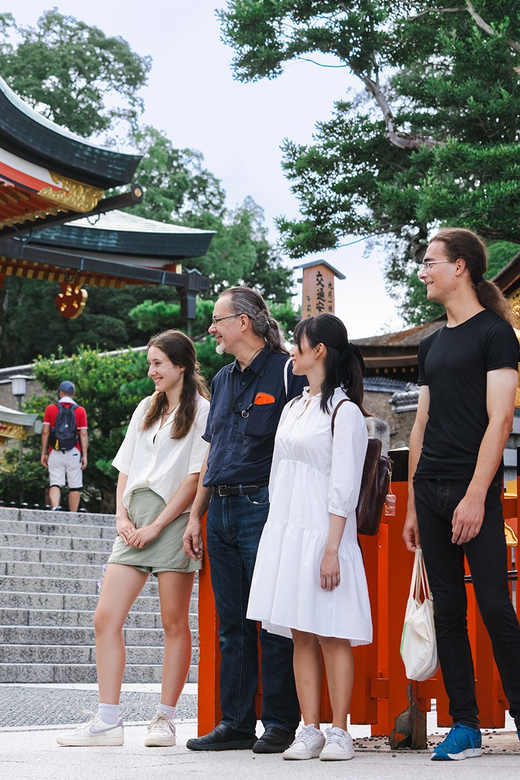
Torii gates make Kyoto make sense. I love the way the Senbon Torii walk gives you that iconic visual hit, and I also like how the guide from Kyoto City Tourism Association helps you understand the customs so you feel confident around the shrines. The only catch is that this is a two-hour walking tour, so wear shoes that can handle lots of steady steps.
You’ll start at Kyoto Station, take eco-friendly public transportation with the guide, then continue on foot through the shrine area and on to Sekiho-ji Temple for those quieter Jizo statues and a Zen garden setting. It is a tight route, but it gives you context, not just pictures.
Key highlights you will actually notice
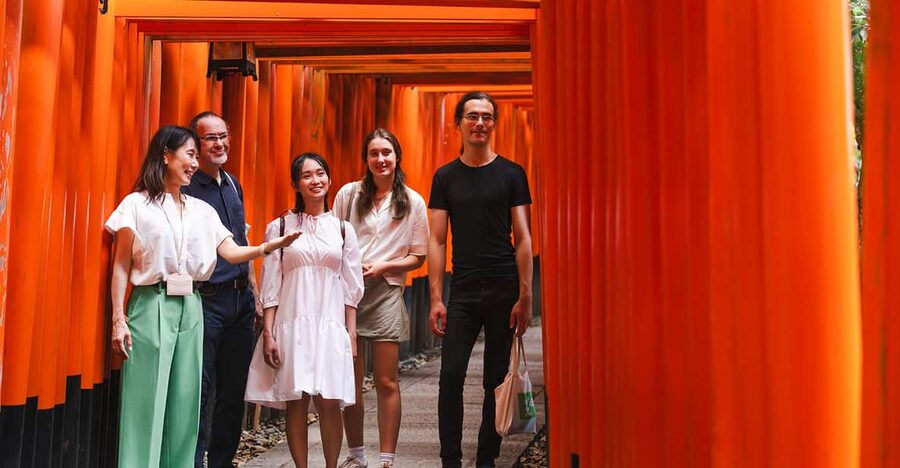
- Kyoto City Tourism Association guides that explain etiquette and traditions as you go
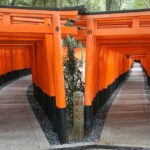
- Senbon Torii gates at Fushimi Inari Taisha, seen in the right order and with meaning
- Eco-friendly travel by public transit from Kyoto Station to the shrine area
- Sekiho-ji Temple and its Jizo statues, plus a calmer Zen garden stop
- Clear communication and friendly pacing, based on strong guide feedback (including a guide named Junko)
Starting at Kyoto Station, finding Kyo-Navi without a headache
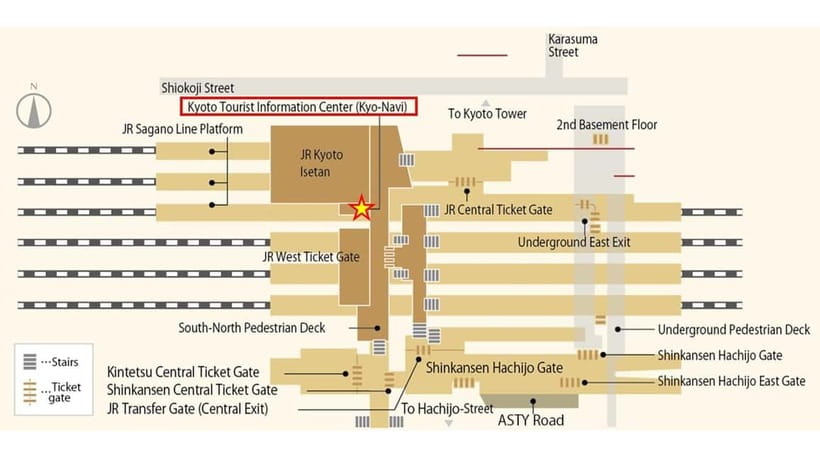
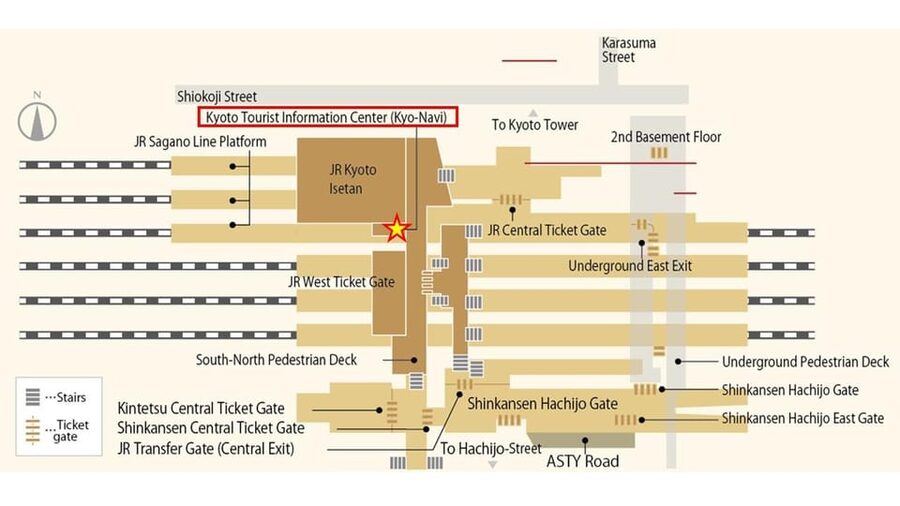
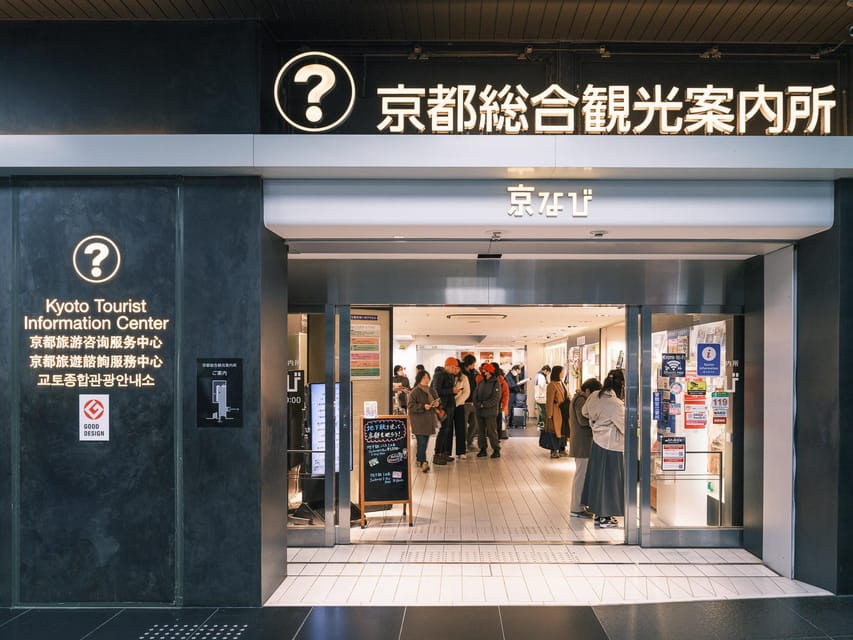
The tour begins at the Kyo-Navi Kyoto Tourist Information Center inside Kyoto Station. It is on the second floor, on the pedestrian walkway that leads you toward the north side of the station. This spot matters because Kyoto Station can feel like a maze when you are jet-lagged, and you do not want to be late on a set walking schedule.
Here is the practical way to find it: look for the pedestrian walkway on the second floor, head to the north side, and check for Kyoto Tourist Information Center near the south of Kyoto JR Isetan. If it helps, ask for Kyo-Navi (京なび), which is what locals and staff tend to use.
The tour description also says to arrive well before the start time, because you cannot join if you are not present when it begins. That is a good rule of thumb for Kyoto in general, and it is especially true for a walking tour where the group will move quickly once the guide gives the go-ahead.
You can also read our reviews of more walking tours in Kyoto

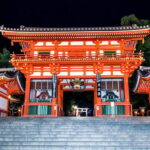
The guided train ride: why it is part of the value
You might think a shrine tour is mostly the walking and the photos. But the guide-led public transport segment is a big part of the experience, mainly because the guide is not just narrating later. They help you get ready for Kyoto manners before you step into the shrine area.
You can expect the guide to share local customs, etiquette, and traditions as you ride. That kind of context changes how you experience the space. Instead of feeling like you are guessing what is respectful, you learn the rhythm of how people behave, where attention goes, and what to watch for while moving as a group.
It also adds a sustainability angle that is easy to support. The tour explicitly uses eco-friendly public transportation, which is a smarter default in a city like Kyoto where traffic and parking can be a hassle.
Fushimi Inari Taisha: walking the Senbon Torii route the right way
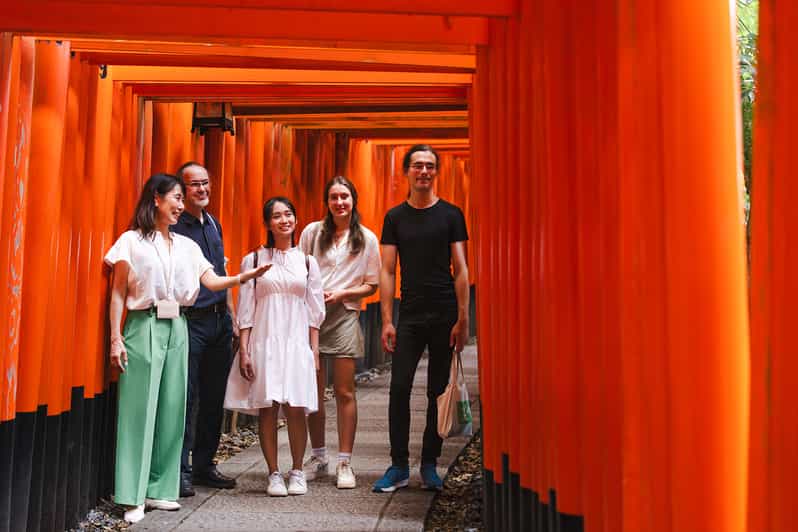
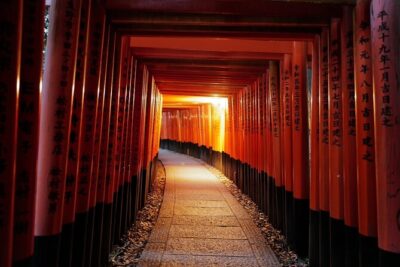
Fushimi Inari Taisha Shrine is one of Kyoto’s most famous places for a reason. The structure, the grounds, and the sheer visual power of the Torii gates create that instant wow moment. On this tour, the key is that you are not just walking randomly. You follow a guide-led route through the Senbon Torii walkway, which helps you understand how to experience it as you go.
What I like about this style of visit is that it keeps the magic intact without turning it into a race. You get time to look, stop when it makes sense, and listen while the guide explains what you are seeing and why it matters locally.
Also, the tour format includes both big attraction time and calmer moments. You will move through the shrine area where the Torii gates dominate, then transition toward a quieter temple visit where the atmosphere changes from spectacle to serenity.
One practical note: Fushimi Inari is still an active, popular shrine area. Even with a guide, you will want patience and steady footwork. This is not the kind of stop where you should assume you will move at your own pace.
How the guide helps you behave well at the shrine
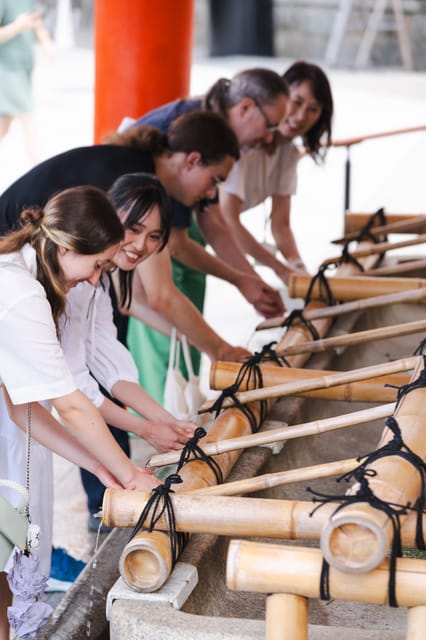
This is one of the tour’s strongest reasons to book. The tour highlights that you will learn customs, etiquette, and traditions that shape Kyoto, and you feel that payoff right away when you reach a place where local practice matters.
In my experience, shrine etiquette can be confusing when you cannot read the signals. A guide reduces that uncertainty. You get direction on how to approach, where to look, and how to treat the space respectfully, which makes the visit feel less like sightseeing and more like understanding.
The feedback for the guides backs up that this is not vague talk. People praised friendly, clear communication, and one review specifically called out that the guide was highly responsive to questions. Another highlighted guide name Junko, describing her as engaging and helpful. That matters, because the best tours are not just scripts. They answer the questions you actually have in the moment.
The switch from shrine crowds to Sekiho-ji Temple calm
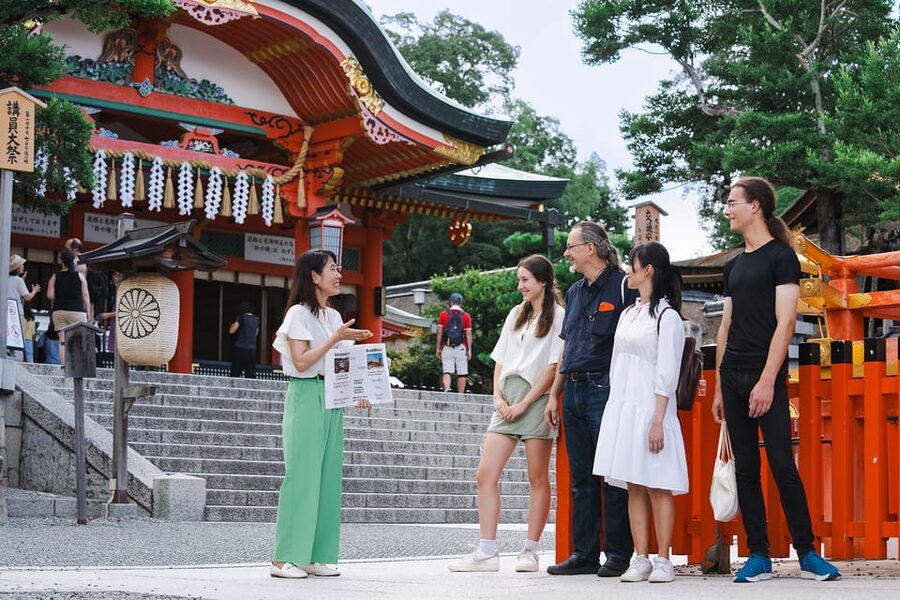
After Fushimi Inari, the tour heads to Sekiho-ji Temple, where the mood shifts. The tour description calls it a hidden sanctuary, and it is described as being adorned with Jizo statues, along with a Zen garden.
This is where you get a different kind of Kyoto pleasure. Fushimi Inari can feel like a visual landmark. Sekiho-ji is the chance to slow down and let the details come closer. When a temple stop includes Jizo statues, you are likely to spend time looking, not just walking. That gives your brain a breather from the Torii-gate intensity.
I also like that the tour includes a specific ticketed element: entry tickets to Sekiho-ji Temple are included. So you are not left figuring out which counter to find or whether you need an extra payment mid-tour. It is one less friction point, and for a two-hour experience, that counts.
And yes, the Zen garden is part of this stop. The experience is framed as moving from iconic shrine architecture into a more contemplative setting. If you enjoy Kyoto for its texture and atmosphere, this contrast is a big part of the appeal.
You can also read our reviews of more guided tours in Kyoto





Walking time, pacing, and what to wear
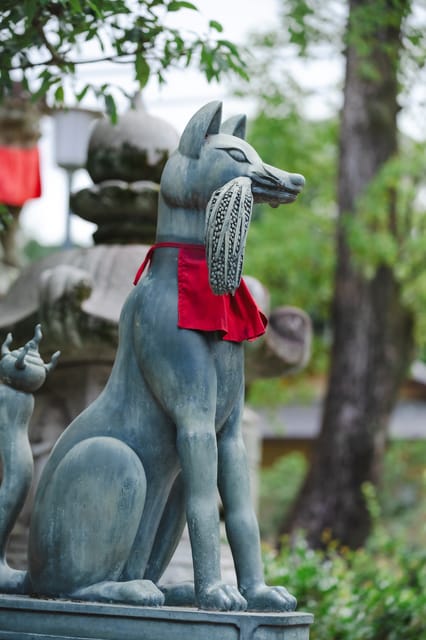
This is a walking tour recommended for people who like to walk, and it takes about two hours. That time estimate is useful for planning your day in Kyoto. You can fit it between other activities, but you should not stack it too tightly with another long outing unless you are comfortable with multiple walking segments.
For clothing, the tour does not give specific dress rules. Still, based on the nature of the route, you should plan for real walking and likely uneven surfaces in shrine and temple areas. Wear shoes you trust. Bring a light layer, since Kyoto weather can swing in October.
One more practical consideration: the tour is English only, and it is not for unaccompanied minors. If you are traveling with kids, each paid participant can bring one child aged 0-6 for free, as long as that child is accompanied by an adult. If you want to bring more than one child in that age range, each additional child needs an adult ticket. If you plan to use the luggage service for a free child participant, there is a service fee.
That is all manageable, but it is worth checking before you book, so the tour fits your group setup cleanly.
Price and value: is $34 fair for this route?
At $34 per person, this tour sits in a reasonable mid-range zone for Kyoto guided experiences. What makes the price feel fair is what is included: a Kyoto City Tourism Association certified guide plus entry tickets to Sekiho-ji Temple.
Train fare is not included, and food and drinks are not included. But the tour does cover the part that is hardest to self-navigate well, the guided context. You are paying for direction, explanation, and smoother movement through key stops, especially around shrine etiquette.
In plain terms: if you like learning while you walk, and you want the visit to feel thoughtful rather than just chaotic, the guide component is usually worth it. If you only want the shrine photos and you do not care about etiquette or context, you might feel like you could do more on your own. But given the high guide praise and the clear emphasis on customs, this is one of those tours where the guide quality is the product.
Also, you get a built-in structure: start at Kyoto Station, travel by public transport with the guide, see Fushimi Inari, then finish at the meeting point. That reduces decision fatigue during a short trip window.
Best fit: who this tour suits
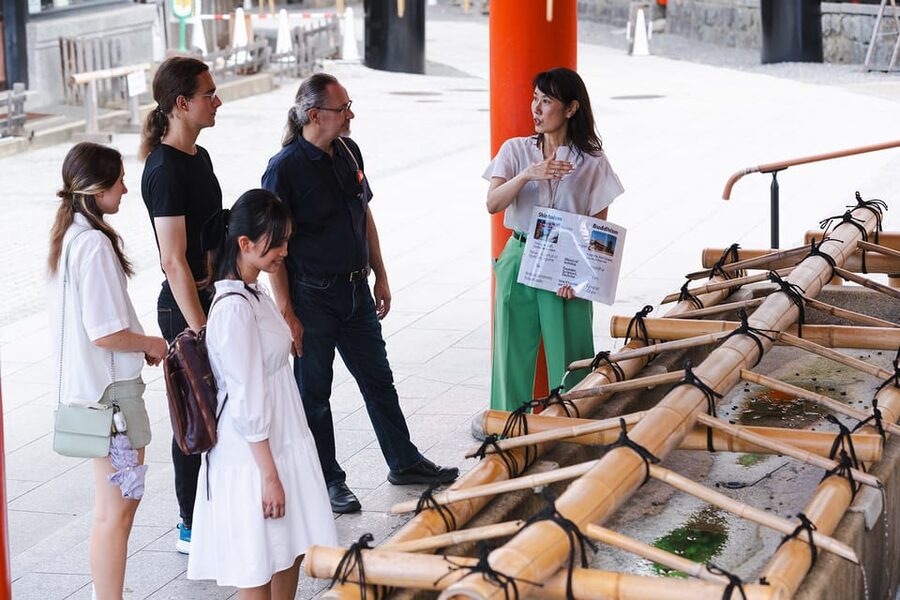
This tour is a great match if you:
- Want a guided introduction to Fushimi Inari Taisha without guessing how to act
- Like combining big sights with quieter temple time at Sekiho-ji
- Prefer public transportation in Kyoto and enjoy short guided walking blocks
- Appreciate strong communication, since multiple reviews emphasized responsiveness and clarity
- Enjoy questions, because the guide format supports back-and-forth
It may be less ideal if you:
- Want a very long, slow day in one area
- Do not enjoy walking for about two hours
- Need hotel pickup or drop-off, because those are not included
My booking verdict: should you book this Fushimi Inari + Sekiho-ji tour?
If you want the iconic Fushimi Inari gates plus a calmer temple stop, and you value learning the etiquette so you do not feel lost, I think this tour is a solid pick. The price makes sense because it includes the certified guide and Sekiho-ji entry, and the guide feedback points to clear communication and helpful answers, including an engaging guide named Junko.
Book it if you want a guided flow that turns a popular place into a more meaningful visit. Skip it only if you are determined to do everything solo and you already feel confident about shrine etiquette and timing.
More Walking Tours in Kyoto



More Tours in Kyoto

More Tour Reviews in Kyoto

Not for you? Here's more nearby things to do in Kyoto we have reviewed










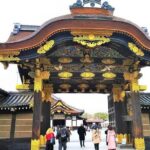
Fushimi Inari Shrine Tours, compared.
 ★ 4.8Fushimi Inari, Kinkakuji, Bamboo Grove 1 Day Bus TourFrom $1224,316 reviews
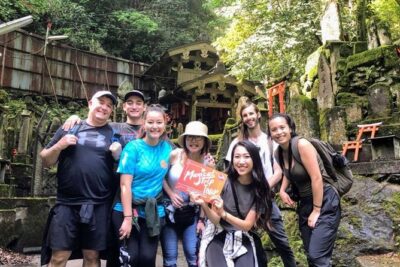 ★ 5.0Fushimi Inari Hidden Hiking Tour (Private Option Available)From $631,750 reviews
 ★ 4.7Kyoto/Osaka: Nara, Fushimi Inari Taisha, Arashiyama Bus TourFrom $521,275 reviews
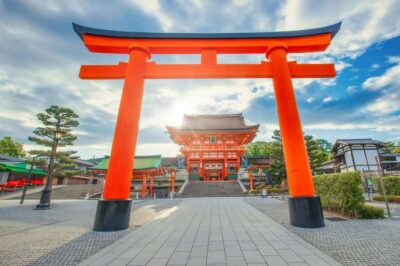 ★ 4.4Osaka/Kyoto: Arashiyama, Nara & Fushimi Inari Shrine w/LunchFrom $61754 reviews
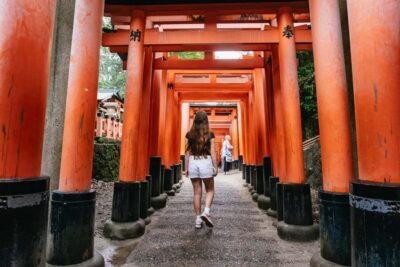 ★ 4.7Nijo Castle, Kiyomizu & Fushimi Inari Guided TourFrom $54700 reviews
 ★ 5.0Nijo, Kinkaku-ji, Arashiyama, Kiyomizu & Fushimi InariFrom $51699 reviews
 ★ 5.0Kyoto Fushimi-Inari Night Walking TourFrom $43320 reviews
 ★ 4.93-Hour Fushimi Inari Shrine Hidden Hiking TourFrom $72270 reviews
Browse the lists this tour appears in