
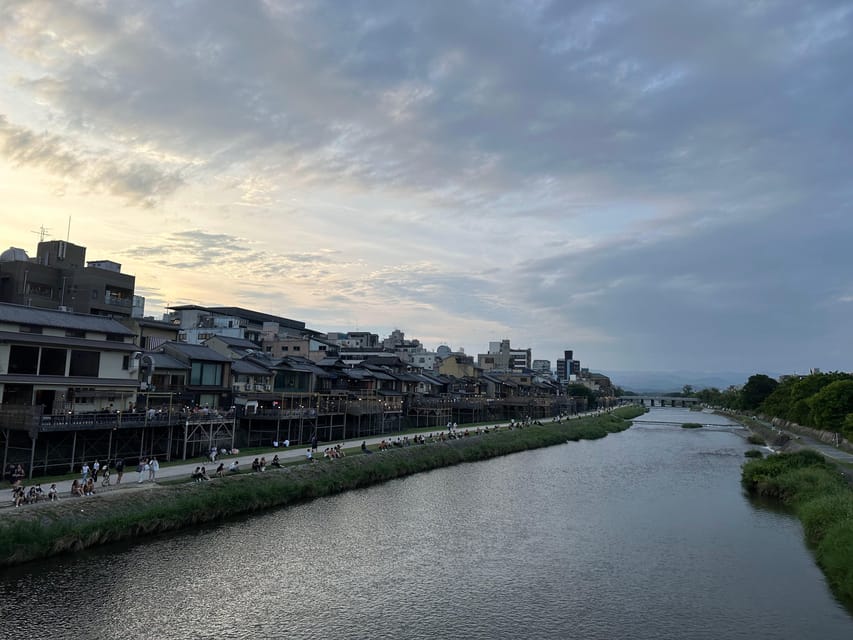
Reviewed · GION & GEISHA DISTRICT TOURS
Kyoto: Gion & Geisha district evening tour
Kyoto at night has a way of slowing time. This Gion and Geisha district evening tour is interesting because it explains how the geiko and maiko world works while you walk the lanes where it still happens, especially in the quieter hours. My favorite part is the guide-led storytelling, and I also like the route choices that mix the famous streets with calmer corners. One possible drawback: if your only goal is spotting geishas up close, you might leave thinking the money could have gone to something that guarantees photos or performances.
Going at night is the practical secret here. You get a moody, atmospheric stroll and you spend less time dodging day crowds, which makes it easier to notice details like teahouse frontage, traditional street turns, and the rhythm of neighborhood life. Just be prepared for a lot of walking on uneven old-street surfaces, so plan on comfortable shoes. And remember, photography may not be allowed in certain areas, so go ready to observe more than to shoot.
If you want a guided introduction to how Kyoto’s geisha districts function, this tour fits. It pairs major landmarks with lesser-walked streets, and it ends at Yasaka Shrine for a satisfying sense of place. Also, it is a private group, so the pace can feel more flexible than on a big group bus-style tour.
Key Things You’ll Do and Notice
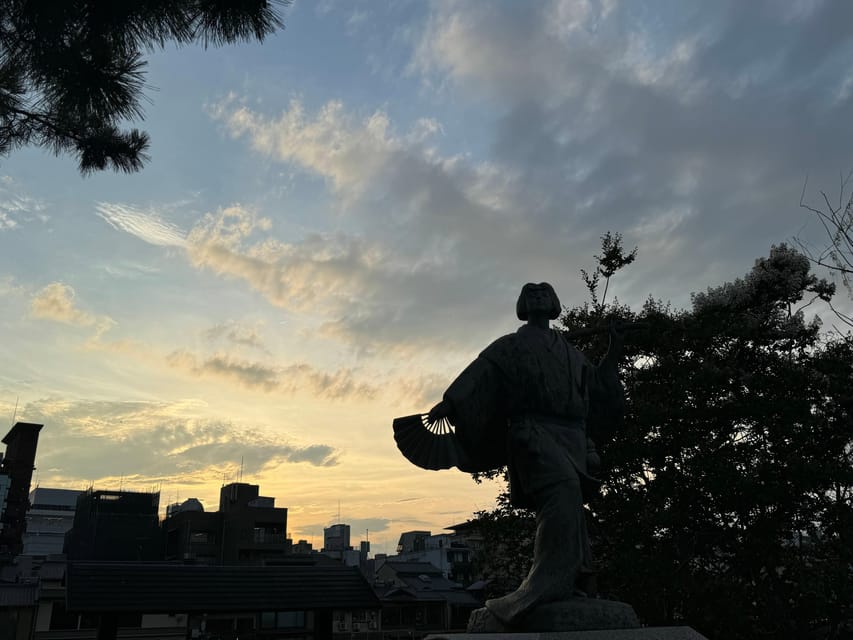
- Start at Izumo-no-Okuni, tying the walk to the origin story people associate with Kyoto’s performance culture
- Learn the difference between geiko and maiko, straight from a local guide’s explanations in context
- Walk Hanamikoji Street with a lens for tradition, not just postcard scenery
- Spend time in Miyagawacho, a gentler geisha district when the streets feel more personal
- Visit Yasui Konpiragu Shrine, known for its connection to relationships
- Finish near Yasaka Shrine, after passing Yasaka Pagoda, Ninenzaka, and Ishibe Alley
Why This Evening Geisha Walk Feels Different
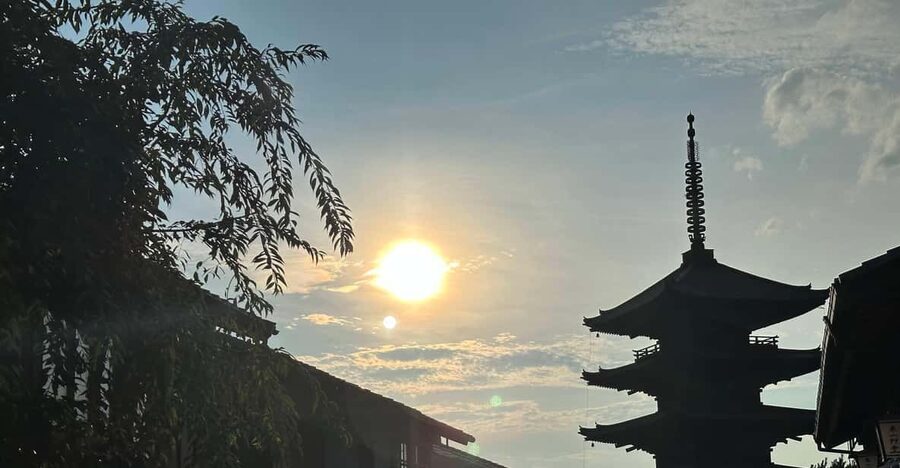
If you’ve only seen Gion in daylight, you’ve missed half the point. At night, the atmosphere changes, and the districts feel more like lived-in neighborhoods than an open-air museum. That matters because the tour is designed to help you understand the culture behind the scenery, not just collect views.
I like that the tour leans into timing. The route is structured so you are moving through key areas when the street traffic quiets down, and that gives you mental space to listen. It also helps with the practical problem of crowds, because you can actually hear the guide when you stop.
The other big reason this works is that it is a guided walk with a clear storytelling focus. You will hear explanations about how geiko and maiko fit into Kyoto’s traditions, and you’ll get context for what you are seeing as you turn corners. That transforms Gion from a location to a story you can follow.
You can also read our reviews of more evening experiences in Kyoto
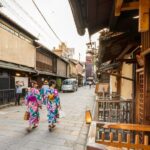

The Meeting Point: Izumo-no-Okuni and the Story Opens Immediately
The tour starts at the Statue of Izumo-no-Okuni at Shijo Ohashi. This is not a random pickup spot. Izumo-no-Okuni is tied to the history people associate with performance culture in Kyoto, so beginning here gives you a narrative handle right away.
When you arrive, look for your guide holding a yellow sign with the DeepExperience logo. That simple detail saves time in the real world, especially if you’re meeting in the evening when streets are busy and signs are harder to spot.
From the start, the format is set up like a walk with brief stops. You get focused moments of guidance, then you move on, so you stay oriented instead of drifting through a pretty neighborhood without meaning.
Gion Shirakawa: Teahouses, Tradition, and What You’re Really Looking At
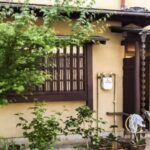
Gion Shirakawa is one of the classic geisha district areas, and the tour uses it for a reason. Here, you are introduced to the world of geiko and maiko with a local perspective, which helps you understand why certain lanes and storefront styles matter.
You’ll spend a short guided segment in the Gion area, and the goal is to help you recognize what is traditional versus what is tourist-facing. That matters because Gion can look like a movie set if you don’t know what to notice. The guide’s role is to point your attention toward cultural signals, like the way the district is laid out and how everyday life continues around it.
A big plus from the experience perspective: going at night is often when the district feels most human. One traveler praised the evening timing because it felt moody and atmospheric, with fewer crowds to dodge. That is exactly the mood you want when you are learning, not just walking.
Hanamikoji Street: The Heart of the Geisha World
Hanamikoji Street is the recognizable, historic spine of the geisha districts. The tour doesn’t treat it like a straight-line sightseeing checklist. Instead, it helps you read the street as part of a living system, with tradition and etiquette shaping how the area functions.
You’ll get guided time here as well, and this is where the stories tend to do their most work. Once you hear how geiko and maiko life is structured culturally, the street details stop being random. You start noticing how narrow turns, traditional architecture, and the layout of the district support the kind of visibility and privacy that performance culture requires.
One reality check is worth sharing plainly. The geisha world is not designed for constant observation. The tour encourages respect for privacy, and you may find that photo rules vary by location. If you’re expecting permission everywhere, plan to be flexible and focus on understanding instead.
Miyagawacho: The Quieter Geisha District That Changes Your Perspective
Not every part of Kyoto needs to be the loud headline. Miyagawacho (often connected with the Miyagawasuji area) is a calmer geisha district, and the tour includes it so your picture of Kyoto is more balanced.
This stop is valuable because it shifts you from the busiest, most famous streets to places that feel more preserved. You still get the context of geiko and maiko tradition, but the atmosphere is softer. It is the kind of setting where you can slow down and think, without feeling like you are in a crowd funnel.
I especially like this design for first-timers. If your only geisha district experience is the headline street, you may assume it is the whole story. Miyagawacho helps you understand that Kyoto’s traditional districts have different textures, and the tour aims to show you that range.
Yasui Konpiragu Shrine: A Relationships-Linked Stop That Adds Meaning
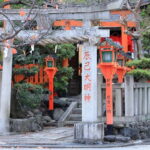
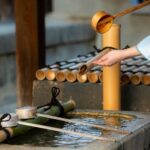
This tour includes a stop at Yasui Konpiragu Shrine, described as special because it is tied to relationships. That single detail is what makes the shrine stop more than a quick photo stop.
You are moving from street-level cultural context into a sacred place with a specific theme. That connection matters, because the geisha district world in Kyoto is not just about costumes and appearances. It’s also tied into social life, etiquette, and the kinds of hopes people bring into relationships.
The guided time at the shrine helps you slow down at the right moment. After walking streets that can feel like a visual barrage, you get a different kind of attention, one that centers meaning over spectacle.
If you like Kyoto when it’s reflective, this stop is a good match. It gives the tour emotional contrast, and it breaks up the walking in a way that feels purposeful.
Passing Yasaka Pagoda, Ninenzaka, and Ishibe Alley to Yasaka Shrine
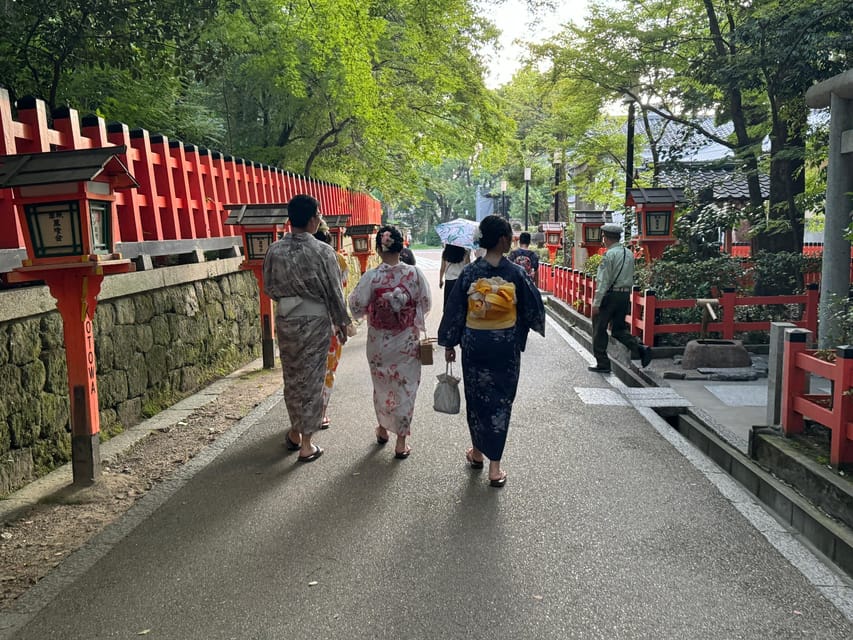
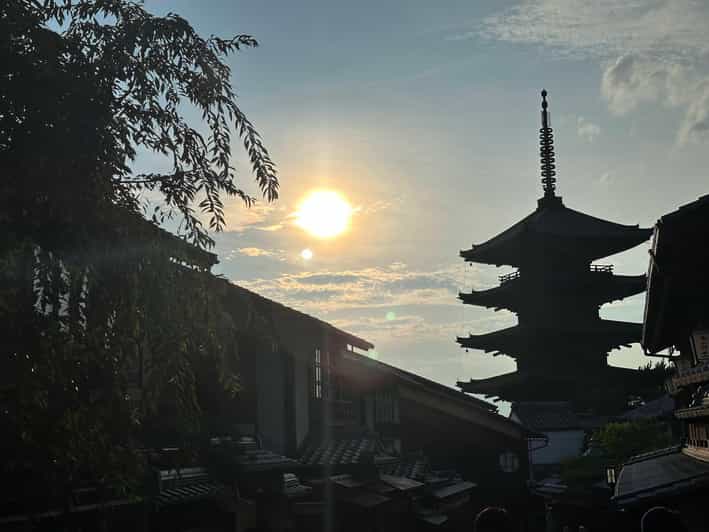
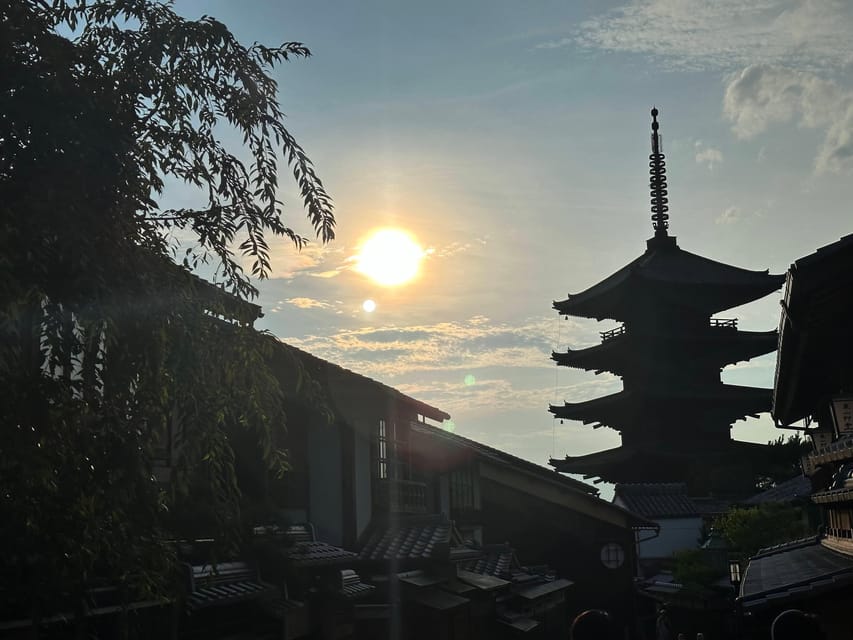
The walk ends with a scenic route past Yasaka Pagoda, then through Ninenzaka and Ishibe Alley, finishing at Yasaka Shrine. This last leg is where the tour turns from geisha district focus into broader classic Kyoto atmosphere.
Ninenzaka is known for its traditional slopes and old-street feel, and Ishibe Alley is a narrow pedestrian lane that adds texture as you move toward the shrine area. These streets work well at night because the spacing and lighting give you a sense of traditional Kyoto character, not just geisha district curiosity.
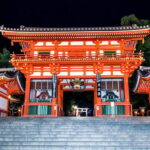
Yasaka Shrine is an important cultural site, and ending there gives the experience a strong landing point. It’s a good way to close the loop: you start with a performance origin reference, you learn about geiko and maiko traditions across multiple districts, and you finish at a shrine that anchors Kyoto’s cultural identity.
Practical note: this is still a walking route. Even if each guided segment is short, the total stroll adds up, so keep your pace comfortable.
Price and Value: Is $64 for 150 Minutes Worth It?
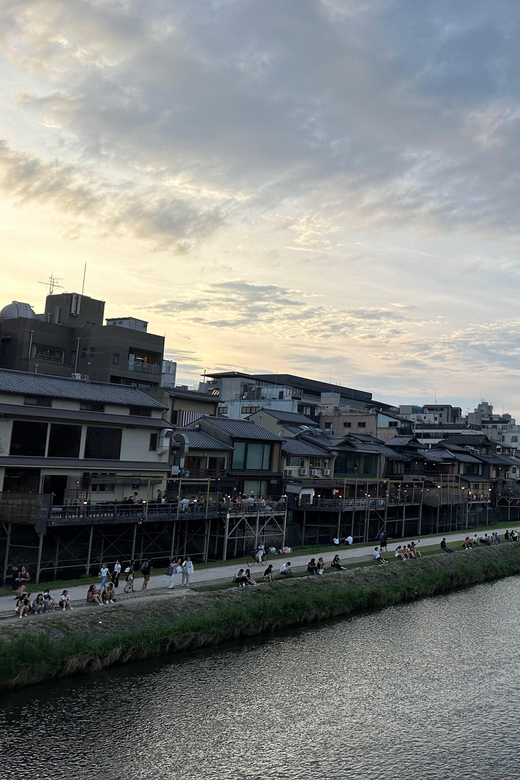
At $64 per person for 150 minutes, the price sits in the mid-range for a guided evening walk in Kyoto. The value question comes down to what you want most.
If you want a thoughtful orientation to Kyoto’s geisha world, including the difference between geiko and maiko and the context behind what you’re seeing, the guide is the main reason this costs more than DIY walking. A good guide changes the experience from sightseeing into understanding.
If your priority is guaranteed geisha spotting, the math may feel harder. One traveler felt it was expensive because they did not see any geishas. That is a fair caution. The tour is about cultural insight and district atmosphere, not a promise of constant performer appearances.
You should also factor in what is not included: there is no food or beverages. That is not a deal-breaker, but it does mean you should plan a dinner before or after, or budget for a meal on your own. Since you are walking, having a plan for timing your food matters more than usual.
Overall, I think this is best value for people who like context and stories, and who want to handle the etiquette side correctly rather than wing it.
Who Should Book This Private Gion and Geisha Evening Tour
This tour makes the most sense if you fit at least a couple of these boxes.
You should consider booking if:
- You want a guided introduction to geiko and maiko culture, with explanations that make the streets easier to read
- You prefer an evening walk for fewer crowds and a more atmospheric feel
- You want to see both famous streets like Hanamikoji and a quieter district like Miyagawacho
- You like respectful, privacy-aware sightseeing instead of nonstop picture taking
It is also a solid choice for families when the guide can keep attention moving. One traveler specifically praised a guide named Yurie for being patient and engaging, including with a tween and teen. That kind of pacing can make the difference between a tour that feels like a lecture and one that feels like an experience.
If you hate walking, or if you want a full food program, you might feel constrained. Shoes are strongly recommended because you will cover a lot of ground on old streets. And because food is not included, you’ll need to think about where you eat around the tour time.
Booking Checklist: Practical Tips Before You Go
Here’s what I’d do to make this tour feel smooth rather than stressful.
First, wear comfortable shoes you can trust on uneven street surfaces. You are walking across historic lanes, and your feet will notice before your brain catches up.
Second, treat privacy as part of the experience. The tour asks you to be respectful of geishas and their privacy, which is exactly how you should act in these districts. Keep your distance, avoid blocking entrances, and follow any local guidance the guide gives you on the moment.
Third, plan for photo limits. Photography may not be allowed in certain areas, so bring a camera with a ready-to-comply mindset. You may end up relying on observation and the guide’s explanations more than your lens.
Finally, if you want the best photos and stories, go in with flexibility. The tour is an evening window into Kyoto culture, not a timed show with guaranteed moments.
Should You Book It?
Book this tour if you want a respectful, guide-led evening walk that helps you understand Kyoto’s geisha districts, not just pass through them. The route has smart variety, starting at Izumo-no-Okuni, covering Gion Shirakawa and Hanamikoji, adding quieter Miyagawacho, and finishing at Yasaka Shrine after classic old-street stops.
Skip or reconsider if you are mainly chasing guaranteed sightings or if you are looking for a food-inclusive night out. In that case, $64 might feel steep for what is ultimately an educational stroll.
If you’re the kind of traveler who likes to learn as you walk, this one has real pull. It is built for atmosphere, context, and that calm nighttime Kyoto feeling when the streets finally let you hear the story.
FAQ
How long is the Kyoto Gion and Geisha district evening tour?
The tour lasts 150 minutes, which is about 2.5 hours.
Where do I meet the guide?
Meet your guide in front of the Statue of Izumo-no-Okuni. The guide will be holding a yellow sign with the DeepExperience logo.
What places will the tour visit?
You will walk through Gion Shirakawa, Hanamikoji Street, and Miyagawacho, with a stop at Yasui Konpiragu Shrine. You will also pass Yasaka Pagoda, walk through Ninenzaka and Ishibe Alley, and finish at Yasaka Shrine.
Is food included?
No. Food and beverages are not included.
Are geishas or geiko and maiko part of the focus?
Yes. The tour includes insights into the world of geisha, with discussion of geiko and maiko from your local guide, and it encourages respectful behavior and privacy.
What language is the guide available in?
The live tour guide is available in Japanese and English.
More Evening Experiences in Kyoto

More Tours in Kyoto

More Tour Reviews in Kyoto
Not for you? Here's more nearby things to do in Kyoto we have reviewed


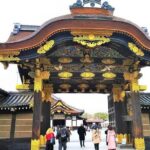
Gion & Geisha District Tours, compared.
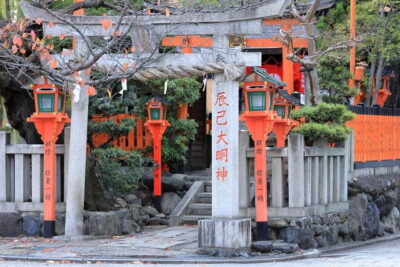 ★ 4.7Kyoto Geisha Walking Tour: Gion District & Hidden GemsFrom $253,273 reviews
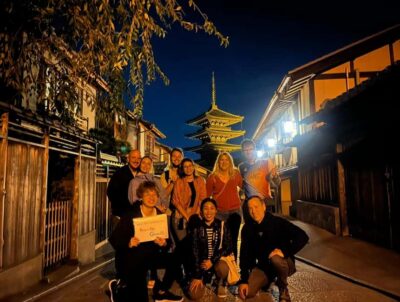 ★ 4.9Gion Magical Night Walking Tour with Geisha TriviaFrom $242,393 reviews
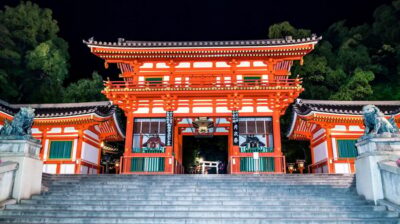 ★ 4.7Gion Geisha District Walking Tour – Stories of GeishaFrom $202,187 reviews
 ★ 4.9Best of Kyoto: Gion, Geisha, Pagodas & CobblestonesFrom $242,058 reviews
 ★ 4.5Night Walk in Gion: Kyoto’s Geisha DistrictFrom $212,003 reviews
 ★ 5.0Kyoto Night Foodie Tour in Gion (9+ dishes + 6 Sake tastings)From $1631,762 reviews
 ★ 5.0Kyoto Gion Geisha District Walking Tour – The Stories of GeishaFrom $251,441 reviews
 ★ 5.0Kyoto Gion: 2-Hour Geisha Culture & History Walking TourFrom $231,186 reviews
Browse the lists this tour appears in