
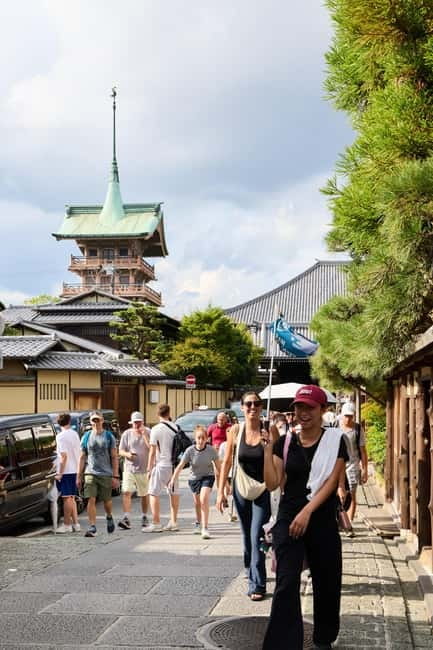
Reviewed · GION & GEISHA DISTRICT TOURS
Kyoto: Gion Geisha District Walking Tour and Hidden Gems
Gion at walking speed changes everything. This 3-hour tour is built for street-level understanding of geisha culture, not just snapping pics, with an English-speaking local guide who ties what you see to how Kyoto works day to day.
I especially love the guide’s storytelling style, the way explanations turn alleyways, temples, and townhouses into a living map of the city. I also love the chance to step off the main crowd trails to spot hidden shrines and calmer backstreets that most people miss.
The main drawback is physical. You’ll hit a lot of steps and uneven lanes, so if low fitness is an issue, plan carefully.
Key things that make this walk worth your time
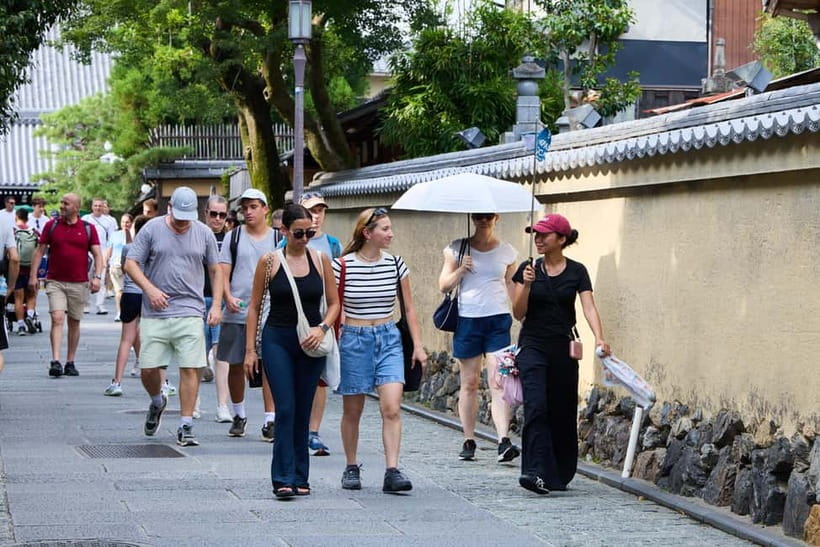
- Geisha and maiko culture explained through daily life, so the district feels understandable, not mysterious
- Hidden shrines and quiet backstreets that add variety beyond the postcard streets
- Real temple and park moments in Chion-in and Maruyama Park, not just a neighborhood loop
- A guided pace that keeps questions welcome, including everyday Japan topics
- A satisfying finish at Kiyomizu-dera Niomon Gate, so you end with momentum and meaning
- Often small-group energy, which makes it easier to ask questions and get personalized attention
Why This Gion Walk Works Better Than a Quick Photo Stop
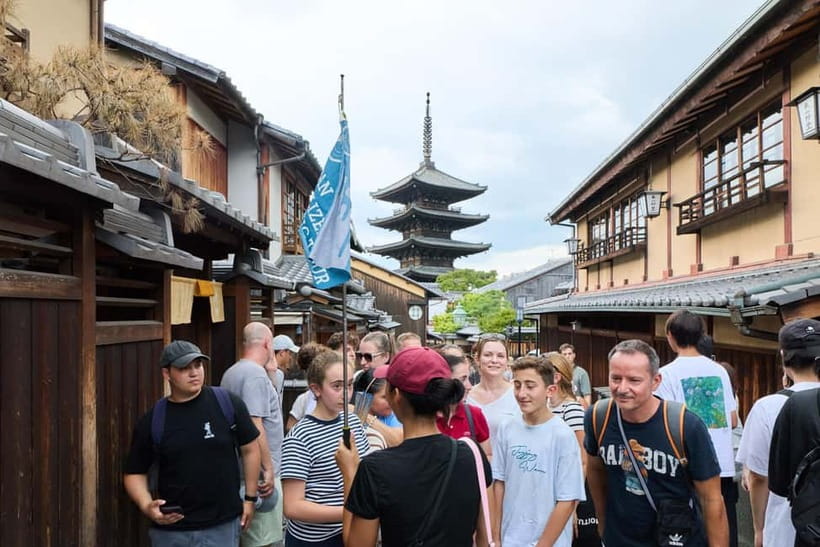
Gion is the kind of place where you can wander for hours and still feel like you only scratched the surface. This tour fixes that with a simple formula: walk the historic streets, stop at key places, and get the context that makes the details click.
For you, the value is clarity. You learn what geisha and maiko training and work look like in the real flow of Kyoto, and how Kyoto’s religious traditions show up in the neighborhood fabric. Instead of treating temples and shrines as separate “things to see,” you start noticing the connections.
You also get a guide who brings more than facts. In the best moments, you’ll feel like you’re hearing Kyoto through real anecdotes. One guide named Ben had an easy, flexible style and covered a wide range of topics beyond the core sights, including how Japanese history connects to what you walk past. Another guide, Jay, was praised for depth plus kindness, and the tour stayed easy to follow even with a mixed age group. That matters, because Gion can be complex fast.
You can also read our reviews of more walking tours in Kyoto
Meeting at Ben’s Cookies Kyoto Shijo and Getting Oriented
You start at Ben’s Cookies Kyoto Shijo. The guide holds a sign out front, so you can spot them without stress. This is a smart starting point because you get an immediate transition from modern street life into the old-town atmosphere.
In the first minutes, you’ll likely get a quick sense of where you’re going and what to watch for as you go. That’s huge in Kyoto. Streets can look similar when you’re moving quickly, and local guidance helps you notice the preserved wooden townhouses, traditional teahouse-style architecture, and the smaller markers that hint at what’s important nearby.
Practical tip for you: if you want great photos, bring your camera settings ready. You won’t have time to fuss with gear later, because the walk moves through multiple neighborhoods and stops within about three hours.
Gion Tatsumi Bridge: A Classic View With a Story Behind It

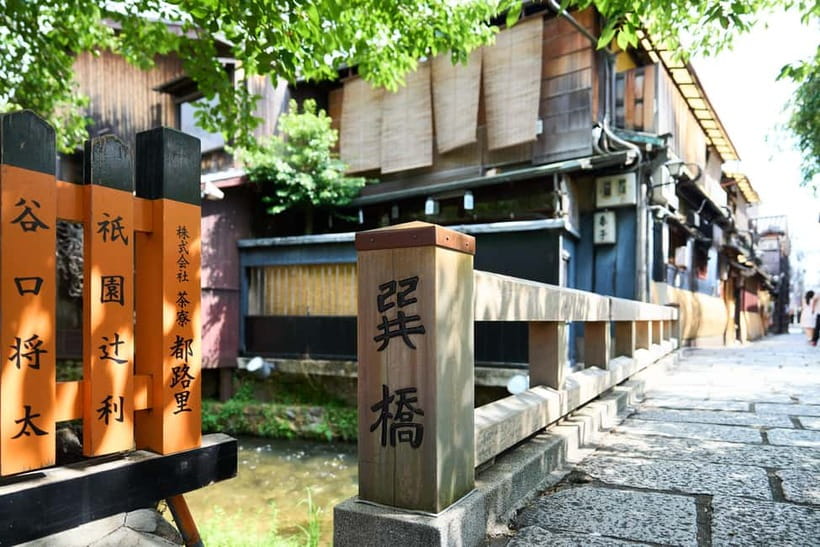
After you get going, you’ll reach Gion Tatsumi Bridge. This stop is more than a pretty frame. Bridges in Kyoto often sit at the point where daily life, waterways, and neighborhood culture overlap.
The guide’s job here is to make the area make sense. You’ll hear explanations that connect Gion’s role in the city with how traditions continue in everyday life. That’s when Kyoto stops feeling like a museum and starts feeling like a place people actually live in.
What to expect: you’ll pause briefly, look around, and then move into the denser alleyway rhythm. If you’re the type who likes to understand why a place is famous, this is where the tour earns its keep.
Chion-in: When Religious Traditions Shape the Neighborhood
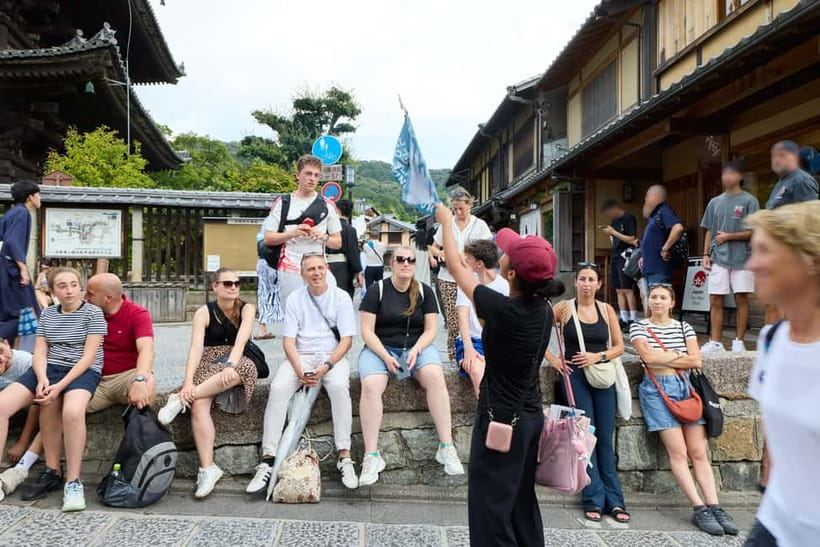
Next up is Chion-in. This is a bigger, more grounded temple experience than some people expect from a geisha-district tour. And that’s why it works. Kyoto’s cultural districts are not isolated islands. They sit in the same spiritual and historical ecosystem.
During the guided visit, you’ll get context about religious traditions and how they relate to what you’re seeing around Gion. Instead of treating Gion as only entertainment and aesthetics, the tour links it to a deeper Kyoto worldview.
A drawback to note: if you’re hoping for a nonstop “street-only” experience, temple time can feel slower. But it’s also where the tour’s balance shows. You get calm, contrast, and better understanding of why the streets look the way they do.
Maruyama Park: A Break in Pace and a Sense of Local Atmosphere
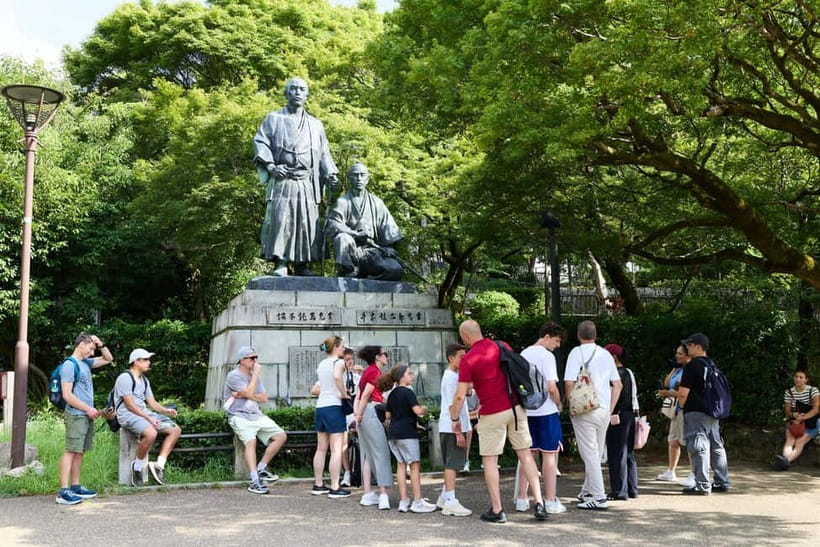
Then you’ll head to Maruyama Park. Parks sound simple, but in Kyoto they often act like breathing space between busy sightseeing zones. The guide uses this stop to tie the walking route to Kyoto’s changing rhythms and the way different public spaces shape daily life.
You’ll likely appreciate the short pause if you’ve been weaving through lanes and stairs. It’s also a good moment to reset your brain and think about the tour’s bigger theme: how historical Kyoto evolved into a modern cultural center without losing its traditions.
Photo-wise, parks give you a different kind of frame than the narrow streets. You can capture wider views and a more human sense of place, not just textures of stone and wood.
Hōkan-ji Temple: Quiet Calm Between the Crowds
Hōkan-ji Temple is a quick guided stop, but it’s placed intentionally. After Chion-in and the park, this helps you keep variety. Instead of repeating similar alley scenes, you shift back into a temple setting where the mood often feels more controlled and reflective.
This is also one of the points where you may notice small details more clearly. With a guide, you don’t just pass by. You understand what the space represents and why it fits the route through Gion and the Higashiyama area.
If you’re sensitive to crowds, temple stops are a relief. They tend to feel less like a shopping hallway and more like you’re stepping into a slower beat, even if people are around.
Ninenzaka and Sannenzaka: The Slopes That Feel Like Kyoto on Foot
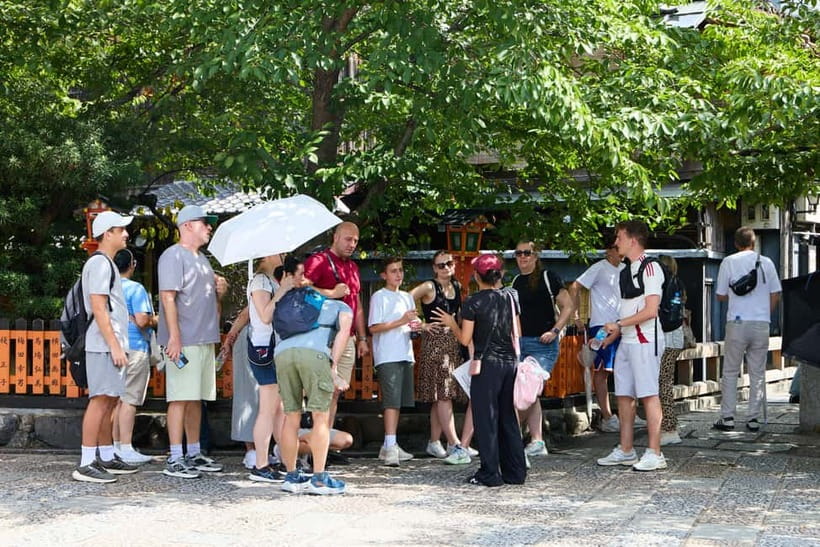
As you move toward the historic slopes, you’ll walk the Ninenzaka Path and then Sannenzaka. These are the kind of lanes where the city looks “old” instantly, with layers of tradition in the street design and building styles.
What makes this part valuable is that the guide helps you read the streets instead of just walking through them. You’re not only looking at the scenery, you’re learning how this part of Kyoto connects to its long timeline and how tradition still shapes daily movement.
A practical note: this is a short segment in the tour plan, but the vibe can be busy. If you want fewer headaches while taking photos, think about timing your shots when you’re near the edges of the path, not in the densest middle flow.
Also, this whole section is part of why comfortable shoes matter. Even if you’re not far from your start point, stone surfaces and stair-like steps can add up.
The Finale at Kiyomizu-dera Niomon Gate
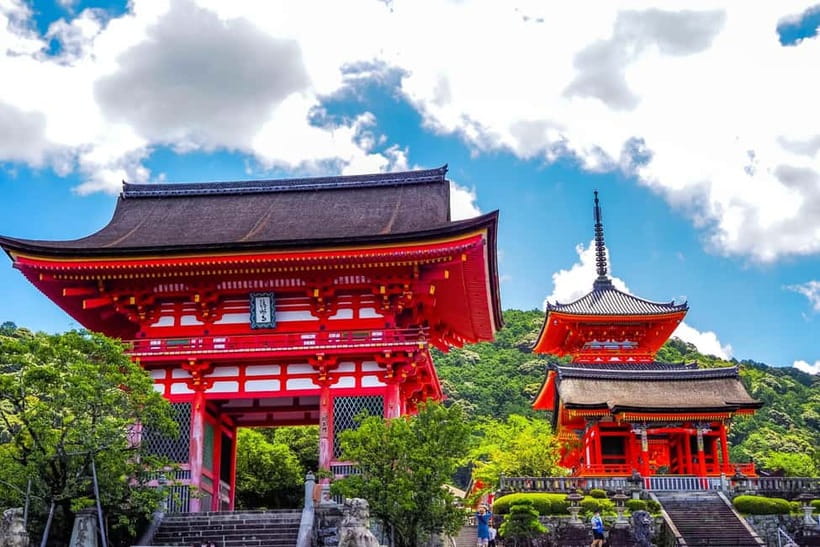
The tour finishes at Kiyomizu-dera Niomon Gate. That’s a strong ending. Starting in the Gion district puts you in the cultural neighborhood mood, and finishing at a major temple gateway gives you a “destination moment” that feels satisfying.
The best part of finishing here is continuity. By the time you reach Kiyomizu-dera, you’ve already learned how the tour’s themes connect: traditions, daily life, and Kyoto’s historical layering. The final gate stop often lands like a punctuation mark.
If you’re planning your next steps, this ending is helpful. You don’t end in a random street corner. You finish at a well-known anchor point where you can orient yourself for onward exploration.
Price and Time: Is $25 Good Value for a 3-Hour Walk?
At $25 per person for a three-hour guided walk, this is the kind of price that works well for budget-minded travelers who still want more than a self-guided shuffle.
Here’s what you’re paying for, in practical terms:
- An English live guide who explains geisha culture and daily-life connections
- Multiple major stops plus quieter side moments, so you’re not repeating the same postcard angle
- A guided route with a clear beginning and finish, which matters in Kyoto where getting lost is easy
If you compare it to the cost of paying for entry tickets one by one, the math gets even better because much of what you experience is about context and walking the right order.
The only reason you might question the value is if you strongly prefer unguided wandering, or if stairs and steps are a deal-breaker for you. Otherwise, the route design is built to give you a lot of meaning for the time and money.
Tips for a Smoother Walk (Comfort, Photos, and Questions)
This tour is simple in concept but busy in practice. Plan around a few realities.
Bring water. It’s specifically recommended, and you’ll appreciate it more than you think, especially when you’re moving through multiple stops and elevations.
Wear shoes with grip. The route includes a lot of steps. That means your feet do real work, not just standing around for photos.
You can also use the guide like a resource. You’ll likely have room for general questions about day-to-day life in Japan, and that makes the tour feel less like a script and more like a conversation with someone who understands how Kyoto functions.
Finally, keep your expectations realistic. This is not a slow museum tour. It’s a guided walk where the story is tied to motion, so give yourself permission to keep up and enjoy the momentum.
Who Should Book This Tour, and Who Might Want Something Different
I’d book this for you if:
- You want to understand geisha culture through real explanations, not myths
- You like walking routes with variety, not only one street and a few photos
- You appreciate temple and cultural context, even if you came for Gion
- You want a manageable three-hour block that covers a lot of key points in the Higashiyama area
I might hesitate if:
- You have low fitness, since the route includes many steps
- You prefer relaxed, low-footwork sightseeing with minimal walking
- You’d rather skip cultural background and just move at your own pace
The good news is that when the group is smaller, the guide can go even deeper and give more room for questions. That’s the sweet spot for learning and for getting the most out of your time.
Should You Book This Kyoto Gion Geisha District Walking Tour?
If you want Kyoto to feel understandable, not just scenic, I think this is an easy yes. The guide role is the core product here, and the best part is how stories connect geisha culture, religious traditions, and everyday street life. You also get quiet moments, like shrines and backstreets, that make the walk more satisfying than a purely famous-route checklist.
Book it if your feet are up for stairs and you’re okay with a steady pace. Skip it if steps would be stressful for you. If you’re on the fence, think about what you value most: the look of Gion, or the reasons behind it. This tour leans hard toward the reasons, and that’s why it feels worth your time.
FAQ
How long is the Kyoto Gion Geisha District walking tour?
It lasts about 3 hours.
Where do I meet the guide?
Meet in front of Ben’s Cookies Kyoto Shijo. The guide will be holding a sign.
What is the tour language?
The tour is in English with a live guide.
How much does the tour cost?
The price is $25 per person.
What should I bring?
Bring water.
Are alcohol or drugs allowed on the tour?
No, alcohol and drugs are not allowed.
Is the tour suitable for people with low fitness?
No, it’s not suitable for people with low level of fitness because there are a lot of steps.
Can I cancel for a refund and pay later?
Yes. You can reserve now and pay later, and you can cancel up to 24 hours in advance for a full refund.
More Walking Tours in Kyoto



More Tours in Kyoto

More Tour Reviews in Kyoto
Not for you? Here's more nearby things to do in Kyoto we have reviewed





Gion & Geisha District Tours, compared.
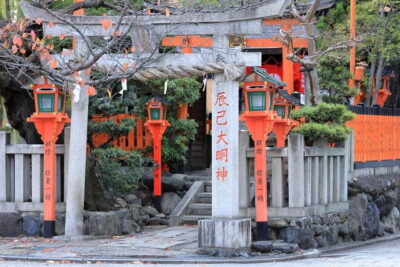 ★ 4.7Kyoto Geisha Walking Tour: Gion District & Hidden GemsFrom $253,273 reviews
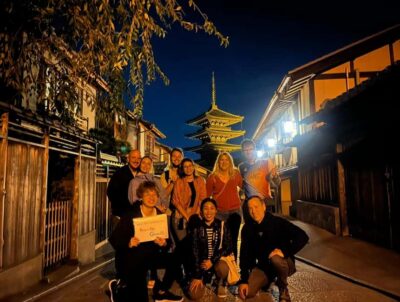 ★ 4.9Gion Magical Night Walking Tour with Geisha TriviaFrom $242,393 reviews
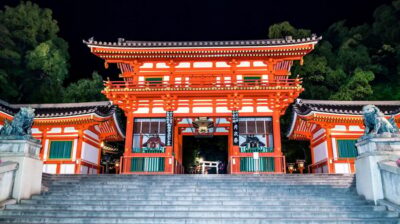 ★ 4.7Gion Geisha District Walking Tour – Stories of GeishaFrom $202,187 reviews
 ★ 4.9Best of Kyoto: Gion, Geisha, Pagodas & CobblestonesFrom $242,058 reviews
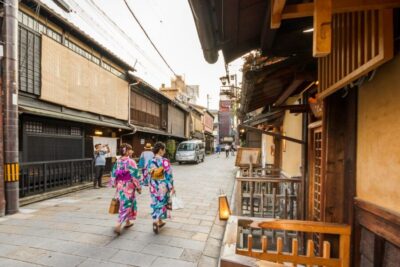 ★ 4.5Night Walk in Gion: Kyoto’s Geisha DistrictFrom $212,003 reviews
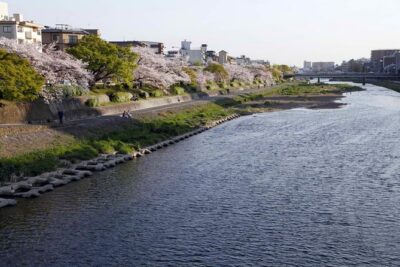 ★ 5.0Kyoto Night Foodie Tour in Gion (9+ dishes + 6 Sake tastings)From $1631,762 reviews
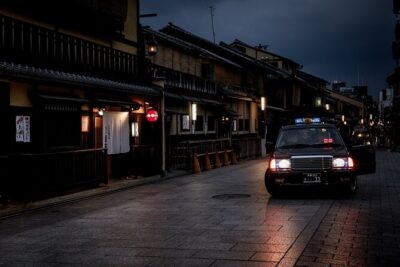 ★ 5.0Kyoto Gion Geisha District Walking Tour – The Stories of GeishaFrom $251,441 reviews
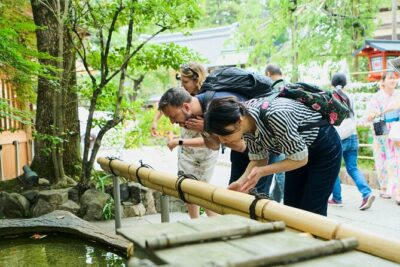 ★ 5.0Kyoto Gion: 2-Hour Geisha Culture & History Walking TourFrom $231,186 reviews
Browse the lists this tour appears in