
Reviewed · GION & GEISHA DISTRICT TOURS
Kyoto: Gion Night Tour Stories of Geisha and Maiko
Geisha sightings start with a quiet walk. This 2-hour Gion evening stroll is timed for sunset, when the crowds thin and you can spot real rhythms of the district before night fully settles in. You’ll get guided stops plus photo moments, with chances to catch fleeting glimpses of geisha heading out.
I especially love how much you learn without feeling stuck in a classroom. You’ll pick up how to identify teahouses and traditional symbols, and the guide storytelling about geisha and maiko culture gives meaning to what you’re seeing right in front of you. Plus, the group stays small, capped at 15 people, so the vibe stays calm.
One consideration: you’re not guaranteed a long, up-close encounter. Even though you may see geisha in passing, it’s usually brief. Also, the live tour language listed is Spanish, so double-check it fits you.
Key things I’d watch for on this Gion night walk
- Small group size (max 15) keeps the route feel personal, not rushed.
- Sunset timing means gentler streets and better chances for quiet views of Gion’s evening life.
- Practical training on teahouse signs helps you read the district like a local.
- Guided history and culture of geisha and maiko turns pretty streets into context.
- Photo stops plus walking paths give you both snapshots and real explanations.
Gion at Dusk, When Crowds Thin and Stories Start
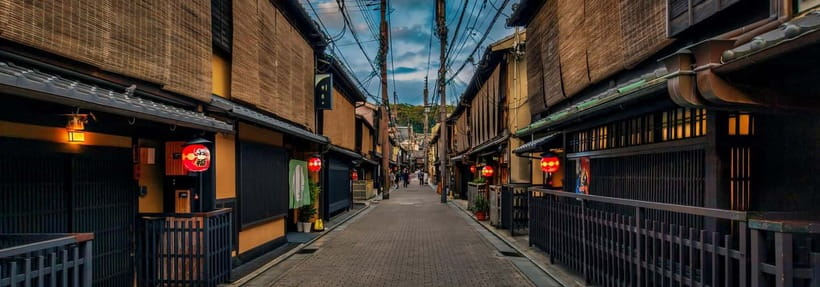
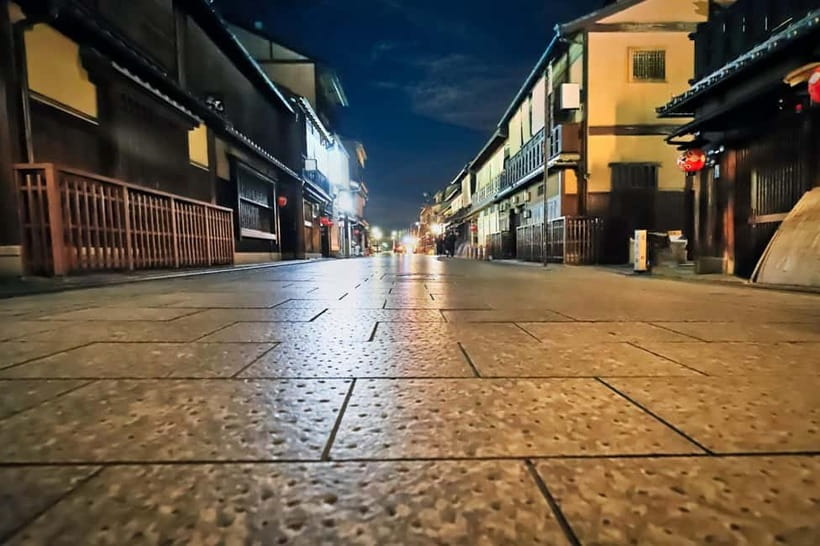
Gion looks best when the day starts to loosen its grip. This tour runs in the evening, timed so you can wander the lanes at dusk, when the street energy changes and you’re more likely to see daily life rather than tour-cluster chaos. The whole point is that Gion feels different when the sun is low, lanterns are starting to glow, and people move with purpose.
A big win here is that the walk is built around “watch and understand.” You’re not just moving through a pretty neighborhood. You’re learning what to notice: the structures, the little visual cues, and the way the district has kept traditions alive while modern Kyoto carries on around it. That’s what makes the experience feel more like knowledge you can use, instead of a checklist of sights.
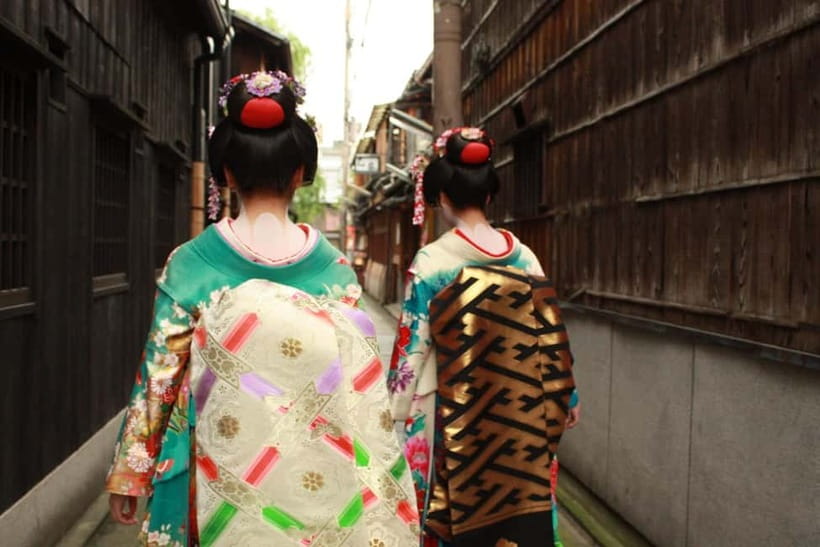
And yes, there’s a chance to see geisha on their way to evening appointments. The key word is chance, not certainty. I like tours that stay honest about the reality of privacy in Japan, and this one sets expectations that you might catch quick glimpses while you’re walking.
You can also read our reviews of more evening experiences in Kyoto


From Ben’s Cookies Shijo to Geisha History in Two Hours
You’ll meet at Ben’s Cookies Kyoto Shijo. The guide holds a sign with the tour name, which makes it easier to find the group quickly, especially if you’re already walking around central Kyoto before the start. From there, the tour begins with a short guided introduction, about 5 minutes, just enough to get oriented.
The route is compact and designed for a smooth 2-hour experience. You’ll hit several focused stops, with guided time at each one (most are around 15 minutes, plus shorter transitions). That structure matters because it prevents the classic problem of long tours where you spend half your time walking and the other half wishing you knew what you were looking at.
Also, the tour style is small group and guided, which changes how you experience the neighborhood. With fewer people, it’s easier to look up at details, pause without blocking others, and ask questions when something catches your eye. The guides mentioned in the experience descriptions and comments, including Pedro and Manuel, are praised for making the culture feel clear and enjoyable, not stiff.
One practical note: since the tour is listed as Spanish, plan to follow along comfortably if that’s your language. If you’re not fluent, you may still enjoy the visuals, but your understanding will take a hit.
Izumo-no-Okuni Statue: Setting the Entertainment Tone
Early in the walk, you stop at the Statue of Izumo-no-Okuni for about 15 minutes of guided time. Even if you don’t come in knowing the name, this kind of stop gives you a cultural anchor. It’s a reminder that Gion’s identity has always been connected to performance, art, and public imagination, not just nightlife aesthetics.
What I like about starting with a named figure is that it helps you frame everything that follows. Later, when you see teahouses and the street patterns of the district, you can connect those details to the larger story the guide is telling. Without this kind of context, Gion can feel like a set of charming facades. With it, it feels like a living cultural system.
Drawback to keep in mind: since this is a statue stop, you won’t get the same “street drama” feeling you’ll get near the canal or quieter alley sections. But it’s a good trade. You’re building understanding first, so the more atmospheric parts land harder later.
Shirakawa Canal Walk: Light, Water, and Alley Views
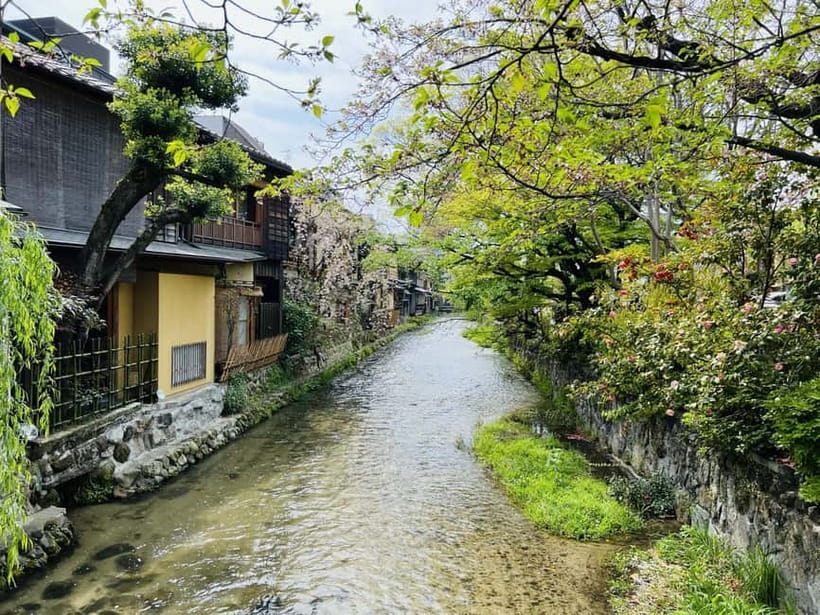
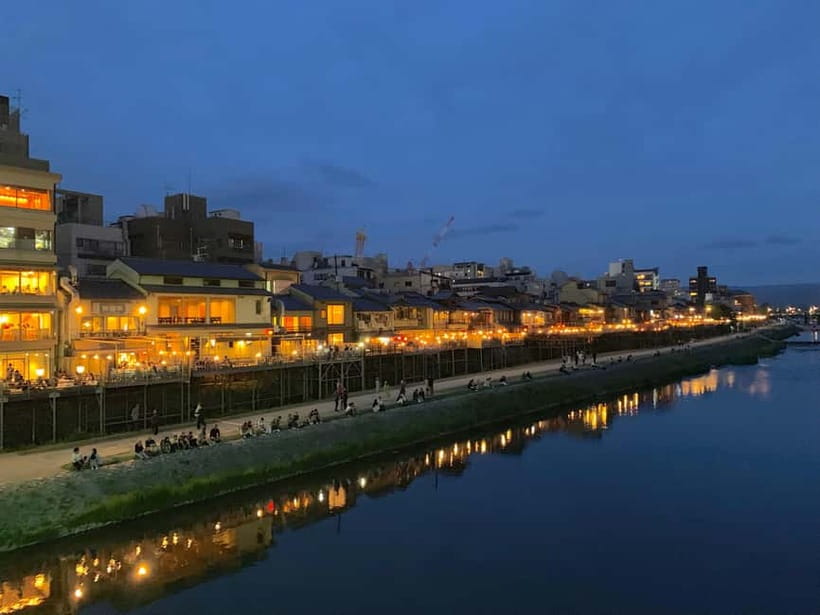
Next you head toward the Shirakawa Canal area, another guided stop of about 15 minutes. Canal-side Kyoto has a way of calming your brain. Water reflects the light, and the surroundings feel more layered, even when you’re only moving at a walking pace.
This stop also acts like a visual breather in the tour flow. You can reset your eyes, collect your photos during the right light, and pay attention to how the canal neighborhood connects to the Gion streets you’ll explore after. Since the tour is timed for dusk, you’re more likely to catch that gentle transition from daylight clarity to evening mood.
A practical thing I’d plan for here: cameras. You’ll have photo opportunities in the route, but canal light can change quickly near sunset. If you want photos that look like Kyoto and not like a blurry scramble, keep your camera ready but don’t hold up other people. Quiet coordination beats rushing.
How to Spot Teahouses and the Signs Geisha Know
This is the heart of the experience: learning how to identify teahouses and interpret traditional symbols along Gion’s alleys. The tour is explicitly designed around this skill, and it’s the part that makes the walk feel genuinely useful, even after you leave the area.
In practice, what you’ll take away is not just where teahouses are, but how to read the visual language of the district. Your guide explains what those signs and details are trying to communicate, so you’re not guessing. That turns casual sightseeing into pattern recognition. You start noticing cues you would have missed on your own, like the way certain buildings announce their role and the way alleys feel “signposted” without being loud.
I also like that this learning happens while you’re walking. It sticks better. You see a detail, you get context immediately, then you move on. That rhythm helps you remember the meaning when you’re back on the street trying to find your own way later.
And since the tour is small (maximum 15 people), your guide can slow down when you have questions. That’s especially helpful for this kind of cultural reading, where one explanation can change your whole perception of what you’re looking at.
If you have any sensitivity about privacy, this section is a good reminder to keep things respectful. You’re there to understand culture from the street, not to force encounters. Your best moments here are usually the ones you notice quietly, not the ones you demand.
Gion Corner Photo Stop and the Meaning Behind Details
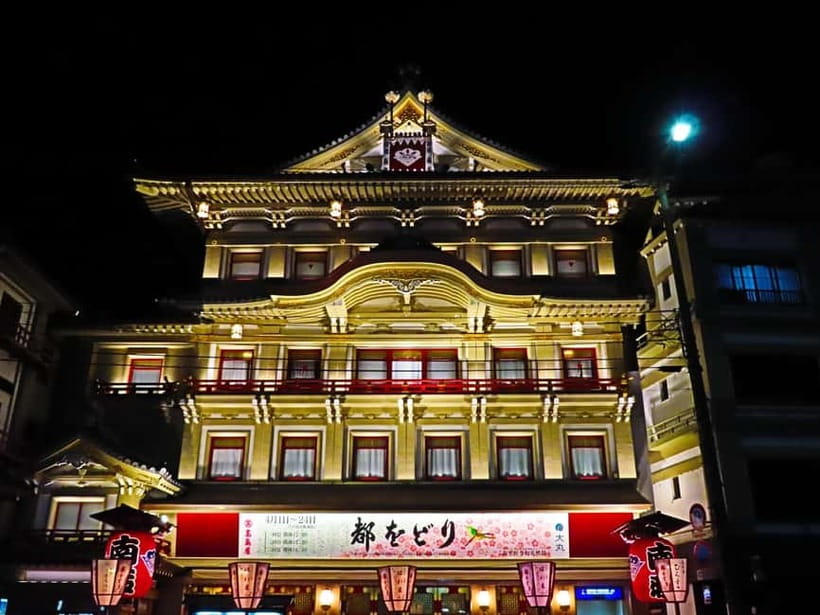
You’ll also make time for Gion Corner, including a photo stop and guided visit. This is one of the places where the tour shifts from purely scenic to specifically interpretive, meaning the guide doesn’t just point and move. The stop is used to explain how traditions show up in everyday street life.
Even without getting into performance-level specifics, the value is in what you learn to see. You start understanding Gion as more than a postcard. It’s a set of norms, locations, and signals that shape how people move through the neighborhood at night.
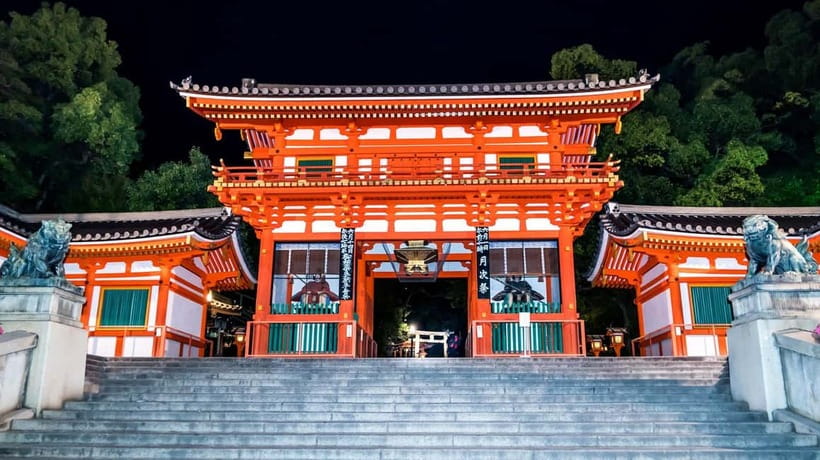
After that, you get another focused stop at Yasaka Shrine at the end. That finish is smart. Yasaka Shrine is a strong landmark in its own right, and wrapping up there helps you transition cleanly into dinner plans or a relaxed stroll afterward.
One small tip for photo moments: treat them like short windows. The guide sets them up, then moves on. If you spend too long at one corner, you’ll miss explanations elsewhere that give those photos context.
Ending at Yasaka Shrine, With More Night in Your Plans
The tour finishes at Yasaka Shrine. That’s convenient, because you’re ending at a place most Kyoto visitors already have on their mental map. It also means the walk naturally leads into the next phase of your evening, rather than dumping you somewhere random.
There’s another practical benefit here. One of the guide recommendations mentioned alongside the experience is that the guide can suggest food spots in the surrounding area. Even if you don’t follow every suggestion, it’s a helpful way to get local thinking about where to eat without wasting time hunting while hungry.
If you’re deciding when to eat, I’d plan your dinner soon after the tour rather than far later. The tour is short, 2 hours, and the late evening energy in Kyoto can move fast. Leaving enough time for a simple meal keeps your night from feeling like a sprint.
Should You Book This Geisha and Maiko Night Tour?
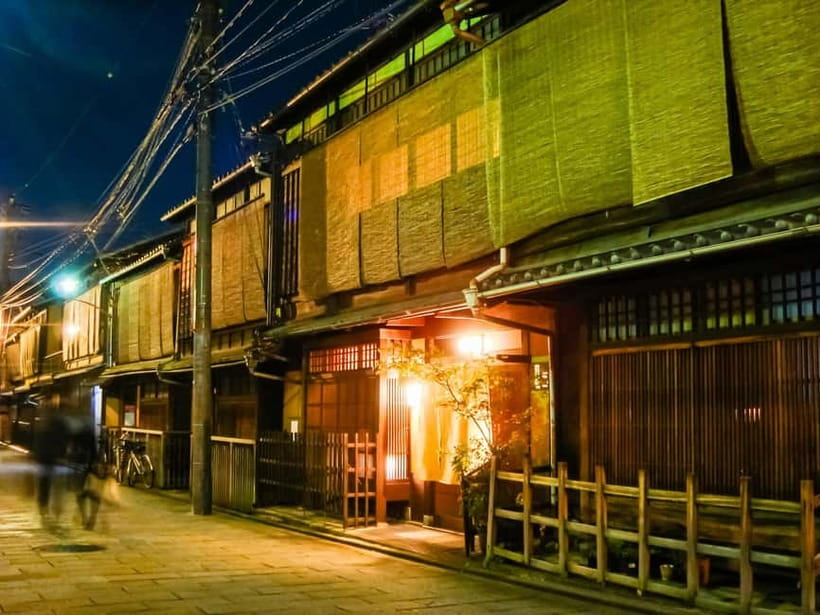
Book it if you want more than photos. This tour is built around learning, especially how to read teahouses and traditional signs, and it does that while you’re walking in a part of Kyoto that changes character at dusk. The small group size (max 15) is also a real quality upgrade, because it makes the explanations feel personal instead of mass-guided.
I’d hold off if you’re chasing guaranteed geisha sightings. The experience is designed around brief chances to see geisha on their way out, not a staged encounter. Also, since the listed live guide language is Spanish, make sure that won’t frustrate you halfway through.
If you’re a curious walker who likes street-level culture, this is a strong value for the price, especially considering you get multiple guided stops plus cultural explanations in a compact 2-hour format.
FAQ
How long is the Kyoto Gion Night Tour Stories of Geisha and Maiko?
It lasts 2 hours.
How much does the tour cost?
The price is $22 per person.
Where does the tour start, and where does it end?
It starts at Ben’s Cookies Kyoto Shijo and finishes at Yasaka Shrine.
How big is the group?
The tour keeps it small, with a maximum of 15 participants.
What languages is the tour offered in?
The live tour guide is listed as Spanish.
Is the tour suitable for children?
It is not suitable for children under 12 years.
What is included in the tour?
You get a guided walking tour with a guide, cultural and historical explanations about geisha and maiko, and help with tips for identifying teahouses and traditional symbols.
More Evening Experiences in Kyoto


More Tours in Kyoto

More Tour Reviews in Kyoto
Not for you? Here's more nearby things to do in Kyoto we have reviewed


Gion & Geisha District Tours, compared.
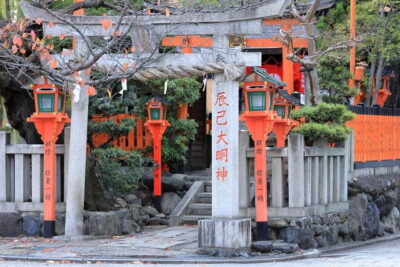 ★ 4.7Kyoto Geisha Walking Tour: Gion District & Hidden GemsFrom $253,273 reviews
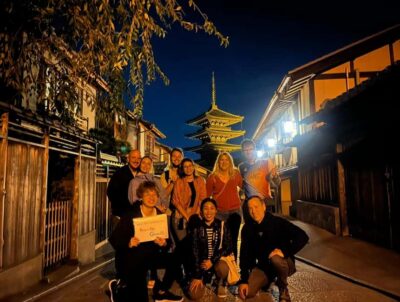 ★ 4.9Gion Magical Night Walking Tour with Geisha TriviaFrom $242,393 reviews
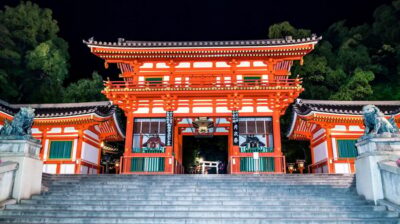 ★ 4.7Gion Geisha District Walking Tour – Stories of GeishaFrom $202,187 reviews
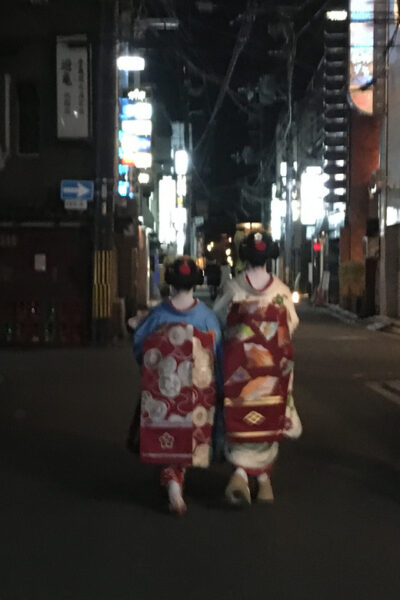 ★ 4.9Best of Kyoto: Gion, Geisha, Pagodas & CobblestonesFrom $242,058 reviews
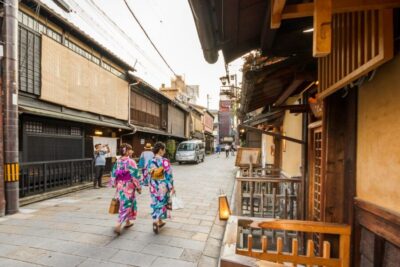 ★ 4.5Night Walk in Gion: Kyoto’s Geisha DistrictFrom $212,003 reviews
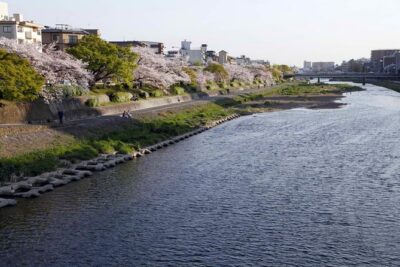 ★ 5.0Kyoto Night Foodie Tour in Gion (9+ dishes + 6 Sake tastings)From $1631,762 reviews
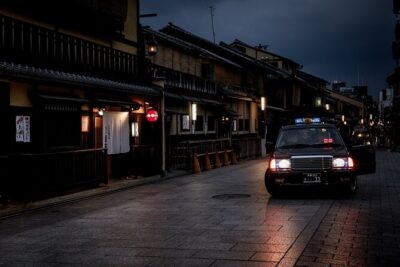 ★ 5.0Kyoto Gion Geisha District Walking Tour – The Stories of GeishaFrom $251,441 reviews
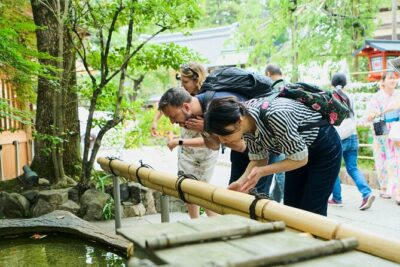 ★ 5.0Kyoto Gion: 2-Hour Geisha Culture & History Walking TourFrom $231,186 reviews
Browse the lists this tour appears in