
Reviewed · GION & GEISHA DISTRICT TOURS
Kyoto Gion Tea ceremony & Wabi-sabi Walking Tour
Tea in Kyoto feels like quiet theater. This tour pairs a Gion stroll with real wabi-sabi lessons, then ends in an authentic tea ceremony with matcha and a small seasonal snack. I love how the route connects philosophy to real places, from the oldest Zen temple in Kyoto to a pottery shop. I also love the tea ceremony structure, especially choosing a tea bowl based on season and taste.
One thing to watch is timing. You have to be on time at the Gion-Shijo meeting point, because if you miss the group you cannot join, and you will not get a refund or reschedule.
You get a small group (up to 7), an English-speaking guide, two temple entrances included, and photos during the tour. The whole experience runs about 210 minutes, so it feels like a full morning or afternoon reset in the middle of Kyoto sightseeing.
Key takeaways before you go
- Wabi-sabi taught on foot, not just explained in a room
- Kenninji Temple stop, giving Zen context for matcha
- Tea bowl shopping moments, where you learn what to look for
- A real tea ceremony with a tea master, plus Japanese sweets
- Small group size, limited to 7 participants for a calmer pace
- Route flexibility, depending on day and conditions, which can change the feel of the walk
Tea, temples, and the wabi-sabi lesson in Gion
If you only think tea ceremony is about drinking tea, this tour nudges you to see it differently. Tea is treated like a way to notice beauty in a quieter, more human direction, including imperfections and aging. Your guide brings that idea to life as you walk through Kyoto, where you are not just looking at buildings, you are practicing the mindset.
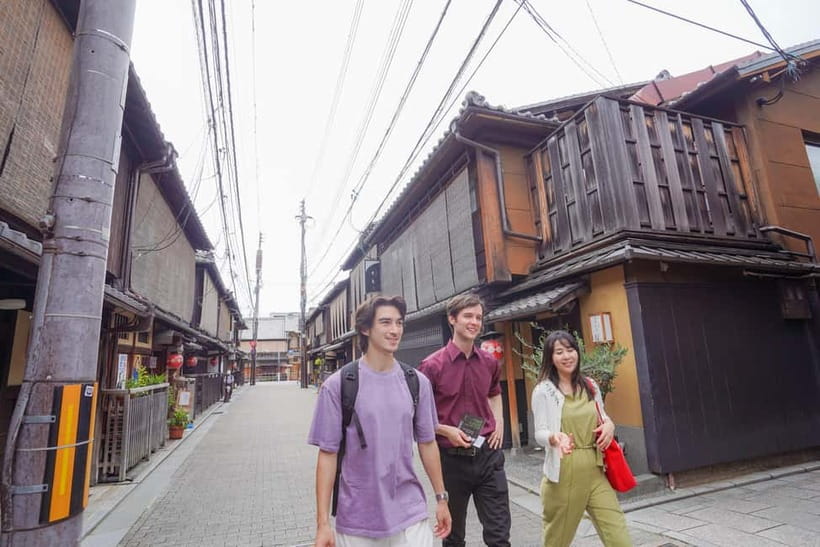
The tour’s big strength is that it does not isolate the ceremony from the culture. You move through Gion and Higashiyama with explanations that connect utensils, manners, and philosophy to what you see around you. The matcha tasting at the end is the payoff, but the real work happens on the way there.
And yes, matcha matters. You get to drink it as part of the ceremony, with a small seasonal snack. That combination helps the experience land as something calm and complete, not a rushed performance for photos.
You can also read our reviews of more walking tours in Kyoto
Meeting at Gion-Shijo and setting the slow pace
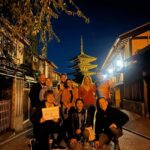
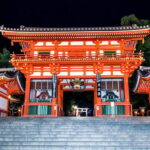
You start in a very specific spot: in front of Izumo no Okuni statue, right outside Exit 5 of Gion-Shijo Station on the Keihan Line. Your guide holds an orange signboard that reads Magical Trip Tour. That detail sounds small, but it matters in Gion, where meeting points can get confusing fast.
The group is small, capped at 7 people. That usually means less waiting and more back-and-forth when you have questions. It also helps the walking feel like a guided stroll rather than a sightseeing stampede.
Your timing does matter. The tour is designed to start on schedule, because it includes temple visits and a booked tea ceremony time. If you are late, you can end up missing the ceremony portion entirely, and you will not get a refund or reschedule. This is not the kind of tour where you can wander a few streets and hope it works out.
If you want the best experience, show up with a little buffer, then let the walk pace you. Kyoto rewards that.
Kenninji Temple and the Zen roots behind matcha
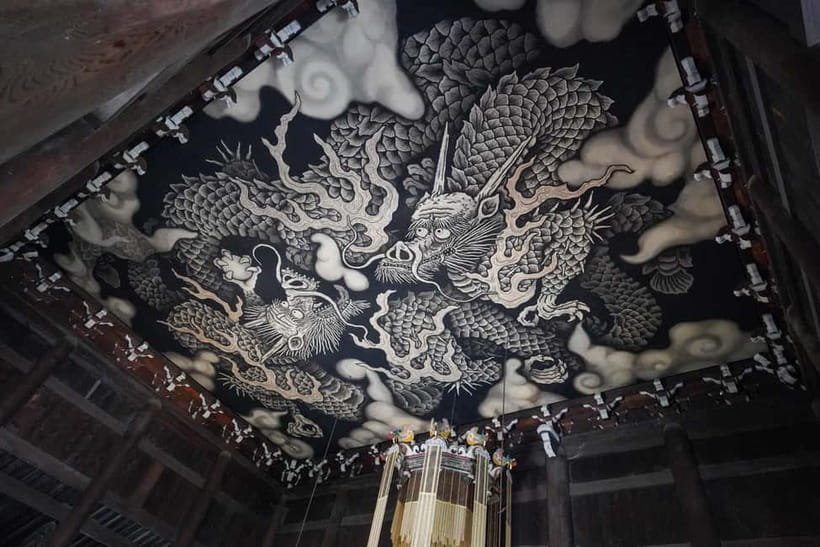
One of the highlights is a stop at Kenninji Temple, which is described as the oldest Zen temple in Kyoto. That matters because matcha and tea ceremony traditions are not floating in space. They grew inside a Zen cultural world where discipline, simplicity, and attention to form and meaning are central.
When you visit a Zen temple on this kind of tour, you are not only seeing architecture and gardens. You are building a mental frame for why tea ceremony etiquette looks the way it does. You start learning how small movements and careful attention are the point.
This is also where the tour gives you a chance to slow down visually. Kyoto temples can feel crowded if you rush through them. With a guide, you can focus on what your eye might otherwise skip: how places encourage quiet behavior, and how that connects to the ceremony later.
If you like taking part in shrine or temple stamp books, bring one. A previous participant expanded a stamp book at the religious stops during the tour. Even if you are not collecting stamps, having a small notebook for names and details can make the philosophy stick.
Higashiyama walks: pottery, paintings, and a dry garden
After Kenninji, the walk shifts into Higashiyama Ward, where the tour balances sightseeing with the wabi-sabi theme. You visit a matcha shop and then move through quieter cultural stops, including a traditional pottery shop.
This part is one of the most hands-on segments of the experience. Wabi-sabi is easiest to grasp when you can see it in objects. Tea bowls are not just functional. Their shape, glaze, and wear are part of the aesthetic language. At the pottery shop, you get to admire tea bowls and pick up the idea that imperfection can be a feature, not a flaw.
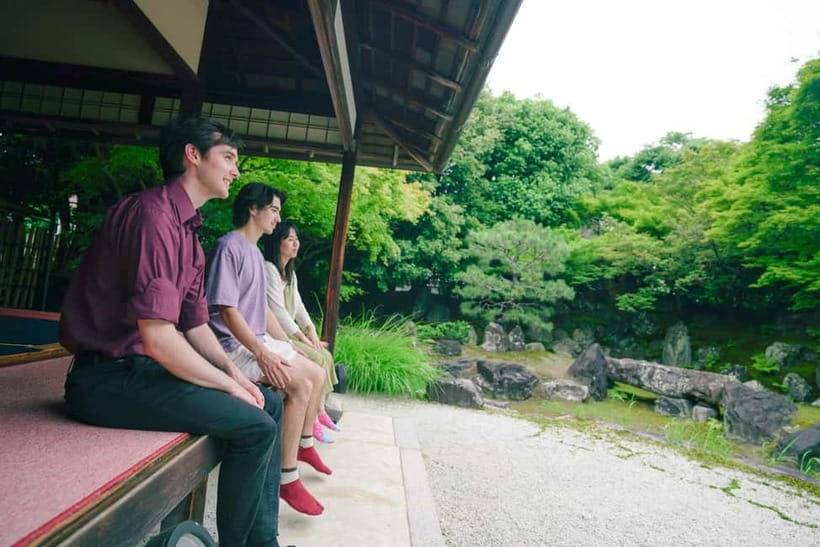
You also view Japanese paintings and a karesansui dry landscape Zen garden at a quiet temple stop. That garden detail is important. It reinforces the idea that tea ceremony beauty is not only what you see at first glance. It is also the space between elements, the suggestion, and the calm that comes from restraint.
A past participant described the program as having a variable feel. That makes sense here. Some days, you might spend a little more time at specific points depending on conditions and how the guide keeps the group moving. That flexibility can be a plus if you want your tour to adapt instead of feeling like a scripted checklist.
The tea ceremony step-by-step, from bowl choice to sweets
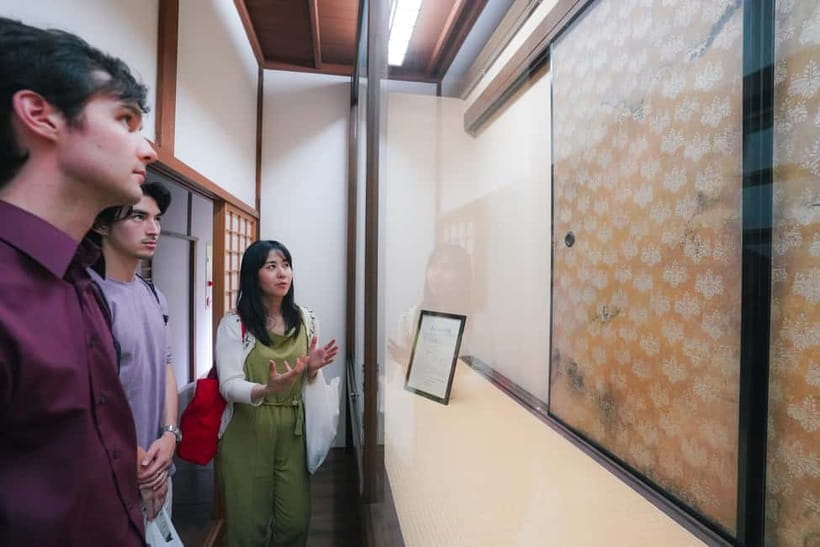
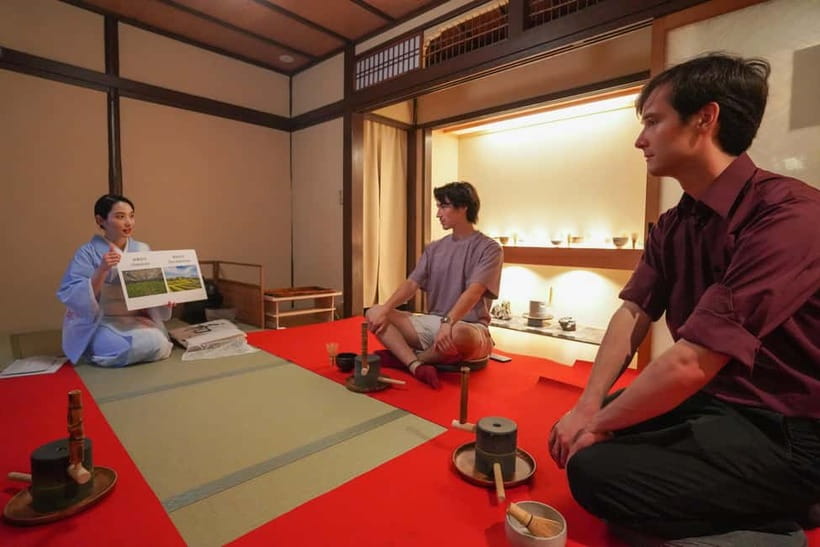
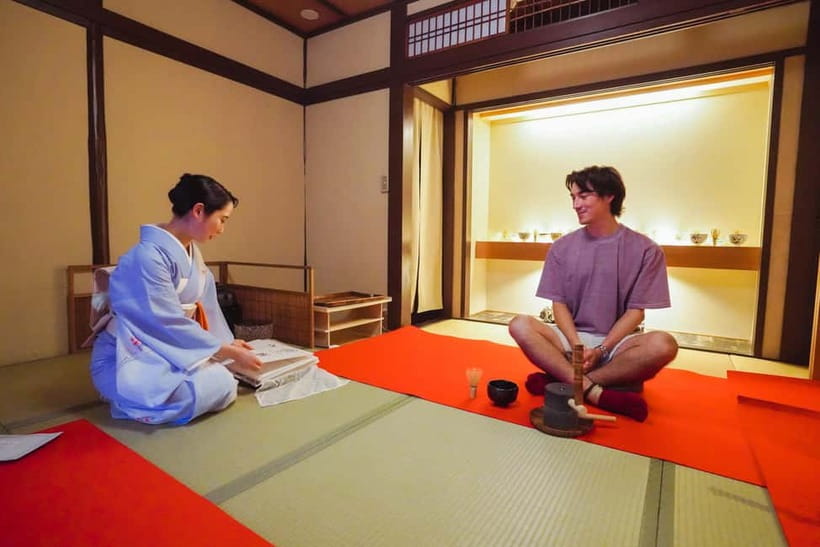
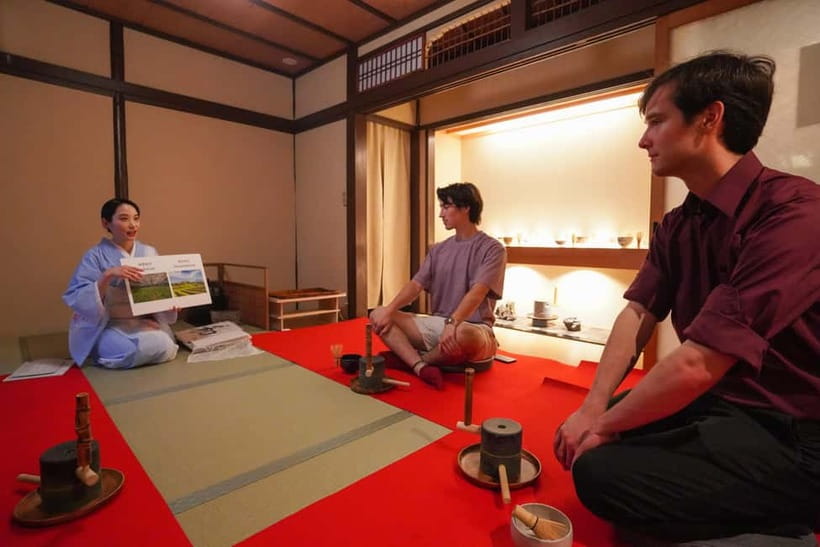
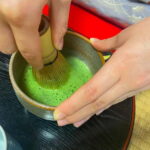
The tea ceremony portion is the core event, and it is where the tour tries to make wabi-sabi personal. The ceremony is under a tea master, and it runs long enough to feel like something you participate in, not just something you watch.
Before the first sip, you choose a tea bowl according to season and taste. That choice is a quiet lesson in how Japanese aesthetics link to the time of year. It also turns wabi-sabi from a word you hear into a decision you make, based on what you feel and notice.
Then you get matcha, along with Japanese sweets. This snack piece is more than a small treat. In a ceremony setting, sweets help balance bitterness and make the experience feel complete. The calm pace also changes how you taste, because you are slowing down on purpose.
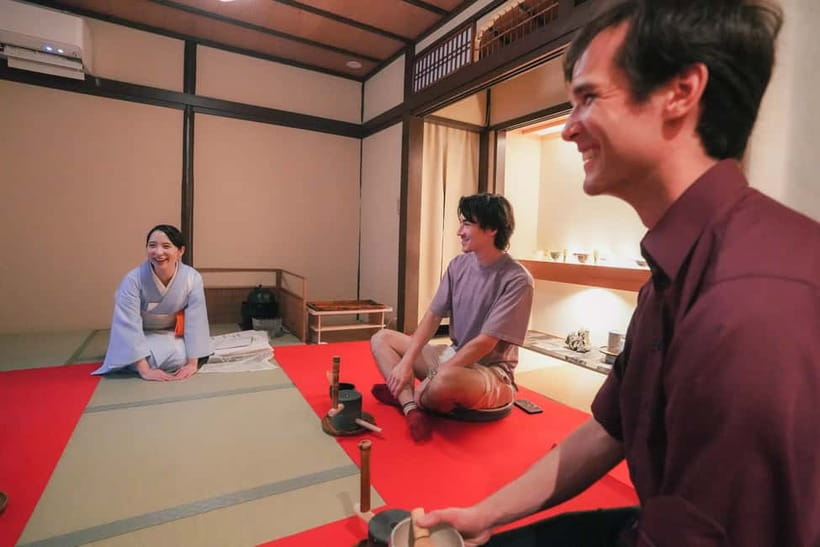
One reason this ceremony lands well for many people is that it is structured. You follow cues, notice utensils, and get guided explanations. A past participant said the tea ceremony felt calming, and another noted it was very authentic. That matches the design: you are learning the meaning while also tasting the result.
Important note for families: tea ceremony experience is only for participants age 6 and older. If you bring younger children, you can still join the tour, but one adult must accompany the child outside during the ceremony portion.
What you get for $92, and how it compares to solo tea
At $92 per person for about 210 minutes, this is not the cheapest way to drink matcha in Kyoto. But it is also not only a one-and-done tasting session.
You get:
- an English-speaking guide for the walking and explanations
- entrance fees for two temple stops included
- the tea ceremony itself with matcha and a small seasonal snack
- photos taken during the tour
That combination is where the value shows up. If you tried to piece it together alone, you would likely spend time hunting down an English-friendly guide, paying temple entrance fees separately, and then trying to find a ceremony with matching context. Here, the guide does the connecting work.
This tour also pays off if you do not want to interpret everything yourself. Tea ceremony utensils and etiquette are full of tiny rules and meanings. Without a guide, you can still enjoy matcha, but with a guide you understand why people treat the ceremony like a form of beauty practice.
For solo travelers who want something more grounded than a general city walk, this is a good match. For couples, it can also be a refreshing break from busy attractions, because the ceremony time is naturally slower.
Practical tips: timing, weather, and walking comfort
Kyoto can be extreme, and the tour runs outdoors for a good chunk. Plan for summer heat that can reach 40°C, and winter lows around -5°C. Bring what keeps you comfortable, especially water in warmer months and layers in colder months.
Footing is also something to consider. The tour is not suitable for wheelchair users, and some locations may not be accessible by wheelchair or stroller. Even if you are able-bodied, you should expect normal Kyoto walking surfaces and temple areas where paths can be uneven.
Also, double-check meeting time and arrival. You cannot join if you are late, and there is no refund or reschedule if you miss the group. This is one of those tours where being punctual is not just polite, it protects your main event.
Finally, bring your curiosity, not just your appetite. If you want photos, the tour includes photos during the walk, but your own phone will still be useful for matcha shop moments, pottery displays, and garden views. If you care about writing down details, a small notebook helps you remember what you learned about wabi-sabi and tea bowl selection.
Should you book this Gion tea and wabi-sabi tour?
I think you should book if you want more than a tea tasting. This tour is for you if you like the idea of linking tea culture to Kyoto places, and if you care about understanding wabi-sabi through objects and etiquette, not just hearing the word.
It is also a strong choice if you are short on time and want a focused route through meaningful spots like Gion streets, Kenninji Temple, and a quiet temple with a dry landscape garden. The small group size helps you feel like you get guidance rather than just movement.
Skip or rethink it if your day is fragile. The ceremony timing is fixed, and late arrivals can cause you to miss the tea part. Also, if you need wheelchair access, this one is not designed for that.
If you want matcha with meaning, and you are okay slowing down for a few hours, this tour is a solid, value-based way to experience Kyoto beyond the usual photo stops.
FAQ
How long is the Kyoto Gion tea ceremony and wabi-sabi walking tour?
The tour lasts 210 minutes.
Where do I meet the guide?
Meet in front of the Izumo no Okuni statue, right outside Exit 5 of Gion Shijo Station (Keihan Line). The guide will be holding an orange signboard that says Magical Trip Tour.
Is the tea ceremony included in the price?
Yes. The tour includes the tea ceremony experience, matcha, and a small seasonal snack.
Are temple entrance fees included?
Yes. Entrance fees for 2 temples are included.
Is there an age requirement for the tea ceremony?
Tea ceremony experience is only for participants age 6 and older. Children younger than 6 can join the tour, but one adult must accompany them outside during the ceremony.
Is this tour wheelchair accessible?
No. It is not suitable for wheelchair users, and some locations may not be accessible by a wheelchair or stroller.
What language is the tour guide?
The tour offers an English-speaking live guide.
What is the cancellation policy?
Free cancellation is available up to 24 hours in advance for a full refund. Reserve now & pay later is also offered, so you can book without paying today.
More Walking Tours in Kyoto

More Tours in Kyoto

More Tour Reviews in Kyoto
Not for you? Here's more nearby things to do in Kyoto we have reviewed


Gion & Geisha District Tours, compared.
 ★ 4.7Kyoto Geisha Walking Tour: Gion District & Hidden GemsFrom $253,273 reviews
 ★ 4.9Gion Magical Night Walking Tour with Geisha TriviaFrom $242,393 reviews
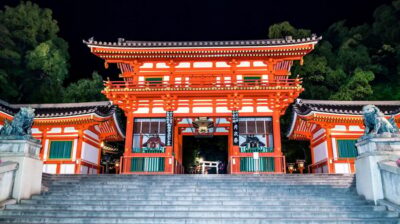 ★ 4.7Gion Geisha District Walking Tour – Stories of GeishaFrom $202,187 reviews
 ★ 4.9Best of Kyoto: Gion, Geisha, Pagodas & CobblestonesFrom $242,058 reviews
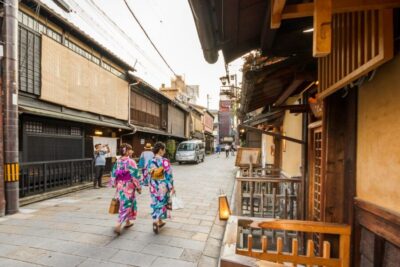 ★ 4.5Night Walk in Gion: Kyoto’s Geisha DistrictFrom $212,003 reviews
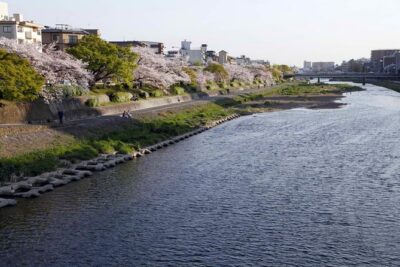 ★ 5.0Kyoto Night Foodie Tour in Gion (9+ dishes + 6 Sake tastings)From $1631,762 reviews
 ★ 5.0Kyoto Gion Geisha District Walking Tour – The Stories of GeishaFrom $251,441 reviews
 ★ 5.0Kyoto Gion: 2-Hour Geisha Culture & History Walking TourFrom $231,186 reviews
Browse the lists this tour appears in