
Reviewed · KIYOMIZU-DERA & HIGASHIYAMA TOURS
Kyoto Higashiyama Walking Private Tour
Kyoto’s best streets are the ones you walk. A private Higashiyama walk strings together Kiyomizu-dera, Yasaka Shrine, and classic stone lanes with a guide who can explain what you are actually seeing.
What I like most is the pace and the focus. You get a small group feel, up to 6 guests, plus a local guide who shares practical wayfinding and personal context that helps the sights click, not just line up for photos.
One thing to consider: this is still a walking tour with gentle slopes and stone steps, about 3 km total, so plan on wearing comfortable shoes and moving at a steady pace.
Key highlights you will feel right away
- Small private group (up to 6 guests) keeps the walk relaxed and questions easy
- Kiyomizu-dera + Yasaka Shrine give you two of Kyoto’s biggest spiritual landmarks
- Gion lanes start it off with Minamiza Theater and Hanamikoji Street before the quieter alleys
- Ishibe-koji and Nene no Michi add old Kyoto atmosphere that most people miss
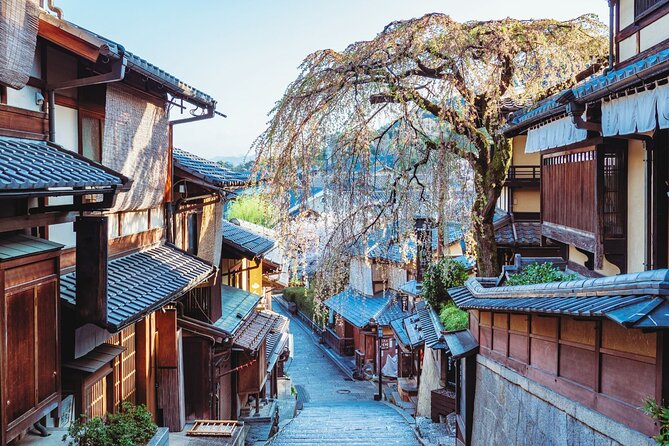
- Sannenzaka mixes shopping streets with short stops for viewpoints and timing
- Guide tips for food and coffee help you turn the walk into an easy plan for after
The “why” behind this Higashiyama walking plan
Higashiyama works best on foot, because the neighborhoods are layered. Big monuments matter, but the real payoff is how the streets connect them. This tour does that job: it links Gion’s edge to classic lanes and then up toward Kiyomizu-dera without feeling like a checklist.
The 3-hour window is also smart. Kyoto can drain you with long transit lines and backtracking, so a tight route helps you stay focused. You will walk around 3 km, including gentle slopes and stone steps, which is manageable for many people with moderate physical fitness.
And because it is a private tour for up to 6 guests, you get something you will not get on a large group bus tour: a guide who can slow down when you want photos, and speed up when you just want the story and the next turn.
You can also read our reviews of more walking tours in Kyoto
Starting at Minamiza Theater, right where Gion begins
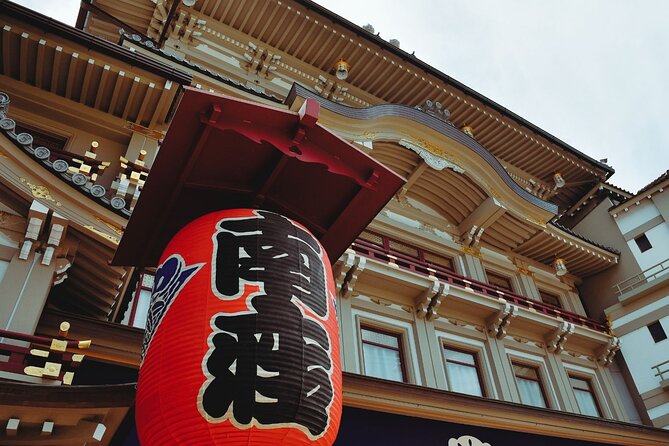
The tour begins near Minamiza Theater, at the entrance of Gion. Even if kabuki is not your thing, the theater is a good anchor because it tells you that this area is not just scenery. It is a working cultural zone with performance roots.
From there, you start moving through the Gion approach, which sets the tone fast. You are not jumping straight to the temple crowds. Instead, you ease in through streets that feel more lived-in and more detailed at walking speed.
If you like history, you will appreciate how the guide frames Minamiza as one of the older kabuki theaters in Japan, and how that symbolism connects to the heart of Kyoto. It is the kind of context that makes the early part of the walk feel worth it, not just an intro.
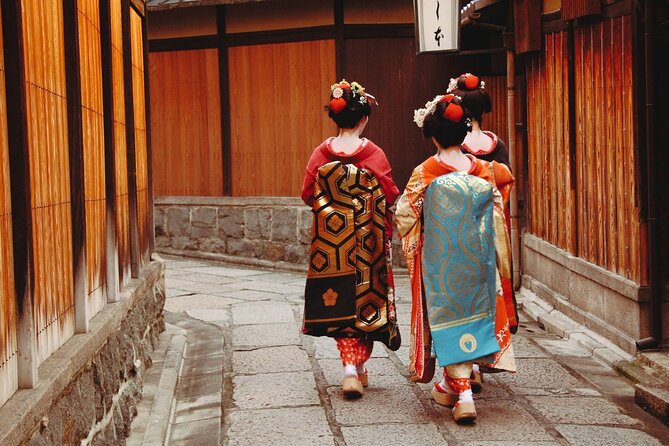
Hanamikoji Street: teahouses, charm, and a quick geisha-maiko chance
Next comes Hanamikoji Street in Gion, lined with preserved traditional teahouses. This is the lane you picture when you think about Gion, but the trick is learning how to look at it. You will notice the way the street layout, building style, and movement all contribute to the mood.
If you are lucky, you might spot a geisha or maiko on their way to an appointment. The tour will not force it, and that is fine. The real value is that your timing and route put you in the right place while a local guide explains what you are seeing and why it matters.
Practical tip: Hanamikoji can get busy. Since you are in a small group, you can usually adjust your photo spots without feeling like you are in a constant traffic jam.
Yasaka Shrine and the spiritual rhythm of praying
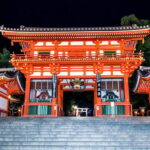
Then you shift from the Gion vibe into something more solemn at Yasaka Shrine. The shrine is known for its vermilion gates and spiritual atmosphere, and it is one of Kyoto’s most important Shinto sites.
What makes this stop work on a walking tour is the guide’s framing. You are not just taking photos at gates and paths. You learn how locals pray for good fortune and protection here, which changes how you notice details. Even if you do not follow the same rituals, you will understand the intent behind the space.
This is also a good stop for a quick reset. After lanes and street-level sights, a shrine gives you a breathing zone. Use it to slow down, look around, and then keep moving when you are ready.
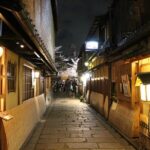
Ishibe-koji: stone-paved calm that feels tucked away
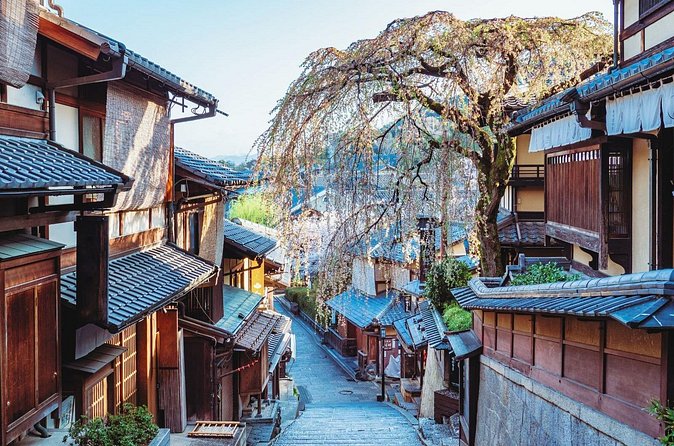
After Yasaka Shrine, the route brings you to Ishibe-koji, a narrow stone-paved alley with preserved buildings. The best part is the contrast. You go from a major shrine area into a small corridor of old Kyoto atmosphere, where your eyes can focus on architecture and textures instead of crowds.
For photos, this is one of those stretches where you do not need to chase a perfect angle. The alley naturally creates depth. For walking, it also helps that the lane is intimate, so the group does not stretch out across a wide street.
If you are the type who likes finding the quiet side of famous places, this is where you will feel the tour is doing more than repeating guidebook highlights.
You can also read our reviews of more private tours in Kyoto




Nene no Michi: a scenic path tied to Toyotomi Hideyoshi’s world
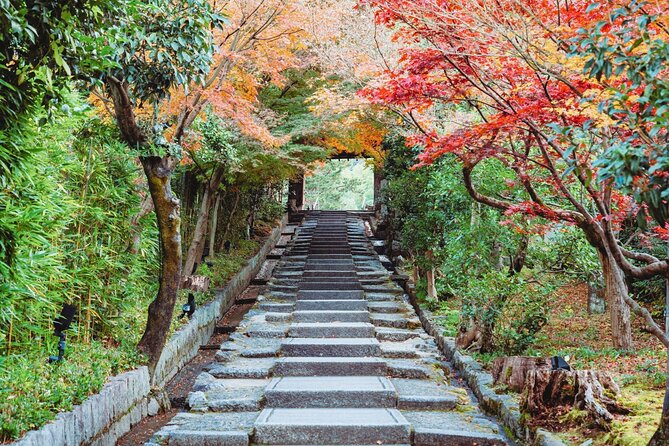
Next is Nene no Michi, a scenic path named after the wife of samurai Toyotomi Hideyoshi. This stop is short and story-driven, and that is exactly what you want in the middle of a walking circuit.
The value here is how the route ties Kyoto to broader Japanese history without turning it into a lecture. A name like Nene no Michi gives you an easy thread to follow, and your guide can keep it grounded in what you are passing right now.
At this stage of the walk, the path also feels like a transition. You are moving away from the “front” lanes and toward the classic uphill approach that many people associate with Higashiyama.
Yasaka Pagoda viewpoint: a classic photo angle with less rushing
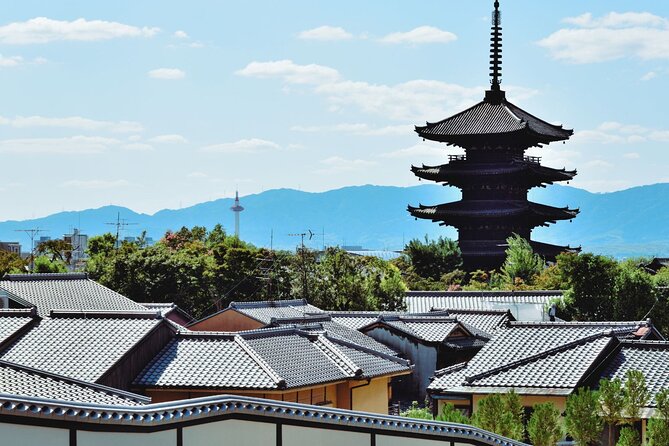
You will then stop at a quiet viewpoint of Yasaka Pagoda, one of Kyoto’s iconic landmarks. The five-story wooden pagoda sits gracefully among traditional townhouses, and the surrounding streets help frame it like a postcard.
This is a smart inclusion because it gives you a moment of payoff. You have been walking through lanes with story and side streets, and now you get the kind of view that makes people instantly say Kyoto.
Practical note: viewpoints work best when you pause. Let the guide point things out, then take your time. If you rush, you miss the layering effect where houses and the pagoda feel connected instead of separate.
Sannenzaka: the slope, the shops, and the moment before Kiyomizu-dera
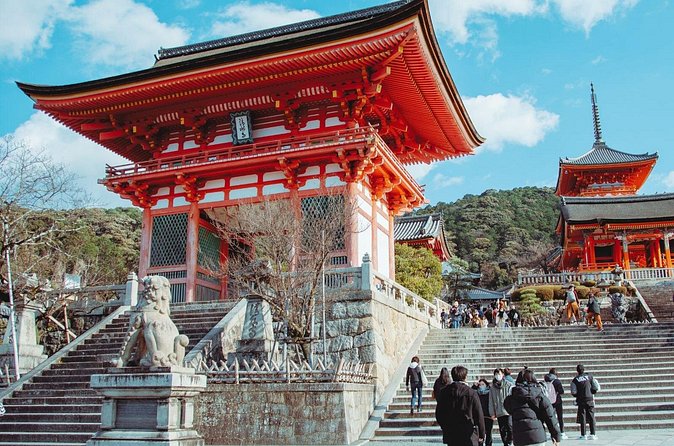
Then you head down Sannenzaka, a gently sloping stone path lined with charming shops and cafes. This is one of those areas where the route blends history with everyday local culture. You get the sense that the neighborhood is not frozen in time, even if the architecture is old.
What I like about arriving through the walk is that you feel the rhythm change. Sannenzaka is lively, but it is still walkable, and it gives you a chance to think about what you want next. This is also where your guide’s local tips can become useful fast, especially for food and coffee after the main temple stops.
If you enjoy browsing, plan on spending a few extra minutes here. But if you prefer quiet, you can stick close to the group and keep moving toward Kiyomizu-dera.
Kiyomizu-dera: UNESCO scale, wooden stage views, and why it matters
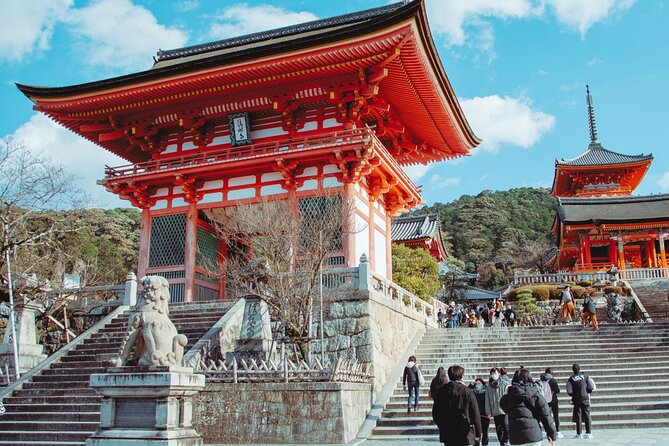
Finally, you reach Kiyomizu-dera Temple, a UNESCO World Heritage site. This is the big moment in Higashiyama, famous for its wooden stage overlooking Kyoto and for the panoramic views you can catch from the temple grounds.
This stop is valuable even if you have seen photos before, because the experience is spatial. The wooden stage is the kind of feature that only makes sense when you are standing there. You also get the visual impact of how the temple sits above the city, with the surrounding neighborhood acting like a frame.
On a walking tour, Kiyomizu-dera can feel less crowded in your own head. You arrive with context, you have already learned how the area connects, and you know where the viewpoint moments are likely to be. It turns the visit into a story you walked into, not a location you arrived at.
Price and value: what $52.03 buys you in Kyoto time
At $52.03 per person for about 3 hours, this tour can be good value if you care about guidance and timing. The key is that you are not paying mainly for transportation or entry tickets. You are paying for an English-speaking local guide, a focused route, and help turning the area into something you understand.
The pricing also makes more sense because it is limited to a small group of up to 6 guests. If you have ever spent a precious Kyoto day stuck behind people who do not care about the same details you do, you will appreciate this setup.
One more value point: your guide includes local tips and recommendations. The review feedback points to practical guidance for food and coffee along the way, which matters because Kyoto days fall apart when you cannot find the right place to eat.
Is it expensive compared to doing it on your own? Sure. But if you want the streets to feel understandable, and you want a route that saves you from guesswork, this is one of those “pay for the thinking” experiences.
Who this tour is best for, and who should skip it
This tour fits best if you want an introduction to eastern Kyoto without the frustration of planning every turn. It is also a strong match if you enjoy temples but also care about the everyday street feel between them.
You should consider it if you:
- Like walking about 3 km with gentle slopes and stone steps
- Want a small group experience rather than a crowded scramble
- Prefer guidance that includes practical recommendations, not just landmark names
You might skip it if you:
- Do not handle stone steps well
- Want a lot of free time to explore without a set flow
- Are expecting a car-based tour with minimal walking
The route ends near Kiyomizu-dera with a scenic city view, which is useful if you want to keep the day moving after the tour. Just be sure you plan to return to your base afterward on your own, since there is no hotel pickup.
Before you go: quick comfort and timing checklist
This is a walking tour with moderate physical fitness recommended. Wear comfortable shoes you can trust on stone and stairs, and consider a light layer, Kyoto weather can swing even on days that look calm.
Bring your patience for crowds around the big sights. Even with a private group, you still share the temple and popular streets with other visitors. The difference is that your guide can help you get oriented and move efficiently between stops.
Also, keep an eye on the meeting point location near Minamiza Theater, and plan to arrive a few minutes early. You will be starting from an exact address, and the tour is built around the flow through Gion and Higashiyama.
Should you book this Kyoto Higashiyama private walking tour?
I would book it if you want a guided, story-based walk through Higashiyama that connects the famous names to the small lanes you might otherwise miss. The biggest strengths are the small private group, the thoughtful stop sequence from Gion toward Kiyomizu-dera, and the guide’s practical recommendations like food and coffee.
Skip it if your top priority is maximum free time with minimal walking. But if you want to get your bearings fast, enjoy the views, and leave with a clearer sense of how Higashiyama fits together, this is a solid choice.
More Walking Tours in Kyoto

More Tours in Kyoto

More Tour Reviews in Kyoto
Not for you? Here's more nearby things to do in Kyoto we have reviewed



Kiyomizu-dera & Higashiyama Tours, compared.
 ★ 4.9Tea Ceremony in a Traditional Tea House in KiyomizuFrom $493,519 reviews
 ★ 4.7Nijo Castle, Kiyomizu & Fushimi Inari Guided TourFrom $54700 reviews
 ★ 5.0Nijo, Kinkaku-ji, Arashiyama, Kiyomizu & Fushimi InariFrom $51699 reviews
 ★ 5.0Private Rickshaw Tour of Gion and Higashiyama AreaFrom $51144 reviews
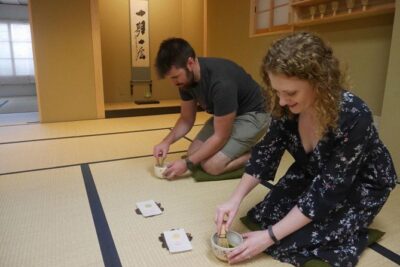 ★ 5.0Kyoto Tea Ceremony & Kiyomizu-dera Temple Walking TourFrom $109115 reviews
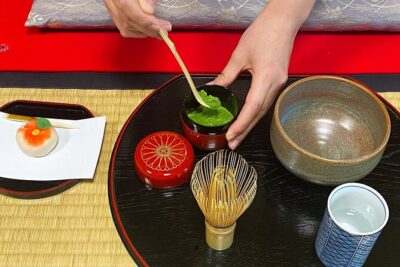 ★ 5.0Kyoto Kiyomizu Tea Ceremony with Scenic Garden ViewsFrom $50101 reviews
 ★ 4.7Kimono/Yukata Rental 5 Minute from Kiyomizu-deraFrom $1989 reviews
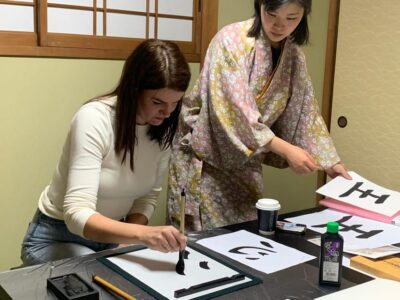 ★ 5.0Kyoto Ninenzaka : Japanese Calligraphy Class in TownhouseFrom $4959 reviews
Browse the lists this tour appears in