
Reviewed · KYOTO BUS & SIGHTSEEING TOURS
Kyoto Hop-On, Hop-Off Sightseeing Bus Tour
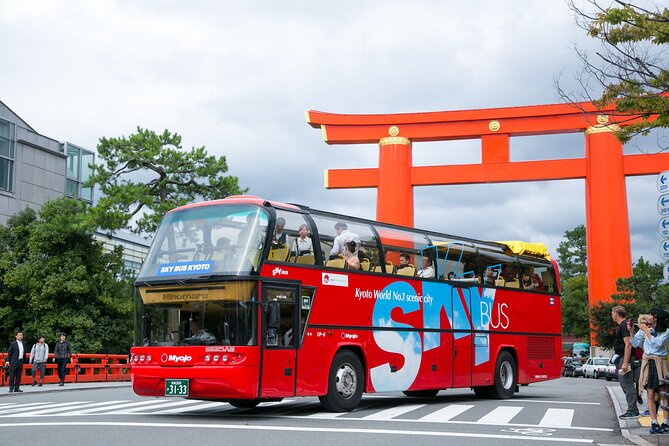
Kyoto by bus saves your feet. This hop-on hop-off double-decker ride lets you see big-name Kyoto sights at your own pace, with open-top panoramic views and multilingual audio that helps you connect the dots as you pass temples and neighborhoods. I also like how simple the system feels, you get dropped near major places, then you choose when to get off and explore.
The one drawback to plan around is that buses are not instant, they run about every 50 minutes, so if you build a tight schedule around a specific stop, you can get stuck waiting for the next bus. Add in the fact that seats are unreserved, and it helps to time your reboarding when crowds are lower.
Key things that make SKY HOP BUS KYOTO worth your attention
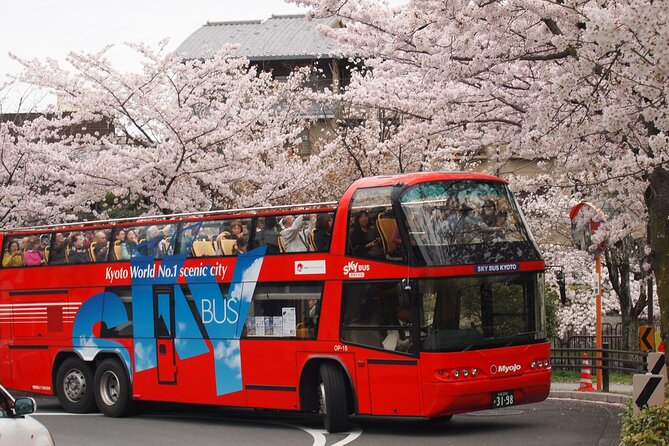
- Panoramic sightseeing from a double-decker ride with frequent chances to hop on and off
- Multilingual audio guide with earphones so you can follow along without guessing
- Onboard Wi-Fi to keep your maps, tickets, and messages handy
- Poncho provided if it rains, so a weather turn does not automatically derail your day
- Two-day pass option if you want more than one loop through Kyoto’s highlights
Kyoto by bus: a simple way to get the big sights
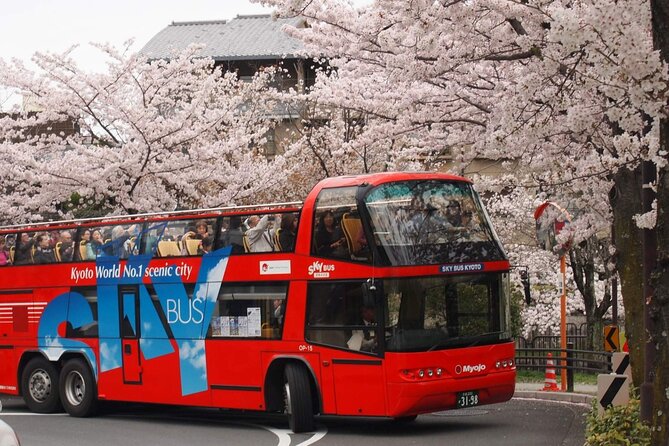
Kyoto is beautiful, but it is also spread out. This bus tour is built for the moment when you want to see a lot without turning every sightseeing hour into a walking test.
The ride uses a comfortable double-decker design, with top-level views that make the city feel bigger and easier to understand. Even better, the stops are placed close to the places most first-timers and repeat visitors put on their Kyoto list, including temple areas around Ginkakuji, Kiyomizu-dera, and the famous gold-leaf landmark Kinkaku-ji.
The “hop-on, hop-off” part matters because it gives you control. You can do a temple visit when you feel ready, then move on when you want a break. When your feet get tired, you do not have to abandon plans, you can just get back on and keep going.
You can also read our reviews of more tours and experiences in Kyoto.

Price and pass value for one or two days
The price is $45.56 per person, and you can choose a one-day pass or a two-day pass (if selected). In Kyoto, transportation time is often the hidden cost, the minutes you spend getting from one side of town to the other. This ticket bundles that movement into one price, so you are buying time savings and convenience as much as sightseeing.
Here is how I think about value:
- If you plan to visit several major areas in one day, this can be a cost-effective way to reduce backtracking.
- If your itinerary is light, or you already know you will mostly use trains, you might find you can pay less elsewhere.
One practical note: seats are unreserved. That is not a dealbreaker, but it means you should expect some jockeying if you board during peak hours. Going earlier in the day can make it smoother.
Where to board at Kyoto Station, and how to not miss your bus
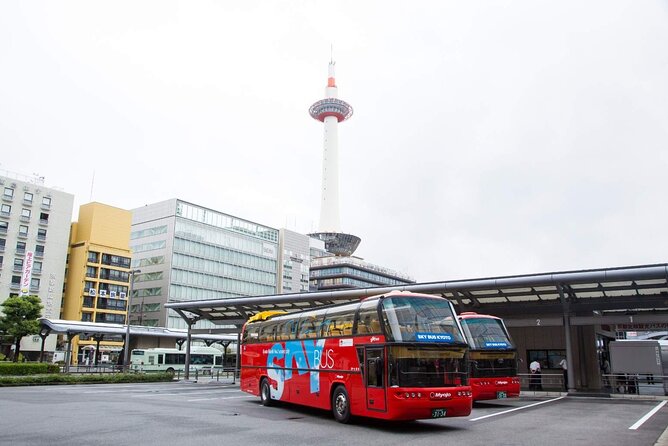
The tour starts at Kyoto Station, which is convenient because it anchors your day. It also means you can reset quickly if you split your sightseeing into chunks.
Kyoto Station is large, and it can take a minute to spot the right bus pickup spot. A smart move is to give yourself buffer time and confirm you are at the correct Sky Hop stop before you’re in a rush. Once you find it, you are set, because the ticket lets you hop on and off at Sky Hop bus stops during the validity window.
If you are arriving in Kyoto late morning or early afternoon, keep your first reboarding plan simple. Do one main stop, get off, then return to the bus stop you know. That reduces stress and keeps your day fun instead of frantic.
On-board comforts: audio, earphones, Wi-Fi, and the poncho
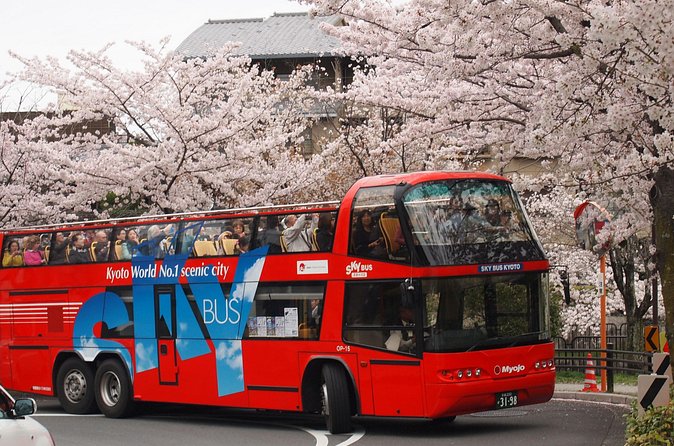
What makes this tour feel easy is what is included. Your ticket comes with a multilingual audio guide and earphones, so you can listen while you ride. You also get onboard Wi-Fi, which helps if you want to check what you are seeing before you get off.
In rainy weather, you are not stuck. The tour includes a poncho in case it rains. That is small, but it matters in Kyoto when weather changes fast. Even if you do not get wet much, you will appreciate not having to hunt for umbrellas at the last second.
Two more comfort details that affect your experience:
- The ride uses open-top double-decker viewing, so you will get the views. On hot days, plan to hydrate.
- Because seats are unreserved, you might prefer boarding a little earlier than your ideal time, especially if you want a better viewing spot.
East Kyoto loop: from Karasuma Gojo to Ginkakuji, Gion, and Kiyomizu-dera
One big reason people like this tour is that it touches the Kyoto “east side” cluster that includes some of the city’s most photographed temple areas. One of the loops covers stops that start around central Kyoto and pushes into the classic sightseeing zones.
Here is how it plays out, stop by stop, and what you should plan to do at each place.

Kyoto Station
This is your jumping-off point. I treat it like a planning hub, since you can adjust your day based on energy and weather. If you are hungry, grab something near the station before you head out, then use the bus to move rather than wasting time walking for lunch.
Karasuma Gojo
This stop is useful because it puts you near a major central junction. If you want to combine sightseeing with shopping or just a quick coffee break, this area can work well as a mid-route reset point.
Shijo Karasuma Nishiki-Ichiba Market
This is a practical get-off if you want food, snacks, and people-watching. It is also a good place to break your ride into smaller pieces. Instead of doing everything in a single long session, you can hop off, grab something, then continue.
Kyoto City Hall
This stop is a handy central landmark that can act like a “start here” option when you want to time your day. If you are trying to make a lunch plan around a bus loop, this kind of central stop can help you stay flexible.
Ginkakuji Temple (Silver Pavilion)
This is one of the top-name stops on the east side route. It is a strong choice for your first temple visit of the day because it is famous, and it is the kind of place where spending time slowly makes your photos look better.
A consideration: temple visits tend to take longer than you think, especially if you stop for details and quiet corners. If you want to do Ginkakuji and another major site after, keep an eye on the bus timing so you do not feel rushed.
Heian-jingu Shrine, Okazaki Park
This stop is excellent for a temple-and-garden style experience. Okazaki Park is the kind of place where a walk between stops feels natural. If you like taking your time rather than sprinting from one photo spot to the next, this is a good match.
KOTOWA KYOTO YASAKA (Gion area)
This is your bridge into the Gion neighborhood vibe. Even if you do not plan a formal dinner, getting off near Gion lets you wander the side streets and catch the feeling of the area.
Tip for using hop-on hop-off well here: if you want evening atmosphere, plan to time your get-off later in the day. If you go too early, you might miss the relaxed evening energy that makes Gion special.
Gojozaka (Kiyomizu-dera Temple)
This stop is the gateway into one of Kyoto’s most iconic temple districts. Once you step off, you can spend real time here rather than treating it as a quick stop.
Consideration: Kiyomizu-dera area walking can add up quickly. If you hop off and then lose track of the route, it can be easy to overdo it. I like setting a rough target, see the main highlights, then go back toward the bus stop at a steady pace.
Sanjusangendo Kyoto National Museum (Hyatt Regency Kyoto)
This stop gives you access to a museum area and a major landmark site. It is a good final stop for the loop if you want something indoors or semi-indoors after a day of outdoor temple wandering.
If you have limited daylight left, choosing a stop like this can help you transition from outdoor sightseeing to a slower wrap-up.
West Kyoto loop: Nijo-jo, Kinkaku-ji, Kitano-tenmangu, and the Imperial Palace area
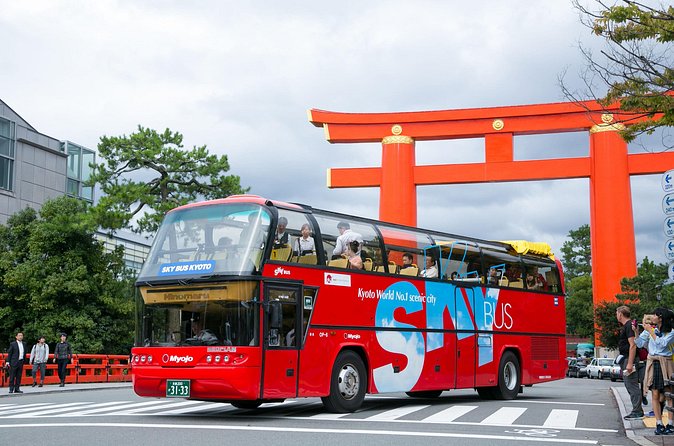
Another loop focuses more on west-side highlights, including castle grounds, famous shrine visits, and the area around the Imperial Palace.
Kyoto Station
Again, you use Kyoto Station as the reset point, which makes switching between loops easier. If you started on the east side, you can roll right into the west loop without redesigning your entire day.
Nishi Hongan-ji Temple
This is a strong choice if you want a temple experience that feels distinct from the more postcard-famous pavilion areas. It also works well as an earlier-day stop because you can see a lot without burning daylight.
Nijo-jo Castle
This stop is made for castle lovers and anyone who likes Kyoto’s historical layers. A castle visit tends to be structured, so you can plan around it more easily than free-form neighborhood wandering.
Kitano-tenmangu Shrine
A shrine stop like this is a nice balance if your day includes multiple temple types. It also feels different from the big pavilion look, which keeps the route from feeling repetitive.
Kinkaku-ji
This is the headliner for many people, the Golden Pavilion. It is one of those stops where you will likely want more time than you think. If you are hoping for photos, do not treat it like a two-minute stop. Give it enough room to feel satisfying.
Daitoku-ji Temple
This stop adds a quieter temple layer compared with the most crowded sights. It is a good choice if you like walking and discovering side spaces rather than only chasing the most famous viewpoint.
Kyoto Imperial Palace (Doshisha Univ.)
This stop gives you access to the Imperial Palace area. It is a different kind of Kyoto landmark, and it helps round out the day beyond just shrine and pavilion sightseeing.
Shijo Karasuma Nishiki-Ichiba Market (return)
This is a great place to end the day if you want a snack run or a last look at the shopping-energy in central Kyoto. It also works as a reboarding anchor when you want a simple final plan.
Timing, seat strategy, and using hop-on hop-off without frustration
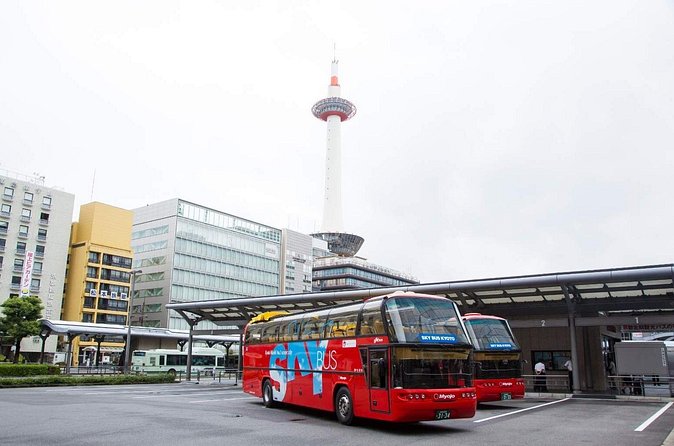
The biggest operational detail is frequency. The bus can be around every 50 minutes, which means your day works best when you build in flexibility.
Here is how I would use it:
- Pick one major “anchor stop” each half-day, then build lighter add-ons around it.
- When you see a good stopping point, get off even if you are not fully sure what you will do next. Kyoto rewards wandering, and hop-on hop-off lets you adjust when your energy changes.
- Reboarding is smoother when you arrive at the stop a little early, especially for the next loop.
Seats are unreserved, so strategy matters. If you want the best views, you will likely want to board earlier and avoid trying to catch the bus at the exact moment it arrives at a crowded stop. That small timing change makes the ride more pleasant.
Also, remember the tour includes earphones for the audio guide. Put them on as soon as you get settled. The audio helps you understand what you are seeing right now, not 10 hours later.
When to choose the bus, and when Kyoto deserves train time instead
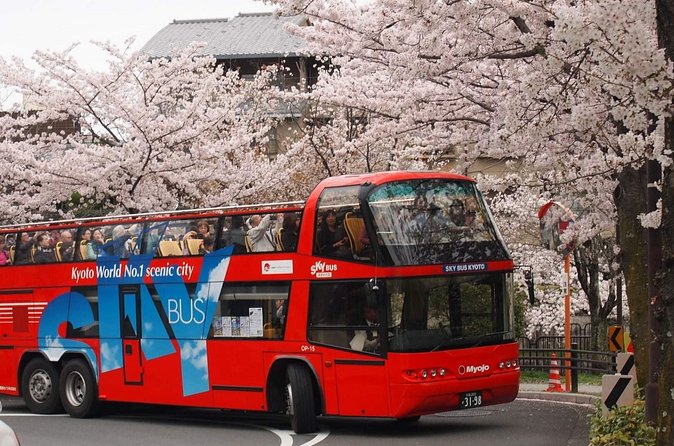
This tour fits best when you want:
- A simple way to reach classic areas without stitching together multiple transit steps
- Flexibility if you want to spend 30 minutes here and 90 minutes there
- A comfortable ride with multilingual audio and Wi-Fi to keep things easy
It may not be the best match if:
- You have a very tight plan with exact reservation times at multiple locations far apart
- You hate waiting for buses and prefer direct point-to-point transit
- You want a deeply local, neighborhood-by-neighborhood experience where walking is the point
One more reality check: the experience needs good weather. If it is canceled due to poor weather, you are offered another date or a full refund, but your day still depends on conditions.
Who this tour is best for
If you are traveling as a first-time visitor, I think this is a smart “get oriented fast” option. It helps you understand where the major sights cluster, so your future Kyoto days make more sense.
It also works for families, since children under five can ride for free when sitting on a parent or guardian’s lap. The bus format is easy for kids who can handle short bursts of walking.
If you are a repeat visitor, it still has value. The audio guide can refresh your context, and the hop-on system can be a convenient transport layer between your favorite spots.
Should you book SKY HOP BUS KYOTO?
I would book SKY HOP BUS KYOTO if your goal is to see Kyoto’s headline landmarks with minimal planning stress. The mix of easy hop on hop off access, multilingual audio, earphones, and onboard Wi-Fi is exactly what helps first-time visitors feel confident quickly.
Before you buy, do two quick checks:
- Compare the total cost with other operators if price sensitivity matters to you. Some people feel the ticket can be pricier than alternatives.
- Plan your day with the bus frequency in mind. If you accept that you may wait up to about an hour, your experience will feel relaxed instead of rushed.
If you want one practical strategy, build your day around two anchor stops and treat everything else as flexible. With that mindset, this bus tour can turn Kyoto from exhausting logistics into a smooth, scenic day.
FAQ
How long is the Kyoto hop-on hop-off bus tour?
The duration is listed as approximately 1 hour 8 minutes.
What is included with the ticket?
Included features are a multilingual audio guide, earphones, and a poncho in case of rain, plus a one-day pass. A two-day pass is also available if you select it.
Does the ticket let me hop on and off multiple times?
Yes. You can get on and off as many times as you like at all Sky Hop Bus stops within the ticket validity period.
Are seats reserved on the bus?
No. All seats on the bus are unreserved.
Is Wi-Fi available during the tour?
Yes. Onboard Wi-Fi is mentioned as available.
What happens if it rains?
A poncho is included for rainy conditions. If the experience is canceled due to poor weather, you will be offered a different date or a full refund.
Can young children ride for free?
Children under the age of five can ride for free when sitting on the lap of their parents or guardians.
Where does the bus stop?
The route includes stops such as Kyoto Station, Ginkakuji Temple (Silver Pavilion), Heian-jingu Shrine (Okazaki Park), Kiyomizu-dera area at Gojozaka, Nijo-jo Castle, Kinkaku-ji, Kitano-tenmangu Shrine, and the Kyoto Imperial Palace area, along with other central stops like Karasuma Gojo and Shijo Karasuma Nishiki-Ichiba Market.
More Tours in Kyoto
More Tour Reviews in Kyoto
Not for you? Here's more nearby things to do in Kyoto we have reviewed


Kyoto Bus & Sightseeing Tours, compared.
 ★ 5.0PERFECT KYOTO 1-Day Bus TourFrom $12913,518 reviews
 ★ 4.8Fushimi Inari, Kinkakuji, Bamboo Grove 1 Day Bus TourFrom $1224,316 reviews
 ★ 4.9Best of Kyoto: Gion, Geisha, Pagodas & CobblestonesFrom $242,058 reviews
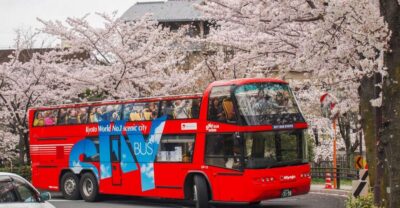 ★ 3.9Hop-on Hop-off Sightseeing Bus TicketFrom $272,034 reviews
 ★ 5.0Private Kyoto Tour with a Local, Highlights & Hidden Gems, PersonalisedFrom $1021,543 reviews
 ★ 4.7Kyoto/Osaka: Nara, Fushimi Inari Taisha, Arashiyama Bus TourFrom $521,275 reviews
 ★ 5.010 Must-see Spots in Kyoto One Day Private Tour (up to 7 people)From $1791,108 reviews
 ★ 4.5One-Day Tour of Kyoto’s Highlights from Osaka/KyotoFrom $661,092 reviews
Browse the lists this tour appears in