
Reviewed · NIJO CASTLE TOURS
Kyoto Imperial Palace and Nijo Castle Walking Tour
Kyoto hits you fast, if you know where to start. This one-day walk stitches together the big ideas that shape daily life here, from faith and food culture to shogun power and the emperor’s world.
I really like the way the stops cover Kyoto from different angles without feeling random. You get a quick hit of Buddhism at Higashi Hongan-ji, then shift into the sensory chaos of Nishiki Market before moving to political Kyoto at Nijo Castle and the Kyoto Imperial Palace.
One drawback: it is quite a bit of walking, so it helps if you’re comfortable with a full day on your feet and you have moderate fitness.
Key things to know before you go
- Higashi Hongan-ji and Kyoto Imperial Palace have free admission tickets on this route.
- Nijo Castle admission is not included, so budget extra for entry.
- Nishiki Market is short on purpose (about 30 minutes), so plan to browse, not fully shop.
- You’ll walk quite a bit across Kyoto’s center areas, with a start at Kyoto Station.
- The tour is private for your group, and you’ll use a mobile ticket.
A quick-hit Kyoto day that covers faith, food, and power
This tour is built for people who want context, not just photos. In one roughly 7-hour stretch, you move through Kyoto’s spiritual roots, its food-and-market habits, and the political story behind who ruled and where they lived.
What makes it practical is the pacing. The route is tight enough to feel efficient, but long enough at each stop to actually notice details: temple mood, market rhythms, and the feel of different kinds of “palace” spaces. If you like history explained in plain language, with time to ask questions, you’ll get a lot out of it.
You can also read our reviews of more walking tours in Kyoto
Meeting at Kyoto Station, and why the start time helps
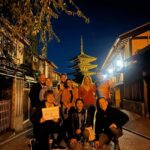
You start at Hotel Granvia Kyoto, at the JR Kyoto Station Central Entrance, with a 9:00 am start. That matters more than it sounds. Kyoto can swallow time fast once you start moving between neighborhoods. Starting near the station makes the day easier to manage, especially if you are arriving from elsewhere in Japan the morning of your tour.
This is also a private tour/activity, meaning it is only your group. That can be a big quality boost. You’re less likely to feel rushed to keep up with strangers, and it’s easier for a guide to adjust explanations to your group’s interests.
Duration runs about 7 hours, and the itinerary includes set visit windows for each major stop. You do not drift. You go from one important place to the next, which is exactly what you want on a first Kyoto day.
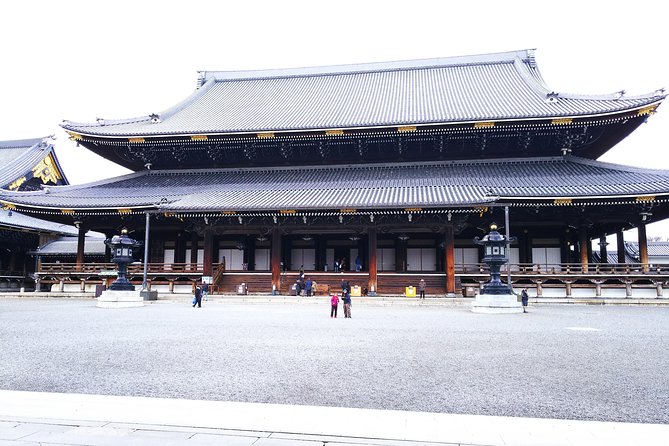
Higashi Hongan-ji: a temple that explains common belief
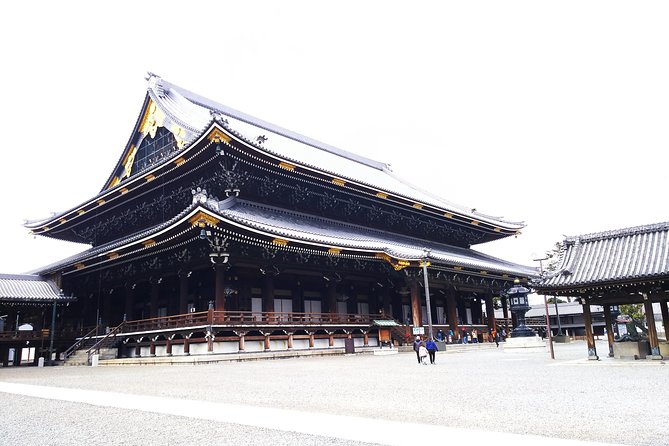
Your first stop is Higashi Hongan-ji Temple, with about 30 minutes on site. This is not the quiet “postcard temple” type of stop. It’s a place tied to mass belief, and the scale and organization help you understand why Buddhism has stayed so central in Japan.
Here’s a useful piece of context the guide can bring to the front: Buddhism has the most believers in Japan, with multiple sects. One major sect tied to this temple group is Shingon Otani, with believers said to number around 8 million. That number helps you wrap your head around how “commoner faith” can shape everyday culture.
Admission is free for this stop, so you get a lot of value up front. If you only have a short Kyoto day, that kind of entry pricing matters because it reduces your total out-of-pocket costs.
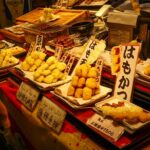
Nishiki Market in 30 minutes: shopping speed, food focus
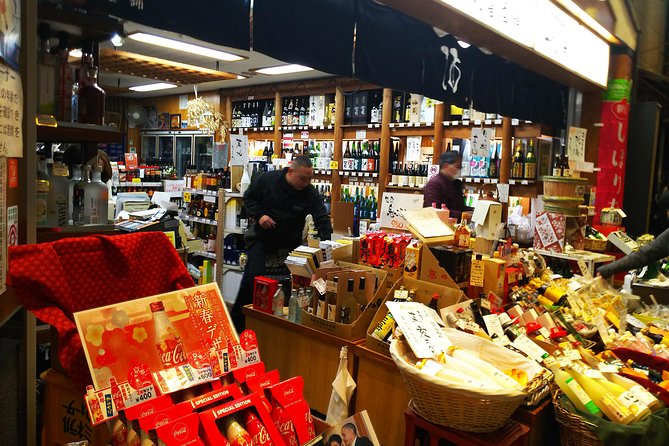
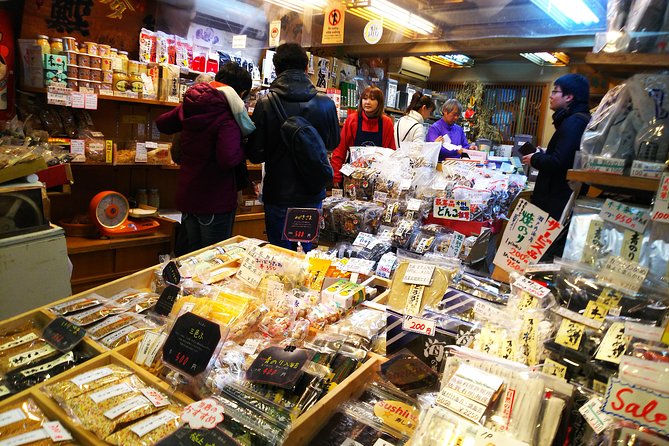
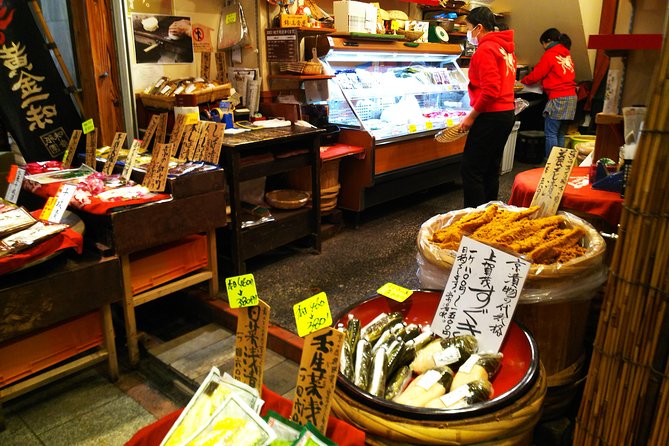
Next comes Nishiki Market Shopping District, also around 30 minutes. Nishiki is often called the kitchen of Kyoto, and in this tour the explanation is practical: underneath the district, there is said to be a large water reservoir, which points to why Kyoto has a reputation for fresh water and good ingredients.
In real life, this stop is where you feel Kyoto’s daily energy. You’ll see storefront patterns built for grabbing, tasting, and choosing. The key is to treat it as a snack-and-browse window, not an all-day market stroll.
One smart move: come ready with an appetite and a plan. If you want sweets, pick one or two targets. If you want savory, focus on what you can eat without slowing down your group too much. The guide can also help you choose what’s worth your time, and in previous experiences, guides like Fuji have been known for recommending where to eat in Nishiki.
Admission is listed as free for this stop, so the main cost here is what you choose to buy.
Nijo Castle: shogun power, painted doors, and a strict kind of beauty
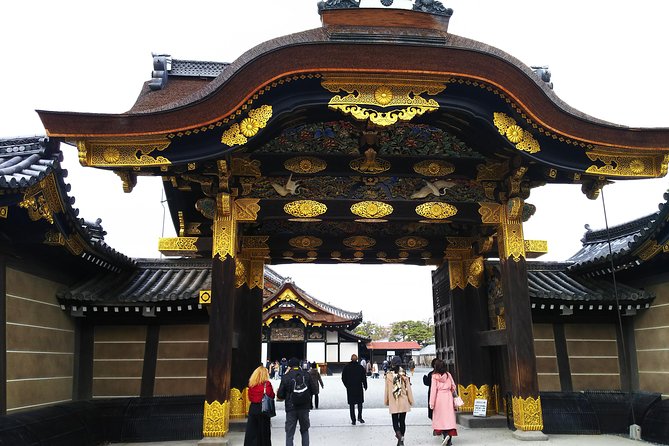
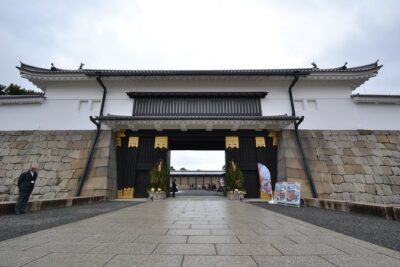
Then you move into political Kyoto at Nijo Castle. This stop is about 1 hour, and this is where the tour shifts from spiritual and everyday culture into the visual language of authority.
A helpful historical anchor: in 1603, the shogun relocated the shogunate to Edo (today’s Tokyo). Nijo Castle was built as the place where the shogun stayed when visiting Kyoto. So even though you are standing in Kyoto, you are seeing the mechanics of a national power system.
The castle interior is described as having more than 1,000 gorgeous pictur… This is one of those details that signals what kind of experience you’ll have. You can expect ornate, decorative work, not a bare structure. It’s a reminder that for ruling classes, beauty and control were tied together.
One practical note: Nijo Castle admission is not included. You should budget for the entry fee, and you’ll likely need to have cash on hand or be ready for ticket purchase on arrival, depending on how it’s handled that day.
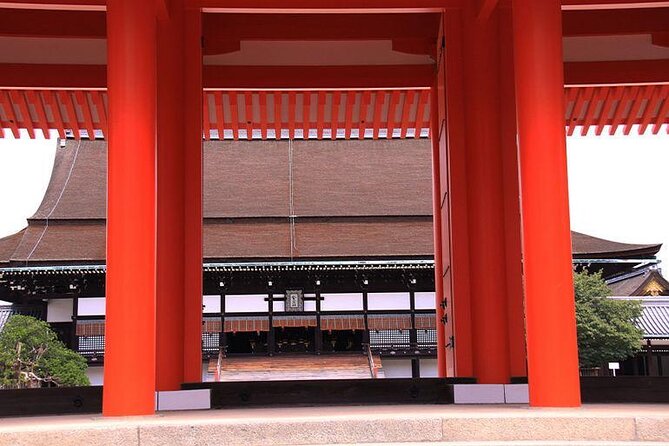
Kyoto Imperial Palace: emperor’s home until 1868
After the castle, you go to Kyoto Imperial Palace, with about 1 hour 15 minutes. This is one of the stops with free admission tickets, which is nice because it balances the day.
Until 1868, the emperor’s family lived here before the capital moved to Tokyo. That’s the big storyline the palace helps you feel. It’s not just “a palace,” it’s a living reminder of how power and tradition shifted in modern Japan.
You may find the palace experience feels different from European palaces in expectations. The space is not about gold-flecked furniture and grand rooms in the way many people imagine from other countries. Instead, it’s about layout, function, and the way imperial life shaped architecture and movement.
If you like comparing types of power, this stop pairs well with Nijo Castle. The castle is shogun power when Kyoto mattered politically. The imperial palace is the emperor’s residence before the capital moved. Same city, different roles, different atmosphere.
Price and logistics: is $111.03 worth it?
The listed price is $111.03 per person, and the tour includes guide fare. That’s the main ingredient you’re paying for: time-saving route planning and a guide who can translate what you’re looking at into something you understand.
But you should also plan for costs that are not included. The route lists:
- Nijo Castle admission at ¥1,300 per person
- Public transportation fare at ¥1,000 per person
So the real cost is the $111.03 plus your own admission and transport totals. Exact totals depend on currency rates, but the structure is clear: the tour price covers the guided experience and scheduling, while you cover site entry fees and transit.
Where you get your value is in the “one-day compression.” If you tried to string these stops together yourself, you’d spend time figuring out transit, timings, and what to focus on at each place. Here, you are guided through the route with a built-in pace and explanation, which matters a lot on a first or second visit.
There’s also mention of group discounts and a mobile ticket, which typically makes things smoother if you are organizing travel for family or friends. And if weather threatens outdoor walking plans, the tour says it requires good weather and offers a different date or a full refund if canceled due to poor weather.
What the guide actually adds to the day
The quality of this kind of tour lives or dies with the guide. From the examples tied to this tour, guides have been praised for doing three things well: sharing lots of facts, keeping the pacing tight, and answering questions.
Names that come up include Naoko, Chie, and Fuji. In feedback, they are described as friendly, English-capable, and quick to route you efficiently so you use your time well. Naoko is noted for making history fun even for kids, and Chie is praised for helping people understand how the palace and castle experiences are different.
You should go in with a question or two ready. Ask about why a place matters, not just what it looks like. A good guide can connect the dots between temple belief, market life, and the way ruling power used architecture.
Also, use your guide at the market. Some guides give food suggestions that save you from guessing among dozens of stalls. If you care about eating well without turning the market into a full-time project, this is a real value.
Walking, fitness, and what to pack
The tour notes quite a bit of walking and asks for moderate physical fitness. Even though each stop has a time window, you’ll still be moving between them.
Here’s how I’d prepare:
- Wear comfortable shoes with good grip.
- Bring water, especially if the weather turns warm.
- If you plan to shop at Nishiki, wear something with a secure pocket or small bag so you can move fast without juggling.
- Have your mobile ticket ready, since the tour uses one.
Service animals are allowed, and the tour is near public transportation, which can help if you need flexibility. But the core reality stays the same: it’s a walking day.
Who this tour fits best
This is a strong match if you want:
- A first Kyoto overview that covers the “why” behind what you’re seeing
- A route that includes both free sites and major paid entry
- Guided context for faith, markets, and governance
- A pace that still leaves room for some shopping and refreshments
It may be less ideal if you hate walking, need very slow pacing, or want a deep, one-building-only museum level of detail.
Family groups can work well. In feedback linked to this tour, guides have been described as making explanations fun for kids, and that can turn a history-heavy day into something more relaxed.
Should you book Kyoto Imperial Palace and Nijo Castle?
If you have limited time in Kyoto and you want a guided day that connects temples, market culture, shogun-era power, and the emperor’s residence, I’d say yes. The value is in getting the storyline stitched together in one go, not in treating it as four unrelated stops.
Book it if you are comfortable with walking and you want to start your Kyoto understanding on Day One. I’d also book it if you like asking questions and getting answers in clear English, and if you want help making smart choices at Nishiki Market.
Skip it if you’re hoping for minimal walking, or if you’d rather spend the day doing one area slowly and repeatedly. This is a “see a lot, learn the connections” kind of tour.
FAQ
What is the tour duration?
The tour lasts about 7 hours.
Where does the tour start?
It starts at Hotel Granvia Kyoto, JR Kyoto Station Central Entrance.
What time does the tour begin?
The start time is 9:00 am.
Is the tour private?
Yes. Only your group participates.
What is included in the price?
The guide fare is included.
What is not included?
Nijo Castle admission fee is not included, and public transportation fare is also not included.
Are any sites free on this route?
Higashi Hongan-ji Temple has a free admission ticket, and Kyoto Imperial Palace also has a free admission ticket.
Is the tour very walk-heavy?
Yes. The tour involves quite a bit of walking, and it recommends moderate physical fitness.
Does the tour work in bad weather?
The tour requires good weather. If it is canceled due to poor weather, you will be offered a different date or a full refund.
More Walking Tours in Kyoto
More Tours in Kyoto
More Tour Reviews in Kyoto
Not for you? Here's more nearby things to do in Kyoto we have reviewed
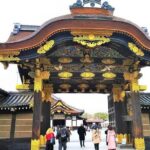
Nijo Castle Tours, compared.
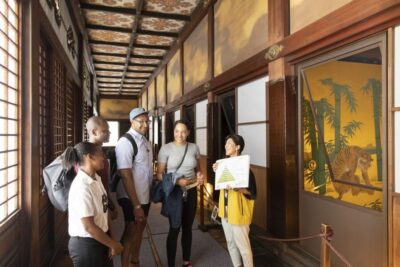 ★ 4.7Nijo-jo Castle and Ninomaru Palace Guided TourFrom $161,020 reviews
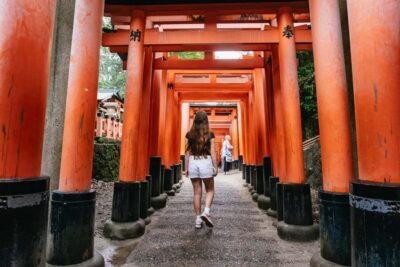 ★ 4.7Nijo Castle, Kiyomizu & Fushimi Inari Guided TourFrom $54700 reviews
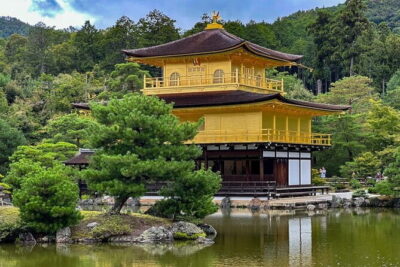 ★ 5.0Nijo, Kinkaku-ji, Arashiyama, Kiyomizu & Fushimi InariFrom $51699 reviews
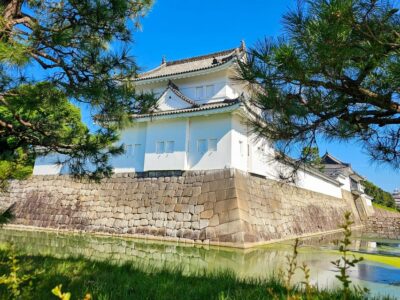 ★ 4.7Imperial Palace & Nijo Castle Guided Walking TourFrom $49453 reviews
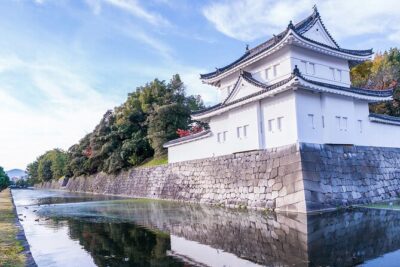 ★ 5.0Nijo Castle World Heritage Guided Tour with AdmissionFrom $39128 reviews
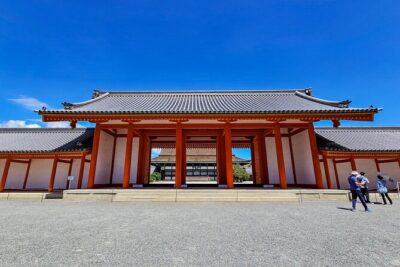 ★ 4.5Kyoto Imperial Palace & Nijo Castle Guided Walking Tour – 3 HoursFrom $55106 reviews
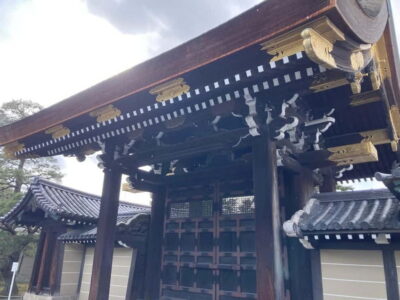 ★ 4.6Nijo Castle and Kyoto Imperial Palace Guided TourFrom $6398 reviews
 ★ 5.0Nijo Castle and Imperial Palace Visit with GuideFrom $7953 reviews
Browse the lists this tour appears in