
Reviewed · WORKSHOPS
Kyoto: Japanese Koto Musical Instrument Class
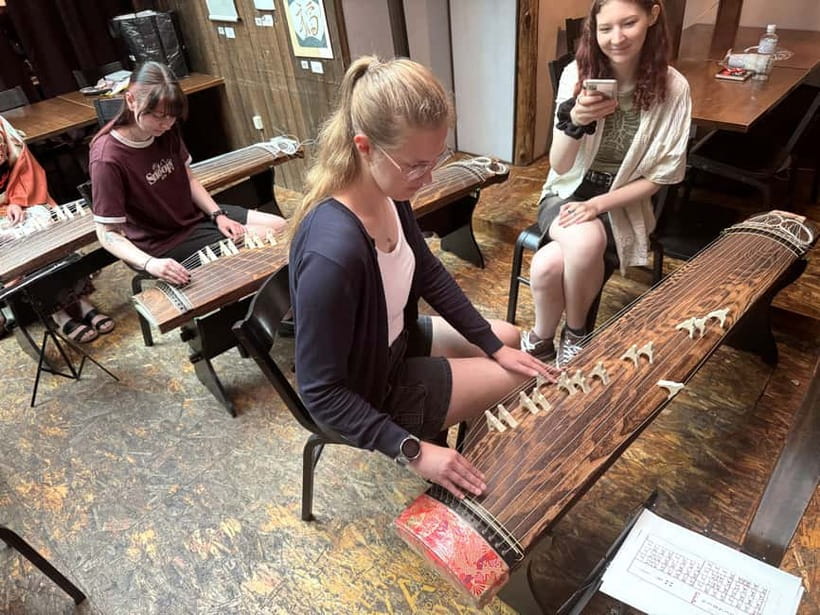
Learning the koto starts with silence. In Kyoto, this 90-minute class at Gojo Paradiso turns you from listener into player, starting with a live performance before you try the folk tune Sakura Sakura on the instrument yourself. I love that the lesson is built for real beginners, so you are not left watching other people have fun.
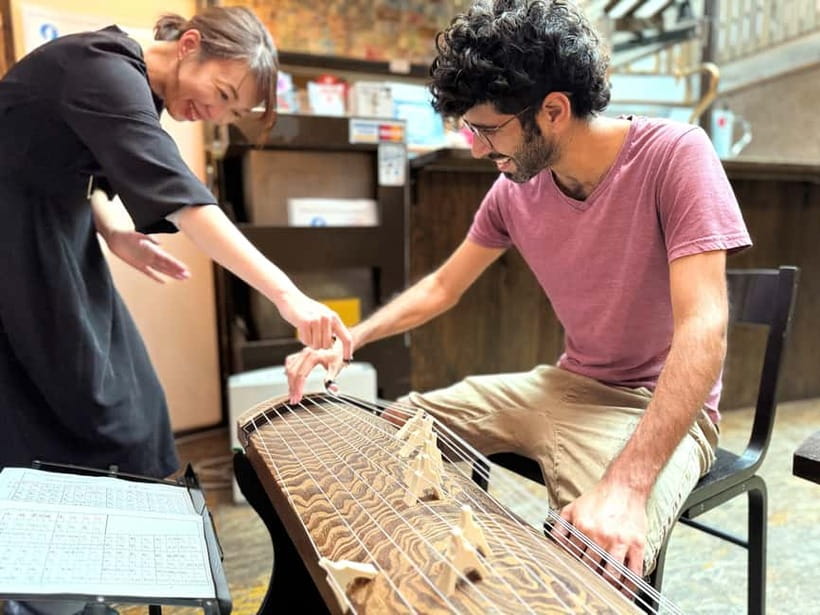
The other thing I like a lot is how seriously they take teaching. In the small group setting, the instructor stays friendly and patient, and one standout highlight was learning from Natsuko, described as super friendly and clearly in control of the material. You feel like the focus is on getting your hands to work, not just hearing a story.
One consideration: this is not suitable for children under 10. If you are traveling with younger kids, plan something else for that age group.
Kyoto Koto at Gojo Paradiso: What Makes This Class Worth Your Time
- A live koto performance first, so you know what you are aiming for before your turn
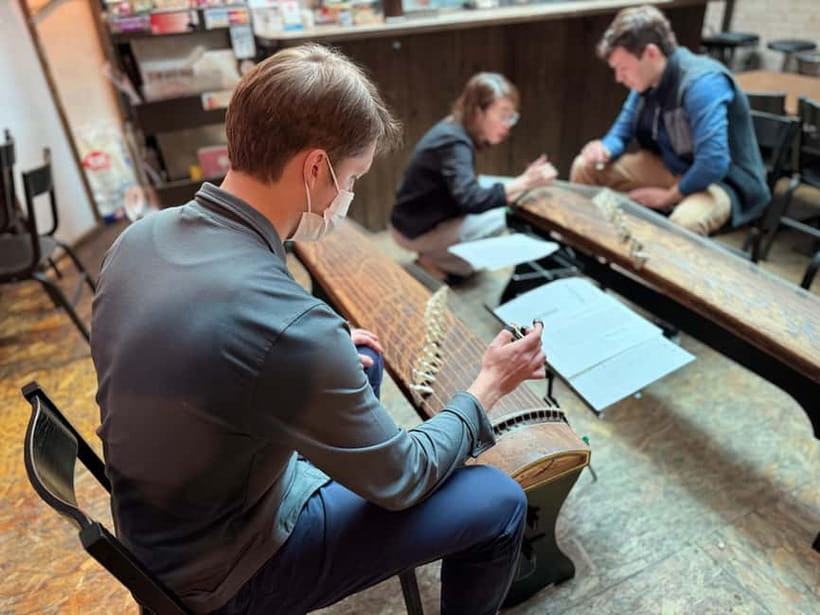
- Beginner-friendly hands-on practice, with the instrument and materials provided
- You learn Sakura Sakura and then get a chance to try additional songs
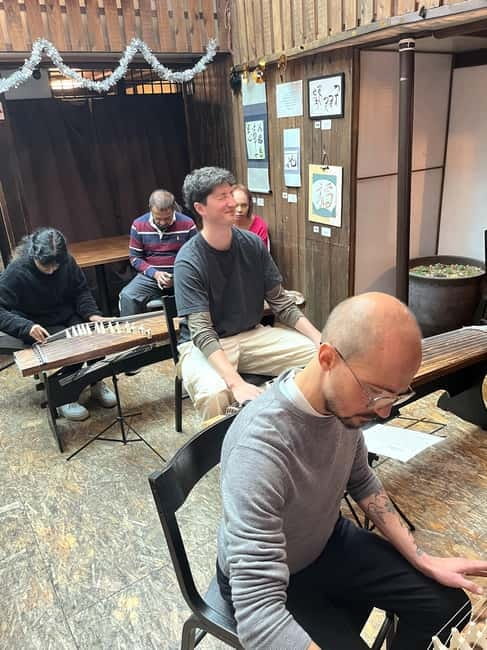
- Small group of up to 10, which keeps attention on each person
- Language support in English and Japanese, helpful if your Japanese is basic or nonexistent
Step Into Gojo Paradiso Along the Takase River
This class takes place at Gojo Paradiso along the Takase River on Kiyamachi Street. The neighborhood is the kind of Kyoto lane that makes you slow down, then notice details, like the river setting and the simple calm that comes from being off a major road.
Finding it is straightforward. You walk about 5 minutes from Keihan Kiyomizu Gojo Station and about 10 minutes from Keihan Shichijo Station. It is also listed as 386 meters from Kiyomizu Gojo Station, so if you are mapping on your phone, it helps to aim for that station first and then go on foot.
What I like about this meeting point is the “arrive and settle” feel. You are not sprinting across Kyoto. You show up, get oriented, and transition into a focused 90 minutes without needing to change plans.
Also, the class is listed as wheelchair accessible. So if mobility is a concern, you can plan without guessing.
More Kyoto temple visits, food tours, tea experiences, and day trips to compare

The 90-Minute Flow: Listen, Then Play Sakura Sakura
The schedule is simple, and that is a good thing. You start by listening to a live performance. This matters more than it sounds. Hearing the music first gives your brain a target, so when you later touch the koto, you are not starting from zero expectations.
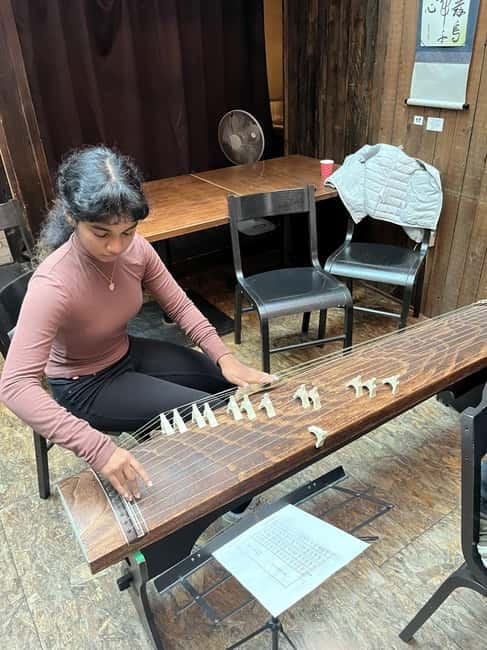
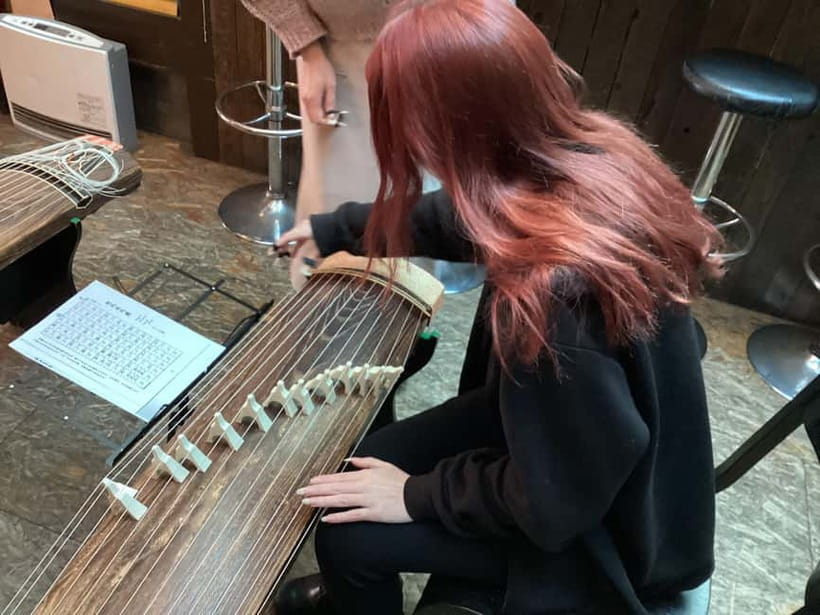
Then comes the hands-on part. You try playing Sakura Sakura with your own hands, guided by the instructor. You are not expected to already know how the instrument works. The lesson is structured for beginners, so the goal is basic control and a real sense of progress during the session.
Once you have learned the first song enough to feel comfortable with it, you can try other songs too. That is a big value point. Many “demo” activities stay at the watching stage. Here, the format is meant to turn listening into participation, then participation into repeatable practice.
If you like the idea of learning something physical and cultural at the same time, this class fits. You get a moment of quiet concentration, then you get a payoff when you produce recognizable notes yourself.
Why Natsuko-Style Teaching Makes a Difference (And How You Benefit)
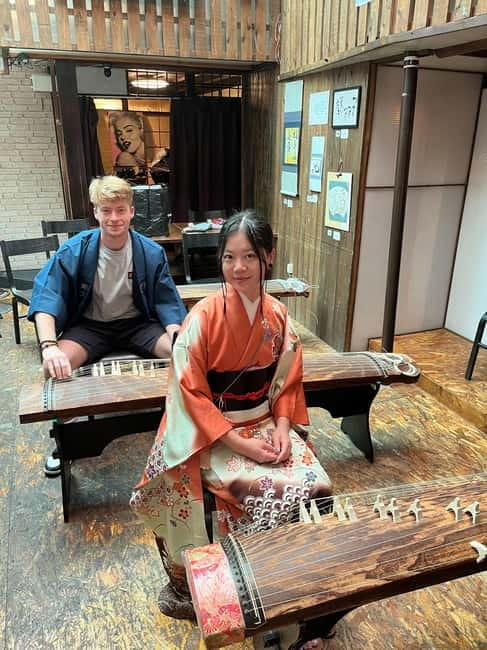
A koto class lives or dies on the instructor. The good news is that the teaching here is repeatedly praised for being friendly and patient, with clear competence. One review specifically calls out Natsuko as fantastic, and that she was patient and sharing valuable information.
That teaching tone matters for beginners. When you are trying a new instrument, you need two things at once. First, you need guidance that is easy to follow. Second, you need encouragement when your first attempts are not perfect. From the reviews and how this lesson is described, you get both.
In practice, here is what you should expect your instructor to help you with during the session:
- Understanding what you are supposed to do on your turn
- Getting the basics down quickly enough to feel progress before the lesson ends
- Trying again, without pressure, until the result sounds more like the song you are learning
In at least one case, the experience felt extremely personal, even like a one-on-one moment for the person booking. With a small group capped at 10, you are more likely to get attention than in a larger, more impersonal workshop.
So if you have ever worried you will feel awkward learning something musical in front of others, take comfort in the fact that the teaching style here is described as patient. You are not being rushed.
What You Can Capture: Photos and Videos of Your First Notes
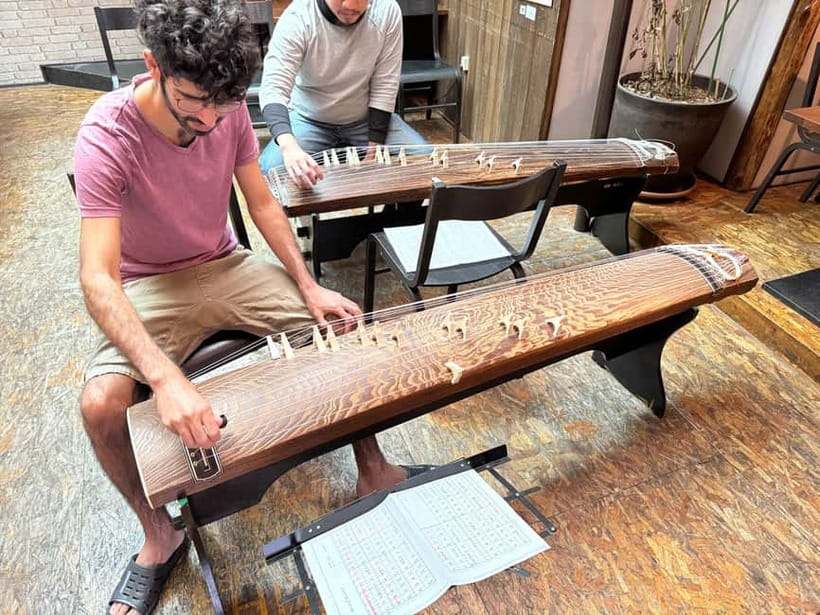
Kyoto is full of perfect photo angles. This experience adds a different kind of memory, one you can actually play back later.
You are encouraged to capture the moment with photos and videos during the class. That is useful even if you are shy. The lesson has a built-in milestone, the moment you are playing Sakura Sakura. A video gives you proof that you did it, plus it helps you remember how it felt when you improved during the 90 minutes.
Practical tip: bring a fully charged phone. If you are the type who records everything, you will still want to listen during the live performance so you can judge what you are trying to recreate while you play.
Price and Value: Why $32 for 90 Minutes Can Actually Be a Good Deal
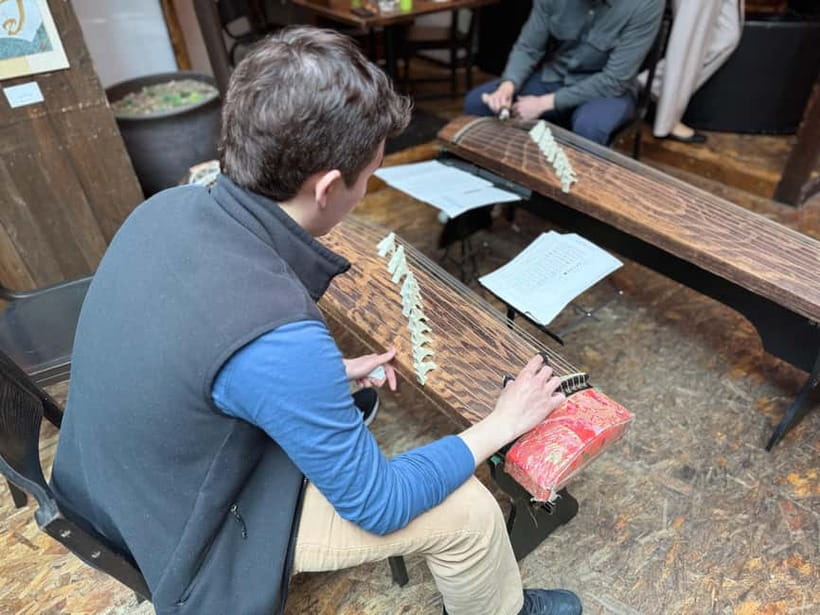
At $32 per person for 90 minutes, this class is priced in the “reasonable side” for an activity that includes:
- An expert koto instructor
- The koto and all necessary materials
- A structured lesson format that moves from listening to playing
The value is not just that it is cheaper than hiring a private teacher. It is that you are not paying to watch. You are paying for time with someone who can guide your hands, then help you leave with at least one complete song you tried to play yourself.
You also get included materials. That matters in Kyoto, where a lot of experiences either require renting equipment or buying additional add-ons. Here, the core tool is part of the deal, and that keeps the budget clean.
And because the group is limited to 10, you get more instructor attention than you might in a bigger workshop. In short, it is not a long show and not a passive souvenir. It is a compact skill experience.
If you are trying to balance “one big paid activity” with day-to-day Kyoto wandering, this kind of lesson slots in nicely. It gives you a story that is specific to your hands, not just your camera.
Who Should Book This Koto Class (And Who Should Skip It)
This experience is a great match for:
- Beginners who want to try a traditional Japanese instrument without prior knowledge
- Music lovers who enjoy learning how a cultural sound is produced, even at an introductory level
- Culture-focused travelers who like hands-on activities more than lectures
- People who want a calm indoor break in Kyoto during busy days
It is less of a match if:
- You are traveling with children under 10. The class is not suitable for them, so do not plan on bringing a younger child to “watch.”
- You want an advanced performance program. This lesson is designed for beginners and first-time play, so the focus is on getting you set up, not mastering complex repertoire.
Think of it as “a first conversation with Japanese music,” not a concert or a long course.
Timing and Getting There Without Stress
You will want to plan your day so you arrive a little early. It is a 5-minute walk from Keihan Kiyomizu Gojo Station and about 10 minutes from Keihan Shichijo Station. Kyoto sidewalks are fine, but streets and crossings can take longer than your map app predicts.
Also, make a note of the “Gojo Paradiso” name, not just the river. If you use navigation, zoom in on Kiyamachi Street so you do not end up a block off and hunting in Japanese-only signage.
One more practical point: a reservation is required at least 1 day in advance. So this is not a walk-in, decide-on-the-day kind of activity.
If you like flexibility, the listing also offers reserve now and pay later. That is a good option when your Kyoto days are still shifting.
Should You Book the Kyoto Koto Class?
If you want a Kyoto activity that is genuinely hands-on, this is an easy yes. You learn Sakura Sakura, you hear a live performance first, and you get time to play more than one song during the 90 minutes. With a small group limited to 10 and teaching praised as friendly and patient, you are likely to leave feeling you actually learned something, not just watched something.
Book it if you are:
- A beginner with curiosity
- A traveler who values practical participation over passive tourism
- Someone who likes traditional culture when it is explained through doing
Skip it if you:
- Need something suitable for children under 10
- Want a long, intensive course style program
- Prefer activities that do not involve hands-on practice
My bottom line: for $32 and 90 minutes, this is a compact cultural experience with real payoff. The best part is that the lesson is structured so you do not just admire the music, you try to make it.
FAQ
Where is the koto class meeting point in Kyoto?
You meet at Gojo Paradiso on Kiyamachi Street along the Takase River. It is about a 5-minute walk from Keihan Kiyomizu Gojo Station and about a 10-minute walk from Keihan Shichijo Station (listed as 386 meters from Kiyomizu Gojo Station).
How long is the Kyoto Japanese koto musical instrument class?
The class lasts 90 minutes.
What is the price per person?
The price is $32 per person.
Do I need any prior experience to join?
No. The lesson is for beginners and no prior experience is required. Koto and all necessary materials are provided.
Which song do you learn during the class?
You start by learning the folk song Sakura Sakura. After that, you can try other songs too.
Does the instructor speak English?
Yes. The instructor teaches in English and Japanese.
Is this a small group experience?
Yes. It is a small group with a limit of 10 participants.
Can children join?
Children under 10 are not suitable for this activity.
What if I need to cancel?
Free cancellation is available up to 24 hours in advance for a full refund. You also need to reserve at least 1 day in advance. Reserve and pay later is offered so you can book without paying immediately.
More Workshops & Classes in Kyoto

More Tour Reviews in Kyoto
Not for you? Here's more nearby things to do in Kyoto we have reviewed

Workshops, compared.
 ★ 4.345-Minute Tea Ceremony Lesson ExperienceFrom $222,378 reviews
 ★ 5.0Ramen Cooking Class at Ramen Factory in KyotoFrom $1311,937 reviews
 ★ 5.0Chopsticks Making Workshop in Gion with Engraving OptionFrom $15958 reviews
 ★ 4.9Samurai Sword Class by Experts in Traditional ArtsFrom $64657 reviews
 ★ 4.9Ramen Cooking Class at a Ramen Factory with SouvenirFrom $127532 reviews
 ★ 5.0Ninja 1-hour Hands-on Lesson by Japanese master in Kyoto -EntryFrom $80489 reviews
 ★ 5.0Ramen, Gyoza, and Onigiri Cooking ClassFrom $90445 reviews
 ★ 5.0The Original Small-Group Sushi Making Class in KyotoFrom $69436 reviews
Browse the lists this tour appears in