
Reviewed · KYOTO FOOD TOURS
Kyoto: Kaiseki Reservation at Hanasaki Manjiro
One meal, and Kyoto slows down. A reservation at Hanasaki Manjiro turns sightseeing pace into something calmer, with seasonal kaiseki served in a beautifully restored machiya townhouse.
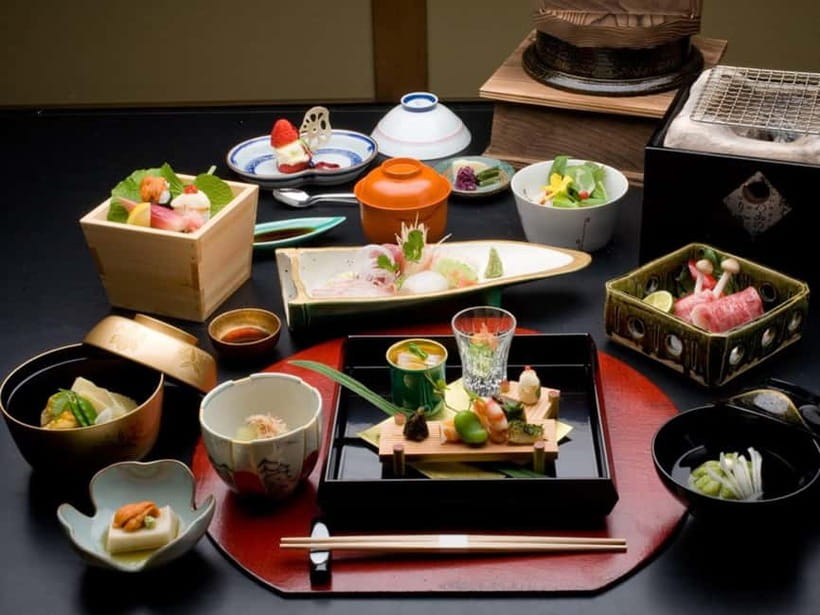
What I love most is the room itself, a private tatami space with a quiet garden view, so the experience feels intimate, not cafeteria-style. I also like the way the food leans hard into Kyoto seasonality, with Kyoto vegetables and local ingredients arranged like small works of art.
One thing to consider: this is a set-menu dining experience, and drinks beyond water are extra, so you will want to plan your budget and appetite accordingly.
Key Highlights
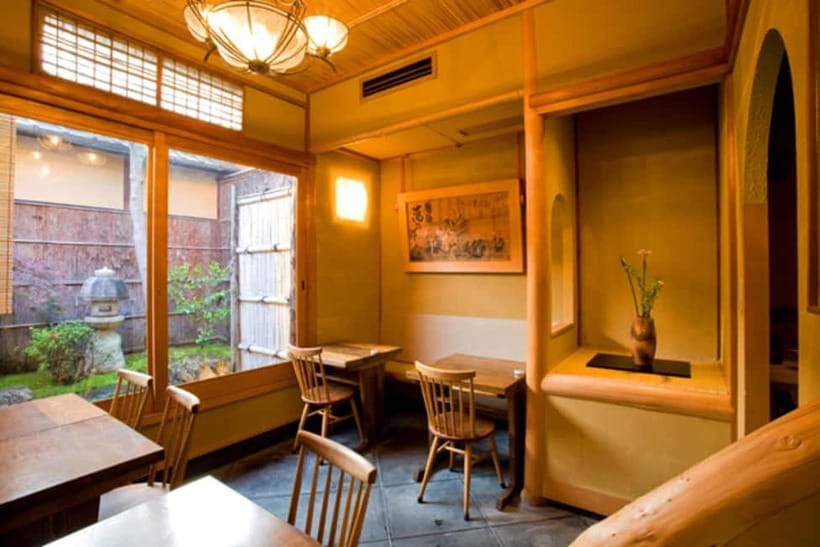
- 120-year-old Higashiyama machiya townhouse atmosphere, restored and used as an actual dining space
- Private tatami rooms with tranquil garden views for a slower, calmer meal
- Seasonal Kyoto kaiseki using Kyoto vegetables and local ingredients
- Perfect location for Higashiyama landmarks like Kodaiji, Chion-in, and Kiyomizu-dera
- Maiko or geiko performances may be arranged on request (ask ahead if that’s your interest)
- A 2-hour, reservation-only format, so you should go there ready to eat
Why a Kyoto Machiya Kaiseki Meal Feels Different
Kyoto does not do loud meals well. Here, the townhouse setting and the rhythm of kaiseki make the whole experience feel like part of the city, not a stop you rush through.
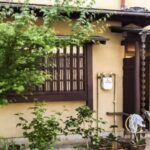
I like how the old machiya structure does the heavy lifting for atmosphere. You get that traditional feel right away, from the quiet entry to the sense that you’re dining in someone’s carefully kept home, not in a themed restaurant.
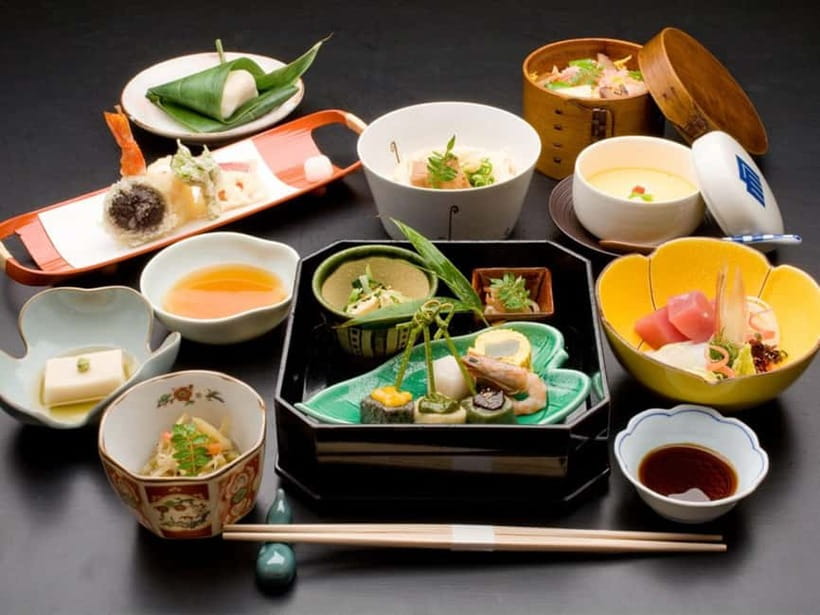
And then there’s kaiseki itself. It’s not just food, it’s a sequence, where each course is built around season, texture, and balance. If you’re the type who loves noticing small differences, you’ll enjoy how the meal keeps changing its mood.
You can also read our reviews of more tours and experiences in Kyoto.

Finding Hanasaki Manjiro in Higashiyama (Kodaiji, Chion-in, Kiyomizu-dera Area)
Hanasaki Manjiro sits in the Higashiyama district, near the famous temple triangle. From there, you can pair your dinner with a daytime temple circuit, or you can do it the other way around and let the meal soften the edges of a busy sightseeing day.
The walk is straightforward if you use the key station anchors. It’s about a 10-minute walk from Gion-Shijo Station on the Keihan Main Line, or around a 15-minute walk from Kawaramachi Station on the Hankyu Kyoto Line.
The practical trick is mindset, not navigation. This place is along the kind of lanes that feed into the Higashiyama Sando atmosphere, so expect a slow walk, not a fast one. Build a little buffer, because Kyoto streets are charming, and that usually means you’ll want to pause.
Also, remember this is a restaurant reservation only setup. When your time comes, go right to the restaurant. No guide will be provided, so you’ll rely on staff explanations at the table, plus your own curiosity.
What Your 2-Hour Kaiseki Flow Looks Like
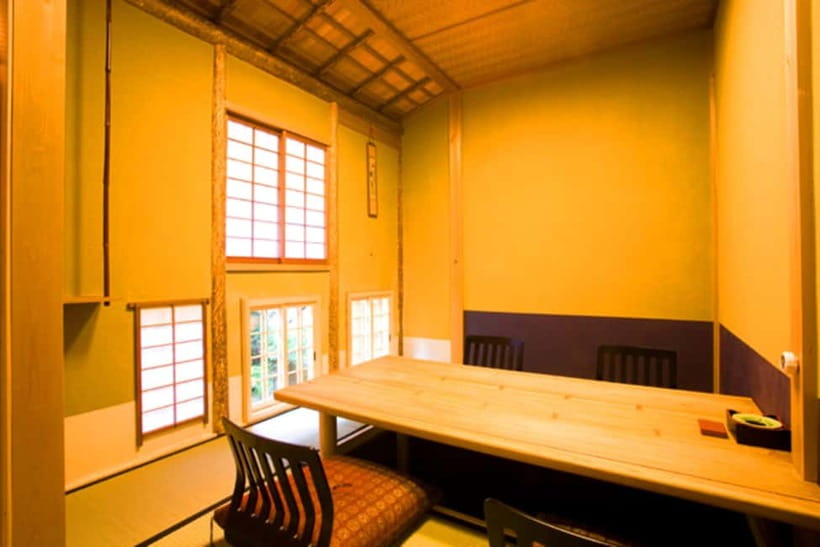
The experience runs about 2 hours, which is a sweet spot for a multi-course meal. You’re not stuck for half a day, but you also won’t feel like you’re eating five bites and leaving.
Once you’re seated, private tatami rooms set the tone. If you’re coming in from crowds near the big sights, this is the kind of change that resets your whole trip. The garden view helps, because it gives your eyes somewhere calm to land between courses.
As the meal moves through courses, the pacing matters. Kaiseki is designed so each dish has time to register, both for flavor and presentation. I like that the staff explains each dish in detail, which helps you appreciate what you’re actually tasting, not just that it looks pretty.
One detail worth knowing: you may hear good English explanations depending on the night and staff. One guest specifically mentioned a staff member named Mihoko for patient, clear help with questions about Japanese culture and society, with excellent English. Even if your night is different, the overall vibe is that explanations are part of the service.
Seasonal Kyoto Food: What You’ll Actually Taste
Kaiseki here is built around Kyoto-style seasonal ingredients, including Kyoto vegetables and local products. The seasonal focus matters because it changes the “why” behind the dish. Instead of repeating the same menu year-round, you get a snapshot of what Kyoto feels like right now.
You’ll also notice how careful the balance is. Kaiseki tends to avoid heavy flavors unless the season asks for it, so the meal often tastes lighter than people expect from the word course. That can be great if you want something elegant, not stuffed.
From what’s been shared by past diners, the shrimp quality can be standout, and some people have experienced first-time impressions like tasting wagyu beef for the first time during the meal. You might also get a take-away moment, such as eel rice packed for you, but that depends on how the kitchen handles your portion and the specific menu that night.
So what does this mean for you, practically? If you love food photography, you’ll have plenty to work with. But if you’re more of a flavor-first person, you’ll still enjoy it because the courses are meant to be tasted as a story.
The Portion Question: Choose the Pace That Fits Your Appetite
Let’s be honest. A kaiseki set menu can be substantial, even when each dish is delicate. One diner pointed out that the 9-course menu felt generous, and even included a packed item at the end.
That’s great if you’re hungry and you enjoy finishing what you start. But if you’re the type who snacks all day, then goes into dinner expecting it to be light, you may feel stuffed by the final courses.
My practical advice: come hungry, and if you want a lighter experience, ask whether a smaller option is available. Even if you’re not sure what’s possible, you can at least manage expectations and avoid a stomach mismatch.
Also, plan your day so you’re not trying to cram a big dessert or a late bar snack right before dinner. This meal likes to be the main event.
Drinks, Costs, and Value for $48
At $48 per person, this is priced like a solid special-occasion dinner, not a budget meal. The value comes from the full course menu and the setting.
You get a complete kaiseki sequence plus sales tax included, and water is included as the only standard drink. Everything else is on you.
That drinks rule is where the final total can drift. If you order beer, wine, or cocktails, your bill will rise, quickly. If you want to keep it simple, stick with water, and let the meal itself do the impressing.
Where this can be a great deal is for groups who want one unforgettable night together. Instead of paying for separate meals and scattered desserts, you get one coherent experience with a strong sense of place.
Maiko or Geiko on Request, and When to Ask
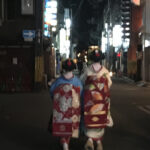
There’s a cultural add-on that some diners care about: maiko or geiko performances can be arranged upon request.
Important practical note: since this is not automatic in the basic setup, don’t assume it will happen. If seeing one of these performances is part of your Kyoto plan, ask at the time of reservation or as early as you can.
Even if a performance isn’t available, the meal still works as a cultural experience. The core value is the seasonal kaiseki in a historic townhouse, with a private room and a calm atmosphere that fits the Higashiyama mood.
If you’re trying to schedule everything around temples and photos, think of the performance as a bonus, not the foundation.
Who This Kyoto Kaiseki Reservation Suits Best
This is ideal if you want Kyoto to feel quiet for a couple hours. If you love old neighborhoods, traditional interiors, and food that changes with the seasons, you’ll get exactly what you came for.
It’s also a strong pick for:
- A date night where you want conversation, not noise
- Food-focused travelers who want Kyoto vegetable seasonality explained through courses
- People celebrating something specific without turning the night into a performance
If you hate waiting between courses, you might find kaiseki pacing a little slow. The meal is designed to take its time, so it’s not built for maximum speed touring.
Finally, because it’s reservation-only and there’s no guide, you should be comfortable navigating on your own and asking questions to staff. The upside is you’re not dragged from stop to stop, you’re simply there to eat well.
Should You Book Hanasaki Manjiro?
If you’re choosing between a standard dinner and a Kyoto experience dinner, I’d lean toward booking. The combination of a 120-year-old machiya setting, private tatami rooms, and truly seasonal Kyoto kaiseki gives you a lot of emotional value, not just food value.
Book it if you want your night in Higashiyama to feel special but still grounded in real Japanese dining culture. I’d also book it if you plan to visit Kodaiji, Chion-in, or Kiyomizu-dera the same day, because you can time dinner for the calm shift after the main crowds.
Skip it only if you want a casual, quick meal with lots of flexible ordering. This is set-menu dining, and the point is to slow down and enjoy the sequence.
If you do book, come hungry, keep drinks in mind for your budget, and give yourself an extra 10 to 20 minutes for the walk through the Higashiyama atmosphere.
FAQ
How long does the Kyoto kaiseki reservation take?
The experience lasts about 2 hours.
What is included in the price?
The full course menu, sales tax, and the reservation are included.
Are drinks included?
Drinks are not included except for water.
Where is the meeting point?
It’s a 10-minute walk from Gion-Shijo Station on the Keihan Main Line, or about a 15-minute walk from Kawaramachi Station on the Hankyu Kyoto Line.
Do I get a guide during the meal?
No guide is provided. You’ll be dining as a reservation-only experience.
Is the venue wheelchair accessible?
Yes, the activity lists wheelchair accessibility.
More Tour Reviews in Kyoto
Not for you? Here's more nearby things to do in Kyoto we have reviewed

Kyoto Food Tours, compared.
 ★ 5.0Kyoto Night Foodie Tour in Gion (9+ dishes + 6 Sake tastings)From $1631,762 reviews
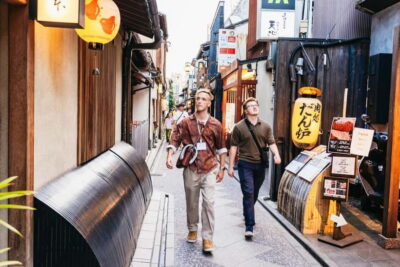 ★ 4.7Kyoto Night All-Inclusive Eats and Streets, Gion and BeyondFrom $92601 reviews
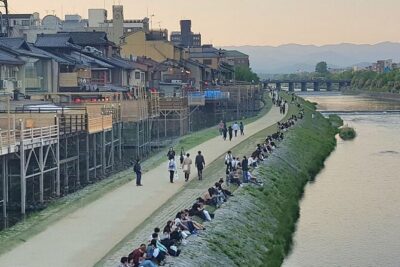 ★ 4.5Kyoto Nighttime All-Inclusive Eats and Streets, Gion and BeyondFrom $119464 reviews
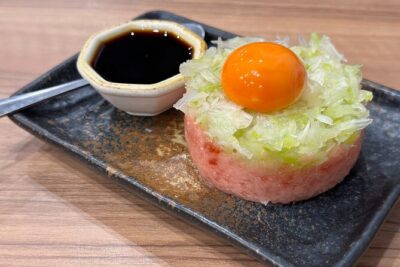 ★ 5.0Gion Food Tour 13 Dishes at 4 EateriesFrom $72408 reviews
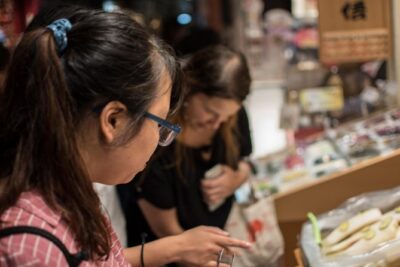 ★ 5.0Kyoto Foodie Night TourFrom $102376 reviews
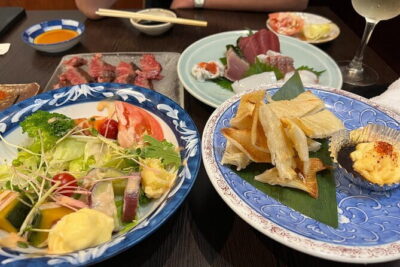 ★ 4.9Gion & Pontocho Food Tour with 13 DishesFrom $82235 reviews
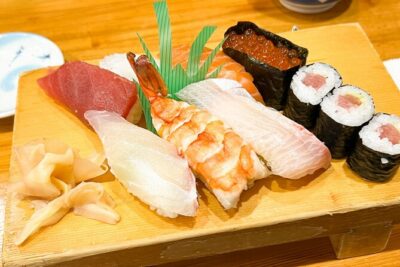 ★ 5.0Gion Local Food Tour (Taste 15 Dishes)From $94171 reviews
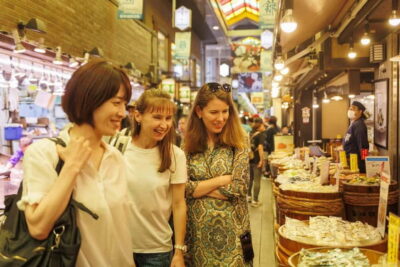 ★ 4.7Local Food Tasting Tour at the Nishiki MarketFrom $78135 reviews
Browse the lists this tour appears in