
Reviewed · WORKSHOPS
Kyoto: Make Your Own “Daruma” Craft & Painting Workshop
A Kyoto craft break beats another line-up. This 2 hour workshop lets you make your own papier mâché Daruma (or cat, dog, kitsune) and personalize it with paint in a calm, friendly shop. I especially like the mix of hands-on making and the story behind the shapes, taught in plain English.
Two things I really like are the small group limit of 4 and the fact that you get a finished souvenir you made yourself. One thing to consider is that painting uses acrylic, so if it’s raining outside, plan to protect your creation on the way back.
Key Highlights Worth Prioritizing
- Small group, not a factory class: Max 4 participants, so the instructor can actually see what you’re doing.
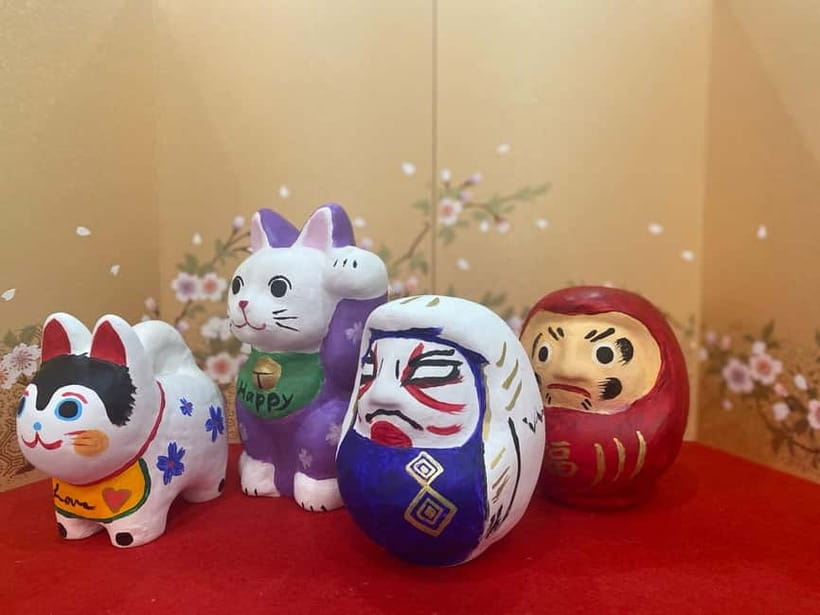
- A real take-home souvenir: You leave with a finished papier mâché figurine, personalized by you.
- Tea and a Japanese sweet included: A complimentary drink plus traditional Japanese confectionery for each person.
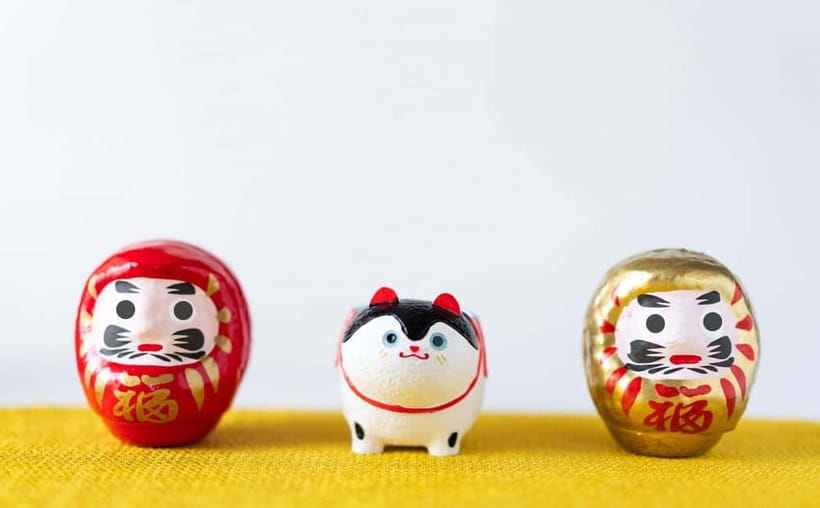
- You choose your figurine theme: Daruma, Lucky Cat, dog, and kitsune (fox) options, painted in your style.
- Meaning behind the shapes: You get the symbolism in a way that makes the craft feel more than just decoration.
- A relaxed pace: People highlight a non-rushed, peaceful atmosphere.
Why This Kyoto Workshop Feels Different Than Most Activities
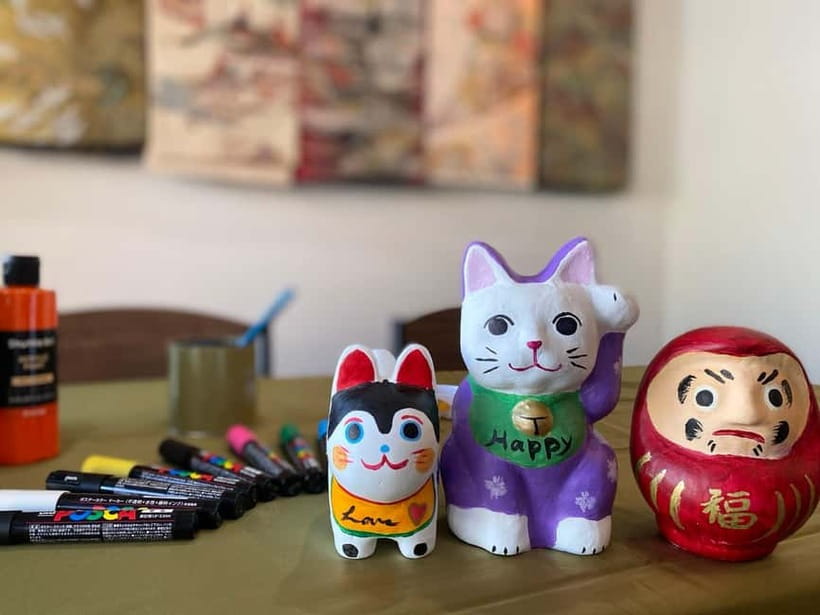
Kyoto can overload your schedule fast, between temples, shopping streets, and trying not to trip over your own map. This workshop is a different kind of Kyoto day, slower and more tactile. You sit down, get materials, and create a small piece of folk art you can carry home without needing an extra suitcase full of fragile things.
I like that the focus stays on your hands, not on lectures. You’re guided by a local craft master (English support) while you paint the figurine in your own style. And unlike many “paint a souvenir” spots, the symbolism behind Daruma and other shapes is part of the experience, not an afterthought.
One more practical win: the group size is capped at 4, which tends to keep the vibe personal. In the reviews, people repeatedly mention chatting over tea and being encouraged to get creative rather than being rushed or directed micromanagement style.
More Kyoto temple visits, food tours, tea experiences, and day trips to compare

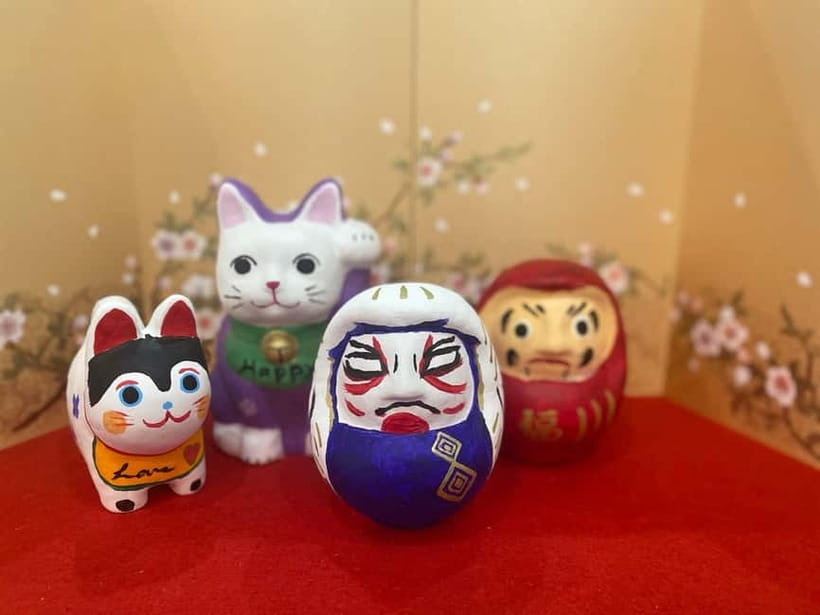
What You’ll Create: Daruma, Lucky Cat, Dog, and Kitsune
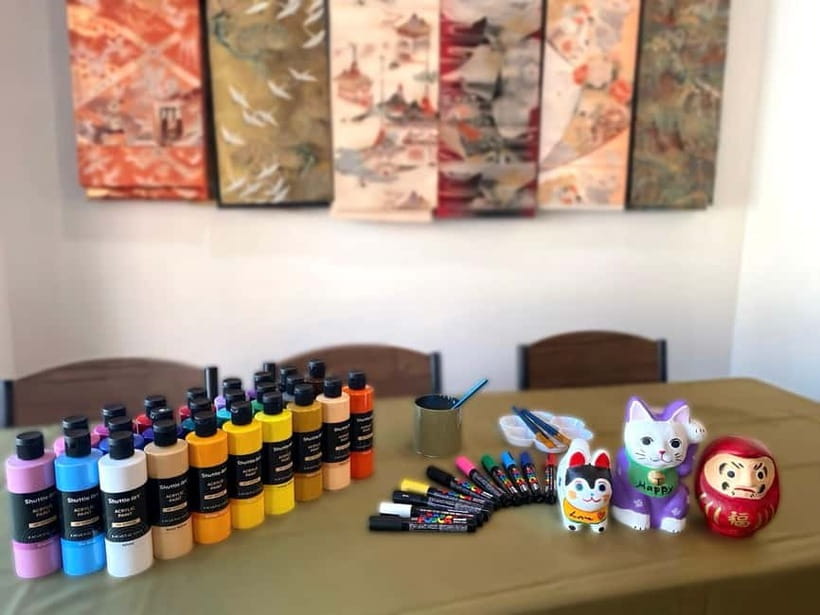
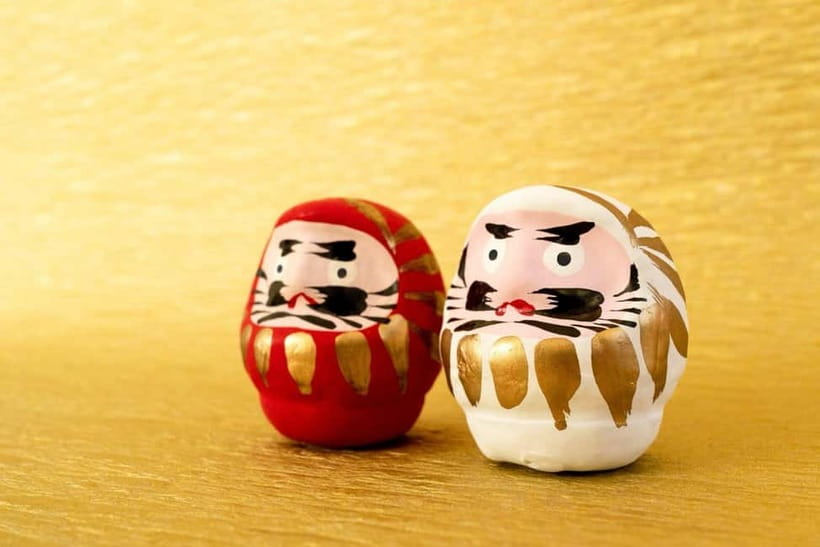
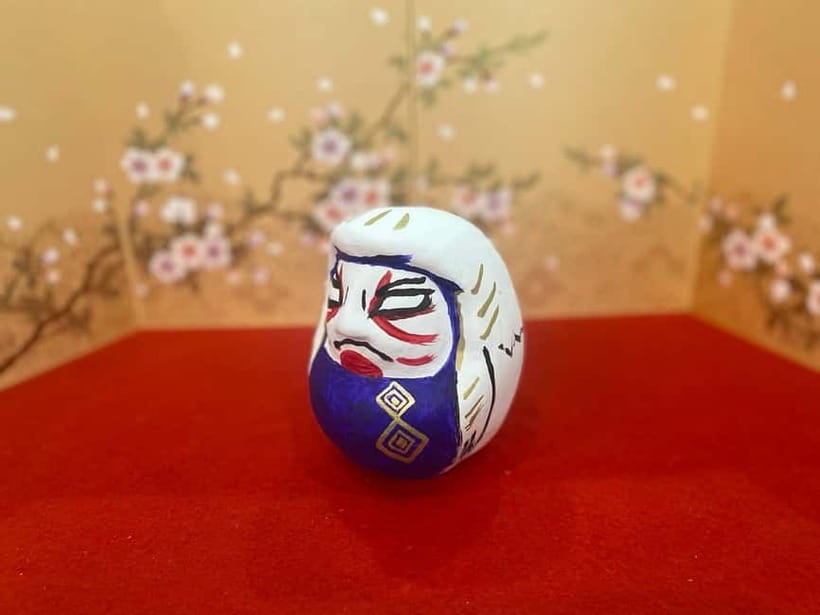
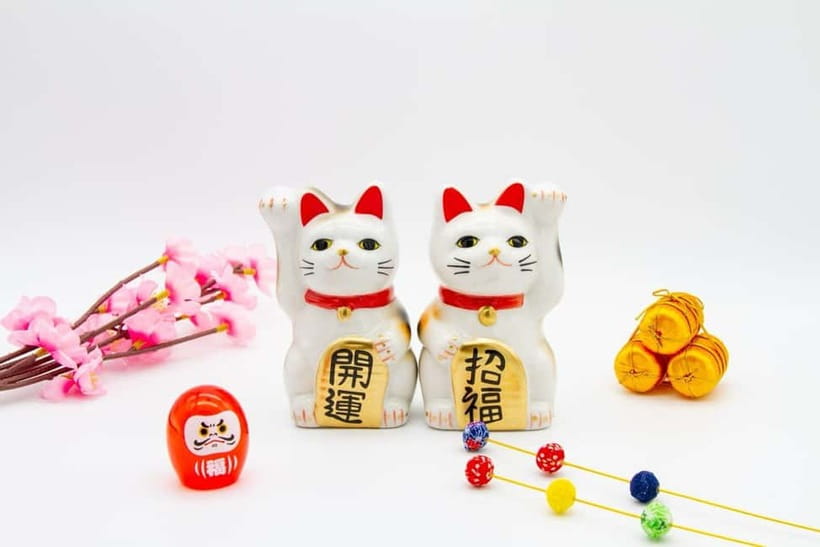
The workshop centers on papier mâché figurines that you personalize with paints. You can paint a beckoning cat, Daruma, dog, or kitsune (fox) figurine, depending on what’s available when you arrive and what you feel like making.
Here’s why this matters for your trip. Kyoto souvenirs often feel like something you buy, then forget where you got it. This flips the script. Your souvenir comes from your own choices: colors, facial expressions, patterns, and how you interpret the look.
If you like themes, Daruma connects to persistence and good intentions. The workshop also gives context for other common shapes like the fox (kitsune) and cats, so your figurine feels rooted in Japanese visual culture rather than random decoration. You’ll hear the meaning behind the traditional forms while you work, so the symbolism sticks.
Step-by-Step: How the 2 Hours Usually Runs
The session runs about 2 hours, and the flow is simple. You’ll meet your host inside the renovated boutique workshop, then move through crafting, painting, and finishing time with a drink and sweet.
1) Walk in and get matched with your figurine
Upon arrival, you enter the workshop and your host greets you. In a small group setting, you’re not stuck waiting in a crowd. It’s easy to settle in, pick your figurine theme, and start with the basic setup right away.
2) Learn the basics from the local craft master
The instructor guides you through the process of painting a papier mâché surface. There’s no need for prior skills, and the tone is meant to be supportive, not technical. If you’ve never painted before, you can still expect a smooth start.
A big value here is confidence. People often come in feeling like they might not be creative. The workshop is set up to make you feel capable quickly, with suggestions when you ask and space when you don’t.
3) Paint your figurine in your own style
This is the main event. You paint the figurine, letting your personal style show. Reviews emphasize that the experience is self-directed for most of the time, with encouragement rather than heavy instructions.
If you want a safe approach, think in layers. Start with the broad colors and shape the face and key details gradually. Then add patterns and accents once the main colors look right to you. Acrylic paint dries fast, so you can keep moving without a long waiting cycle.
4) Break time with a complimentary drink and Japanese sweet
Each guest gets a complimentary drink plus traditional Japanese confectionery of your choice. You’ll feel the pace slow in a good way. People highlight the chance to chat over tea while still keeping the session on track.
That break is not just a perk. It helps you reset your eyes before final details, and it turns the workshop into something you remember as an experience, not just a product.
5) Finish, admire, and plan your trip home
When time is up, you pack your finished figurine. This is the moment where small details matter, especially if weather is bad. Reviews include a practical tip: if it’s rainy, protect your creation so acrylic paint and the papier mâché don’t get damaged on the way back.
The Meaning Behind Daruma and Other Shapes (In Plain English)
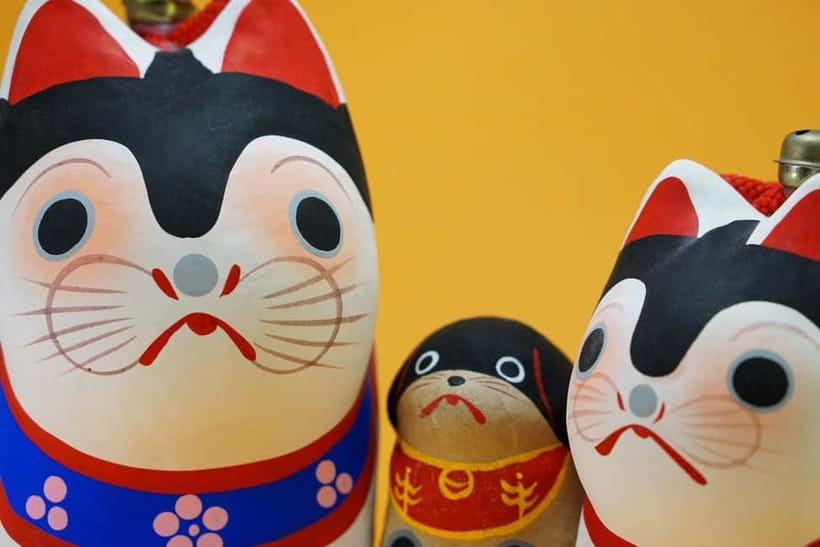
A lot of craft classes stop at how-to. This one adds why. You learn the symbolism behind these traditional shapes while you paint.
That matters because it changes how you view your own work. When you know what a Daruma or kitsune figure represents, you’re not just copying a design. You’re participating in a visual tradition you can explain later, even if your figurine doesn’t look exactly like anyone else’s.
In reviews, people describe conversations about Daruma meaning and Japanese traditions, and that chatting is often tied into the local area and what you might see around Kyoto. Even if you don’t plan to visit a special shrine the same day, you’ll leave with a better eye for the objects you notice while walking.
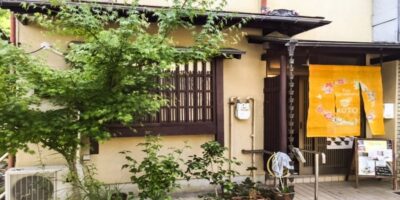
The Classroom Setup: A Renovated Boutique Shop, Not a Big Hall
This workshop happens inside a boutique workshop space that’s been renovated. That setting matters more than you might think. A smaller, quieter shop makes it easier to focus on your painting and feel relaxed, even if you’re traveling with kids or you simply want a calm indoor activity.
Because the group is small, your instructor can respond to individual questions. Several reviews mention the host being patient and kind, and that the class does not feel rushed. That’s important on a vacation. You don’t want to do something creative and still feel like you’re on a tight schedule.
Value Check: Is $25 Worth It for 2 Hours in Kyoto?
At $25 per person for a 2 hour class, the value is strong if you care about making something, not just consuming an activity. Here’s why.
You’re paying for:
- Materials and tools to craft and paint the figurine
- A local crafts master guiding you in English
- A finished souvenir you can take home
- A complimentary drink and traditional Japanese confectionery
Many Kyoto experiences charge more for similar time, and often you don’t leave with anything tangible. Here, the souvenir is the point. You get a handmade keepsake that actually came from your hands, plus the cultural meaning that makes it feel more personal.
One more value signal: small group size is limited to 4. When class size is small at a reasonable price, it usually means you get more attention for the same money.
Rainy Day Reality: Keep Your Acrylic Creation Safe
Kyoto weather can be unpredictable. The workshop includes a helpful practical consideration from reviews: the use of acrylic paint means your figurine can be affected if it gets soaked or smeared while you move around.
If rain is in the forecast, do this:
- Bring a simple bag or wrap to keep your figurine dry
- Handle it carefully when entering or exiting transit
- Plan a short route back to your hotel or next stop, rather than carrying it through heavy rain
This is also why the workshop’s pacing matters. If you finish and then have to hustle across Kyoto, you’ll feel stress. With a little planning, you can keep it calm and enjoy the rest of your day.
Who This Workshop Is Best For
This is a good fit for almost everyone, because it’s beginner-friendly and suitable for all ages. But it shines for specific types of travelers.
Families
The workshop is described as enjoyable for family time. There’s no skill requirement, and the supportive host style helps kids and adults stay engaged.
Couples and friends who want something calm
If you want an indoor activity with a slow, peaceful vibe, this is a solid choice. Reviews often mention the intimate feel of small groups, including cases where people were just two participants, which makes conversation easier.
Solo travelers who want conversation
Even if you’re traveling alone, the class structure gives you natural breaks to chat. You’ll likely share table time and tea with your group, and the host can explain the symbolism as you work.
Craft-curious travelers who want a meaningful souvenir
If you’re tired of generic shopping bags, this gives you a souvenir with a story. You can point to it later and say you made it, which feels different from buying something off a shelf.
A Note on Shopping Inside the Workshop
Some visitors mention that the host, May, has additional handmade items for sale, like lacquer boxes, handbags, and kimono-related crafts. That part is optional. You can focus on the painting and simply browse while you’re there.
If you do shop, treat it like a bonus, not the main plan. The workshop itself is the core value: you’re making your own figurine and leaving with it.
Should You Book This Kyoto Daruma Workshop?
Book it if you want a hands-on Kyoto moment that doesn’t require special skills, and you’d rather create a souvenir than buy one. The small group format, the included tea and sweet, and the symbolism lessons make it feel more thoughtful than a typical quick craft.
Skip it or think twice if you need a tightly packed day that’s mostly on-the-go. This is an indoor class with a relaxed pace, so if you’re trying to maximize walking miles or temple hopping, it may feel too slow. Also, if you’re traveling with a fragile packing situation and can’t protect a finished papier mâché piece from rain or impacts, plan your route home carefully.
FAQ
How long is the Kyoto Daruma craft and painting workshop?
It lasts about 2 hours.
What will I be making during the workshop?
You’ll paint a papier mâché figurine, with options such as Daruma, beckoning cat (Lucky Cat style), dog, or kitsune (fox).
Do I need any prior art or crafting experience?
No. The workshop is suitable for all skill levels and includes guidance from the instructor.
What is included in the price?
You get a complimentary drink, traditional Japanese confectionery, all necessary crafting materials, and the local crafts master guidance.
Is the workshop taught in English?
Yes, the instructor provides English support.
How big are the groups?
It’s limited to a small group of up to 4 participants.
Can I take a souvenir home?
Yes. You take home your personalized papier mâché figurine.
Is the workshop wheelchair accessible?
Yes, it is described as wheelchair accessible.
What happens when I arrive?
Enter the workshop when you arrive, and your host will greet you.
Can I cancel if my plans change?
Free cancellation is available up to 24 hours in advance for a full refund.
More Workshops & Classes in Kyoto

More Tour Reviews in Kyoto

Not for you? Here's more nearby things to do in Kyoto we have reviewed





Workshops, compared.
 ★ 4.345-Minute Tea Ceremony Lesson ExperienceFrom $222,378 reviews
 ★ 5.0Ramen Cooking Class at Ramen Factory in KyotoFrom $1311,937 reviews
 ★ 5.0Chopsticks Making Workshop in Gion with Engraving OptionFrom $15958 reviews
 ★ 4.9Samurai Sword Class by Experts in Traditional ArtsFrom $64657 reviews
 ★ 4.9Ramen Cooking Class at a Ramen Factory with SouvenirFrom $127532 reviews
 ★ 5.0Ninja 1-hour Hands-on Lesson by Japanese master in Kyoto -EntryFrom $80489 reviews
 ★ 5.0Ramen, Gyoza, and Onigiri Cooking ClassFrom $90445 reviews
 ★ 5.0The Original Small-Group Sushi Making Class in KyotoFrom $69436 reviews
Browse the lists this tour appears in