
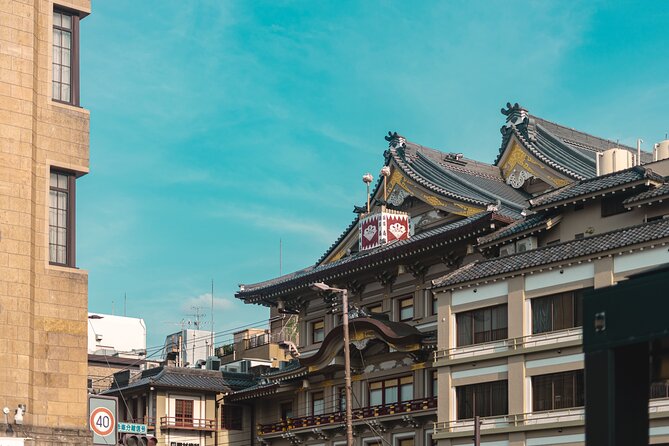
Reviewed · GION & GEISHA DISTRICT TOURS
Kyoto Gion Cultural Walk & Geisha Show with Dining Options
Gion feels like a living museum. This 3-hour experience is built around the Gion Geisha District, then you meet a Maiko apprentice for a performance and a real question-and-answer moment.
What I really like is the way the guide connects history and everyday practice, from the first stop near the statue of Izumo-no-Okuni all the way through Gion’s lanes. I also like the food structure: you can choose a lunch plate, a tea break, or dinner sharing dishes, and your Maiko time flows into the meal or tea instead of feeling rushed.
One thing to consider: you cannot bring luggage or large bags, and the tour is not set up for people with mobility impairments. If you pick the lighter option (tea or lunch), you might also find the portion sizes are more delicate than a full western meal.
Key highlights you should know
- Small group size (max 8) keeps the day personal, and it’s easier to hear your English-speaking guide.
- Start at the Izumo-no-Okuni statue near Keihan Gion Shijo Station so you enter Gion with the right orientation from minute one.
- Gion walking time with a living-culture explanation of rituals, training, and the roles of geiko and maiko.
- Miyagawasuji traditional dance show gives you the performance context before the Q&A.
- 50-minute Maiko meeting with one or two songs plus Q&A so your questions matter, not just your curiosity.
- Dining option built in (lunch plate, tea, or dinner-sharing dishes) for a smoother, more authentic pace.
From Izumo-no-Okuni to Gion’s lanes in one smooth storyline
You start in a very specific spot, right in front of the statue of Izumo-no-Okuni, near exit 4 of Keihan Gion Shijo Station. That detail matters. When you begin at a landmark like this, you stop wandering and you start understanding how the district fits together.
From there, you transition into Gion with an English live guide, and the tone stays grounded. The goal is not to treat geisha culture like a costume show for tourists. It’s presented as a real craft and a real community tradition, with the guide explaining history, rituals, and the subtle rules people live by.
Your group stays small, limited to 8 participants. That helps in two ways. First, the guide can pace the walk so you do not feel steamrolled by the crowd. Second, it becomes easier to ask questions during the later Maiko meeting without feeling like you are taking too much time.
You can also read our reviews of more walking tours in Kyoto

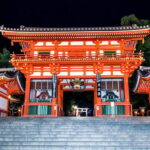
A Gion walk that explains how the culture works
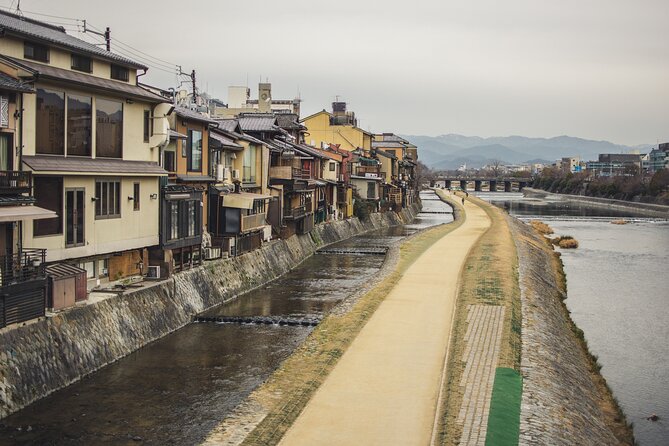
The walking portion runs about 1.5 hours, focused on the Geisha District. You are not just strolling past pretty streets. You are learning the inner workings of traditional life in this world, including the history and the nuances of the art form.
This is where I think this tour earns its reputation. Guides here seem to focus on the basics you actually need to understand what you are seeing later. You learn terms and roles, like how geiko and maiko are described, and you also get a sense of training and responsibilities. The point is to replace Hollywood shortcuts with something more accurate and more human.
You will also have moments to look closely at the environment. Gion has quiet stretches, not just postcard alleys. A good guide helps you spot what matters, like how the district is structured and how performances and training connect to everyday routines.
Practical note: the pace is “walk-and-learn,” not a long slog. You still need comfortable shoes. Also remember the rule about luggage and large bags, so travel light.
Miyagawasuji dance show: where performance meets context
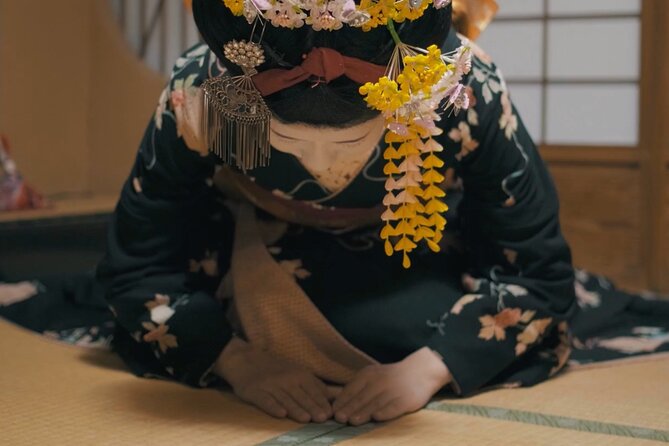
After the Gion walk, the tour shifts to a traditional dance show at Miyagawasuji. This segment runs about 1.5 hours, and it’s a smart setup. You first learn enough to understand why the performance is done, then you watch.
When dance comes with context, it stops being just pretty movement. You start noticing how style communicates discipline and training. And because your guide has already given you the cultural framework, you are better prepared for what the Maiko meeting will feel like later.
One more practical detail: because this is part of the same 3-hour experience, timing stays tight. You are not sent off to find the venue and hope it lines up. The schedule is built so you move directly from street learning into performance mode.
The 50-minute Maiko meeting and Q&A you will remember
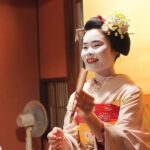
The highlight is the Maiko meeting. It lasts about 50 minutes, and it includes a Q&A and a short performance, with one or two songs. This is not just a meet-and-greet where you ask one polite question and move on.
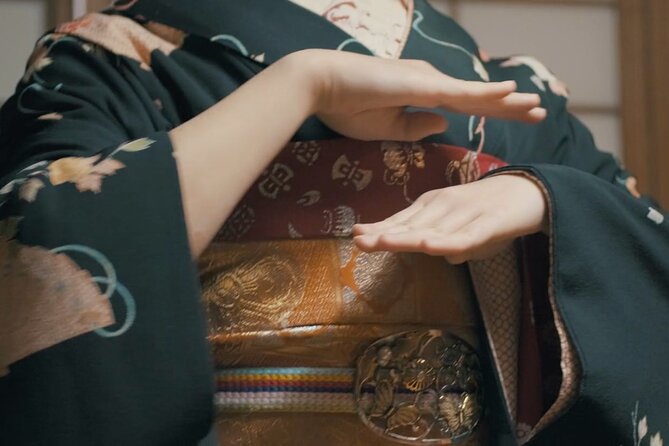
The format helps you get real answers. You get time to talk, ask questions, and learn about the culture through a person who is actively training. That makes a big difference. It turns a concept like maiko into something personal, something you can approach with curiosity instead of assumptions.
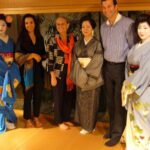
Many guests also mention that the meeting feels respectful and fun at the same time. You may be able to take photos during the session, but you will be asked not to share photos online. Treat that as part of the etiquette of the moment, and you will fit in well.
If you want your Q&A to land well, ask questions that start with what you can already see. For example, ask about her training routines or how the performance ties into tradition, then follow up with what you learned on the walk. Your guide will help you translate curiosity into good questions.
Dining choices that actually fit the experience: lunch, tea, or dinner
This tour offers three different food options, and I like that you can choose based on your energy level and your day plan.
- Lunch option: Japanese lunch plate at the set lunchtime (example option listed as 10:30AM). The lunch is meant to keep you connected to the Maiko segment, not to send you off for a random meal.
- Tea option: a cup of tea at the set tea time (example option listed as 14:30PM). This is lighter, but it can be a great choice if you want the cultural pacing without a full sit-down meal.
- Dinner option: dinner sharing plates at the set time (example option listed as 18:30PM). This is the most structured meal of the three, and it includes multiple dishes, with 8 different food items in the shared format.
Here’s the honest value angle. This is not a “food tour first” event. The food is part of the cultural experience. If you pick dinner, you get more variety and you get that sit-down, longer social rhythm. If you pick tea or lunch, the payoff is speed and comfort, especially if you plan to keep exploring Kyoto afterward.
Also, do not assume the portions will be huge. One guest noted the dinner meal felt beautiful but not extremely filling, which makes sense for kaiseki-style pacing. If you are a big eater, add a light snack before or after, and you will avoid the end-of-night hunger pang.
More Kyoto temple visits, food tours, tea experiences, and day trips to compare


How small-group touring changes the whole feel
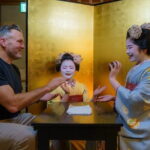
This is built for a small group, limited to 8 participants. That is a serious quality factor in Gion. Crowds here can be intense, and large-group tours can turn into a line you follow while you try to hear the guide.
With a small group, you get:
- Better visibility while walking through the district
- More chance to ask questions during your Maiko time
- More personal guide attention for explanations and keeping the pace comfortable
I also like that the guide communicates clearly in English. Based on what you’re paying for, you should want the story told in a way you can follow. The reviews attached to this tour consistently highlight that the guides keep answering questions and explain details without talking over people.
In short, this feels more like walking with someone who understands the district, rather than following a script.
Price and value: why $108 can make sense in Kyoto
At $108 per person, you might wonder what you are truly paying for. The answer is the combination. You are buying four things at once:
- a 1.5 hour Gion guided walk
- a traditional dance show segment (1.5 hours)
- a 50-minute Maiko meeting with Q&A and performance with one or two songs
- an included food option (lunch plate, tea, or dinner-sharing dishes)
On paper, it looks like a lot. In practice, it’s efficient because everything is timed into one flow. You do not spend time hunting venues, building your own itinerary, or guessing how to time the meal around the show. That coordination is part of what you pay for.
Also, value is partly emotional. Being close to a Maiko apprentice in a structured, respectful setting can be the kind of Kyoto memory that beats another hour spent in a crowded temple line. If you want authenticity, this tour is aiming for it.
Still, do not treat this as a cheap “see a geisha” ticket. This is a cultural meeting with rules and etiquette. If you want a casual photo safari, you may not get what you expect.
Who should book this, and who should skip it
This is a great fit if you:
- want a guided explanation of geisha culture that connects to what you see
- like the idea of asking questions, not just watching
- want English guidance and a small-group setting
- are interested in a real performance by an apprentice Maiko
It may not be your best choice if:
- you need to bring luggage or large bags (not allowed)
- you need accessibility support for mobility impairments (not suitable)
- you want maximum food volume as your main priority, since the meal style can feel lighter than a western dinner
If you have flexibility on timing, consider going earlier in the day when possible. One guest specifically recommended choosing daylight hours if you can, and that makes sense because you get easier street viewing and a calmer pace through the district.
Should you book this Gion Geisha walk and show?
If your goal is to understand geisha culture in Kyoto, I think this is worth serious consideration. The strongest selling point is the structure: you get street education in Gion, then performance context, then a guided Maiko meeting with real Q&A time.
Book it if you like respectful cultural experiences and you want a guide who can answer questions in English. Skip it if you need maximum accessibility support, you cannot travel light, or you mainly want nightlife-style entertainment.
If you do book, come with at least a couple of questions you genuinely care about. Ask what you notice on the walk. Then follow that thread in the Q&A. That is when the experience feels personal, not scripted.
FAQ
Where is the meeting point for this tour?
Meet in front of the statue of Izumo-no-Okuni near exit 4 of Keihan Gion Shijo Station.
How long is the tour?
It runs about 3 hours, which is listed as 210 minutes.
What languages are offered?
The tour guide speaks English.
What is included with the Maiko meeting?
You get a 50-minute geisha meeting that includes a Q&A session and a geisha performance with one or two songs.
What food options are available?
You can choose one of the included options: a Japanese lunch plate, a cup of tea, or dinner-sharing plates with 8 different food items.
Can I take photos during the Maiko segment?
Photos are permitted during the experience, but you will be asked not to share photos online, so follow the guidance you receive.
Is the tour suitable if I have mobility impairments or large luggage?
The tour does not allow luggage or large bags, and it is not suitable for people with mobility impairments.
More Dining Experiences in Kyoto
More Walking Tours in Kyoto


More Tour Reviews in Kyoto

Not for you? Here's more nearby things to do in Kyoto we have reviewed


Gion & Geisha District Tours, compared.
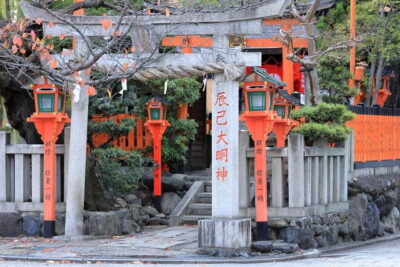 ★ 4.7Kyoto Geisha Walking Tour: Gion District & Hidden GemsFrom $253,273 reviews
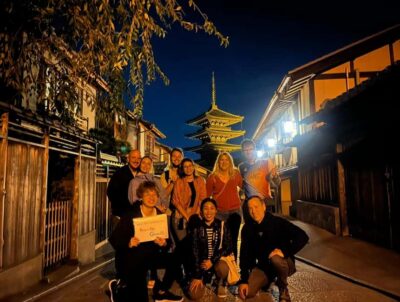 ★ 4.9Gion Magical Night Walking Tour with Geisha TriviaFrom $242,393 reviews
 ★ 4.7Gion Geisha District Walking Tour – Stories of GeishaFrom $202,187 reviews
 ★ 4.9Best of Kyoto: Gion, Geisha, Pagodas & CobblestonesFrom $242,058 reviews
 ★ 4.5Night Walk in Gion: Kyoto’s Geisha DistrictFrom $212,003 reviews
 ★ 5.0Kyoto Night Foodie Tour in Gion (9+ dishes + 6 Sake tastings)From $1631,762 reviews
 ★ 5.0Kyoto Gion Geisha District Walking Tour – The Stories of GeishaFrom $251,441 reviews
 ★ 5.0Kyoto Gion: 2-Hour Geisha Culture & History Walking TourFrom $231,186 reviews
Browse the lists this tour appears in