
Reviewed · GION & GEISHA DISTRICT TOURS
Kyoto Gion Cultural Walk & Geisha Show with Dining Options
Gion at night is a lesson you can walk through. I like the small group size and the way guides such as Akari and Ken keep the pace easy while still packing in culture, temples, and stories. I also love the apprentice geisha meeting and show, which ends with time for Q&A and real context you will not get from just taking photos.
One thing to plan for: the experience title includes dining options, and the exact meal experience can affect how satisfied you feel, so set expectations and double-check what your booking includes.
Key highlights at a glance
- Small group, max 9 people: easier questions, calmer walking, more face time at the end.
- Kabuki and Gion connection first: you start with theater roots before you ever reach the geisha districts.
- Old streets, shrines, and temples: Gion Shirakawa, Hanamikoji, Tatsumi-jinja, and Kennin-ji all show up in one evening.
- Shinto and Zen explained on the move: you stop at a shrine to learn what Shinto is and visit a Zen temple built in 1202.
- Boar guardians for luck and safety: Zenkyoan is a memorable side stop that adds Kyoto flavor beyond Gion postcards.
- Apprentice geisha dance with Q&A: the 45-minute meet-and-show portion is the emotional peak of the tour.
Kabuki roots first, so Gion makes more sense
The tour’s biggest trick is how it sets context. Instead of starting with Gion and calling it a day, it begins with theater history at the Statue of Izumo-no-Okuni. You learn how Kabuki got started with a feminine beginning, which is a fun contrast to the modern expectation that Kabuki is performed by men. Even if you only know the word Kabuki, this stop gives you a human story to carry with you as the evening unfolds.
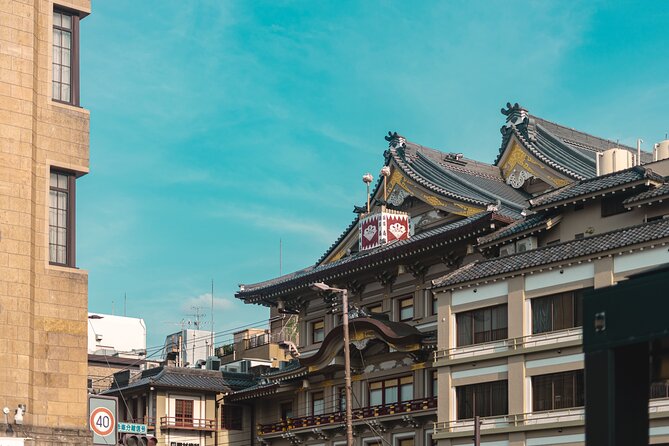
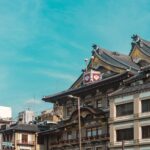
Next comes Minamiza Theater, where you get a look at the architecture of one of the oldest Kabuki theaters. The guide also shares a story about the connection between VR and Kabuki, which sounds odd at first, but it helps you think about how traditional arts keep finding new ways to be experienced. If you love seeing how old culture survives in modern packaging, this is a good opener.
The practical benefit for you is simple: by the time you reach Gion, the geisha world does not feel like random tourism. It feels like part of Kyoto’s performance traditions.
You can also read our reviews of more walking tours in Kyoto
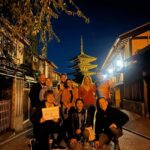
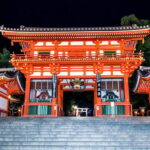
The Gion walk: Shirakawa streets, Hanamikoji energy
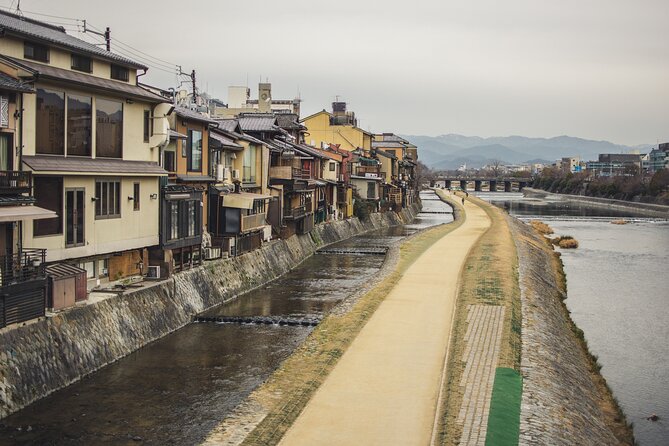
Once you step into Gion Shirakawa, the atmosphere changes fast. This is described as the largest geisha district area, and the Shirakawa stretch is framed as the most beautiful part, with old-fashioned streets, buildings, and riverside scenery plus traditional theaters. This is the part of the evening where you can slow down and actually look at what is in front of you, not just where you are supposed to go.
From there, the walk leads to Hanamikoji Street, Gion’s main lane. This is where you might catch geisha walking around if you are lucky, but the real value is the guidance. The street can be crowded and easy to get turned around in, and having someone lead the way helps you keep your eyes on the details rather than your phone map.
A nice bonus here, based on how guides are described in the experience feedback: many guides act like cultural hosts, not just escorts. People specifically credit guides such as Ken, Kenta, and Akari for answering questions on the spot and correcting common misconceptions. That matters in Gion, because a lot of what you see online is simplified.
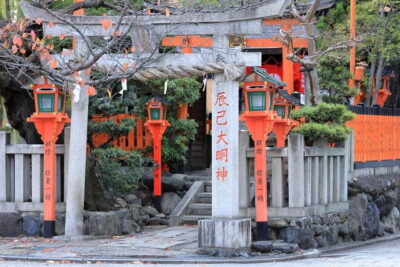
Tatsumi-jinja Shrine: Shinto and the 8 million gods idea
Not every Gion tour takes you to a shrine. Tatsumi-jinja (Tatsumi Dai-myojin) is one of the stops that keeps the night from turning into a single-district loop.
Here, you learn about Shinto as Japan’s native religion. The guide also references the idea that there are 8 million gods in Japan. That line is memorable, and it gives you a useful mental hook for what you are looking at. Instead of treating shrines as pretty background, you understand that they connect to a whole belief system that still shapes everyday life.
Drawback to consider: shrines and temples can involve quiet spaces and rules about how to behave. The best way to handle this is to keep your voice down and follow your guide’s cues, even if you are just taking in the views.
Kennin-ji Zen temple and Zenkyoan boar guardians
Kennin-ji Temple is where the tour shifts again, toward Zen Buddhism. You visit a Zen Buddhist temple built in 1202. The stop is timed as 15 minutes, which is not a long sermon, but it is enough for the guide to explain what Zen Buddhism is and connect it to what you see around you.
After that, you continue to Zenkyoan, a Kennin-ji subtemple known for boar guardians and the themes of luck, and safety. Boar guardians are not what most people expect in a Gion walk, so this stop adds variety and surprises without taking you far off route.
Important practical note: the experience details say admission for Kennin-ji and Zenkyoan is not included. So plan for some extra spending at the temples. Even if the amounts are usually not huge, it is best not to treat this as all-inclusive.
The apprentice geisha meeting: where the night peaks
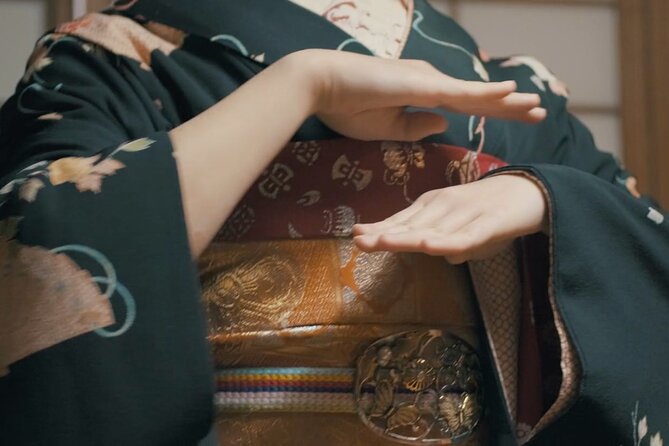
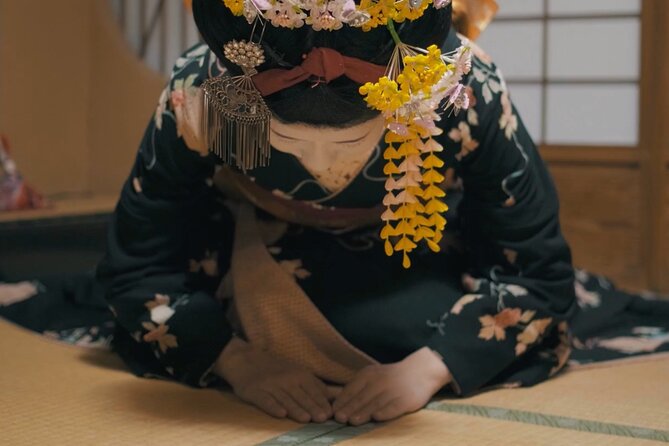
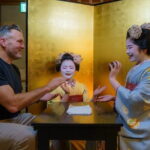
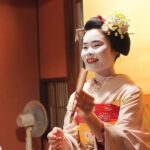
The final act is the part everyone books for: a 45-minute geisha meeting and show. The performance features an apprentice geisha who dances with one or two songs. The structure matters because the night ends with both visuals and conversation.
What makes this portion especially valuable is the Q&A. You are not just watching a routine. You can ask questions, and the guide helps you connect the dots between what you learned earlier in the walk and what you see in front of you.
People also emphasize the respect and hosting during this portion. Guides are described as handling translations and guiding the group so questions land well. If you are the type who wants to understand the human side of tradition, this is the time to go curious.
A heads-up from experience feedback: photo rules can be strict. One person mentioned they were not allowed to share photos from the experience on social media. I would assume there are guidelines, and I would avoid filming and posting during the meeting unless your guide explicitly says you can.
Also, timing is a real factor. If you have another reservation right after, leave buffer time. The show and meeting are the focal point, and you do not want to rush out the moment it ends.
More Kyoto temple visits, food tours, tea experiences, and day trips to compare


Price and dining options: is $121.37 worth it?
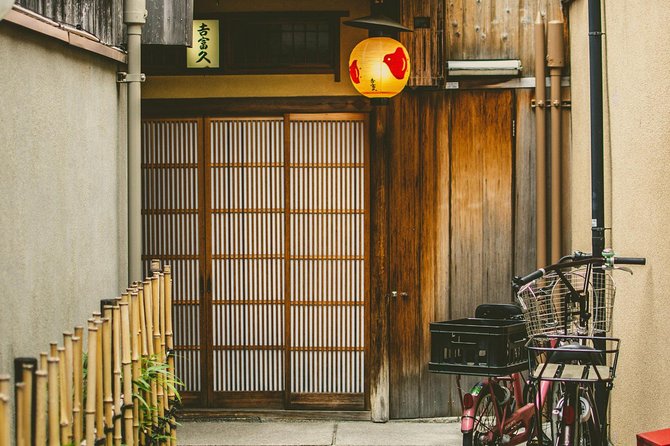
At $121.37 per person for about a 3-hour experience, the value depends on one key thing: how you feel about buying an evening that includes both guided walking and a structured geisha meeting plus show.
From the experience details, what you are guaranteed includes guided time in Gion (listed as 1.5 to 2 hours) and the 45-minute apprentice geisha meeting/show. That alone is a strong anchor for value because you are paying for access plus a guide who leads you through multiple stops.
Dining is where your expectations need to be careful. The name of the experience includes dining options, and multiple accounts mention food, including family-style service and consideration of dietary restrictions. But there is also a complaint about food being too little relative to what was paid. So here is my practical advice: treat dining as something to confirm, not something to assume. If your booking includes dinner, check what type of meal it is and how it is served, then plan your appetite accordingly.
If you want a safe plan, come with a light hunger that you are comfortable adjusting to. If you know you want a full meal experience, you can also consider eating before the tour and treating the dining option as a bonus, unless your exact booking clearly promises enough to satisfy you.
Timing, pace, and weather: how to make it smooth
This is an evening walk, and the tour runs about 3 hours. The experience details also mention that good weather is required. That matters because Gion is easier to enjoy when sidewalks are dry and you are not rushing for cover.
Cancellation for weather is possible, and you can be offered a different date or a full refund if it is canceled due to poor weather. That is reassuring when Kyoto weather is unpredictable.
The group is kept small, with a maximum of 9 travelers. In practice, this tends to make the walking feel more personal. You ask questions without fighting for attention, and your guide can adapt if someone needs a slower pace or a moment to regroup.
The tour is also described as not recommended for people with leg problems. You are walking multiple stops, including temple and shrine areas, so bring realistic expectations about time on your feet and uneven terrain.
One more practical plus: some guides are described as prepared for weather swings, including cold cloths, icy drinks, umbrellas, and rain ponchos during storms. That kind of readiness makes the whole experience feel calmer.
Who this tour fits best (and who should skip)
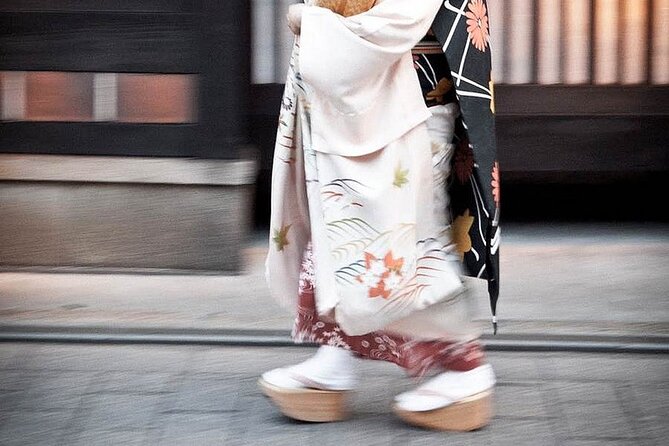
This experience is best for you if you want a guided night in Gion that explains what you are seeing. You get a clear structure: performance roots via Kabuki, then the Gion streets, then shrine and Zen stops, ending in the apprentice geisha meeting and show with Q&A.
It is also a good fit if you like asking questions. Many people highlight that their guide was open to questions and helped translate during the meeting portion. If you prefer passive sightseeing, you might find the conversation-heavy format less your style.
Skip it if:
- you have mobility limits that make walking hard
- you hate structured timing and want total freedom
- you are extremely sensitive to how much dining is included, unless you verify your specific dining package carefully
Should you book this Kyoto Gion Cultural Walk and Geisha Show?
I think you should book if your main goal is to leave Kyoto with a grounded understanding of geisha culture in the Gion area, not just a short photo stop. The combination of Kabuki context, shrine and Zen interludes, and the 45-minute apprentice geisha meeting with Q&A makes it feel like an evening lesson that ends with a real performance.
You should pause and double-check if you are booking the dining option and want a guaranteed full-meal experience. The tour sounds like it can include food, but the dining value seems to be the one area where people’s expectations can diverge.
If you want a small-group night that respects tradition and keeps you oriented, this is a strong choice for Kyoto.
FAQ
How long is the Kyoto Gion Cultural Walk & Geisha Show?
The experience lasts about 3 hours.
How many people are in the group?
The tour has a maximum of 9 travelers.
What is included in the experience?
You get guiding time in Gion (listed as 1.5 to 2 hours) plus a 45-minute geisha meeting and show with an apprentice geisha, including one or two songs.
What is not included?
Temple admissions for Kennin-ji and Zenkyoan are not included, and tips for the maiko (apprentice geisha) are not included.
Where does the tour start and how does it end?
The tour starts at the Statue of Izumo-no-Okuni at Kawabatacho, Higashiyama Ward, Kyoto. It ends in a different location from where it started.
Is the tour suitable for people with leg problems?
It is not recommended for travelers with leg problems.
What if weather is bad?
This experience requires good weather. If it is canceled due to poor weather, you will be offered a different date or a full refund.
More Dining Experiences in Kyoto
More Walking Tours in Kyoto

More Tour Reviews in Kyoto

Not for you? Here's more nearby things to do in Kyoto we have reviewed


Gion & Geisha District Tours, compared.
 ★ 4.7Kyoto Geisha Walking Tour: Gion District & Hidden GemsFrom $253,273 reviews
 ★ 4.9Gion Magical Night Walking Tour with Geisha TriviaFrom $242,393 reviews
 ★ 4.7Gion Geisha District Walking Tour – Stories of GeishaFrom $202,187 reviews
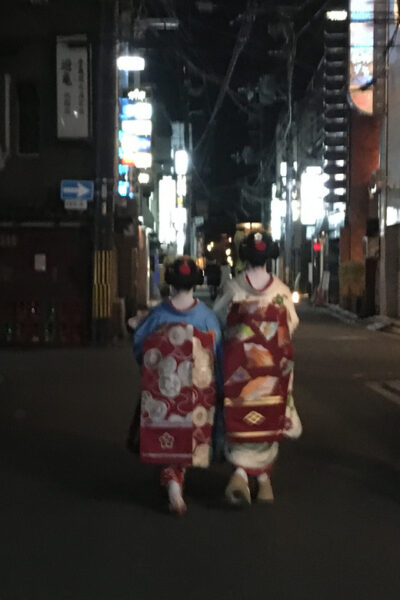 ★ 4.9Best of Kyoto: Gion, Geisha, Pagodas & CobblestonesFrom $242,058 reviews
 ★ 4.5Night Walk in Gion: Kyoto’s Geisha DistrictFrom $212,003 reviews
 ★ 5.0Kyoto Night Foodie Tour in Gion (9+ dishes + 6 Sake tastings)From $1631,762 reviews
 ★ 5.0Kyoto Gion Geisha District Walking Tour – The Stories of GeishaFrom $251,441 reviews
 ★ 5.0Kyoto Gion: 2-Hour Geisha Culture & History Walking TourFrom $231,186 reviews
Browse the lists this tour appears in