
Reviewed · KYOTO TEA CEREMONIES
Kyoto Private Tea Ceremony at a Japanese Inns
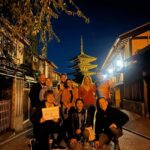
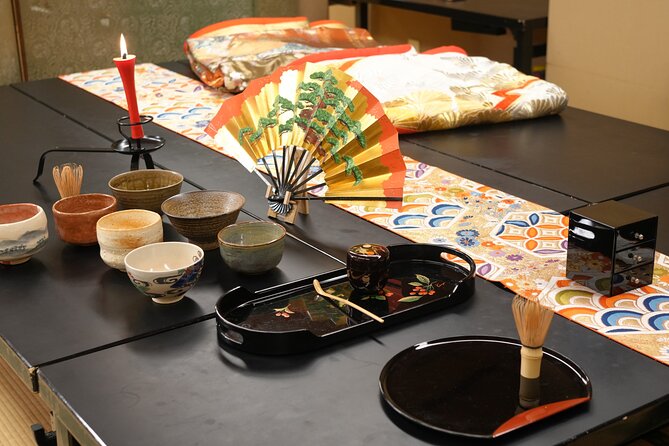
Kyoto gets magical after dark. This private tea ceremony takes place in a historic inn, in a candlelit room that feels like a different Kyoto than the daytime temples. You are also stepping into a 20-tatami banquet hall that is normally closed to the public, so it feels special right away.
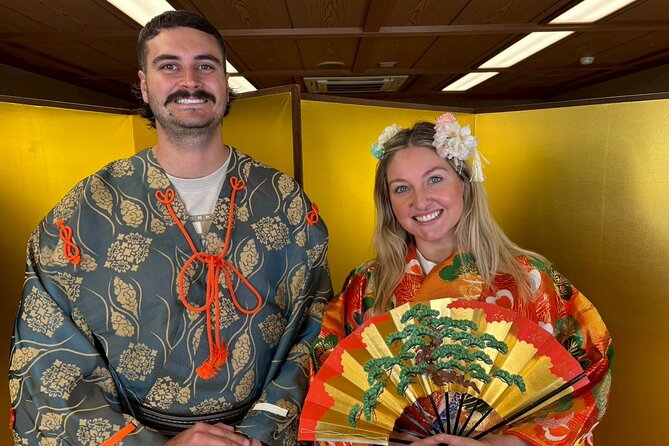
Two things I really like: the kimono dressing and photo session are handled like a mini production, with options like a bridal uchikake or a men’s haori plus professional lighting. And the translator devices mean the whole ritual stays easy to follow, even if you are traveling with kids or anyone who does not speak Japanese.
One consideration: at about 59 minutes, it is a focused experience, not a long multi-course tea education. If you want hours of practice, you may feel you are slightly rushed.
Key Highlights You’ll Actually Care About
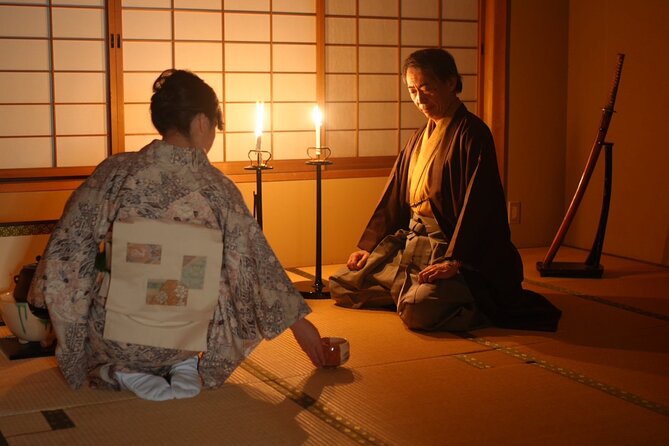
- A candlelit tea and Zen vibe in a private ryokan after the sightseeing crowds thin out
- Kimono dressing with a photo shoot, using props and professional lighting
- Translator devices so you can ask questions naturally
- A real structure: Zen meditation, tea demonstration, then your own matcha whisking
- Photos welcome throughout, with staff assisting
A Candlelit Kyoto Ryokan, Not a Tourist Studio
This is the kind of Kyoto night activity that lets you slow down without feeling like you are stuck indoors. The room is lit by candlelight, and the atmosphere is intentionally quiet, even described as pitch black inside, so the tea ritual feels almost theatrical in a respectful way. Instead of trying to cram one more temple into your day, you get a calmer, more personal Kyoto experience.
The setting matters. This Kyoto ryokan uses a 20-tatami banquet hall that is normally closed to the public, which changes the feeling instantly. You are not doing a ceremony in a generic classroom. You are in a long-established inn space, so the textures, layout, and pacing feel more authentic.
Also, this is timed for the evening, when Kyoto’s major sites can be closed. That makes this a smart Plan B, or a great complement, because you can still experience Japanese culture without feeling like you missed the day’s highlights.
You can also read our reviews of more private tours in Kyoto


Your Hosts and the Translation Tech That Makes It Flow
A big reason people rate this experience so highly is how easy it is to connect with the hosts. The guides, including Matsuda and Mayumi, come across as genuinely warm and joyful, and they guide you through every step without leaving you guessing. When someone is excited to explain something, you feel it, and the whole evening becomes easier.
The translator devices are a key practical feature. They help you communicate your questions and follow the explanation throughout the kimono session, meditation, and tea demonstration. That means you do not need to rely on hand gestures or a phrasebook at the hardest parts, like when the guide is describing what you are doing and why.
In practice, this matters because tea ceremonies can be full of small details. With translation support, those details stop being mysterious and start feeling meaningful.
Kimono Dressing and Photo Session, Done With Real Attention
The first big block is your kimono dressing and photo shoot, around 15 minutes. You may wear a bridal uchikake or a men’s haori, and you also get photo props such as folding fans and swords. Even if you are not usually one for photos, this part is designed to be fun and different, and staff assist so you are not trying to pose blindly.
Professional lighting is included. That alone changes the outcome, because candlelit rooms can be hard to photograph well. You also get guidance during the shoot, which makes it less awkward if you are traveling with family or kids.
One small tip from a practical mindset: treat the kimono time like part of the experience, not something to rush through. If you move slowly and cooperate with the dressing steps, you will feel calmer for the rest of the ceremony. And yes, photos are welcome throughout, so you can keep capturing the moment as the evening unfolds.
Zen Meditation: A Short Reset Before the Tea
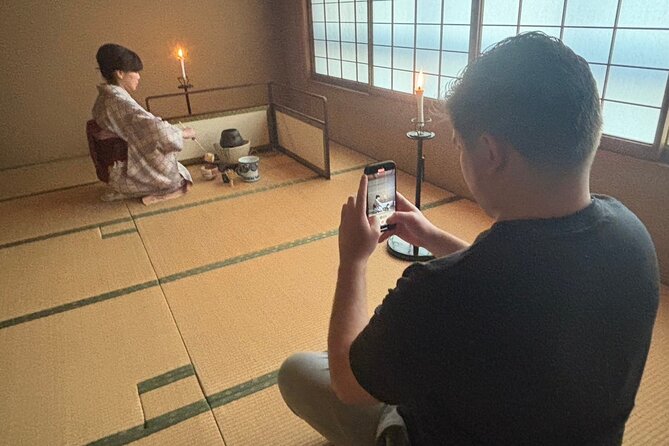
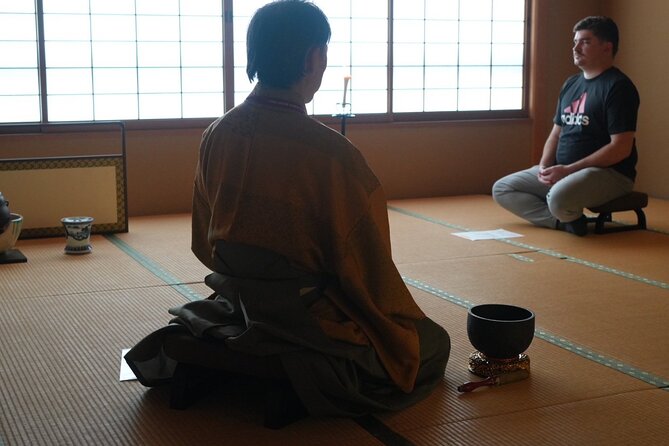
After the photo session, you get a brief Zen meditation, about 4 minutes. Four minutes does not sound long, but it is long enough to shift your attention from the day’s chaos into the ritual mindset. Candlelight plus stillness changes your body’s pace quickly, even if you usually struggle with quiet.
This is also where the translator support helps. You are not just sitting there wondering what is expected. The guided structure keeps it from feeling random, and it sets you up for the tea demonstration, where timing and gestures matter.
If you are the type who likes a little structure, you will appreciate this stop. It gives you a gentle on-ramp into the tea ceremony rather than throwing you straight into matcha.
The Tea Ceremony Demonstration, Then Your Turn
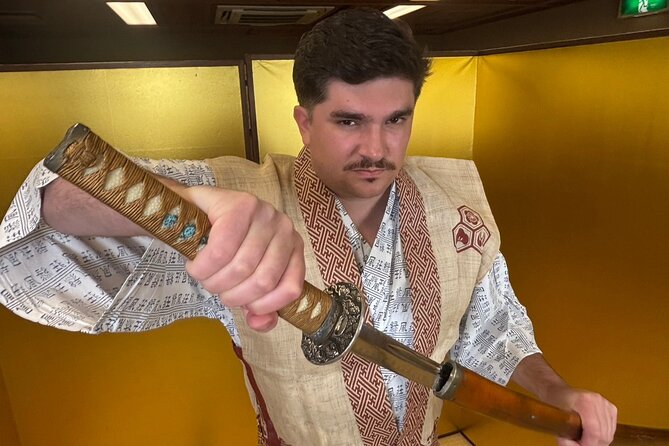
The tea ceremony demonstration lasts about 20 minutes. You are welcomed as a guest, receive a bowl of matcha, and experience the flow of a traditional tea gathering. This is the part where you can really appreciate the rhythm: the way the tea is served, the gestures, the pacing, and the atmosphere.
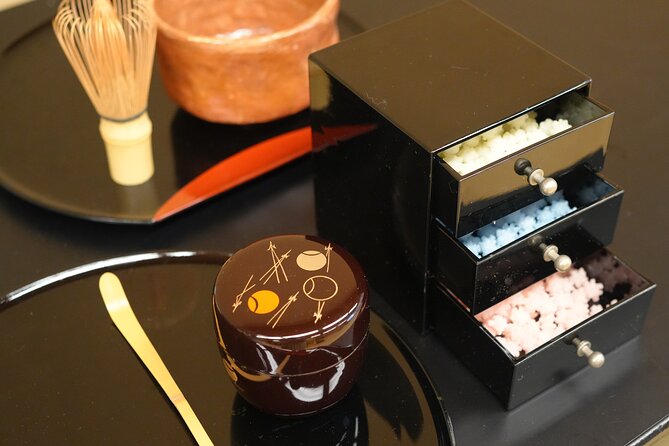
You also get matcha plus sweets as part of the experience. That sweet pairing is practical too. Tea ceremonies can feel surprisingly focused, so having sweets helps balance the experience and gives you a comfortable moment to pause and taste.
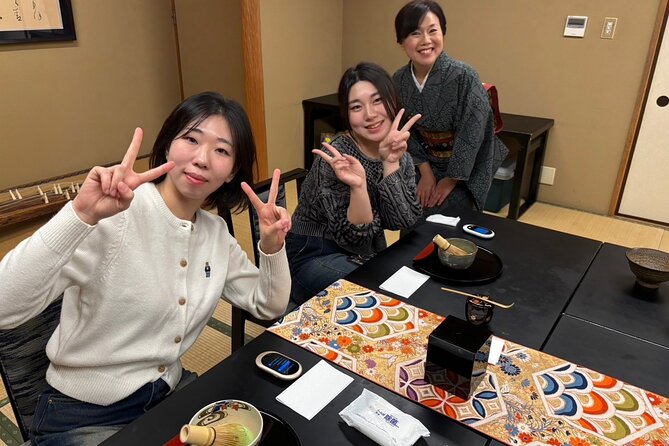
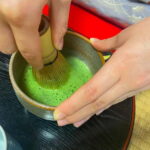
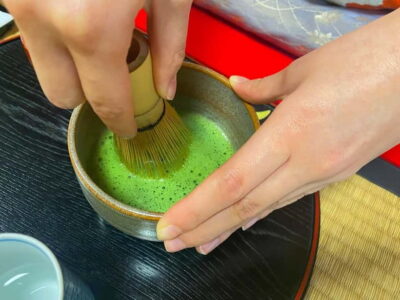
Then comes the best hands-on section: matcha whisking, about 20 minutes. This is where you stop being an observer and start participating. You make your own matcha, which is fun, and it also helps you understand the ceremony beyond just watching it.
If you love food experiences, this is likely the portion you will remember most. If you are not a matcha person, you can still enjoy the ritual, but you may want to mentally prepare for the strong tea flavor since matcha is the star.
Price and Value: Paying for Privacy, Translation, and a Real Setting
The price is listed at adults ¥15,000, with children under 15 at ¥3,000. In your booking view, you may also see a price around $97.98 per person. Either way, this is not a cheap “one-size-fits-all” workshop.
So, where does the value come from?
- You get a private experience with only your group, sized roughly 2 to 6 people.
- You get kimono dressing with photo time, not just a quick costume change.
- Translator devices are included, which removes a major friction point and makes the ceremony more understandable.
- You participate, including your own matcha whisking, not only watching.
A big part of the value is that you are not paying for only the tea. You are paying for a full evening flow in a historic inn room, with staff support and guided structure.
Time is also part of the value equation. At about 59 minutes, it is efficient, and you are unlikely to feel like you wasted your evening waiting around. You will still feel the ritual, but you are not locked into a half-day time commitment.
Where This Fits Best in Your Kyoto Plan
This experience makes the most sense if you want an evening activity that feels cultural and calm, not another “line up and move on” stop. If you have already visited Kinkaku-ji, Ginkaku-ji, or Kiyomizu-dera during the day, this becomes the perfect night counterbalance. If those sites are closed at night, you still get Kyoto tradition in a different form.
It also fits families well. Reviews highlight that translator devices help even kids who cannot speak English ask questions in their own language. That is rare in activities that are otherwise hard to follow. If you are traveling with a mixed-language group, this is a strong pick.
Who might not love it?
If you want hours of tea history or a long, hands-on culinary class, you may feel the ceremony is too short. But if you want a guided, beautifully structured Kyoto night experience, this is exactly the right length.
Practical Tips So You Enjoy Every Minute
Here are a few ways to make your evening smoother, based on how the experience is structured.
First, plan to arrive ready for the kimono session. You start at 茶道体験所 禅 (ZEN: Tea Ceremony Experience in Kyoto), 600-8323 Kyoto, Shimogyo Ward, Kanayachō, 490 緑風荘 4階. Give yourself a little buffer so you do not start the evening stressed.
Second, lean into photos. Staff assist with photography, and the experience welcomes pictures throughout. That means you can capture both the kimono moments and the ceremony itself, without feeling like you are interrupting.
Third, go with curiosity, not expertise. You do not need to know how matcha is whisked or what every gesture means. The structure, translation, and demonstration help you participate with confidence.
Finally, wear footwear and clothing that let you be comfortable during dressing and movement. The activity is indoors and focused on the ritual, so comfort matters more than looking perfectly fashionable before you arrive.
Should You Book This Kyoto Private Tea Ceremony?
Yes, if you want a private, guided Kyoto night that feels authentic and understandable. Kimono dressing with a photo shoot, Zen meditation, a tea demonstration, and then your own matcha whisking is a full evening in under an hour. Add translation devices and staff support, and it becomes much easier than most cultural activities where language barriers turn curiosity into frustration.
Book it especially if:
- You want something meaningful after daytime temple hours
- You are traveling with kids or mixed-language companions
- You care about atmosphere, photos, and hands-on participation
I would skip it if you are seeking a long, advanced tea study or a multi-hour immersive workshop. This is a beautifully guided snapshot, not a full course.
FAQ
How long does the Kyoto private tea ceremony last?
The experience lasts about 59 minutes.
Is this tea ceremony private?
Yes. It is a private tour/activity, and only your group participates. Group size is listed as 2 to 6 people.
Do I need to speak Japanese?
No. Translator devices are available, so you can participate regardless of language.
What activities are included during the session?
You can expect kimono dressing and a photo shoot (about 15 minutes), Zen meditation (about 4 minutes), a tea ceremony demonstration (about 20 minutes), and matcha whisking experience (about 20 minutes).
What drinks and food are included?
The tea ceremony includes matcha green tea and sweets, and it also includes coffee and/or tea.
Can I take photos during the ceremony?
Yes. Photos are welcome throughout, and staff will assist with photography.
What will I wear for the kimono portion?
You can wear a bridal uchikake or a men’s haori, and you may use props like folding fans and swords during the photo session.
Where is the meeting point?
Start and meeting point is 茶道体験所 禅 (ZEN: Tea Ceremony Experience in Kyoto), Japan, 600-8323 Kyoto, Shimogyo Ward, Kanayachō, 490 緑風荘 4階.
Does the activity depend on weather?
Yes. It requires good weather. If it is canceled due to poor weather, you will be offered a different date or a full refund.
What is the cancellation policy?
You can cancel for free up to 24 hours in advance for a full refund. If you cancel less than 24 hours before the experience’s start time, the amount paid is not refunded.
More Private Tours in Kyoto
More Tour Reviews in Kyoto
Not for you? Here's more nearby things to do in Kyoto we have reviewed

Kyoto Tea Ceremonies, compared.
 ★ 4.9Tea Ceremony in a Traditional Tea House in KiyomizuFrom $493,519 reviews
 ★ 4.9Tea Ceremony Ju-An at Jotokuji TempleFrom $293,207 reviews
 ★ 4.345-Minute Tea Ceremony Lesson ExperienceFrom $222,378 reviews
 ★ 5.0World Heritage Kyoto & Nara Uji Authentic Matcha ExperienceFrom $1291,573 reviews
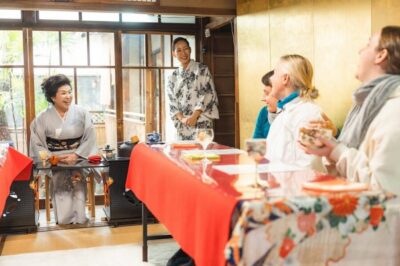 ★ 4.9Table-Style Tea Ceremony at a Kyo-MachiyaFrom $451,211 reviews
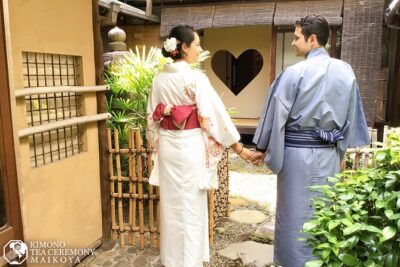 ★ 5.0Kimono Tea Ceremony at Kyoto Maikoya, NISHIKIFrom $65911 reviews
 ★ 5.0Arashiyama Bamboo Forest, Monkeys, Matcha & Temple TourFrom $53759 reviews
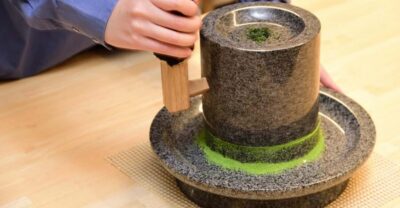 ★ 4.9Tea Museum Tickets and Matcha Grinding ExperienceFrom $23739 reviews
Browse the lists this tour appears in