
Reviewed · KYOTO TEA CEREMONIES
Kyoto: Private Tea Ceremony at local home with tea master
Tea in Kyoto is quiet power. This private ceremony in a local home turns etiquette into something you can actually feel, near Nijo Castle.
I especially like the calm, respectful pace, and the fact that you get a real tea master guiding each step in English or Japanese.
What I like most is how much care goes into the details, from folding the cloth used in the ritual to the hand motions for serving. I also love that you drink matcha made in Uji, Kyoto, and you get two types of seasonal sweets made to pair with your tea.
One thing to consider: the session is short at 1 hour, and the rules are strict, so you will want to follow the dress and no-fragrance guidelines closely. If you hate instructions, this may feel a little formal.
Key highlights worth planning for
- Certified tea master in a local Kyoto home, not a show in a storefront
- Uji, Kyoto matcha plus enough tea servings to slow down and taste properly
- Seasonal sweets in two styles, ordered for you to balance the bitterness and aroma
- Hands-on matcha preparation, where you practice the motions, not just watch
- Clear etiquette teaching, including how to handle the bowl and utensils
- Dietary and identity accommodations, including Halal, Vegan, allergies, and LGBTQ-friendly hosting
Entering a tea room near Nijo Castle, in the middle of Kyoto life
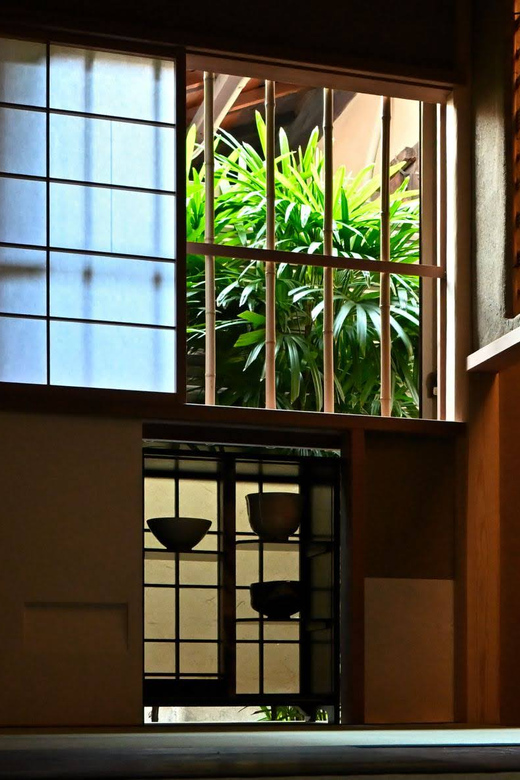
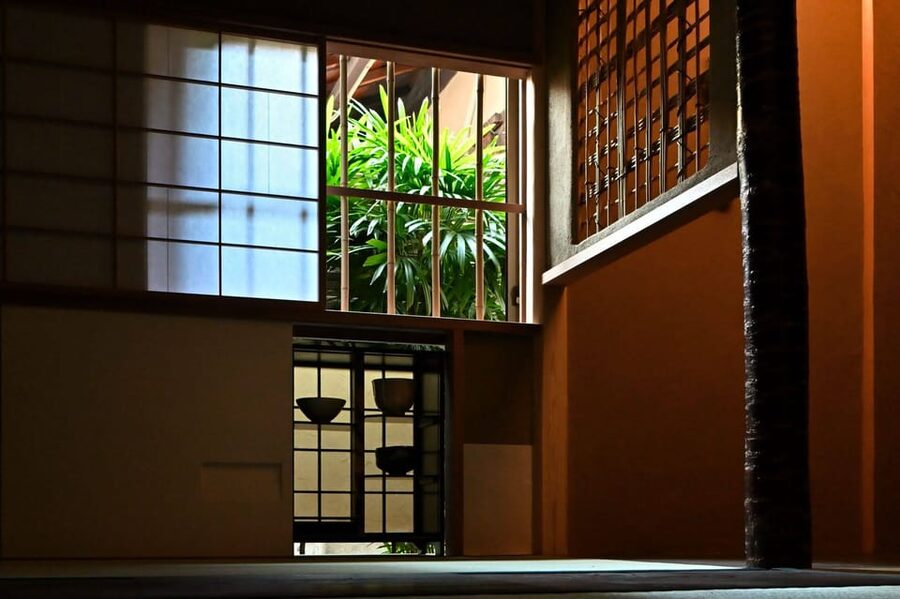
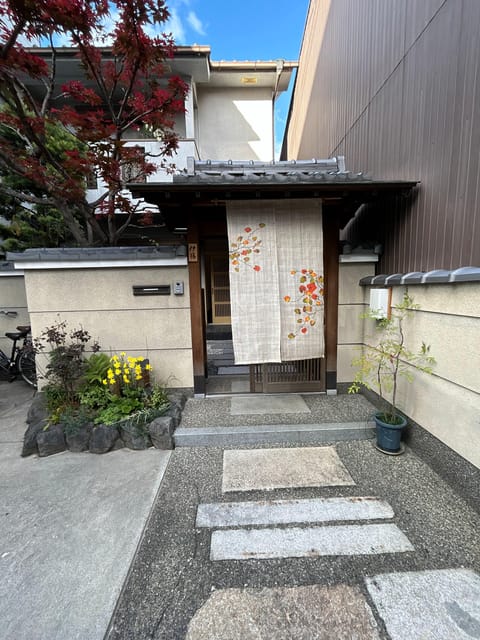
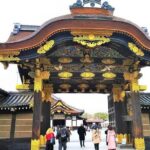
This experience happens in a real residential setting, in a tea room inside a local home near Nijo Castle and close to the Kyoto Imperial Palace. That matters, because you are not just learning about tradition in theory. You are experiencing how Japanese tea culture shows up in everyday Kyoto spaces: tidy, quiet, and deliberate.
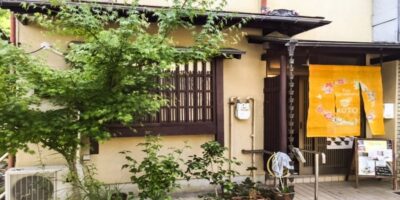
You start at Sakura Japanese Culture Experience. From there, you transition into the ceremony space, and the tea master sets the tone with an introduction before you even touch anything. In my view, that pre-brief is a big part of the value, since it helps you understand what you are about to do instead of copying gestures blindly.
You can also plan around the meeting point. It is about 3 minutes from Nijo Castle and the Kyoto subway stop Nijojomae, plus roughly 3 minutes from the Kyoto city bus Nijojomae stop. If you are coming from Kyoto Station by taxi, it is about 10 minutes.
You can also read our reviews of more private tours in Kyoto


Before the first sip, you learn the rules of the space
This is not a quick tasting counter where you get a sip and go. You begin by receiving an explanation from the certified tea master, who lives and teaches from Kyoto. That makes the teaching feel grounded, not pulled from a slide deck.
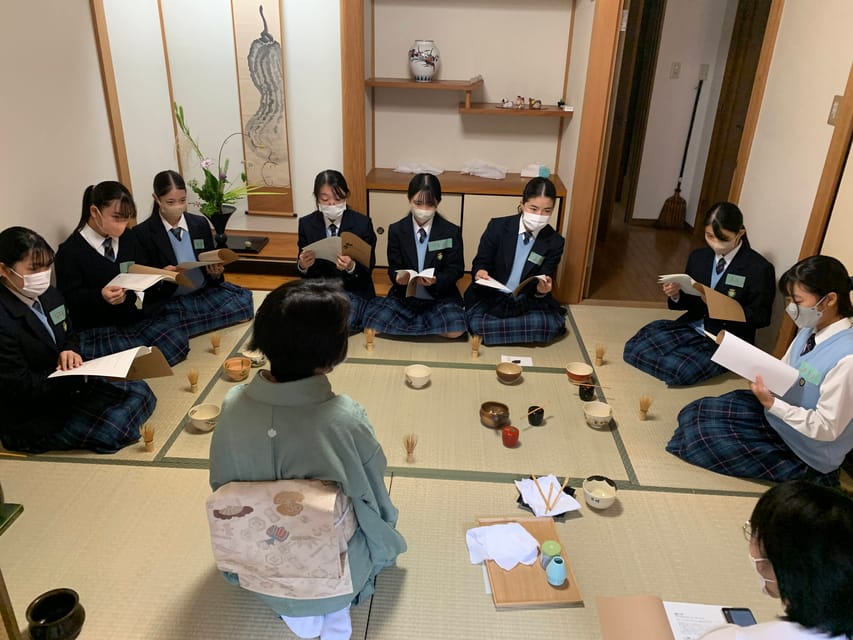
When you step into the tea room, you will notice how much the ceremony respects the space. The tea master explains the purpose and philosophy behind each gesture, including small actions you might otherwise overlook. For example, even something like folding the ceremonial cloth is treated as a meaningful step, not just a neat trick.
Also, the session uses a very teachable structure. You will get:
- background on how tea ceremony developed and how it is passed down
- utensil explanations (what each tool does, and why it matters)
- etiquette guidance for how to hold and receive the bowl
- a demonstration, then a hands-on moment
That flow is especially helpful if it is your first tea ceremony. You get context, then technique, then time to practice.
The 1-hour flow: what actually happens during the ceremony
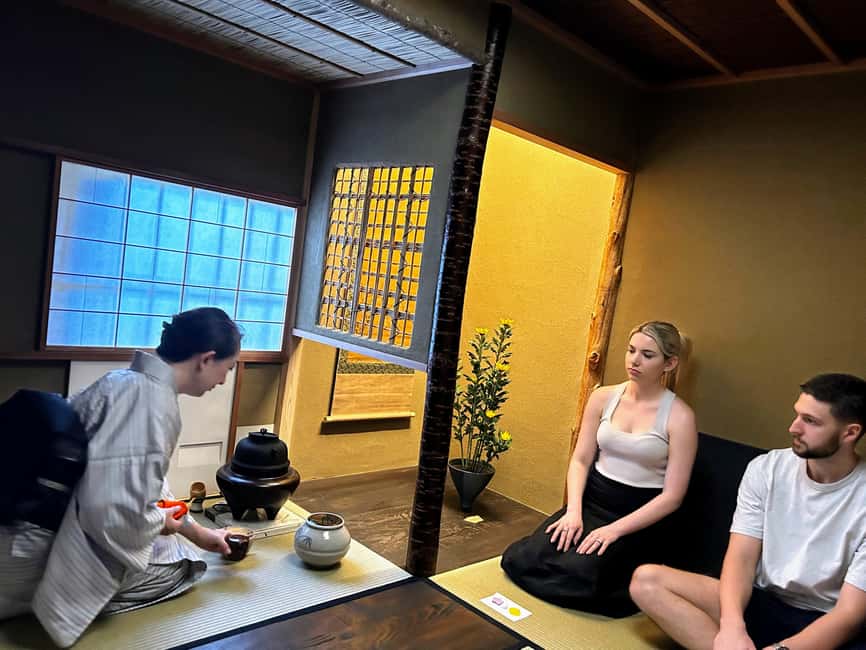
The ceremony lasts about 1 hour, and it is built to move at a comfortable learning pace. You will not be waiting around for a long time. Instead, you go step-by-step: explanation, demonstration, then participation.
Early on, you learn the basics: how matcha is served, what the utensils are for, and how the etiquette works in practice. The tea master shows the movements, including the graceful flow of how the tea is handled and poured.
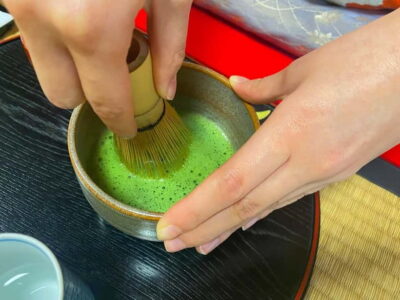
Then comes the most practical part: you prepare matcha yourself. You get the chance to whisk and create your own bowl so you understand the texture and the effort behind it. If you tend to learn by doing, you will enjoy this segment most.
Finally, you wrap up with Q&A and reflection. That is where the ceremony becomes more than a performance. You can ask questions, clarify terms, and tie everything back to the Japanese cultural values you heard earlier, like respect, tranquility, and mindful attention.
Uji matcha and seasonal sweets, paired for balance
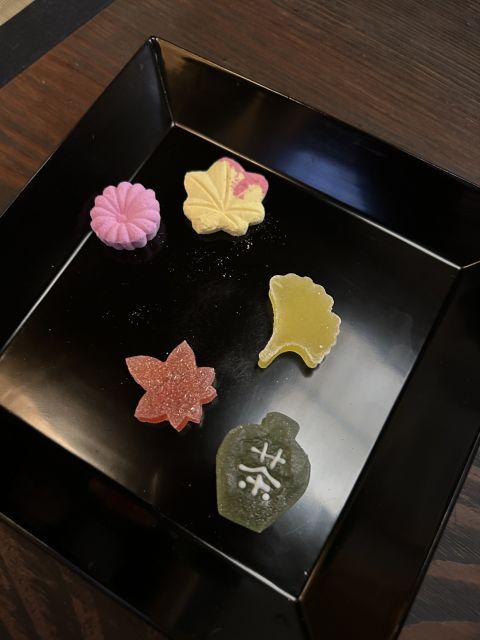
The highlight for many people is the tea itself, and rightfully so. You will have two cups of matcha as part of the experience. Matcha is not a “taste it once” drink here. You get time to sip, notice the aroma, and pay attention to how the flavors change with each bowl.
The matcha is sourced from Uji, Kyoto, which is one of the best-known regions associated with high-quality tea. You also get seasonal sweets in two types, and they are described as order-based, designed to look beautiful and to work with the tea.
Here is why that pairing is valuable for you: matcha has a distinctive bitterness and grassy depth. Sweetness helps balance the tea, while the timing of the sweets keeps your palate from getting tired too fast. In other words, it is not just dessert plus tea. It is a planned pairing that makes the flavors clearer.
If you have dietary needs, this part matters even more. The experience states they can accommodate Halal, Vegan, allergies, and LGBTQ guests. That means you should be able to enjoy the tea and the sweets in a way that fits your needs, not just settle for a generic option.
Utensils and etiquette: small things with big meaning
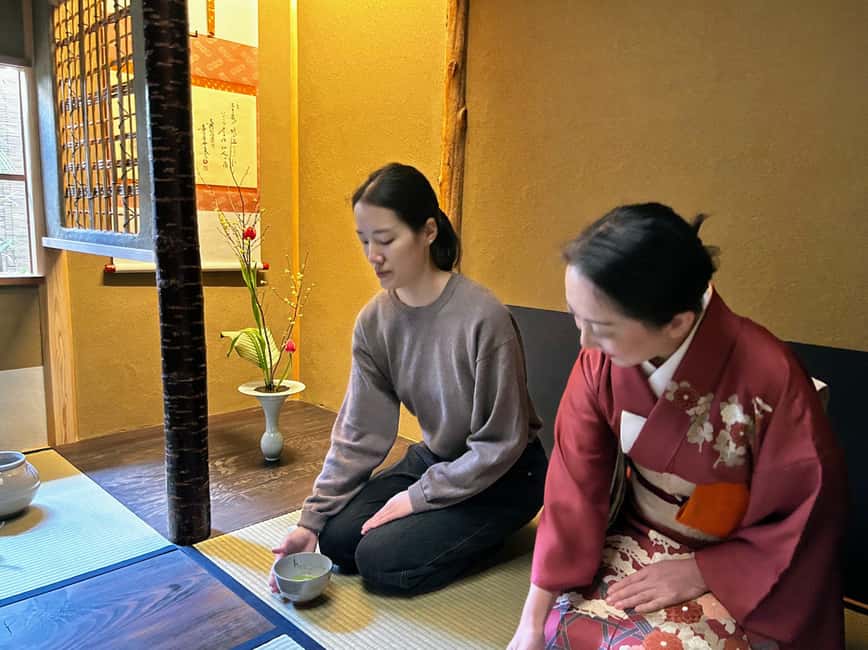
Tea ceremony is often described in poetic terms, but you will get practical instruction here. You learn what the main tools are and why each one exists in the ritual.
You will cover utensils including:
- the tea bowl (chawan)
- the tea whisk (chasen)
- the tea scoop (chashaku)
What I find helpful is that you do not just hear vocabulary. You get explanations of roles and meanings, plus practical advice on caring for the utensils. That is useful because it turns the ceremony from a one-time event into something you can understand if you ever encounter tea tools again later.
Etiquette is taught as a mindset, not just a list of do’s and don’ts. You will get guidance on proper handling of the bowl and how to enjoy tea with the right respectful approach. If you have ever felt awkward in cultural experiences, this kind of coaching is a relief.
And there is a real benefit to the teaching style: it is presented for beginners in a relaxed, welcoming atmosphere, with complex terms simplified so you can follow without feeling lost.
Hands-on matcha whisking, without the guesswork
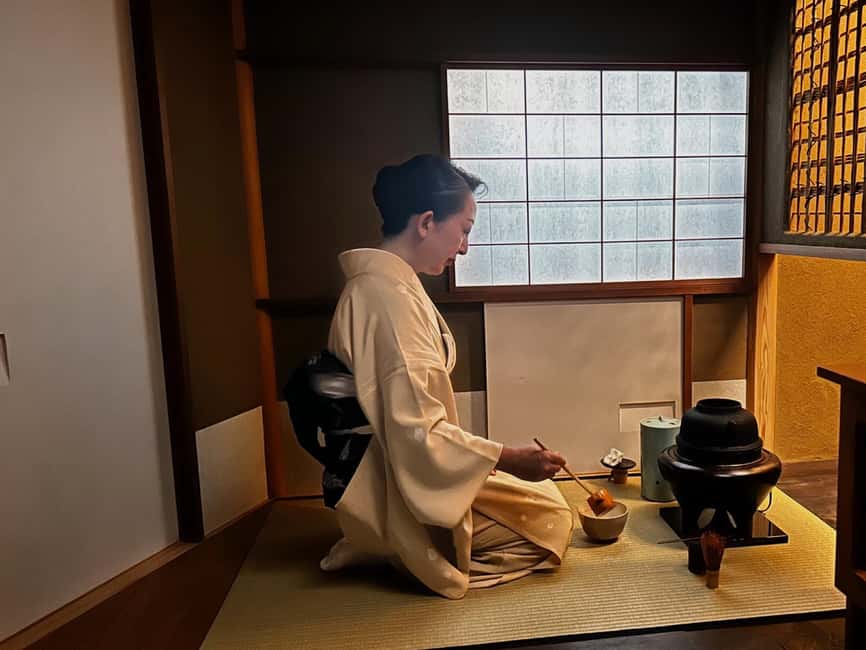
The hands-on section is one of the best parts of the experience because it turns you into a participant. You practice hands-on matcha preparation, learning the essence of tea ceremony through your own hands.
Do not worry, you are not expected to be perfect. The point is to understand how the ritual feels and how matcha responds to your whisking. You will notice how the whisking changes the texture, and that gives you a deeper sense of why the ceremony values attention and control.
From a practical standpoint, this segment is also where the time in the 1-hour format feels justified. You are not only watching. You are doing enough to understand the process.
If you are the kind of person who likes mastering a few steps you can take home, this is a good fit. Even if you never perform the full ceremony again, you will walk away with a clearer appreciation of what matcha preparation requires.
The teacher matters, and Aya-san sets the tone
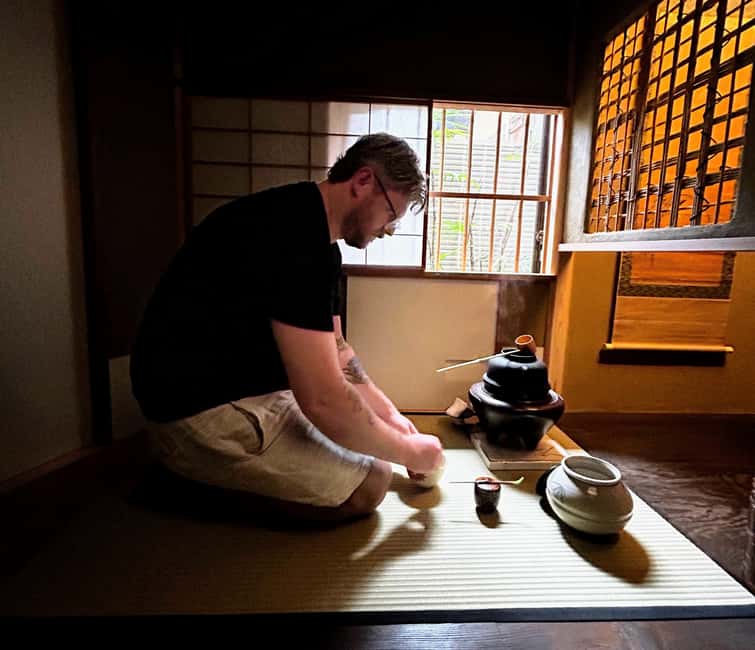
In reviews, the host name Aya-san shows up as a warm welcome and a key part of the experience. That lines up with what this ceremony is designed to do: create a calm environment where you can ask questions and take the steps seriously, without feeling judged.
This is also why the ceremony is private. You are in a private group, and that usually helps with the learning flow. You can focus on your own pacing and questions rather than trying to compete with a crowd for attention.
The teaching languages are English and Japanese, so you can choose whichever fits you best. The instruction is meant to be accessible, which helps if you have never heard tea ceremony terms before.
Price and time: is $101 per person worth it?
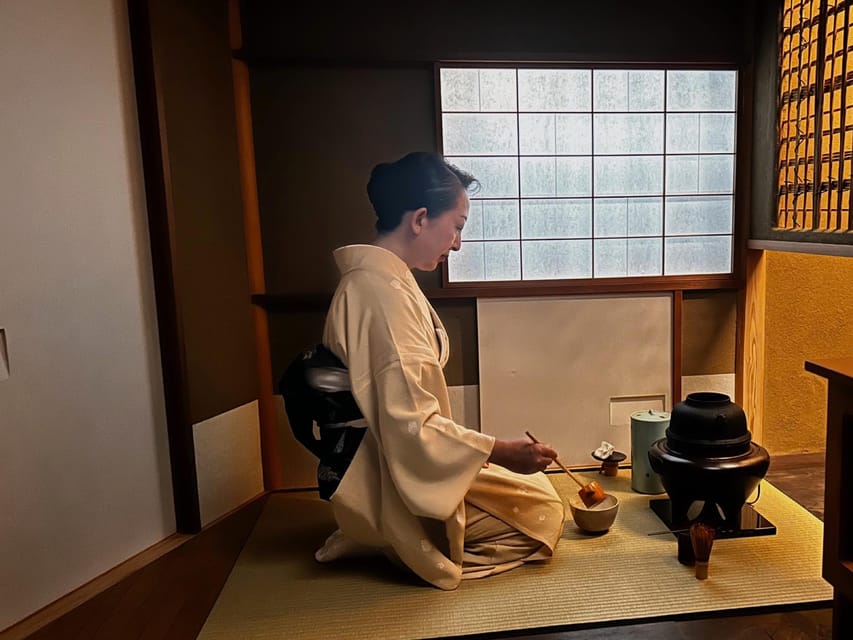
At $101 per person for 1 hour, you should think of this as a cultural workshop, not a quick tourist activity. You get multiple components that would cost more separately: tea servings, sweets, a structured lesson, and a certification from a tea master.
That last point, the certification, is part of the value. Even if it is a small certificate, it signals you are completing a genuine learning experience, not just sitting through a demonstration.
You also get two cups of matcha plus two types of traditional sweets, along with time for questions. For many people, that combination is what makes the price feel fair, especially compared to tastings that only offer one small sip and no instruction.
If you are traveling with tight schedules, the 1-hour length is an advantage. You can fit it near major central sites without losing half a day.
Getting the etiquette right: clothing, socks, and the no-fragrance rule
This experience is straightforward, but it does have rules. Read them before you show up, because you will not want to scramble last minute.
What you should bring:
- comfortable clothes
- long pants (or a long skirt)
- socks
What is not allowed:
- shorts and short skirts
- hats
- jewelry
- smoking or vaping
- alcohol and drugs
- perfume and strong fragrances
- shoes indoors
- video recording or audio recording
- sleeveless shirts
You also should plan to come without perfume, and you should avoid strong scent products. This is not about being fussy. It is part of keeping the tea room atmosphere neutral, so you can smell and taste the matcha properly.
There is also a practical note: they mention socks are available for purchase if you do not have them. So if you forget, you still have a backup.
Who should book this tea ceremony, and who might not love it
I think this works best if you want calm cultural learning with structure. You will likely enjoy it if you:
- want a guided introduction to Japanese tea ceremony with hands-on practice
- care about learning etiquette properly, not just taking photos
- prefer a quieter, local setting over a scripted group show
- appreciate pairing details, like Uji matcha and seasonal sweets
It might be less satisfying if you want a fast, casual activity with zero rules. This is a setting where respect and preparation matter, including dress expectations and no recording.
Also, it is not suitable for children under 13, so plan accordingly if you are traveling with family.
Should you book this private Kyoto tea ceremony?
Book it if you want an experience that feels intentional: a certified teacher, real utensils, hands-on matcha prep, and a calm tea room setting near major sights. The best value here is the blend of instruction plus participation, especially with two cups of matcha and seasonal sweets paired for taste.
I would skip it if your travel style is all spontaneity and you hate strict expectations. Come prepared with long trousers or a long skirt and socks, and keep fragrance products out of your routine that day. If you do those things, you will get a ceremony that teaches you how to slow down in Kyoto, not just how to check off another activity.
FAQ
How long is the Kyoto private tea ceremony?
The experience lasts 1 hour.
Where is the meeting point?
You meet at Sakura Japanese Culture Experience, about 3 minutes from Nijo Castle and the Kyoto subway station Nijojomae by walk, plus about 3 minutes from the city bus Nijojomae stop. It is also about 10 minutes by taxi from JR Kyoto Station.
What language is the instructor?
The instructor provides English and Japanese instruction.
What is included in the price?
The tour includes 2 cups of matcha, 2 kinds of Japanese traditional dried sweets, and a certification from a tea master.
Can this experience accommodate dietary needs and allergies?
Yes. They state they can accommodate Halal, Vegan, allergies, and also LGBTQ guests.
What should I wear or bring?
Bring comfortable clothes, long pants or a long skirt, and socks. Shoes are not allowed indoors.
Is video or audio recording allowed?
No. Video recording and audio recording are not allowed.
More Private Tours in Kyoto


More Tour Reviews in Kyoto

Not for you? Here's more nearby things to do in Kyoto we have reviewed



Kyoto Tea Ceremonies, compared.
 ★ 4.9Tea Ceremony in a Traditional Tea House in KiyomizuFrom $493,519 reviews
 ★ 4.9Tea Ceremony Ju-An at Jotokuji TempleFrom $293,207 reviews
 ★ 4.345-Minute Tea Ceremony Lesson ExperienceFrom $222,378 reviews
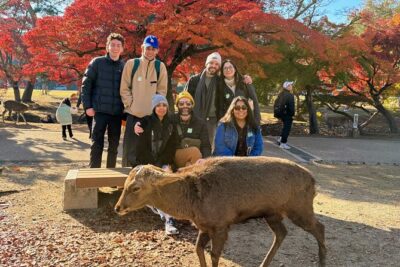 ★ 5.0World Heritage Kyoto & Nara Uji Authentic Matcha ExperienceFrom $1291,573 reviews
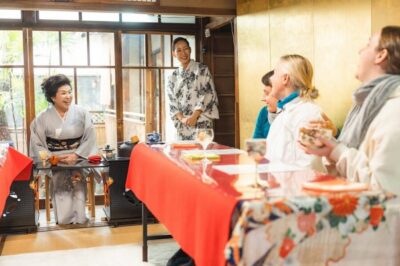 ★ 4.9Table-Style Tea Ceremony at a Kyo-MachiyaFrom $451,211 reviews
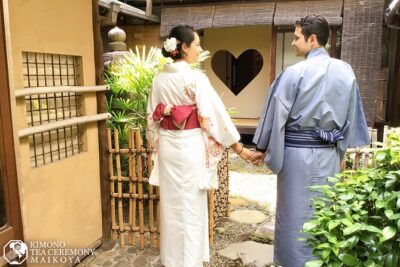 ★ 5.0Kimono Tea Ceremony at Kyoto Maikoya, NISHIKIFrom $65911 reviews
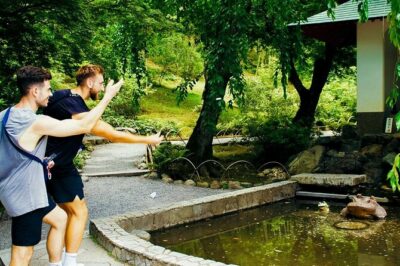 ★ 5.0Arashiyama Bamboo Forest, Monkeys, Matcha & Temple TourFrom $53759 reviews
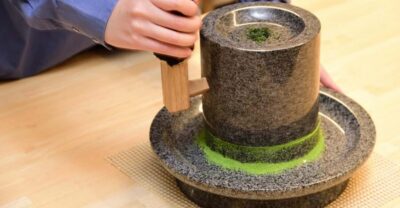 ★ 4.9Tea Museum Tickets and Matcha Grinding ExperienceFrom $23739 reviews
Browse the lists this tour appears in