
Kyoto turns your name into stone. In this hands-on stone seal carving workshop, I like that you learn Japanese characters while shaping real stone, not just watching a demo. I also love the patient teaching style, guided by a Japanese calligrapher and an English-speaking high school calligraphy teacher, so beginners can still end up with a seal that looks impressive.
The main thing to consider is that stone carving takes focus and physical effort. If you want a super fast, low-effort souvenir, this may feel like work, even though the pace is supportive and the result is worth it.
Key Things That Make This Kyoto Workshop Worth Your Time
- Make a personal seal by carving a character you choose, like your name or a favorite word
- Get calligraphy guidance in English, with a teacher who explains technique clearly
- Work in a small group (up to 8), so you are not stuck guessing what to do next
- Create a meaningful postcard by stamping your seal and having the date and name written in Japanese
- Take the stone home in a special box, so your souvenir survives the trip back
Kyoto Stone Seal Carving: What You Actually Make
This is not a craft where you pick from pre-made samples. You create your own original stone seal, from choosing the character through carving to the final stamp.
You start by deciding what the seal will say. You can usually choose a character for yourself, like your name or a word you care about. If you want help getting it right, the calligrapher can also design what you will carve. That design step matters more than it sounds. A seal should look clean and intentional when stamped, so the instructor helps you aim for a form that holds up in stone and reads well in a stamped print.
By the end, you have two tangible keepsakes:
- A carved stone seal
- A postcard where your seal is stamped, plus your date and name written in Japanese
It is a classic Kyoto type of souvenir, but made with actual skill work, not just a purchase.
More Kyoto temple visits, food tours, tea experiences, and day trips to compare

First Steps in the Workshop: Choosing Your Character in Real Time
The workshop begins with design planning. This part is where you get to steer the experience, and where the calligraphy side becomes real.
Here is the practical flow you can expect:
- You and your instructor choose a character to carve
- You can use your own pick, or ask the calligrapher to design it for you
- If you are carving something tied to your name, you may have support translating the Japanese look you want, including the way a name can be rendered
This is also where the English instruction helps. Since the instructor is comfortable teaching in English, you do not need to guess terms or silently follow along. Instead, you can ask how the strokes should go and how your chosen character should be shaped.
One small but important benefit: because you are carving your own chosen character, you get a sense of ownership. You are not just bringing home a pretty object. You are bringing home the thing you planned.
Carving Real Stone in Kyoto: What the Technique Feels Like
Once the character is set, you move into the carving. This is the core of the experience, and it is also the part where your expectations should match the reality.
Stone carving takes patience. The work is detailed, and you need to slow down to keep lines crisp. That said, the teaching style is built for beginners. The calligrapher and teacher explain carefully and patiently, so you are not left to figure it out alone.
You will likely spend most of your time practicing the same thing in small increments: remove a little stone, check your lines, correct, then continue. That rhythm is oddly calming once you get going. The effort becomes a focus bubble.
And yes, it can feel challenging. One of the best pieces of advice I can offer: treat this as a skill session, not a test. If you end up thinking, this is harder than I expected, that is normal. The goal is not perfect engraving on the first try. The goal is a seal you made with guidance, and a process you understand well enough to appreciate the final stamp.
The Calligrapher’s Touch: Why the Strokes Matter
The reason this workshop feels more meaningful than most tourist crafts is the way the calligraphy elements connect to your final product.
After carving, your seal becomes a tool. When stamped, it shows the character in an ink style form. Your instructor then writes the date and your name in Japanese next to the stamp, creating a postcard that looks like a small personal document rather than a generic souvenir.
Two things this approach does well:
- It turns your seal into a completed artifact, not just a carved block
- It gives you context, so you understand what you are holding and why it matters
You may also have options about how the character looks. For example, you might be able to choose a style for your character, especially when it relates to how names are written in Japanese. That flexibility helps you end up with something you recognize and actually want to keep.
This is where the class feels like Kyoto, not just Japan. The careful attention to stroke and form is the same kind of care you see in traditional crafts across the city, just in a format you can do in about 90 minutes to 2 hours.
Stamping Your Postcard, Packing Your Stone: Take-Home Value
Once your carving is done, the session comes together with the stamp and postcard.
What you get at the end is built for easy remembering:
- You stamp your seal onto a postcard
- The calligrapher writes the date and your name in Japanese alongside it
- You take home the carved stone in a special box
That box detail is not just a nice extra. It helps protect your seal during the rest of your trip. Stone is heavy and can chip if it is bouncing around in luggage.
The postcard adds a practical bonus. If you keep one or two postcards from your trip, this one will stand out because it has your specific seal, not an anonymous design. It also makes a great gift, since it instantly communicates what you did in Kyoto.
Price and Time: Is It Worth $77?
At $77 per person, this workshop sits in the middle of the value range for Kyoto activities. The price makes sense when you think about what is included and how much actual teaching time you receive.
You are paying for:
- The stone seal carving workshop
- Guidance from a Japanese calligrapher
- A postcard with your seal stamp and your name written in Japanese
- A special box, plus the stone itself
Most low-priced crafts either feel too hands-off, or they give you pre-made materials and you do less technical work. Here, you are producing a personalized item from scratch. Also, the small group size helps. Limited to 8 participants means you have a better shot at getting corrections in real time instead of waiting your turn.
Time-wise, it runs 90 minutes – 2 hours. That is a workable block. You can fit it into a day without needing a whole half-day commitment, but you still get enough time to choose your character, carve it, and produce the stamp plus postcard.
If you are trying to decide between a museum stop and a hands-on workshop, this is one of the better swaps in Kyoto. You walk away with something personal, not just photos.
Where to Meet, What to Know, and How to Prepare
You meet at a sign board in front of the entrance. That is specific, and it is worth arriving a few minutes early so you can find it without rushing.
A few practical notes from how the workshop runs:
- It is taught in English
- Small group, limited to 8 participants
- Wheelchair accessible
- Beginners are welcome, because everything is taught carefully and kindly
Since you are carving stone, you will likely want to plan for focused concentration. If you get frustrated easily with detailed tasks, give yourself a calm mindset before you start. The session is designed to support you, but it is still carving, and that takes time and care.
Who This Workshop Fits Best (and Who Might Skip)
This is a great fit if you want a Kyoto souvenir with actual effort behind it. I think it is especially good for:
- People who like calligraphy or character art
- Travelers who want a personal keepsake tied to their name or a meaningful word
- Anyone who enjoys learning a technique, even if they start as a beginner
It can also be a good choice if you worry about touristy crafts. The structure is skill-based, and the end result is something you made with a teacher watching your handwork.
You might consider skipping if:
- You strongly prefer low-effort activities
- You are short on time and need something you can finish in under an hour
- You do not enjoy detailed, slow tasks
Should You Book This Kyoto Seal-Carving Workshop?
Yes, if you want a hands-on Kyoto experience that feels personal and teachable. The combination of carving stone, English instruction, and a finished postcard you can take home makes it one of those rare activities that satisfies both the craft side and the souvenir side.
If you book, go in with the right mindset. Expect a skill session, not a quick craft. Bring patience, and you will probably leave with a seal you are genuinely proud to show.
FAQ
FAQ
How long is the Kyoto stone seal carving workshop?
The duration is listed as 90 minutes to 2 hours.
What is the price per person?
The price is $77 per person.
What language is the instruction?
The workshop is taught in English.
Is the workshop beginner-friendly?
Yes. Beginners are welcome, and everything is taught carefully and kindly.
What do I take home at the end?
You take home your stone seal, a special box for the stone, and a postcard with your seal stamp and your name in Japanese.
What is the meeting point?
You meet at a sign board in front of the entrance.
More Workshops & Classes in Kyoto

More Tour Reviews in Kyoto

Not for you? Here's more nearby things to do in Kyoto we have reviewed





Workshops, compared.
 ★ 4.345-Minute Tea Ceremony Lesson ExperienceFrom $222,378 reviews
 ★ 5.0Ramen Cooking Class at Ramen Factory in KyotoFrom $1311,937 reviews
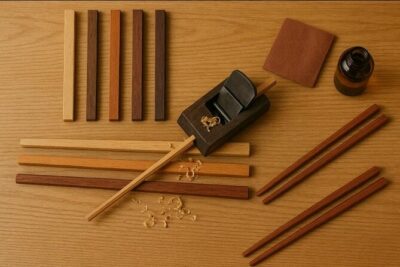 ★ 5.0Chopsticks Making Workshop in Gion with Engraving OptionFrom $15958 reviews
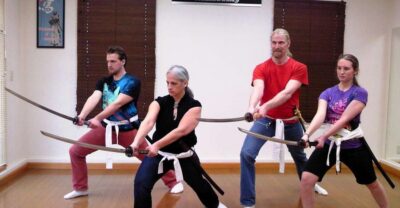 ★ 4.9Samurai Sword Class by Experts in Traditional ArtsFrom $64657 reviews
 ★ 4.9Ramen Cooking Class at a Ramen Factory with SouvenirFrom $127532 reviews
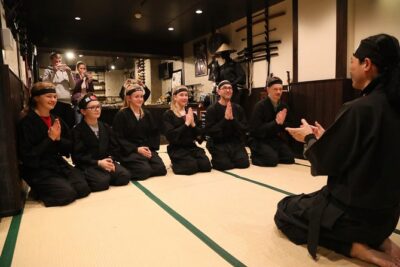 ★ 5.0Ninja 1-hour Hands-on Lesson by Japanese master in Kyoto -EntryFrom $80489 reviews
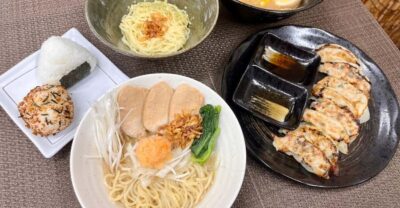 ★ 5.0Ramen, Gyoza, and Onigiri Cooking ClassFrom $90445 reviews
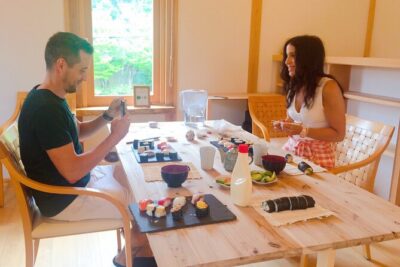 ★ 5.0The Original Small-Group Sushi Making Class in KyotoFrom $69436 reviews
Browse the lists this tour appears in