
Reviewed · KYOTO COOKING CLASSES
Kyoto Sushi Making Experience with a Professional Sushi Chef
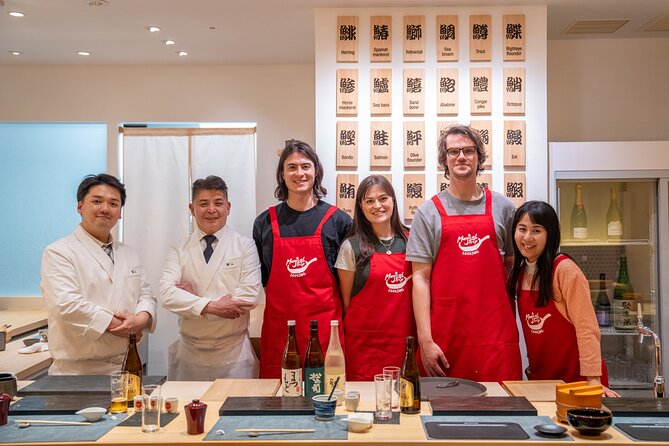
Sushi skills, Kyoto style, in one afternoon. This 3.5-hour class mixes a first stop for traditional sweets with hands-on sushi taught by a real Taisho sushi chef and an English-speaking guide, kept comfortably small (up to 8 people).
I like that you actively shape and build the sushi while the chef handles the slicing, so it feels beginner-friendly without turning into a show-and-tell class. I also really enjoyed the sake tastings with pairing tips and the matcha whisking moment in a calm Kyoto-style garden. The only real catch is the price, $163.30 per person, which you should feel good about before you book.
Key highlights
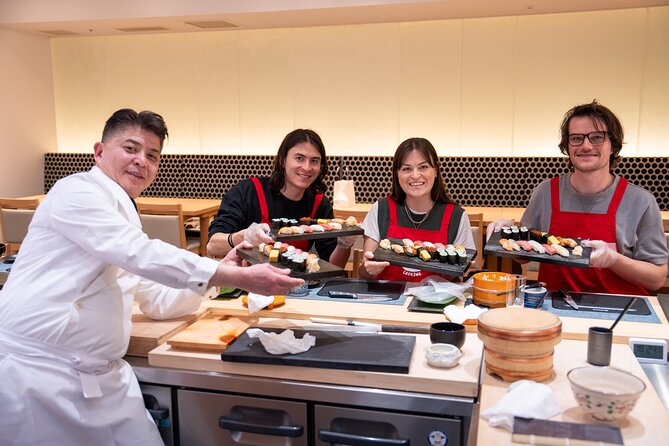
- Taisho chef instruction with careful guidance and expert knife work handled by the chef
- Hands-on nigiri and roll sushi practice, not just watching
- Fresh tempura set, cooked for you during the experience
- Sake tastings with pairing tips so you know what to taste and why
- Matcha whisking in a Kyoto-style garden, using sweets you selected earlier
- Small group size (max 8) for better pacing and attention
Kyoto Sushi Craft, Plus Sake and Matcha, in a Small Group
If you want the real Kyoto version of sushi class, this is one of the better formats I’ve seen: you learn to make sushi, then you get supporting flavors that make the whole meal make sense. You’re not just chasing technique. You’re tasting the way sushi is meant to be enjoyed, with sake and matcha finishing the story.
The big value for me is the combination. You start with sweet selection, then move into sushi making with a Taisho chef, then you eat what you make, and finally you end in a peaceful garden while you whisk matcha. That flow matters. It turns a cooking class into a proper food experience, with each step setting up the next one.
And because the group is limited to 8 people, the pace stays realistic. You’ll get time to work on your own sushi pieces without being rushed past the skills you actually came for.
One more plus: you do not need Japanese. An English-speaking guide keeps everything clear, from what you’re doing to what you’re tasting. That makes the class work well even if you are a total sushi novice.
You can also read our reviews of more tours and experiences in Kyoto.

Your Late-Afternoon Schedule and Easy Meeting Point
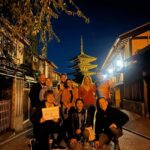
This experience starts at 3:30 pm and runs about 3 hours 30 minutes. Late afternoon is a smart time in Kyoto. You’re past the hottest part of the day, but you still have daylight to enjoy the neighborhood energy before you land in a calmer setting for the garden finish.
You meet at Diesel604 Banochō, Nakagyo Ward, Kyoto, 604-8172. It’s in Nakagyo Ward, near public transportation, so it’s not the kind of meeting point that forces a long taxi ride or a stressful scramble.
Another practical detail I appreciate: the activity ends back at the meeting point. That means you do not have to guess where your night will continue, you just fold the class into your existing Kyoto plan.
If you’re planning dinner afterward, keep in mind that you do eat during the experience. Between the sushi you make, a tempura set, sake tastings, and sweets, you’ll likely want something lighter later.
Sweet Shopping First, Then Sushi Work
You begin with a visit to a local shop for traditional Japanese sweets. This part sounds small, but it quietly improves the whole experience. You get to choose the sweets you’ll later enjoy with matcha.
Why that matters: matcha is not just a drink. It’s a taste with a strong personality, and pairing it with the right sweets makes the final segment feel intentional, not random. In this class, your choices connect directly to your ending.
You’ll have a friendly expert guide with you, and you’ll be supported from start to finish in English. So even if wagashi (Japanese sweets) is brand new to you, you’re not left standing there guessing.
Practical tip: go in with an appetite, but do not arrive stuffed from a heavy late lunch. This is a multi-part tasting and cooking experience.
If you have dietary restrictions, this is the moment to think about them early. The class includes sweets, sushi, tempura, sake tastings, and matcha, so it’s worth confirming in advance if you need special handling.
Meet the Taisho Chef and Learn the Rhythm of Nigiri
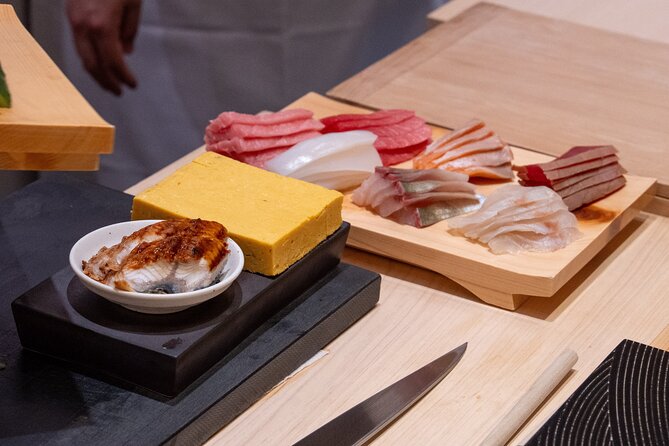
After the sweets stop, you step into an authentic sushi restaurant and meet the professional Taisho chef. This is one of the reasons I like this class: you’re not pretending sushi is a craft you can learn from a generic cookbook.
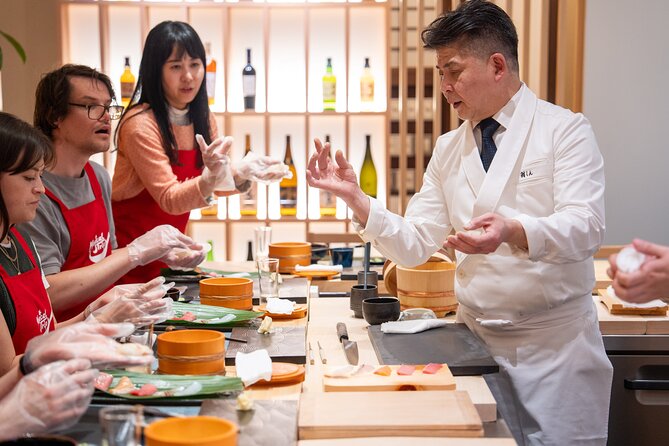
The chef demonstrates precise knife work and the elegant craft of making nigiri. Even if you’re focused on hands-on learning, watching a Taisho in action helps you understand what good sushi looks like before you try to repeat it.
Then you switch from watching to doing. The chef guides you as you roll and shape, and the class is structured around learning what matters most for technique. You are rolling sushi yourself, which is satisfying, because you’re not just assembling a pre-made kit.
Another thing I appreciated: you don’t have to stress about sharp knives. The chef handles the slicing and tricky parts, while you focus on the fun, learnable parts. That makes the experience feel approachable without taking away the authenticity.
Making 9 Nigiri and Roll Sushi, With Tempura Cooked for You
The cooking portion is built around making 9 nigiri sushi plus roll sushi. That’s a clear, specific goal, and it’s one I really like. Vague classes are hard to judge. Here, you know what you’re going to learn and what you’ll leave with, both in skills and in food.
You’ll be guided step by step to shape and form the pieces correctly. And because you’re working on nigiri and rolls, you learn two different sushi skills instead of only doing one style.
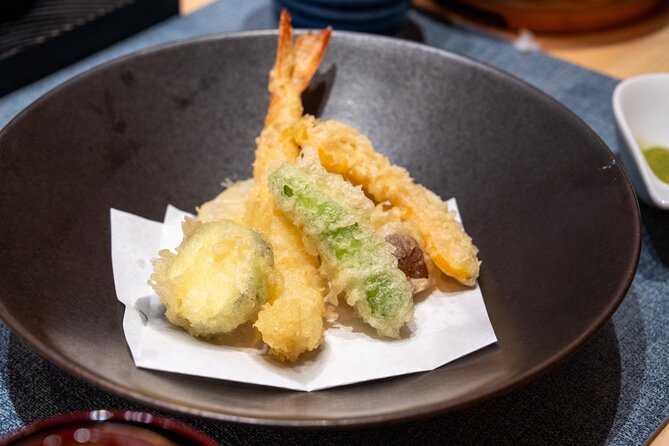
Then comes tempura. You get a tempura set that the chef makes for you. Fresh tempura is one of those foods where technique shows up fast. The batter and frying style change everything, and having it freshly prepared adds a real culinary contrast to the delicate flavor of sushi and rice.
A note on tasting while cooking: the class is set up so you cook, taste what you made, and then continue with the pairing segments. That pacing helps you connect technique to flavor while it’s still fresh in your memory.
If you’re a beginner, you should still expect real instruction, not just a casual activity. This class is designed to teach you enough that you can talk about what you learned back home, and ideally reproduce at least parts of it for friends.
Sake Tastings and Pairing Tips You Can Reuse
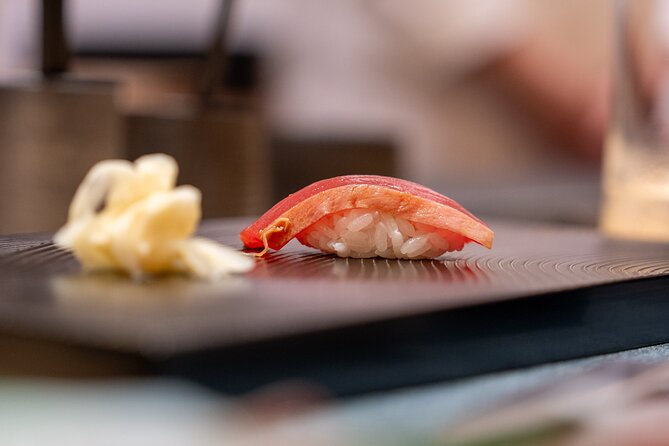
Sake tasting is included, and it’s not treated like a random add-on. You get pairing tips to help you understand how sake interacts with sushi flavors.
I like pairing sessions because they teach you a reusable habit. Instead of saying sake tastes good with sushi, you learn how to think about it while tasting. That means you’ll be more confident ordering sake later in Japan or even at a good restaurant back home.
The class also includes two drinks, plus the sake tasting. So you’re getting a fuller picture of the beverage side of the meal rather than just one sip to say you tried it.
One practical approach for the tastings: take small sips and move through the sushi you made, not just one piece over and over. Even if you’re not a professional taster, you’ll notice how different sushi styles and toppings influence what you perceive in the sake.
If you don’t drink alcohol, you should consider whether tasting is still a comfort level for you. The class includes sake tastings as part of the experience, so it may not be a fit for everyone.
Whisking Matcha in the Garden and Enjoying the Sweets You Picked
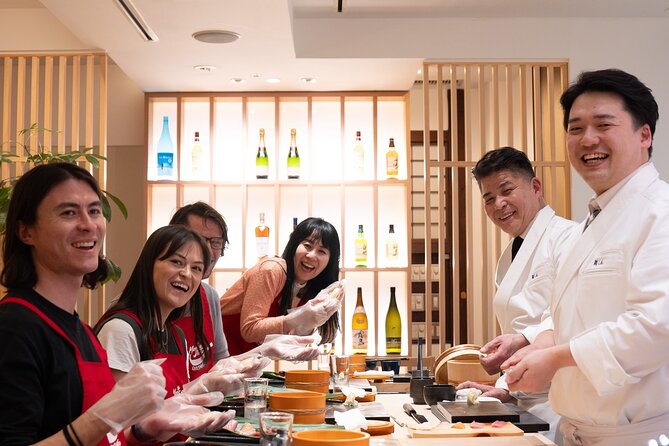
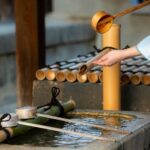
You end in a peaceful Kyoto-style garden. For me, that’s not just a pretty finish. It’s the best kind of pacing. After hands-on cooking and tasting, you get a quiet moment to reset.
In this final step, you whisk your own matcha. That’s a skill you can take home because it’s hands-on and immediate. You don’t need to be a tea expert to get the idea, and it’s fun to feel like you’re doing something real, not just watching.
Then you enjoy your matcha with the Japanese sweets you picked earlier. This is where the first shopping stop pays off. The pairing feels personal because you chose the sweets, and you see how the flavors work together.
Also, the garden setting keeps the experience from feeling like a rushed restaurant meal. You get time to slow down, savor the flavors, and take a breather.
If you’re traveling with someone who loves photos, this ending is also a strong visual moment. It’s calm, green, and Kyoto in its quieter mood.
Price, Portion Value, and Who This Class Fits Best
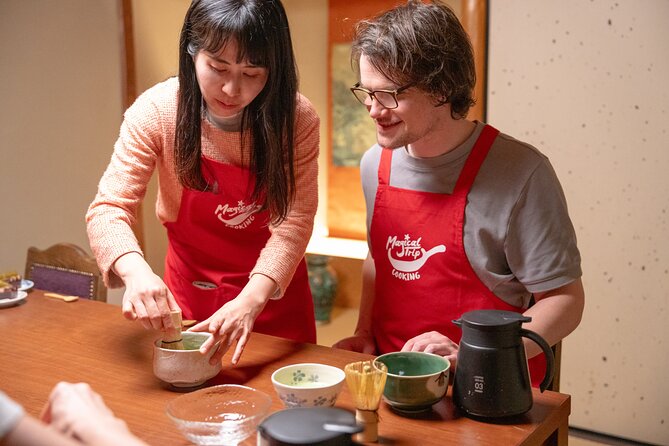
Let’s talk value, because $163.30 per person is not a casual purchase. You’re paying for several things bundled together:
- A professional Taisho chef teaching and shaping the instruction
- Specific hands-on outcomes (9 nigiri plus roll sushi)
- A tempura set cooked fresh during the experience
- Sake tastings with pairing tips
- Matcha whisking and traditional Japanese sweets
- A small group format (max 8), which typically makes instruction easier to follow
So the question is not just whether sushi lessons sound cool. It’s whether you want a full food experience with real ingredients and real guidance. If you’re the kind of traveler who likes learning a craft and then eating a meal that reflects it, this price starts to make sense.
I think it’s a particularly good fit for:
- Sushi lovers who want more than a restaurant meal
- Beginner cooks who want safe, guided practice
- Families with kids age 4 and up (the class is family-friendly)
- Solo travelers who like small groups and structured activities
- Foodies who want cultural context through tasting, not just cooking
Where it might be less ideal: if you’re on a tight budget, or if you want a quick, low-commitment activity. This class asks you to spend a half evening fully engaged.
One more practical point: because the chef handles slicing and tricky knife work, you can still enjoy it even if you feel nervous around tools. That reduces friction, which matters when you’re traveling.
Also, booking timing is normal for Kyoto. It’s commonly reserved about 24 days in advance on average, so if you want a specific day or you’re traveling during busy periods, plan ahead.
Should You Book This Kyoto Sushi Making Experience?
I’d book it if you want a structured, hands-on sushi skill lesson in a small group, with sake and matcha ending the meal in a way that actually ties together. You get real instruction from a Taisho chef, a tempura set cooked for you, and a calm garden finish that makes the class feel like more than a one-room workshop.
I would skip it if the cost feels uncomfortable, or if you strongly prefer a purely vegetarian meal or a tastings-free experience. The class includes seafood-focused sushi and sake tastings, so it’s best for people who are comfortable with that kind of menu.
If you’re deciding between a sushi meal and a sushi class, I’ll be blunt. A restaurant meal gives you a great night. This class gives you skills plus the story behind them, and you leave with the satisfaction of eating what you made.
FAQ
How long is the Kyoto sushi making experience?
It lasts about 3 hours 30 minutes.
Where does the experience start?
The experience starts at Diesel604 Banochō, Nakagyo Ward, Kyoto, 604-8172, Japan.
What will I make during the class?
You will learn to make 9 nigiri sushi and roll sushi. You’ll also enjoy a tempura set and Japanese sweets, and you’ll whisk matcha at the end.
Is there sake tasting included?
Yes. There is a sake tasting session with pairing tips.
Do I need to speak Japanese?
No. There is an English-speaking guide.
Is cancellation free, and how late can I cancel?
Yes, free cancellation is available. You can cancel up to 24 hours in advance of the experience for a full refund. If you cancel less than 24 hours before the start time, the amount you paid will not be refunded.
More Tour Reviews in Kyoto
Not for you? Here's more nearby things to do in Kyoto we have reviewed


Kyoto Cooking Classes, compared.
 ★ 5.0Ramen Cooking Class at Ramen Factory in KyotoFrom $1311,937 reviews
 ★ 5.0Sushi Making in Kyoto! Same-day bookings welcome!From $53713 reviews
 ★ 4.9Ramen Cooking Class at a Ramen Factory with SouvenirFrom $127532 reviews
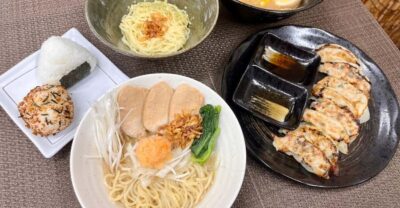 ★ 5.0Ramen, Gyoza, and Onigiri Cooking ClassFrom $90445 reviews
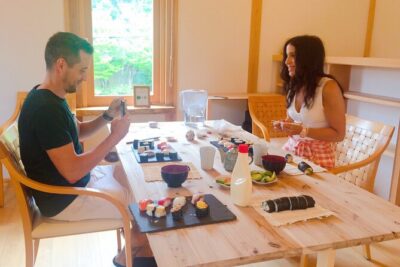 ★ 5.0The Original Small-Group Sushi Making Class in KyotoFrom $69436 reviews
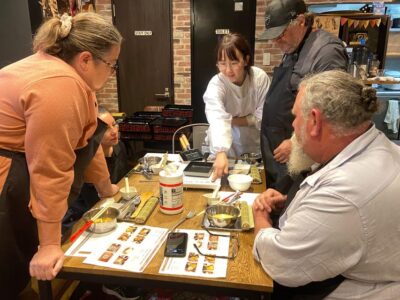 ★ 5.0Japanese Washoku Bento Small Group Cooking ClassFrom $58380 reviews
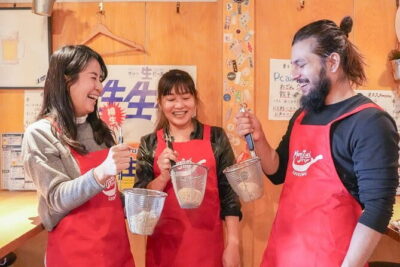 ★ 5.0Kyoto Ramen and Gyoza Cooking Class with Professional ChefsFrom $86282 reviews
 ★ 4.9Afternoon Japanese Izakaya Cooking ClassFrom $67241 reviews
Browse the lists this tour appears in