
Look up, then look respectfully. This Kyoto geisha walking tour is interesting because it pairs a scenic Hanamachi stroll with a guide who explains what you are actually seeing, instead of letting you guess.
I especially like two parts: meeting Peter MacIntosh outside Minamiza Kabuki Theatre with a plan for the evening, and getting photography tips built around real-world etiquette. The walk is also paced for a small group, so you can ask questions as you go.
One consideration: there is no guarantee you will spot maiko or geiko, and the tour does set clear limits around filming gear.
Key things to know before you go
- Meet at Minamiza Kabuki Theatre (Shijo and Kawabata), 4:00 p.m. so you can start your evening without hunting for the group.
- Small group of 9 participants max, which keeps the conversation going and makes questions easier.
- Photography rules are strict (no tripods, no video, no audio recording) but photos are allowed if you respect privacy.
- 30 years of research and firsthand stories guide how you interpret the “flower and willow world.”
- Maiko and geiko are possible, not promised, so you should plan to enjoy the streets and stories even if you do not see them.
A small-group look at Hanamachi, with Peter MacIntosh leading
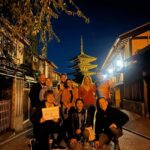
Kyoto at 4 p.m. has a different tempo than midday. You start the tour when the light is better for photos and the streets feel calmer, and you walk through geisha district streets with the kind of detail that only becomes obvious when someone points it out.
What makes this tour a solid choice is that it treats geisha culture as something you can learn to observe, not something you only chase for photos. With Peter MacIntosh, you get the storytelling side and the practical side. The tour is built for people who want context and manners at the same time.
I also like that you are in a small group. In a bigger crowd, you end up staring at your phone, hoping to spot someone. Here, you have time for questions and for the guide to correct common misunderstandings as you walk.
You can also read our reviews of more walking tours in Kyoto
Why the setting matters
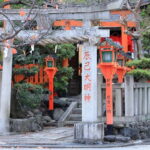
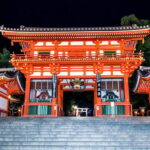
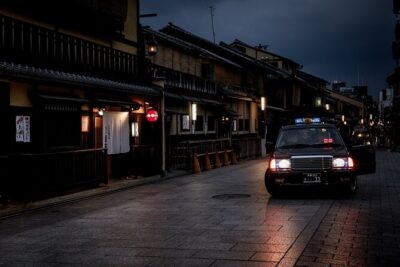
The tour focuses on Hanamachi streets, including charming cobblestone lanes. That matters because the look of the district is part of what you are learning. Even if you are not scanning for faces, you are picking up how the architecture and street layout shape the feel of the neighborhood.
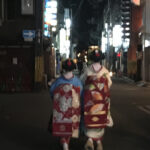
And yes, Hanamachi is also where you might catch a glimpse of maiko and geiko. The tour sets expectations clearly, though, so you are not left disappointed if they are not out.
Meeting outside Minamiza Kabuki Theatre: quick start, easy orientation
You meet in front of Minamiza Kabuki Theatre at the corner of Shijo and Kawabata at 4:00 p.m., and the tour finishes around 5:45 p.m. That timing is long enough to feel like an evening walk, but short enough that you can still plan a meal after.
I like that the meeting point is straightforward and in a central, well-known area. You also avoid the awkward “Where exactly are we meeting?” problem that can happen with tours that use vague landmarks.
A simple tip: arrive a few minutes early with your camera ready, since the tour begins on time. Comfortable walking shoes are a must, because this is a walking tour through old-style streets.
The 105-minute flow: what you do during the walk
This is a 105-minute walking tour through Kyoto’s geisha districts, led in English. The schedule is not about rushing from one single photo spot to another. It is about moving at a human pace while your guide shares stories, facts, and photography guidance.
Here is how the time usually feels, step by step:
1) Kickoff and tone setting
At the start, you get the framework: what you will see, how to look, and what to ask. Your guide’s goal is to help you understand the “flower and willow world” with fewer myths and more grounded context.
2) A scenic stroll through cobblestone streets
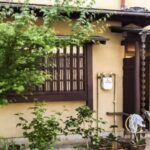
As you move through Hanamachi, the walk becomes the lesson. You notice traditional architecture and small street details because you are not just wandering. You have a guide translating what you are seeing.
This is also when the atmosphere matters most. You are close enough to observe, but the pacing keeps you from becoming a disruptor.
3) Stories built from 30 years of research
The tour is guided by Peter MacIntosh’s decades of work, which shows in how he answers questions. The emphasis is on clear explanations and real-world perspective, including myth-busting and facts about geisha culture.
The most practical part is that you learn how to interpret what is happening around you, not just what to look for.
4) Photography tips while you walk
Photography is allowed, but you are guided on how to do it respectfully. The tour includes a photography-tips segment, plus a set of souvenir postcards. You are not just taking pictures, you are learning how to take better ones without turning the street into a studio.
5) Wrap-up and leaving at about 5:45 p.m.
You finish around 5:45 p.m., so you can continue exploring or head to dinner. The tour length makes it easy to pair with other Kyoto evening plans without feeling like you are locked into a full night.
Photography on the street: permitted, but do it the respectful way
This is where the tour stands out in a useful way. You bring a camera, but you also follow rules that protect privacy and keep things calm for locals.
Here is what is explicitly allowed and not allowed:
- Allowed: photography during the walk
- Not allowed: tripods, video recording, audio recording
- Not allowed: smoking
So you should plan to travel light. Skip the tripod. Keep your recording intentions in check. And remember: even if photos are allowed, you still need to respect privacy of geishas and locals.
The photography tips you actually need
Photography tips matter most when you are out on real streets. You have changing light, narrow lanes, and people moving naturally. A guide can help you get steadier results and avoid awkward moments, like shooting too close or forgetting that you are in someone’s neighborhood.
Also, since you get a set of souvenir postcards included, you are not entirely dependent on your camera. Even with average camera skills, you can walk away with something tangible.
About maiko and geiko: what the tour does and does not promise
Here is the honest part: the tour says seeing maiko and geiko is possible, but there is no guarantee.
I like this clarity because it changes how you plan your expectations. If you go hoping for one specific sighting, you can end up grumpy when the district is quiet. If you go ready to learn and enjoy the streets, you get value even if you do not spot them that evening.
How to enjoy the tour even without a sighting
If you do not see maiko or geiko, you can still focus on:
- understanding what the district is and how it is observed
- listening to stories and answers from a guide with decades of research
- practicing respectful street photography
This tour is not only about chasing faces. It is about learning to look correctly.
Price and value at $54: what you get for your money
At $54 per person, this tour sits in the midrange for guided experiences in Kyoto, and the value comes from a few specific things you would otherwise pay for separately.
You get:
- a live English-speaking guide (Peter MacIntosh)
- a walk through Hanamachi areas
- photography tips
- a set of souvenir postcards
- a small group limited to 9 participants
For many people, the biggest value is the guide time. A 105-minute walk with a focused instructor beats a rushed self-guided stroll if you want context. You also avoid the frustration of trying to understand geisha culture through vague online advice.
If you care about etiquette and the story behind what you see, the price makes more sense. If your only goal is to get a chance at a sighting, you may feel less satisfied when the district is quiet that day.
Who this tour fits best in Kyoto
This experience is best for adults and older kids who enjoy walking, asking questions, and learning how to observe respectfully. It is not suitable for children under 8.
I think it is a great fit if:
- you want an English guide who can explain common misconceptions clearly
- you care about street-level photography etiquette
- you prefer small groups over crowded tours
- you are visiting Kyoto for the first time and want a “how to look” intro to geisha districts
If you are the type who hates questions or wants a silent sightseeing session, this one may feel a bit too talk-focused. But if you like conversation, the small group size helps.
Practical tips so your evening goes smoothly
A few simple things will help you enjoy this tour more.
Wear the right shoes
Comfortable walking shoes are required, and it makes sense for cobblestone streets. Go for something with grip and cushioning.
Bring the basics
Bring:
- a camera (since photography is part of the experience)
- water
- your comfortable shoes
Plan for weather
The tour says you should be prepared for any weather condition. Kyoto can change quickly in the evening, so bring a light layer or rain plan if that is your situation.
Know the rules before you start
- No smoking
- No tripods
- No video or audio recording
- Take photos only in ways that respect privacy of geishas and locals
These rules are not there to be annoying. They keep the district comfortable for everyone.
Language and pace
The tour is English only, and it is designed to fit a small group of up to 9 people. That means you will likely get direct answers and time for follow-up questions.
Should you book Kyoto’s Original Geisha Walking Tour?
I would book it if you want a respectful, guided Hanamachi experience with real explanations, not just a photo chase. The combination of Peter MacIntosh’s long-term research and the practical photography tips is the strongest reason to choose this tour, especially if you like understanding context as you walk.
I would think twice if spotting maiko or geiko is your only goal. The tour is honest that you might see them, but you might not. In that case, you still have to be happy with the stories, the streets, and learning how to observe properly.
If you want a short, high-signal walk that fits into an evening schedule, this one is a strong option.
FAQ
Where do I meet for the Kyoto geisha walking tour?
You meet in front of the Minamiza Kabuki Theatre on the corner of Shijo and Kawabata at 4:00 p.m.
How long is the tour?
The tour duration is 105 minutes, and it finishes at approximately 5:45 p.m.
Is the tour offered in English?
Yes, the live tour guide speaks English.
How big is the group?
The group is small, limited to 9 participants.
What is included in the price?
The tour includes a walking tour, the guide, photography tips, and a set of souvenir postcards.
What should I bring?
Bring comfortable shoes, a camera, and water.
What is not allowed during the tour?
Smoking is not allowed. Tripods are not allowed, and video recording and audio recording are not allowed.
Can I expect to see maiko or geiko?
You might see maiko and geiko, but there is no guarantee.
Is the tour suitable for children?
It is not suitable for children under 8 years.
Can I cancel or book without paying right away?
You can cancel up to 24 hours in advance for a full refund. It also offers a reserve now, pay later option.
More Walking Tours in Kyoto

More Tours in Kyoto
More Tour Reviews in Kyoto
Not for you? Here's more nearby things to do in Kyoto we have reviewed


Gion & Geisha District Tours, compared.
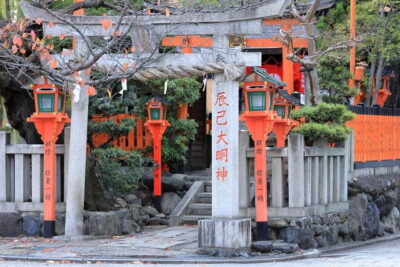 ★ 4.7Kyoto Geisha Walking Tour: Gion District & Hidden GemsFrom $253,273 reviews
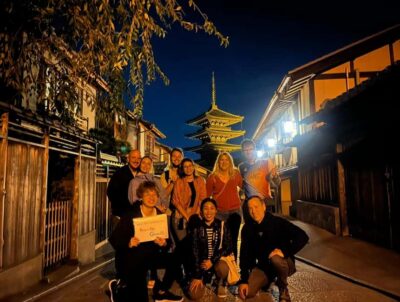 ★ 4.9Gion Magical Night Walking Tour with Geisha TriviaFrom $242,393 reviews
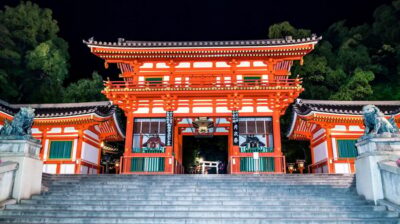 ★ 4.7Gion Geisha District Walking Tour – Stories of GeishaFrom $202,187 reviews
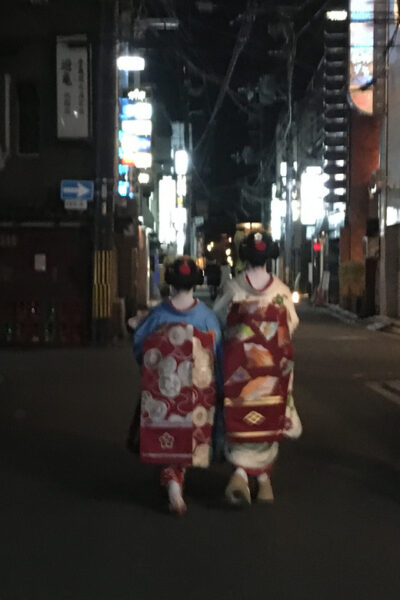 ★ 4.9Best of Kyoto: Gion, Geisha, Pagodas & CobblestonesFrom $242,058 reviews
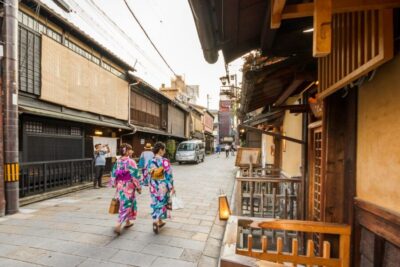 ★ 4.5Night Walk in Gion: Kyoto’s Geisha DistrictFrom $212,003 reviews
 ★ 5.0Kyoto Night Foodie Tour in Gion (9+ dishes + 6 Sake tastings)From $1631,762 reviews
 ★ 5.0Kyoto Gion Geisha District Walking Tour – The Stories of GeishaFrom $251,441 reviews
 ★ 5.0Kyoto Gion: 2-Hour Geisha Culture & History Walking TourFrom $231,186 reviews
Browse the lists this tour appears in