
Reviewed · KYOTO KIMONO EXPERIENCES
Kyoto: Traditional Kimono Fabric Handicrafts Workshop
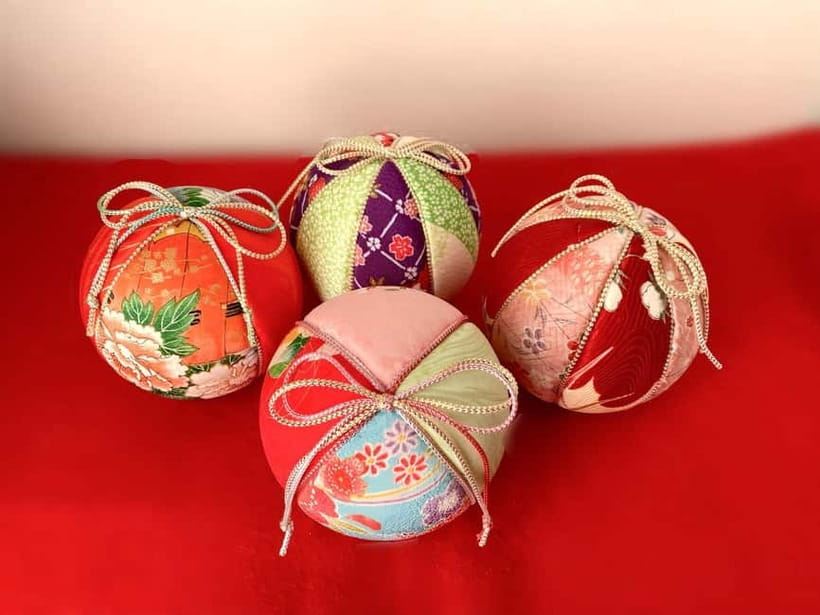
Kimono fabric meets a cozy Temari workshop in Kyoto. This 2-hour class lets you craft a temari using kimono fabric, in a renovated antique boutique right in the sightseeing area.
I like that the setup is genuinely stress free, no prior skills needed. You pick from different kimono fabric pieces, learn the craft step-by-step, and end up with something you can actually display at home.
One thing to consider: it is focused and short, so if you want a longer, more meal-like break, you will likely head to a nearby café afterward since only the included drink and confectionery are provided.
Key Things You’ll Really Notice
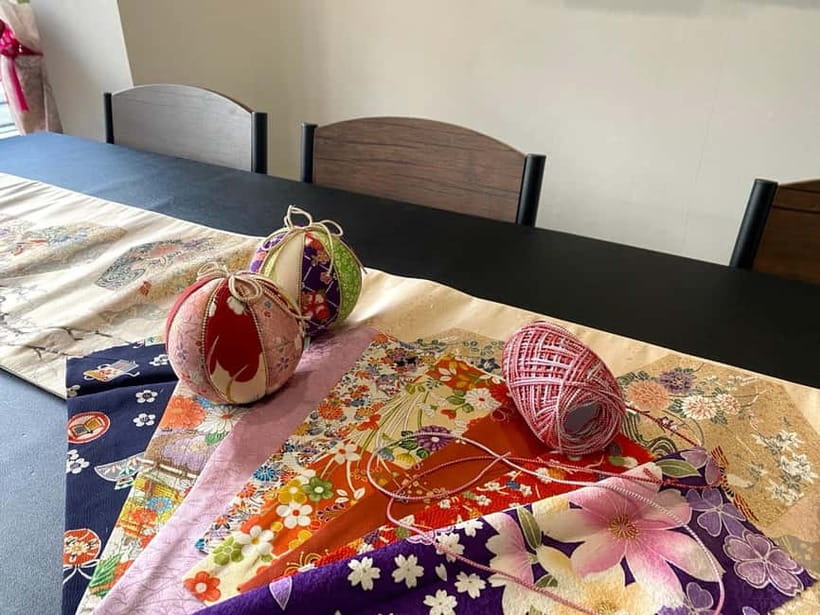
- Kimono fabric selection first, so your temari starts with your taste
- Beginner friendly instruction, with help throughout and not so much sewing
- Included drink plus Japanese confectionery, and you get to choose the confection
- Small group limited to 4, so you can ask questions in a relaxed way
- English and Japanese instruction, useful even if your Japanese is zero
- A calm craft stop near temples and shrines, including easy pairing with Philosopher’s Path
Temari in Kyoto, But Make It Low-Stress
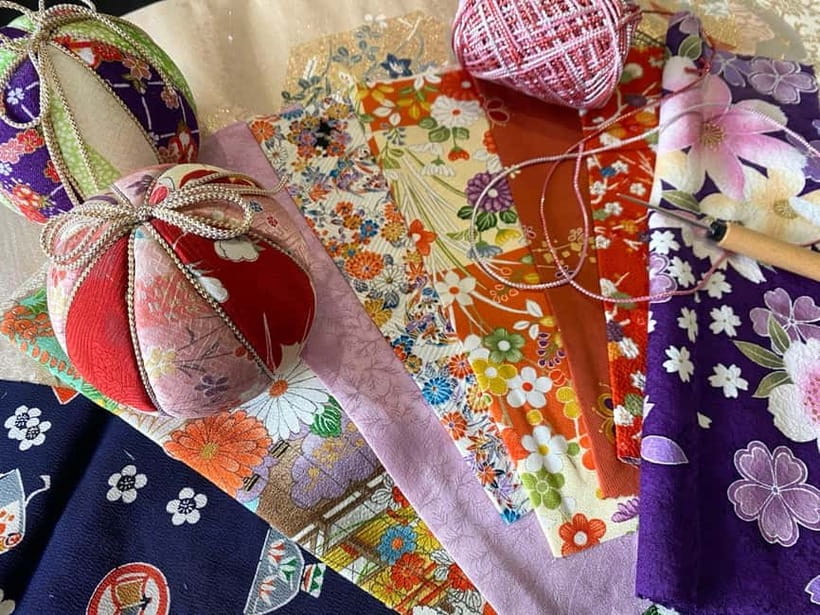
Kyoto is famous for temples, gardens, and long walking days. This workshop gives you a different kind of Kyoto moment, a hands-on one that still feels traditional. Temari are handcrafted decorative balls used as interior ornaments and in celebrations across Japan, so what you make is both pretty and culturally tied to everyday life.
The main appeal is simplicity. You do not need experience. You do not need to be crafty. The class is built for all ages and works well even when you are traveling with kids, because the process is guided in a clear, step-by-step way and is described as not so difficult.
The other reason this feels like a smart break is pace. Two hours is long enough to get a real result, but short enough that you will not feel like you sacrificed an entire day of sightseeing.
More Kyoto temple visits, food tours, tea experiences, and day trips to compare


A Renovated Antique Boutique Where Fabric Is the Star
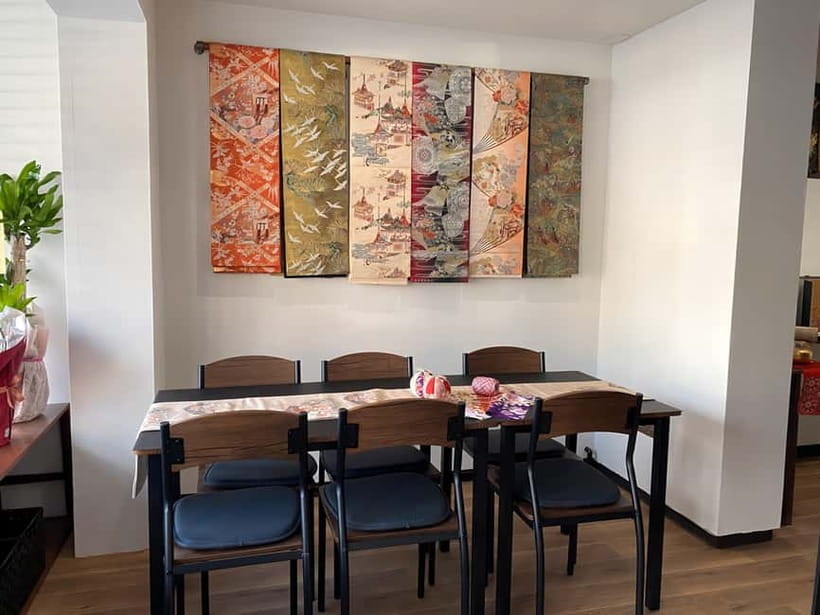
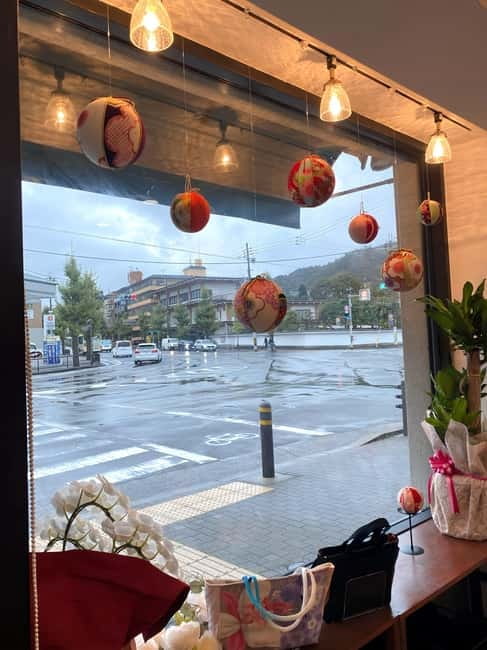
The workshop takes place inside a newly renovated traditional Japanese antique boutique store. That matters more than you might think. You are not doing crafts in a generic classroom. You are doing it in a shop atmosphere where the objects and materials feel part of the experience, not just supplies on a table.
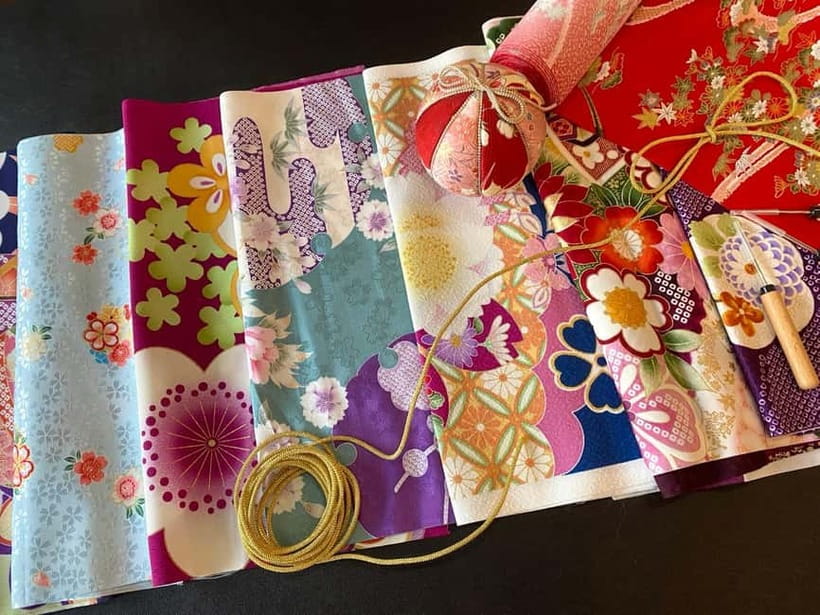
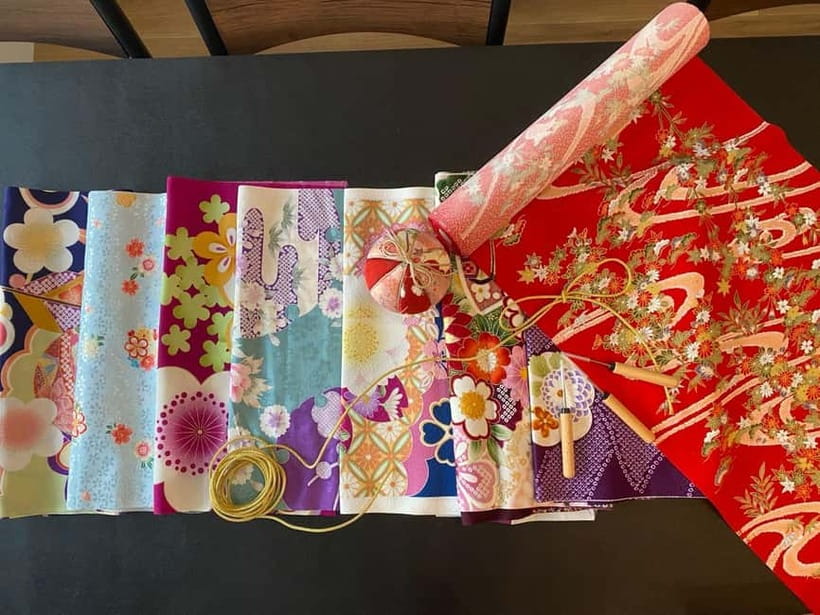
The fabric choices are a highlight. Multiple people mention loving the selection of kimono fabrics and finding it fun to decide on favorite colors and patterns. If you are the type who brings home fabric swatches, this is the full version, you choose real textile pieces and build your temari from them.
You can also browse what the host sells in the shop, including crafts and bags made from old kimonos. Several reviews point out that shopping can easily turn into a second activity, so I recommend budgeting a little extra time to look around before or after your session.
How the 2-Hour Workshop Unfolds
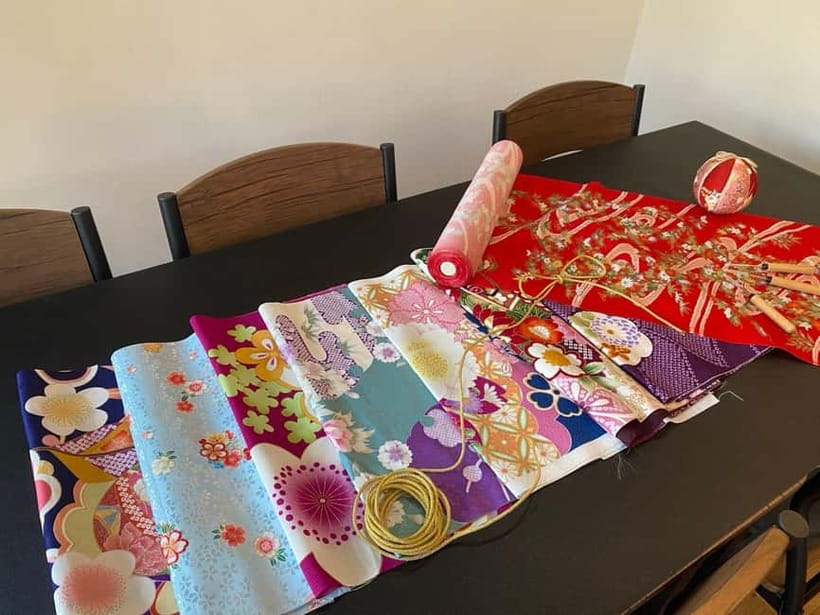
Think of this as a guided make-your-own souvenir, with a bit of culture mixed in.
1) Walk in, get oriented, and start with choices
Your meeting point is simple: enter the workshop when you arrive, and your host will be there to greet you. Because the group is small, you should feel like you settle in fast rather than spending the first ten minutes trying to figure out where to go.
A big part of the experience begins right away with fabric selection. You get to pick pieces in the colors and styles you want. That choice does a lot of work for you, it makes the final temari feel personal even if you are a total beginner.
2) Complimentary drink and wagashi while you craft
You get a complimentary drink and a traditional Japanese confectionery of your choice for each guest. Reviews mention tea and matcha-style drinks, plus a local treat, which helps the class feel like a relaxed pause in your Kyoto schedule.
This is not just a perk. It makes the time feel slower and more comfortable, especially if you have been walking in the heat or cold. You are crafting, but you also have a built-in moment to sit back and focus.


3) Learn what temari are, and why they matter
The class includes learning the history of temari as well as how they are used. Temari are traditionally used as decorations in homes and for celebrations throughout Japan. Even a short explanation helps you appreciate your souvenir beyond how it looks.
This is also where an English-speaking instructor becomes important. Reviews repeatedly highlight that explanations are clear and that English communication is excellent, which matters if you worry you will not follow instructions. Here, you should feel supported.
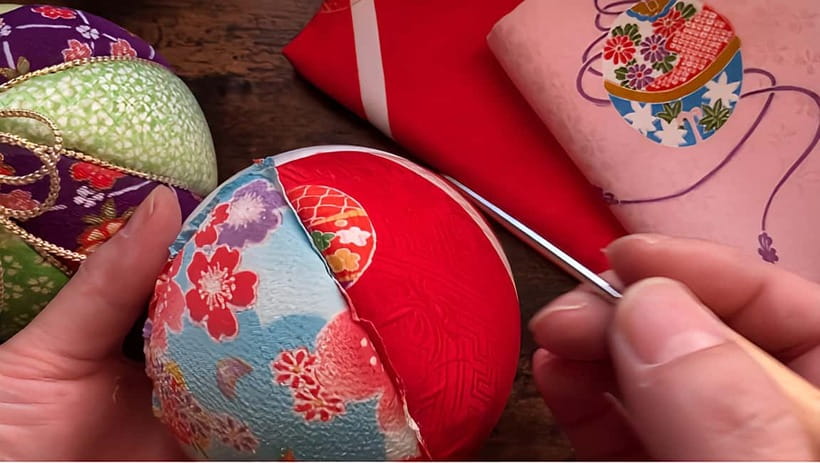
4) Make your temari, with step-by-step help
The workshop provides all necessary materials, so you are not hunting supplies. Instruction is offered in English and Japanese. Reviews describe the process as easy to follow, and several mention that there is not so much sewing, which helps kids and beginners feel comfortable.
You will get help as needed, and the small group format supports that. You are not rushed, and you are not watching from the back of a crowded class.
5) Take home a handmade Kyoto souvenir
When the 2 hours are done, you leave with a temari you made yourself. Multiple reviews call it a favorite souvenir and a keepsake they were happy to display at home. That is a big value factor, because it is an object with real personal effort behind it, not just something you bought at a shop.
What You’ll Learn While You Craft (Without Feeling Like Homework)
A craft workshop can sometimes feel like you are just doing busywork. Here, the design aims to add meaning without turning the session into a lecture.
You learn:
- What temari are used for, both as interior ornaments and for celebrations
- How the craft works at a practical level, with clear, guided steps
- A bit of cultural context, so you understand what you are making
The way the instructor teaches also comes up again and again. People mention the host, named May (spelled differently in a few reviews), being friendly, patient, and easy to talk to. That social part is not fluff. When you can chat and ask questions, you relax, and relaxation usually leads to better focus while you craft.
Nearby Temples and Shrines, Plus a Bonus Walking Plan
This workshop sits in the heart of Kyoto’s sightseeing area, and the highlights mention nearby historically significant temples and shrines. The specific temples are not detailed as a formal part of the workshop, but the location makes it easy to pair your craft time with a short temple or shrine walk.
One review specifically mentions the area around Philosophers Path, and people also note that cafés are nearby afterward. So I like the idea of using the workshop as your reset button. You can do it earlier in the day to avoid the biggest crowds, then head out for an easy stroll and a drink or snack afterward.
Practical tip: because you are in a shop near sightseeing areas, your footwear and layering matter. Kyoto weather can shift fast, and you will likely continue walking once your craft session ends.
Price and Value: What $25 Really Buys You
$25 for a 2-hour workshop sounds like a bargain, but the value is not only the sticker price. Here is what you are getting that raises the worth:
- Materials are provided, so you are paying for guided making, not just buying supplies
- Instruction is included, in English and Japanese
- A complimentary drink and Japanese confectionery are included
- You take home the finished temari, a handmade souvenir you created
A lot of Kyoto activities cost more for the same basic promise, time and a small take-home item. This one is built around a real craft result you can keep. Plus, the small group limit of 4 people makes your attention share feel fair.
If you are trying to keep costs down while still bringing home something personal, this is the kind of experience that makes sense.
Small Group Size and the Comfort Factor
Limited to 4 participants, the class format matters. In a small group, you can get help when you need it and avoid that awkward feeling of waiting your turn for an instructor.
It also makes the experience feel calmer. Reviews describe the workshop as relaxing, and a few highlight conversation and cultural exchange with the host. That creates a friendly rhythm, where you are not just completing a task, you are also learning something and interacting like a person, not a number.
Who This Workshop Suits Best
I see this as a strong fit for four types of travelers:
1) Beginners and families
No prior skills are required, and reviews mention that kids can handle it because it is not so much sewing.
2) People who love crafts and textures
The fabric selection is a big emotional payoff, especially if you enjoy patterns, colors, and tactile materials.
3) Travelers who want a calmer break
If walking all day makes you cranky, this is a focused rest that still feels cultural and creative.
4) Couples and solo travelers who want a meaningful souvenir
You leave with an object tied to your choices, and the small group setting keeps the mood warm.
If you are looking for an all-day immersion with lots of sightseeing stops during the class itself, this will not match that. The strength here is concentrated craft time, not a long itinerary.
Practical Notes That Make the Day Go Smoothly
- Plan for timing around your sightseeing since this is a 2-hour activity and you may want snacks or meals afterward.
- Arrive ready to pick fabrics because that selection is part of the fun, and you will want to take your time choosing colors and patterns.
- Ask questions in English if you want. Instruction is offered in English and Japanese, and reviews mention excellent English clarity.
Also, since reviews frequently mention shopping in the shop, consider adding a few extra minutes just to browse bags and crafts made from old kimonos. Even if you do not buy anything, it adds to the atmosphere.
Should You Book This Kyoto Temari Workshop?
Book it if you want a real Kyoto craft result you can take home, and you care about doing something traditional without stress. The combination of beginner friendly instruction, kimono fabric choices, and an included drink plus Japanese confectionery is a strong value equation.
I would skip it if you want a long, high-intensity activity or if you prefer to spend your time on more formal sightseeing. This is best seen as a creative pause, not a full replacement for temples and shrine hopping.
If you are on the fence, here is a simple way to decide: if the idea of making a temari ball with fabric and leaving with your own finished keepsake sounds fun, this workshop is a very safe bet. At $25 for a guided, small group session with materials and refreshments, it is one of the easiest ways to bring home a piece of Kyoto with your own hands.
FAQ
Is the Kyoto Temari workshop beginner friendly?
Yes. The workshop says no prior experience or skills are required, and it is suitable for all ages, including adults and children.
How long is the workshop?
The duration is 2 hours.
What is the price per person?
The price is $25 per person.
What’s included in the workshop?
You get a complimentary drink, traditional Japanese confectionery of your choice, all necessary materials, the Temari workshop, and instruction from a local crafts master.
Is it a small group?
Yes. It is a small group limited to 4 participants.
What languages are used during the class?
The instructor teaches in English and Japanese.
More Workshops & Classes in Kyoto


More Tour Reviews in Kyoto

Not for you? Here's more nearby things to do in Kyoto we have reviewed










Kyoto Kimono Experiences, compared.
 ★ 5.0Kimono Tea Ceremony at Kyoto Maikoya, NISHIKIFrom $65911 reviews
 ★ 4.8Kimono Rental with Hairstyling and AccessoriesFrom $21653 reviews
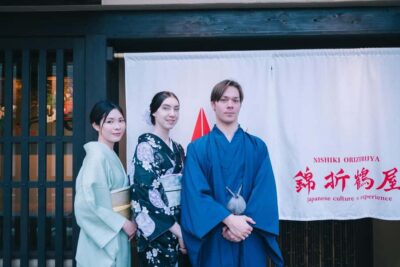 ★ 4.9Kimono Tea Ceremony at Orizuruya GionFrom $49618 reviews
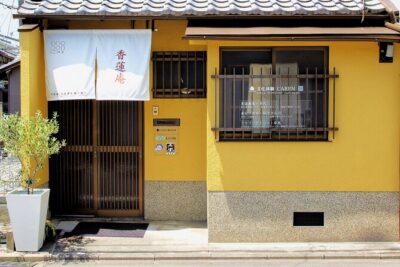 ★ 5.0KYOTO Tea Ceremony with kimono near by Imamiya Jinjya ShrineFrom $99343 reviews
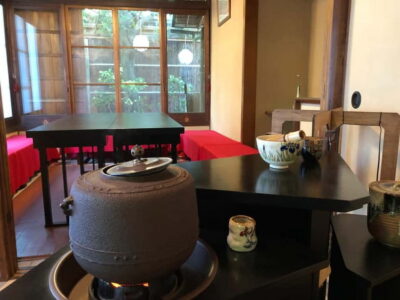 ★ 4.3Kimono and Tea Ceremony Experience at Cultural AssetFrom $222306 reviews
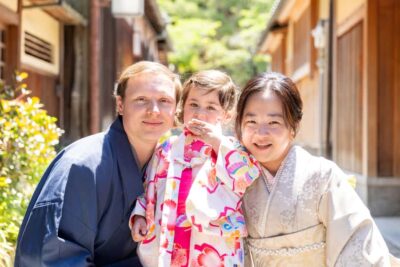 ★ 4.7Traditional Kimono RentalFrom $25265 reviews
 ★ 4.9Kimono Tea Ceremony with Matcha and SweetFrom $66249 reviews
 ★ 5.0Family-Friendly Kimono & Yukata Experience at WARGOFrom $31147 reviews
Browse the lists this tour appears in