
Reviewed · WORKSHOPS
Kyoto: Traditional Mini Umbrella Making Workshop
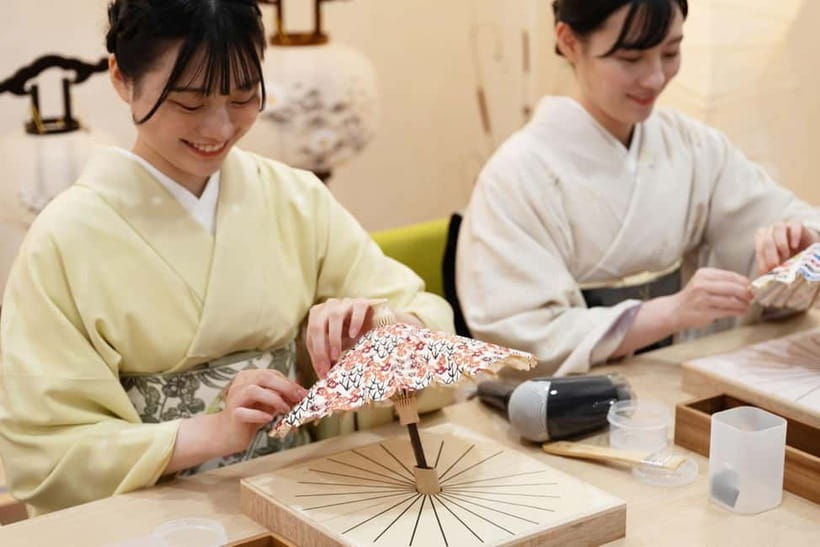
Kyoto and umbrellas go together in a way that feels quietly personal. This mini wagasa workshop is interesting because you make something you can actually use and display, not just a souvenir you toss in a drawer. The shop environment is serene, and the instruction is hands-on, step-by-step, with a friendly teacher such as Ai Takenaka.
I love the focus on traditional wagasa craftsmanship using genuine Japanese materials. You’ll work carefully enough that it turns into a satisfying, calming activity, and you end up with a mini umbrella that feels like it belongs to the city.
One consideration: you’ll need patience for fine details. The process asks for attention, and the class is not listed as suitable for children under 6.
Quick reasons to go
- Japan’s oldest umbrella shop vibe, with a calm, traditional setting to work in
- Hands-on wagasa building using genuine Japanese materials
- A personalized mini Hime Wagasa you design to reflect your taste
- Take-home display value, including a bamboo stand plus a box and carry bag
- English support with a Japanese instructor and options for extra finishing touches
A 90-minute craft session near Shijo Kawaramachi
The meeting point is central Kyoto, about a 2 minute walk north of Shijo Kawaramachi, one of the main shopping hubs. That matters because this kind of workshop is best when it fits naturally into your day. You can shop, grab a snack nearby, then slow down for a creative block without a long commute.
The class runs 90 minutes, which is a sweet spot. Long enough for real instruction and actual making, short enough that you will not feel rushed at the end. If you like experiences where you get a clear start and finish, this one fits.
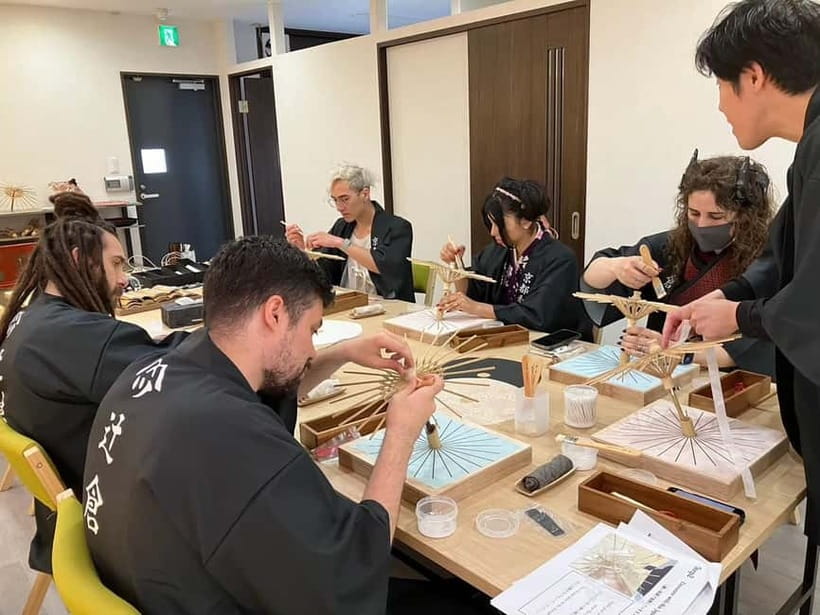
Your workshop takes place in a space decorated with traditional umbrellas and lighting that sets a calm mood. That sounds small, but it changes how you work. When the room feels intentional, you tend to focus on each step instead of worrying about time.
More Kyoto temple visits, food tours, tea experiences, and day trips to compare


What you learn before you start building your mini wagasa
Before you touch the materials, you get the core idea of what wagasa are and how they are put together. You’re not just following steps blindly. The instruction is designed to help you understand the craft decisions, like how each component fits into the whole umbrella form.
You’ll also learn about the materials used for wagasa. The key detail here is that the workshop uses genuine Japanese materials, not generic supplies. That is part of the value. When the materials are the real deal, the finished umbrella looks right and feels right in your hands.
The teacher guides you through the careful workflow, and the overall tone stays patient. Several people highlight that the instructor explains in a way that helps you avoid mistakes, then helps you correct them without stress. I like that because umbrella-making is the kind of craft where one wrong move can throw off the finish.
Also, you have an option to add extra finishing touches. If you want a more polished final look, you can opt for a craftsman to do additional work for an extra fee.
Making a Hime Wagasa: where the hands-on part gets satisfying
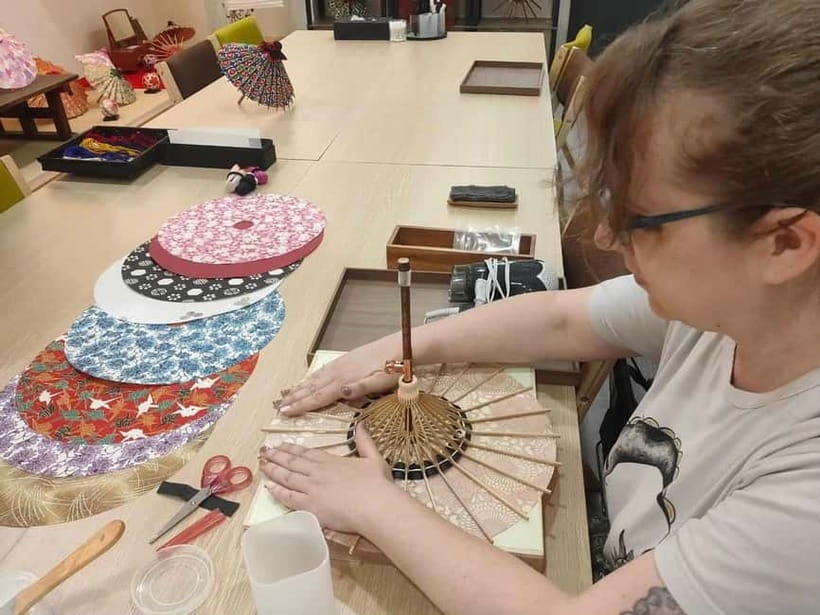
Your finished piece is a mini Hime Wagasa, a traditional Japanese umbrella that has a special, elegant look in a smaller size. “Mini” here is not about cutting corners. It usually means more precision, because smaller details leave less room for sloppy alignment.
This is where you’ll feel that classic craft moment. You shape components, assemble them, and slowly watch the umbrella take form. The process is detailed enough that it pulls your attention away from everyday travel noise. More than one person calls it fun, and more than one mentions that you have to stay focused, which is exactly what makes it rewarding.
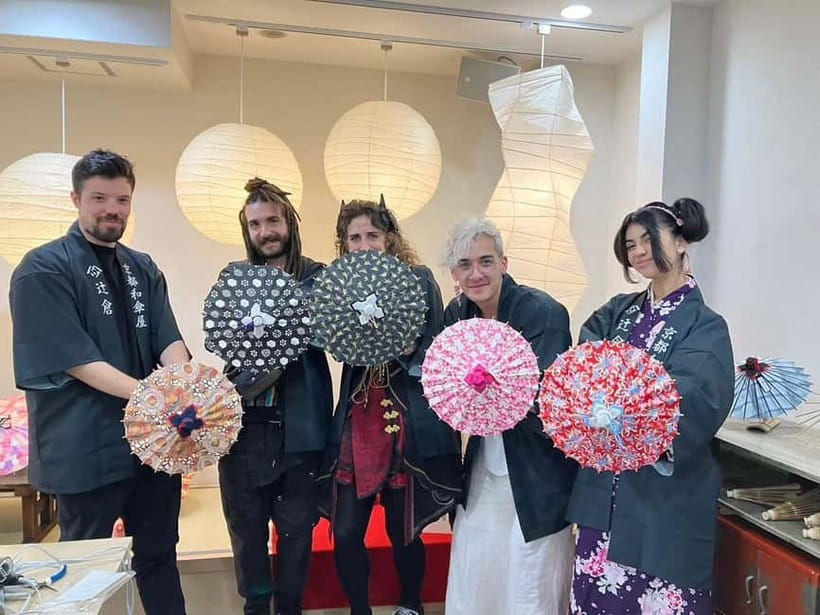
What I think you’ll enjoy most is the combination of structure and creativity. You follow a guided method, but you still make choices that personalize your umbrella. The workshop invites you to design a unique mini umbrella that reflects your own style while staying tied to tradition.
And yes, there is a cultural message baked in. A mini wagasa is described as a symbol of happiness, and the workshop frames your umbrella as something you can gift as a meaningful token. That turns the class from purely hands-on to emotionally memorable.
The take-home package makes it more than a craft demo
You do not leave empty-handed, which is the best part. Your class includes:
- All materials to craft your own Hime Wagasa
- A bamboo umbrella stand to take home
- A decorative box and carry bag for your umbrella
That set matters for value. Many workshops give you the item, but not the display and transport support. Here, you get a stand and protection so your umbrella survives the trip home and actually looks good afterward.
The bamboo stand is especially important because wagasa look best when they are shown with intention, not shoved in a corner. With the stand, you can set it up right away and enjoy the finished result instead of dealing with storage logistics.
The decorative box and carry bag also help if you are juggling multiple Kyoto activities. You can keep the umbrella safe and still stay mobile.
Price and value: is $70 fair for 90 minutes in Kyoto?
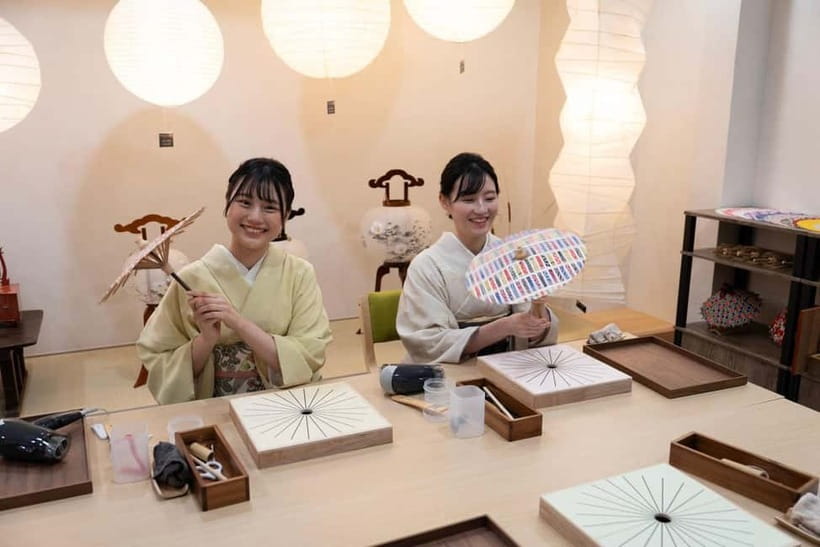
At $70 per person for 90 minutes, you are paying for several things at once:
- access to a traditional umbrella shop setting
- instruction in a specialized craft
- genuine Japanese materials
- and a take-home package that includes more than just your umbrella
Is it a bargain? Probably not in a cheap-souvenir sense. But it is fair if you judge by what you actually receive. You are not just buying a product. You are buying a guided process, and you come away with an object that can be displayed, carried safely, and gifted.
If you like crafts where your hands matter, $70 is the kind of price that feels reasonable. If you are only looking for a quick photo stop, you will likely feel it is more than you needed. This is a do-the-work experience.



Instructor support and how the class feels
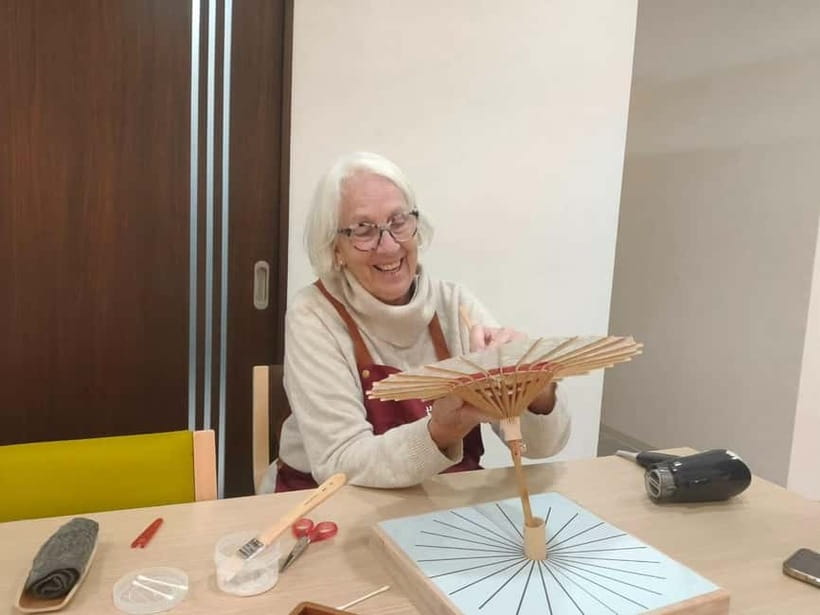
Language is a real factor in workshops. The instructor works in Japanese and English, so you should be able to follow instructions even if your Japanese is limited. The class experience also shows up in the way people describe the teachers: patient, helpful, and focused on making sure you understand each step.
Ai Takenaka is specifically named in one account as friendly and helpful. That kind of detail matters to you, because craft classes succeed when the instructor keeps the rhythm calm. You do not want a teacher racing ahead while you try to catch up.
There’s also a good sign in the feedback about attention and patience. People mention that you have to concentrate on details to make the mini umbrella come out right. When instruction is clear, that concentration feels like a challenge you can handle, not confusion you have to endure.
What to know about rules, pace, and who should go
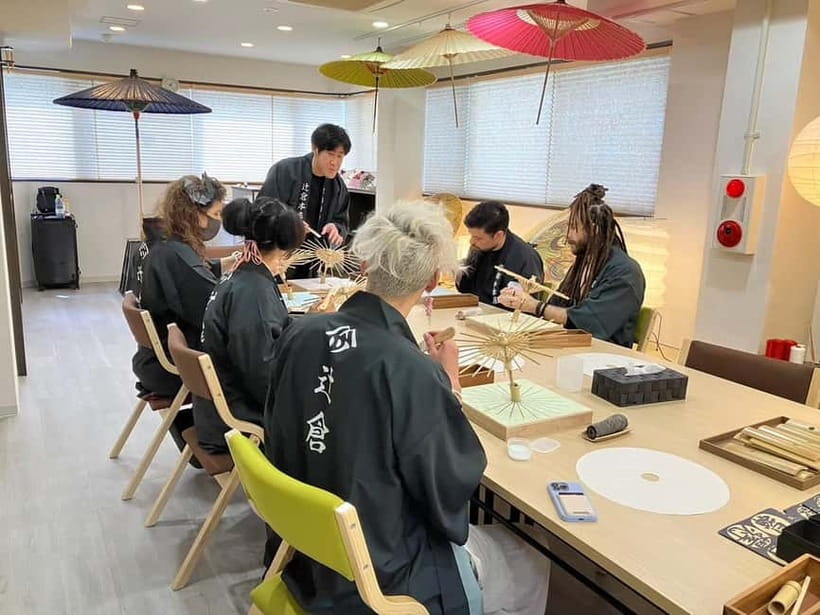
The workshop has basic rules: no smoking, and no alcohol or drugs, and no explosive substances. That is standard for indoor crafting, and it keeps the room comfortable.
Safety and comfort are part of the plan. The activity is listed as wheelchair accessible, which is a strong point for Kyoto, where older neighborhoods can be tricky. If accessibility matters for you, this is worth considering.
Age limits are also clearly stated: the class is not suitable for children under 6. Still, one account notes the team was accommodating for a group that included younger kids, even though that younger age is outside the usual guidance. If you are traveling with children, I recommend checking directly what the day’s setup can handle.
You should also know there is an optional upgrade. If you want the umbrella to look extra refined, you can choose a craftsman to add finishing touches for an additional fee. That is a nice option if you care about the final aesthetic.
Where to fit this into your Kyoto day
Because the location is near Shijo Kawaramachi, you can plan this in a simple way. Do a shopping loop in the area first, then come to the workshop when your feet need a rest. The class is calm, detailed, and seated for most of the time, so it works well as a mid-day reset.
This timing also helps with travel logistics. You are close to transit corridors and food options. If your umbrella is done and boxed, you can handle the rest of the day without worrying about fragile craft materials.
Should you book this Kyoto mini umbrella workshop?
Book it if you want an activity that feels genuinely cultural, but not complicated. This is hands-on craft with clear steps, patient instruction, and a take-home item that actually looks like art. The mini wagasa also makes a strong gift, especially because the workshop frames it as a symbol of happiness.
Skip it if you dislike detail work or you want something purely passive. Umbrella-making requires focus, and the mini size means you will pay attention to fine assembly.
FAQ
FAQ
How long is the Kyoto traditional mini umbrella making workshop?
The workshop lasts 90 minutes.
What is the price per person?
The price is $70 per person.
Where is the meeting point in Kyoto?
The workshop is in central Kyoto, about 2 minutes’ walk north from Shijo Kawaramachi.
What umbrella will I make?
You will craft your own mini Japanese umbrella, described as a Hime Wagasa.
What is included with the class?
Included materials cover crafting your umbrella, and you also receive a bamboo umbrella stand, plus a decorative box and carry bag.
What languages are offered during the workshop?
Instruction is provided in Japanese and English.
Is the workshop wheelchair accessible, and is it suitable for kids?
It is wheelchair accessible. It is listed as not suitable for children under 6.
Can I cancel and get a full refund?
Yes. You can cancel up to 24 hours in advance for a full refund.
Is there an option to add extra finishing touches?
Yes. You can opt for a craftsman to add finishing touches for an additional fee.
More Workshops & Classes in Kyoto

More Tour Reviews in Kyoto


Not for you? Here's more nearby things to do in Kyoto we have reviewed











Workshops, compared.
 ★ 4.345-Minute Tea Ceremony Lesson ExperienceFrom $222,378 reviews
 ★ 5.0Ramen Cooking Class at Ramen Factory in KyotoFrom $1311,937 reviews
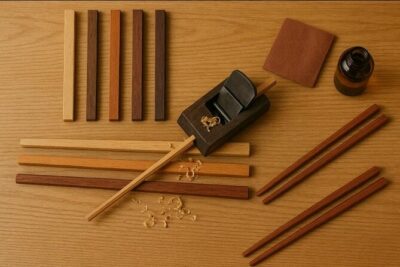 ★ 5.0Chopsticks Making Workshop in Gion with Engraving OptionFrom $15958 reviews
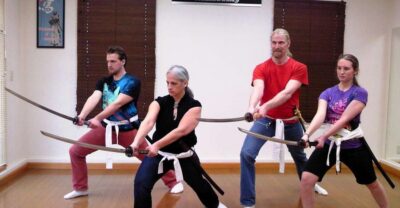 ★ 4.9Samurai Sword Class by Experts in Traditional ArtsFrom $64657 reviews
 ★ 4.9Ramen Cooking Class at a Ramen Factory with SouvenirFrom $127532 reviews
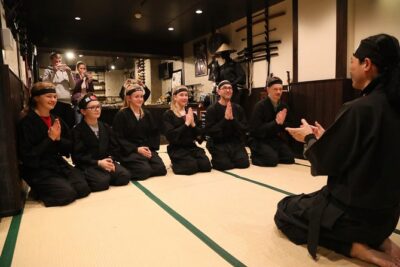 ★ 5.0Ninja 1-hour Hands-on Lesson by Japanese master in Kyoto -EntryFrom $80489 reviews
 ★ 5.0Ramen, Gyoza, and Onigiri Cooking ClassFrom $90445 reviews
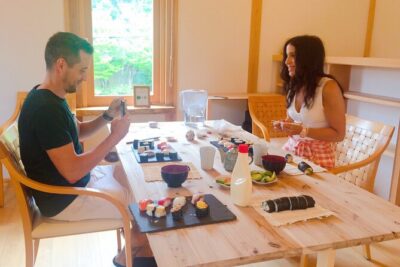 ★ 5.0The Original Small-Group Sushi Making Class in KyotoFrom $69436 reviews
Browse the lists this tour appears in