
Reviewed · KYOTO CRAFT & CALLIGRAPHY WORKSHOPS
Kyoto: Traditional Yuzen Dyeing Experience
Yuzen dyeing turns Kyoto into color. In Kyoto’s Nishijin district, you work inside a real machiya townhouse and paint a design onto silk using traditional Kyoto Yuzen methods. I especially love the tight, small group feel, and I love how the artisan handles the hard part, color-mixing, so your choices still land in a harmonious palette. The main drawback is simple but real: you’ll need clothes you don’t mind getting stained, and you should be comfortable sitting on the floor for the full session.
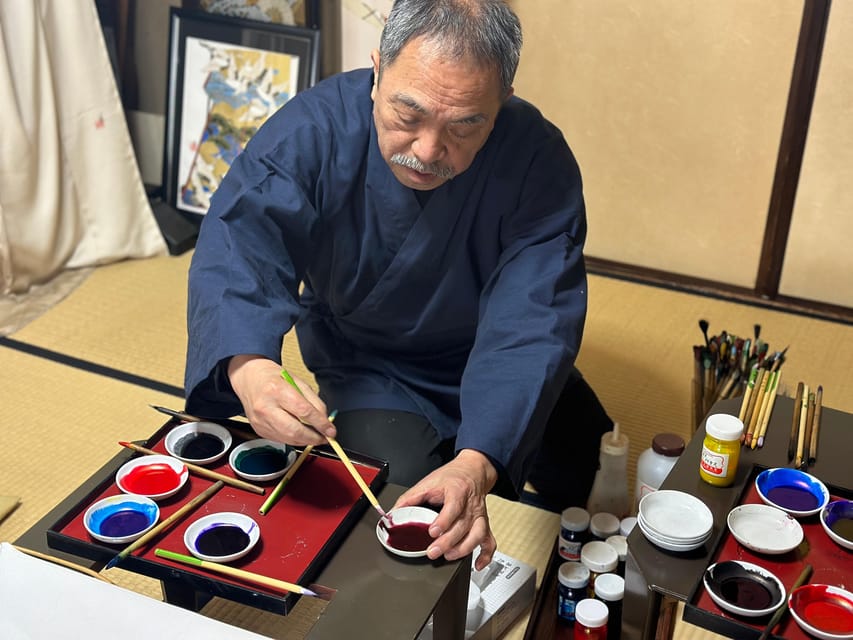
This class is hands-on, but it’s not chaotic. You start by choosing one or two colors you like, then the artisan builds the rest of the shades around them, guiding you stroke by stroke. In at least one session, the artisan was Master Shin’Ichiro, with interpreter Ha helping explain what to do and translating during your work, including tips that make the color turn out right on silk.
If you want a rushed factory craft where you just copy a pattern, this probably won’t feel satisfying. If you like slow, careful work, calm focus, and learning a craft you can explain to friends later, it’s a great use of your Kyoto time.
Key things you’ll notice right away
- A real machiya setting in Nishijin, not a classroom feel, with an artisan-run home workshop vibe
- English or Chinese interpretation so you’re not guessing what matters most
- You choose colors first, then the artisan builds a balanced palette around your picks
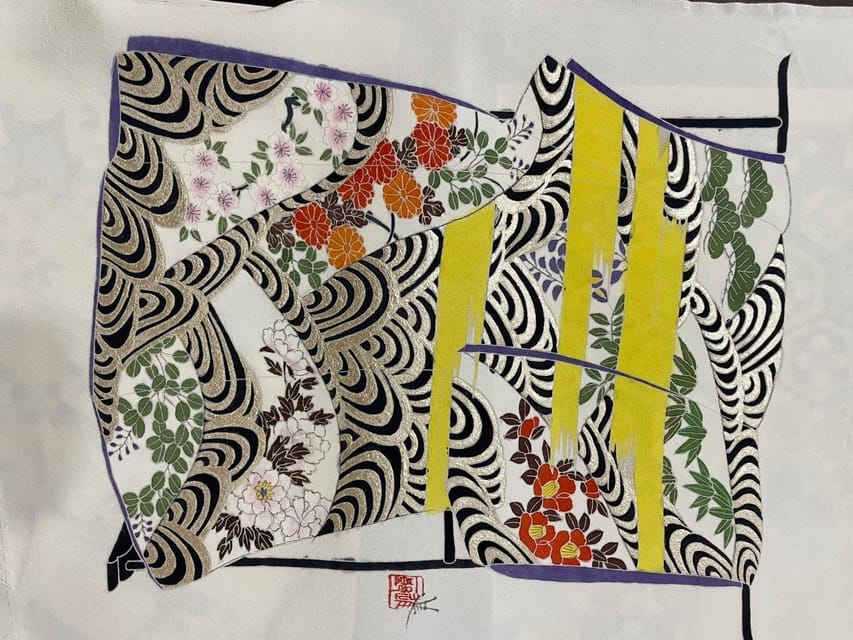
- Pre-made designs with gold outlines, so you paint within the boundaries instead of starting from scratch
- Color consistency coaching, including what happens if you load your brush too heavily
- A small group cap of 6, which keeps attention personal and the pace unhurried
Inside Kyoto Nishijin: why the machiya matters
Kyoto Yuzen is famous for its refined look, but the place you do it changes how the art lands. Here, the experience takes place in a traditional machiya townhouse in the Nishijin district, and that alone helps you slow down. It’s the kind of setting where you can actually focus on small details, like the way dye spreads, or how a color shifts as it settles into silk.
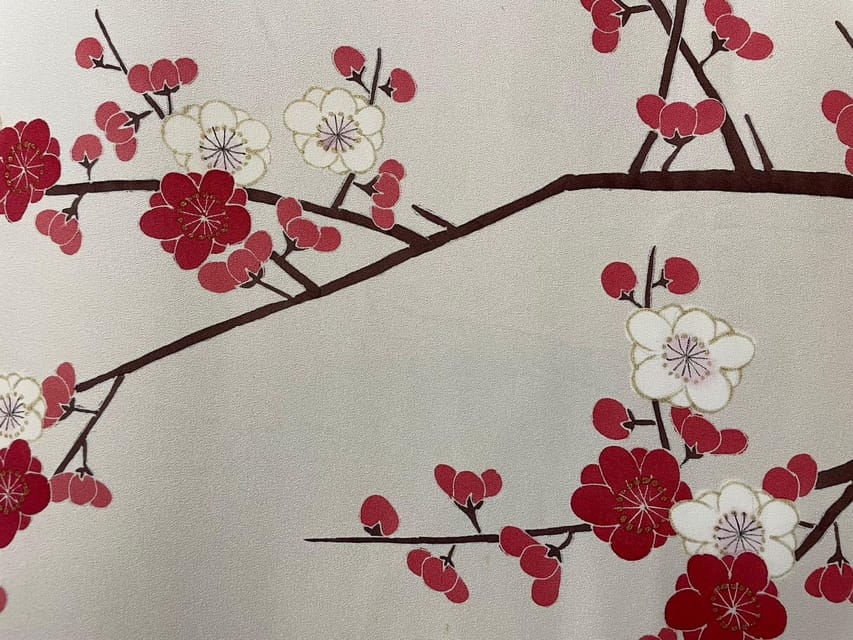
The workshop is intimate because it’s run from an artisan’s own home-style space, not a big retail studio. That means you’re surrounded by works of Kyoto Yuzen dyeing, and you get to see the craft in context, including a display of finished pieces. It also helps explain why the class is limited to a small group of up to 6 people, since the artisan needs time to teach you properly.
You can also read our reviews of more tours and experiences in Kyoto.

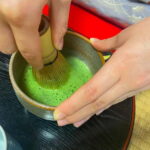
What Yuzen dyeing feels like: color, control, and patience
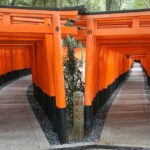
Yuzen dyeing has a reputation for being detailed, but your experience here stays approachable. You won’t be asked to invent a design from nothing. Instead, you work with a prepared concept and apply dye in a controlled way, guided by the artisan.
A key part is choosing your colors. You pick one or two colors that appeal to you, and then the artisan suggests the remaining tones so the whole piece looks balanced. In practice, that means you’re not stuck with a random palette. You get your preferences respected, while the artisan steers the result toward that classic Kyoto look.
You’ll also get guidance on technique while you paint. One practical tip that comes up in this kind of class is brush loading: if you over-load the brush, the dye can bleed outside the intended lines. The instructor helps you adjust so the color stays where you want it.
Choosing your design: phoenixes, cranes, and more
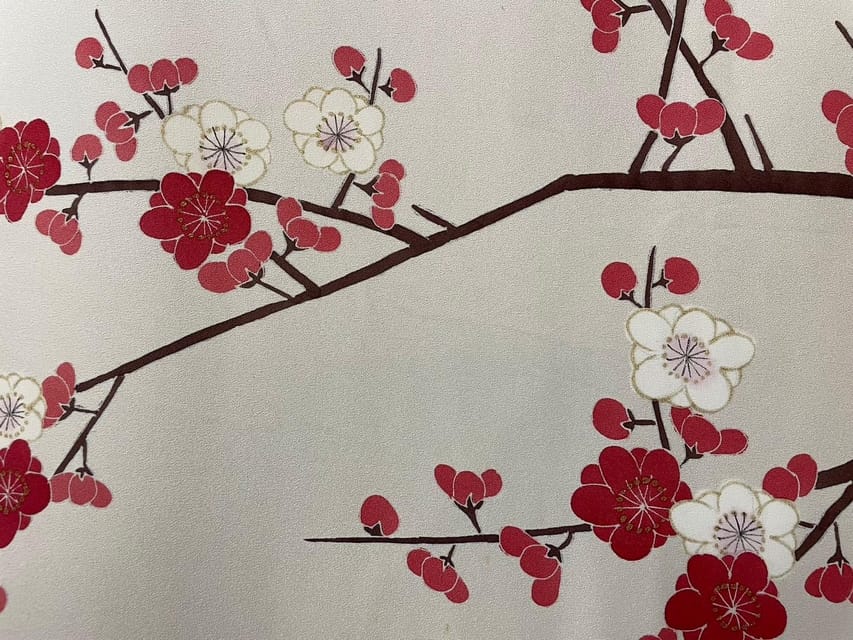
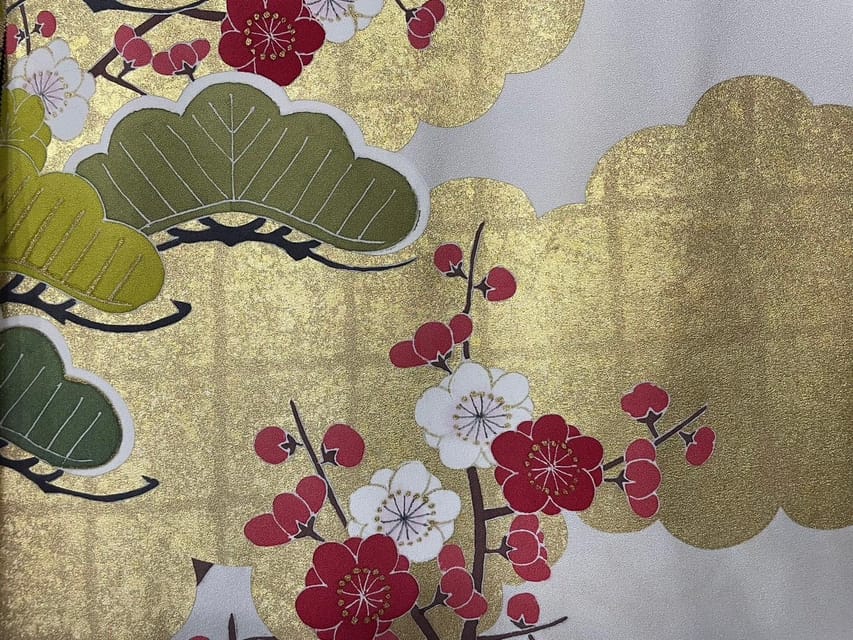
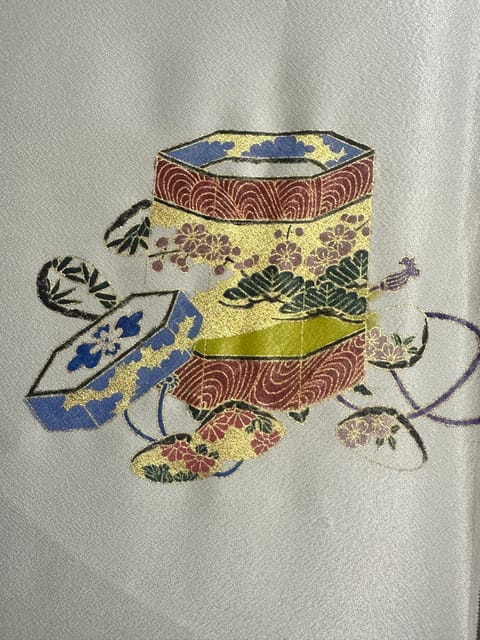
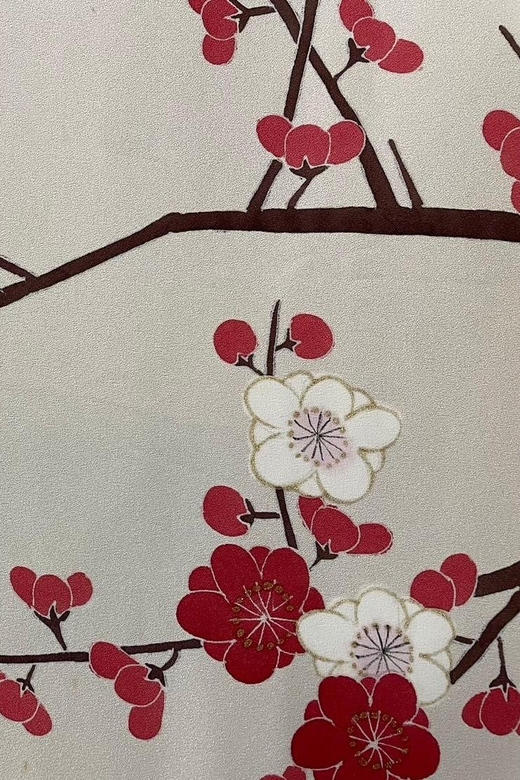
You’ll choose from pre-made designs that are already set up on the fabric. In more than one session, popular motifs include a phoenix, and you may also see options such as cranes or fans. The fabric typically comes with golden outlines of your selected design, so your job is to add color within those boundaries.
One useful heads-up: design variety may feel limited. For example, there was at least one recent session where there were only three design choices. That doesn’t make the class bad, but it does mean you should decide based on motif preference, not hope for a huge menu.
If you want a meaningful souvenir, try picking something that matches your taste. Even if you feel unsure, the artisan can nudge your decisions using your color preferences. More than one participant noted that suggestions were helpful for achieving a harmonious final palette.
From consultation to dyeing: the color palette moment
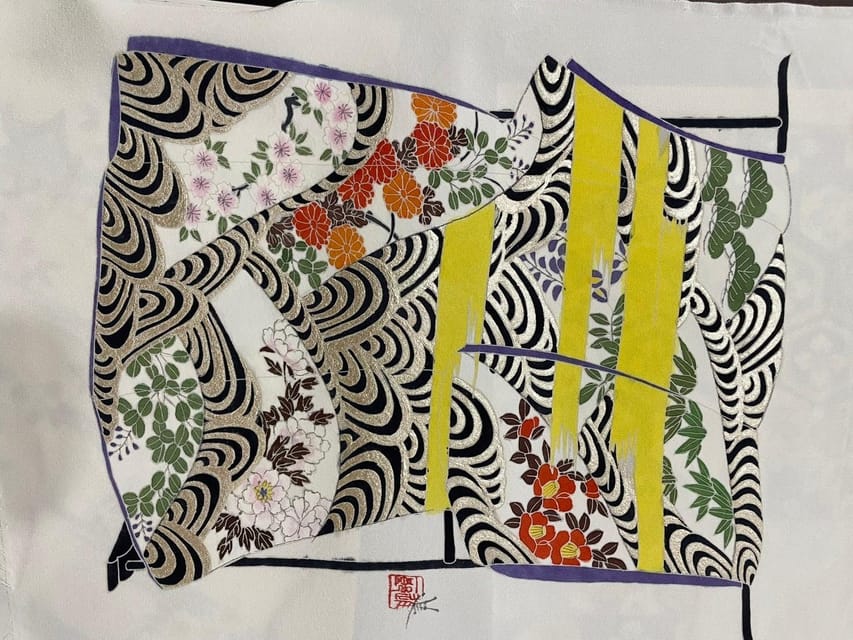
This is where the class becomes more than just DIY. The workshop teaches you that Yuzen isn’t only about painting. It’s about choosing tones that sit well together on silk.
You start by selecting one or two colors you like. Then the artisan selects the remaining tones and mixes them for you. In a session guided by Master Shin’Ichiro, the mixing happened in front of participants, and the guidance focused on getting the right concentration and shade for the look on fabric. That matters, because dye on silk behaves differently than dye on paper or cotton.
Interpreter help also makes a big difference here. With Ha translating, you’re more likely to catch the “why” behind the technique, not just the “what.” That kind of clarity helps you make small adjustments while you work, and those adjustments are what separate a decent result from a really beautiful piece.
How the 2 hours play out, step by step
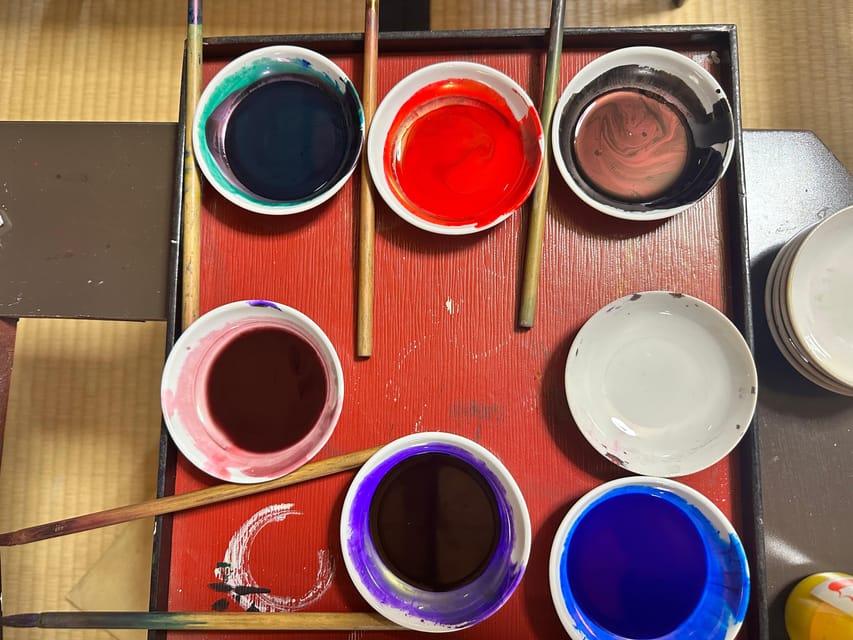
This experience runs for 2 hours, and it’s paced like a real craft workshop, not a stopwatch class. The exact flow can vary a bit, but the core steps are consistent.
First, you settle in and receive guidance on the process, including what tools and materials you’ll use. Then you choose your colors and, depending on the setup, your design. The fabric is already prepared with golden outlines of your chosen artwork, which simplifies the first part and lets you focus on painting and color placement.
Next comes the dyeing. The artisan guides you as you paint stamped and outlined areas using the Yuzen method. You’re not left alone with a brush. You’ll get feedback as you go, including practical coaching to prevent bleeding and keep your strokes controlled.
Finally, you finish the piece and take it home as a finished souvenir. In the class format, the work is prepared for you to leave with usable results, including an ironing step mentioned in participant accounts to help set and dry the dye. You’ll also see a display of Kyoto Yuzen works during the session, which helps you connect what you’re making to the broader craft tradition.
A timing note: the class may run over by a bit in some cases, and the artisan may allow extra time if things are going well. Still, plan to stay present and not rush your own pace.
Your take-home silk: what makes it worth $161
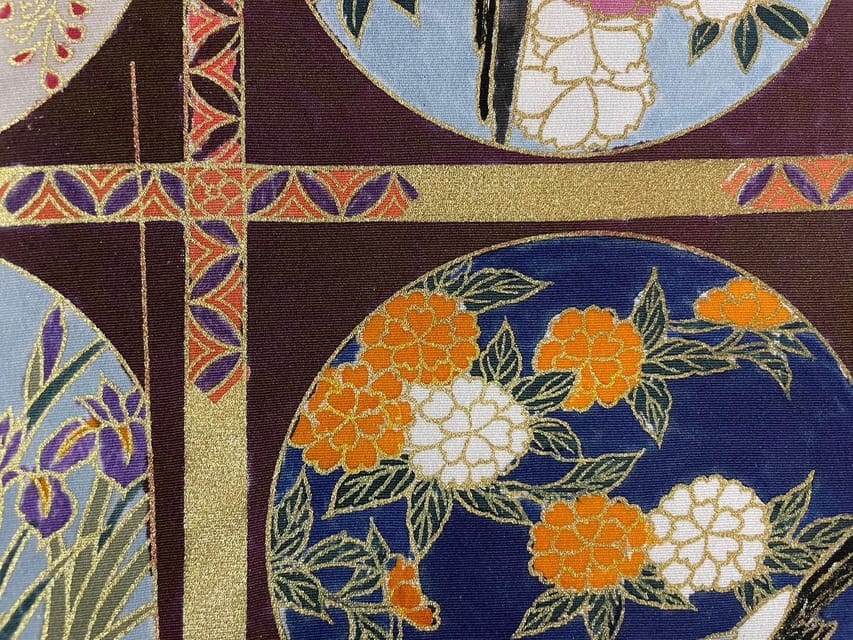
At $161 per person, this isn’t a cheap souvenir, so let’s talk value honestly. You’re paying for three things: a master-guided craft lesson, a high-end medium (silk), and a finished piece you can take home.
The artisan is not handing you a kit and walking away. You get direct instruction, color selection help, and technique coaching while you’re working. That’s the real cost driver. If you’ve ever tried to learn dyeing from generic online instructions, you know the tricky part is getting the color behavior right on the actual fabric.
You’re also leaving with something personal. Your artwork reflects your color choices, and even if you use the artisan’s suggestions for harmony, the piece still feels like yours. One of the most common reactions to experiences like this is that the finished silk becomes something you want to keep, not something you tuck away.
Also, you’re supporting a local craft style that requires specialized skill. The class frames the process as preserving the art form, and that’s part of what makes the souvenir feel earned.
Not included: you’ll handle transportation to and from the meeting point on your own. If you want additional works from the artisan, that’s not part of the base price and would be paid separately by cash or other on-site arrangements, depending on how the artisan offers pieces.
Small group teaching: why the attention feels different
A group size capped at 6 people changes your whole experience. You’re not competing for attention, and the artisan can correct technique as you go. That matters for dyeing, because tiny differences can affect the final look on silk.
The calm atmosphere also helps. Several participants described it as relaxing and meditative, partly because the session has a slower rhythm. When you’re painting carefully, you’re naturally less hurried, and the craft demands focus. If you want a Kyoto activity that’s not crowded, this is one of the better options.
There’s also a cultural element beyond the art itself. You’re inside a traditional home setting and watching the master’s process. That’s not just aesthetic. It shows you how the craft lives in daily practice, which you cannot easily replicate in a standard tourist shop.
Practical tips that will make your session smoother
Here’s what I’d do to set yourself up for success based on the practical guidance built into the class format.
First, wear comfortable clothes that you don’t mind getting dye on. Even if the process is controlled, the nature of dye work means you should protect yourself from accidental stains.
Second, consider how long you’ll sit and work. The class involves floor seating for the 2-hour session, so it’s not ideal if you struggle with sitting on the floor.
Third, let the organizer know about allergies or sensitivities. The experience may involve chemicals, and it’s important to flag anything relevant ahead of time.
Fourth, skip party-style behavior. Alcohol and drugs are not allowed, and party groups are not permitted. The workshop is meant to be calm and respectful of the craft.
Finally, plan around time and attention. If you’re the type who gets tense when things run over, try to arrive with buffer time and a relaxed mindset.
Who should book this Kyoto Yuzen dyeing class
This experience is best for you if you want a hands-on craft lesson with real guidance. It’s a strong fit for art lovers, hobbyists, and anyone who likes the idea of learning a traditional technique and taking home a meaningful work.
It’s also a great choice if you want something more intimate than a big sightseeing loop. The small group size and the machiya setting make the experience feel personal without being gimmicky.
You might want to skip it if you need a high-energy, constantly moving itinerary. This is slow work, focused work. Also, it’s not suitable for children under 10 or babies under 1, based on the class guidelines.
Should you book Kyoto Yuzen dyeing in Nishijin?
Book it if you want a Kyoto souvenir that isn’t mass produced, and you want to understand the craft behind the beauty. The combination of silk, artisan instruction, and color coaching makes the price feel more reasonable than it first appears. In a short 2 hours, you’ll leave with a tangible piece of Kyoto Yuzen art that reflects both the master’s sensibility and your color choices.
Skip it if you cannot sit comfortably for the duration, or if the idea of dye and possible chemical use makes you uneasy. And if you’re expecting a huge design catalog, remember that options can be limited, and you’ll likely choose from a small set of prepared motifs.
If you want flexibility, there is free cancellation up to 3 days in advance for a full refund. That gives you room to decide once your Kyoto schedule firms up.
If your travel style includes craft, quiet attention, and learning something you can point to years later, this is a class worth booking.
More Tour Reviews in Kyoto
Not for you? Here's more nearby things to do in Kyoto we have reviewed





Kyoto Craft & Calligraphy Workshops, compared.
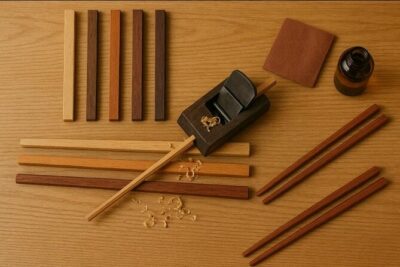 ★ 5.0Chopsticks Making Workshop in Gion with Engraving OptionFrom $15958 reviews
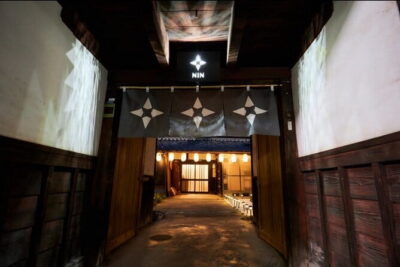 ★ 4.8Authentic knife making experience at a blacksmith in KyotoFrom $154350 reviews
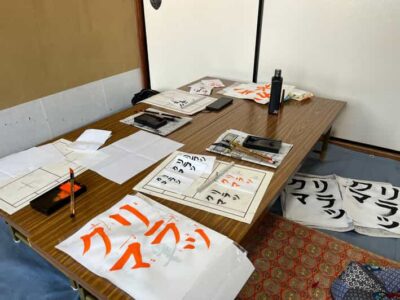 ★ 5.0Calligraphy class at Buddhist temple in city centerFrom $55167 reviews
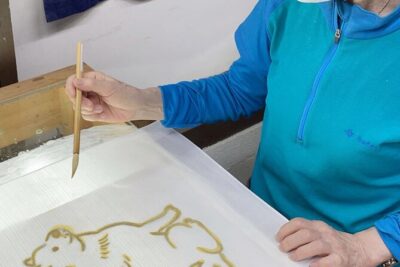 ★ 5.0Roketsu dyeing experience: M course Roketsu Dyeing ExperienceFrom $25163 reviews
 ★ 4.9Japanese Archery Workshop with Experienced InstructorFrom $38132 reviews
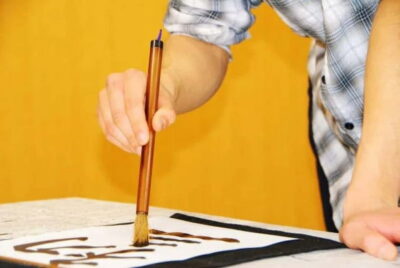 ★ 4.8Japanese Calligraphy ClassFrom $5189 reviews
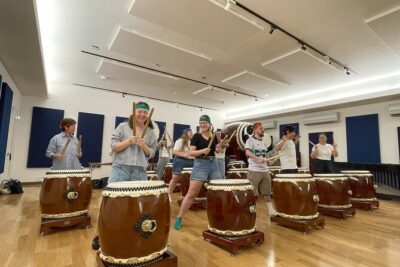 ★ 5.0TAIKO, Japanese Drum Experience from KyotoFrom $11586 reviews
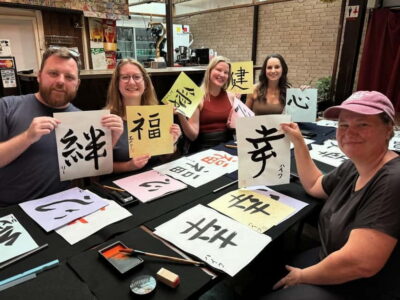 ★ 4.7Japanese Calligraphy WorkshopFrom $3284 reviews
Browse the lists this tour appears in