
Reviewed · KYOTO CRAFT & CALLIGRAPHY WORKSHOPS
Let’s make only one original onigawara in the world!!
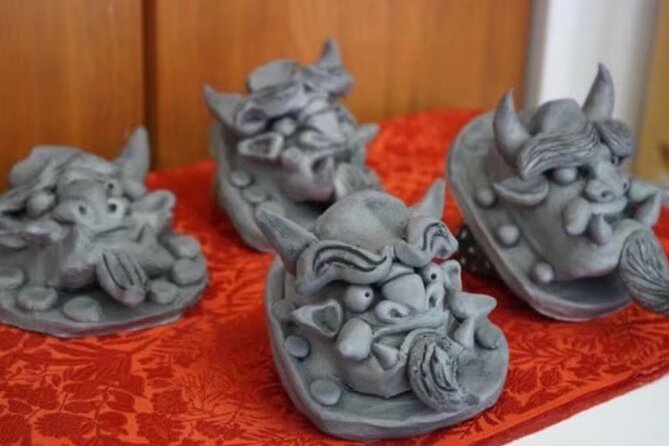
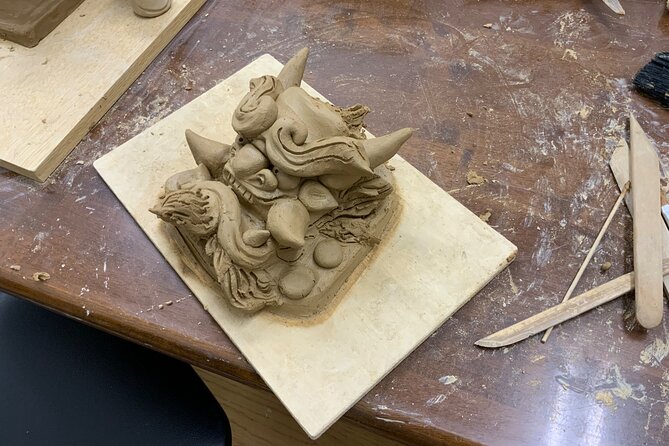
Ogre roof tiles feel weirdly personal. In Mr. Yuya’s Kawarakoubouyouya workshop, you shape a demon-faced tile from soil and learn how this old roof-guardian tradition protects homes. I especially love the step-by-step hands-on coaching and the satisfaction of building your own tiny monster face.
Just plan for one key timing detail, you do not leave with the finished tile. Your onigawara is fired at the kiln, and after 1 to 2 months it changes to the traditional silver color and then ships to your home, with shipping paid separately.
Key Things That Make This Onigawara Workshop Special
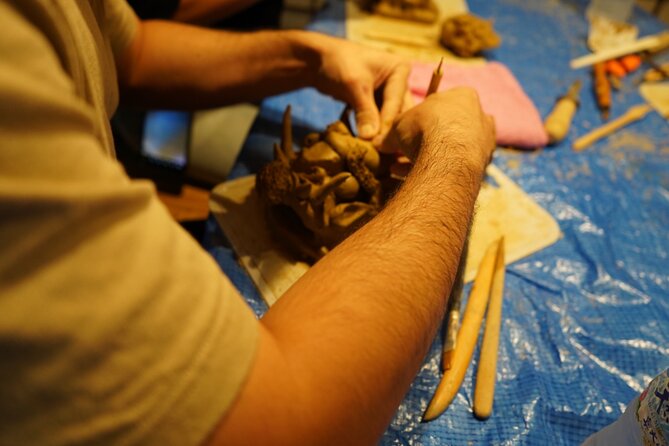
- You make your own hand-built kawara style demon face tile, not just watch
- Mr. Yuya teaches by procedure, so even clumsy hands can manage
- Soil and symbolism matter, you start from a lump of earth and create a protective figure
- Kiln firing happens after class, so your work becomes real ceramic roof-tile material
- Small group of up to 5 people, meaning more personal attention and slower pacing
- Your tile takes time, it turns silver after 1 to 2 months and then arrives by parcel
Kyoto Roof Protection, Made With Your Own Hands
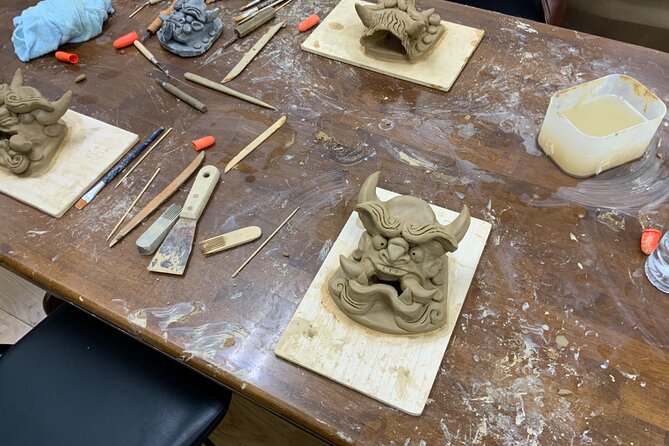
Onigawara are roof tiles with fearless faces carved into them. They are typically placed along the edges of the main roof ridge, where they have protected buildings from evil and rainwater for centuries. In this workshop, you get to make a small version of that tradition, using the same kind of demon-faced style that people associate with Japanese roof guardians.
I love how this experience turns “history” into something tactile. You are not just learning a story, you are sculpting a symbol that ancestors used in their everyday architecture. It is a rare craft where the process feels spiritual and practical at the same time, the soil becomes a protective tile.
Mr. Yuya runs the class at Kawarakoubouyouya, and the vibe is calm and focused. Reviews consistently point out how patient and encouraging the teaching is, with a pace that keeps you moving step by step without rushing. If you want a break from sightseeing crowds and bus schedules, this is a hands-on detour that still feels deeply Japanese.
One more reason this works so well in Kyoto trips: it gives you a souvenir that is personal. A store-bought onigawara is nice, but a tile you shaped with your own hands has a different weight, almost like you are sending a piece of your time back to your future home.
You can also read our reviews of more tours and experiences in Kyoto.

The 2-Hour Workshop Flow, From Soil to Ogre Face
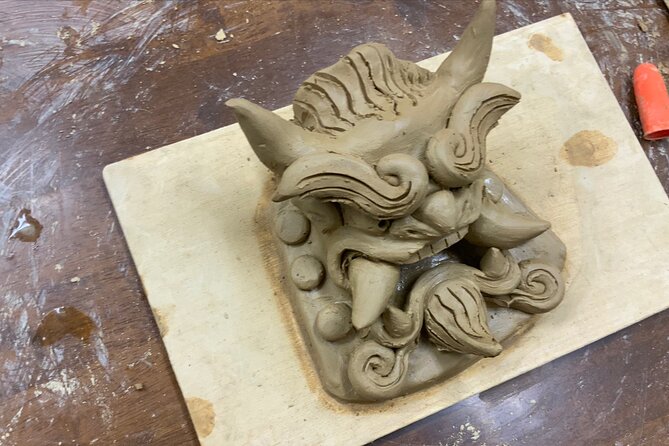
The class lasts about 2 hours, and you spend that time building your own small, simple onigawara tile. You start with soil, and the instructor guides you through making the basic demon face form in a way that is accessible. Onigawara were traditionally difficult to create, but the workshop focuses on a developed procedure meant to make results achievable.
Expect a working station set up for each person. Clay and tools are ready, and Mr. Yuya talks you through how to handle the material, how to shape parts, and how to assemble the face pieces correctly. People who join with kids or little craft confidence generally find this approach reassuring, because the method is taught in clear stages.
Here is what your attention is really on during the hands-on time. You are not just carving a face, you are building the tile’s identity through placement and connection of the parts. That is why step-by-step guidance matters, a small adjustment in how pieces meet can change how the final face looks once it becomes ceramic.
The most memorable moment is usually the transition from separate bits to a recognizable demon face. When you put the pieces together and see the full look form, the experience clicks. It is hard to fake that feeling, and it is why this workshop gets so much love.
Also, you should wear clothes that can take a little soil. The experience uses earth-based material, and you will get messy. Bring something you are comfortable ruining a bit, or plan to change after.
The Meaning Behind Onigawara, Beyond the Face
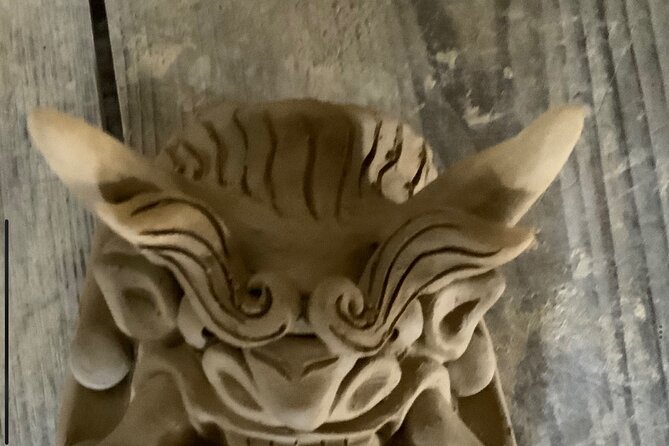
Onigawara are often described through their function and their imagery. They are part of Japanese roof culture, placed where they can handle weather and help ward off bad luck. The carved “fearless faces of ogres and gargoyles” are not random decoration, they are part of a long-running belief system tied to shelter and protection.
In this workshop, the symbolism is mentioned in a way that helps you connect with what you are making. You are working from a lump of soil, and the experience presents the idea that a kind of spirit is gradually infused into what you form. Whether you take that literally or just as meaningful craft storytelling, it adds focus. You slow down and treat the tile like more than a craft project.
For me, that meaning is what makes the workshop more satisfying than a typical souvenir making class. You are producing something with an actual cultural role, even if it is a small version. Afterward, when you think of onigawara on real roofs, you will understand the face shapes differently, because you know how those shapes are made and assembled.
If you like cultural crafts where technique and story work together, this is a strong match. If you only care about speed, you may find yourself wanting to do things exactly right, which is a good problem to have in a relaxed setting.
Kiln Firing and the Silver Color Wait
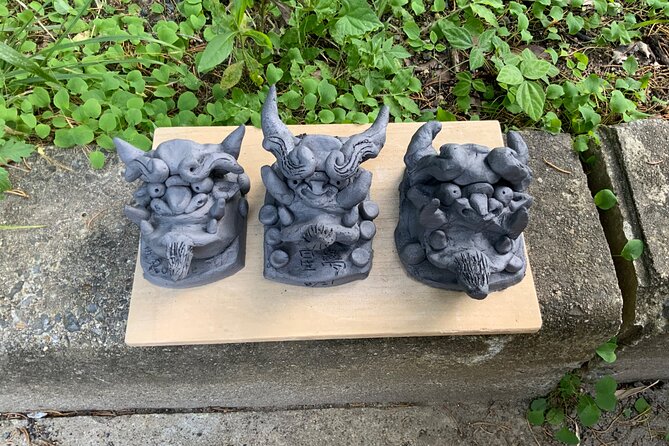
Here is the key practical detail, your tile does not finish instantly. After your onigawara is made, it gets fired in a kiln at the factory. That happens after the class, so your job during the workshop is to shape and assemble correctly, then hand it off for the next stage.
The payoff comes later. The highlight promise is that after about 1 to 2 months, your onigawara will change to the traditional silver color and it will arrive as a parcel. That means you are essentially commissioning a finished craft object, with the kiln and color transformation as part of the service.
This is also where patience becomes part of the experience. You will not have that dramatic before and after moment the same day. Instead, you get a delayed reveal, and that can be surprisingly fun if you like anticipating mail.
Two more things to keep in mind. First, kiln firing is part of why this feels authentic, because it is not just air-dried craft. Second, you are responsible for shipping costs, which brings us to the value question.
Price and Value, Is It Worth $90?
At $90 per person for a 2-hour session, the price is not cheap in the way that some quick crafts are. But it is also not just a craft tutorial you forget after. You are paying for instruction, hands-on shaping time, and the real finishing step, kiln firing.
The workshop also runs with a small group limit of 5, which usually means more attention per person. For craft classes, that matters because getting parts to connect and look right is hard to do without guidance.
Shipping is the one cost you should plan for separately. The workshop notes that only the shipping fee is charged separately on the day. After firing, they send your tile to your home, so shipping is not baked into the base price.
So, here is the value logic I would use. If you want a one-time cultural craft that produces a meaningful ceramic roof-tile style object, this price can feel fair. If you want a quick souvenir you can hold immediately, the delayed arrival makes it less ideal.
One final value point, this is a chance to make something that feels like it belongs in your home. When the silver color shows up later, you will get a durable piece that carries your effort, not a paper craft you finish and toss.



Getting to Kawarakoubouyouya Without Stress
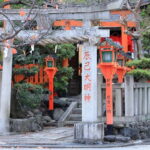
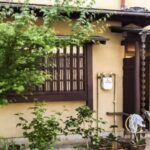
You meet at KAWARAKOUBOUYOUYA, which is described as the shop. The guidance is to search for it on Google Maps.
One practical heads-up that helps on arrival: the location pin in Google Maps can be off by about 40 meters to the west, meaning you may need to walk a little back toward the correct spot. That is easy to handle, but it is worth knowing so you do not waste time.
Plan to arrive a few minutes early. Even with a short 2-hour workshop, you want a buffer to find the entrance and get settled before clay starts flying.
Also, think about what you bring. Since you are working with soil, keep your phone and valuables protected. You will likely be fully focused on shaping the demon face, and the last thing you want is stress about protecting gear while your hands are busy.
Who This Workshop Suits Best
This is a great fit if you want a more quiet, hands-on Kyoto activity. The class is described as suitable for different ages, and the teaching approach is designed for people with clumsy hands. That matters, because onigawara can sound intimidating when you first hear the word “tile” and “demon face.”
It is also ideal if you want something authentic without needing advanced skills. You do not need to arrive with carving experience. Mr. Yuya’s approach is built around a developed procedure, so you get a clear path to a finished result.
If you are traveling with children, the workshop is set up to be friendly to them, as long as they can participate in clay handling and assembly. The small group size also tends to make it easier for kids to stay engaged.
Couples and solo travelers can also enjoy this. The class format leaves space for conversation, and several people highlight how warm the atmosphere feels, including friendly chatting while you work.
If you have limited tolerance for waiting on deliverables, consider the delayed timeline. You will be commissioning a finished piece that arrives later after color changes, not a take-home tile that night.
What You Take Home, and What You Wait For
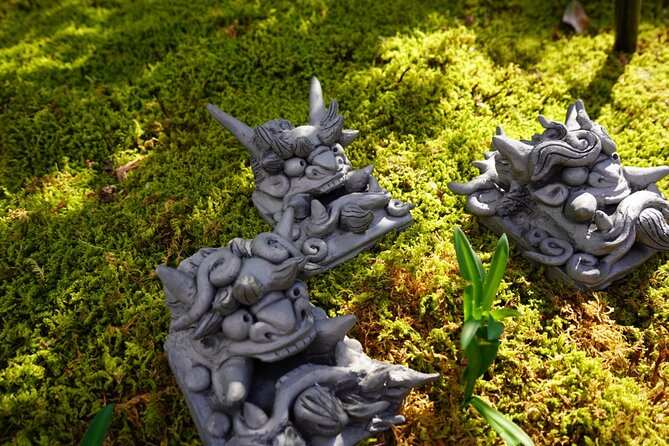
Your finished onigawara becomes a real ceramic tile after firing. You do not take the fired and colored version home the day of the class, but you do get the certainty that it will be completed and sent.
The highlight detail is important: after 1 to 2 months, it changes to the traditional silver color and arrives by parcel. So your “take home” is both delayed and meaningful.
Shipping is handled after the firing step. Only the shipping fee is paid separately on the day, so you should plan cash or a card that works in Japan for that payment. After firing, they will send it to your home.
If you like souvenirs that feel like a story, this is a good match. You will remember the making session while you wait, and then the silver color arrival can feel like a second chapter to the trip.
Should You Book This Onigawara Experience?
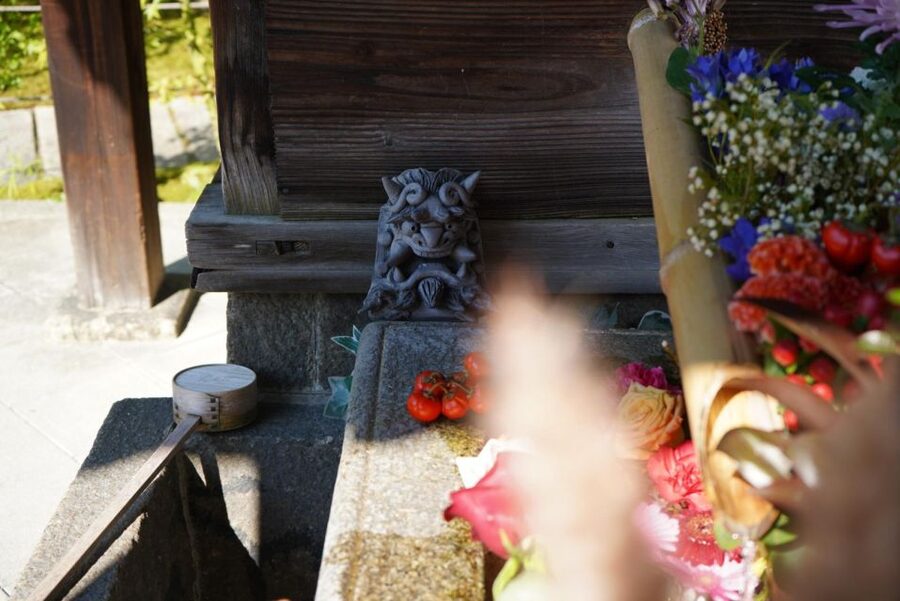
Yes, if you want a hands-on cultural craft with real technique behind it. This workshop gives you more than a picture moment. You build a demon-faced roof tile guardian in a guided way, then your piece is kiln fired and finished into the traditional look.
Book it if:
- You enjoy creative activities where the process matters
- You want something genuinely Japanese and symbolic for your home
- You value patient, step-by-step teaching in a small group setting
- You do not mind a delayed delivery in exchange for a durable, finished tile
Skip it or reconsider if:
- You need a finished item immediately for a gift or display
- You do not want to think about shipping costs beyond the workshop price
- You are uncomfortable with soil work and dirty clothes, because the experience uses earth material
FAQ
How long does the onigawara workshop last?
The experience lasts about 2 hours.
How much does it cost?
The price is listed as $90 per person.
Where do we meet for the class?
You meet at KAWARAKOUBOUYOUYA, which is the host shop. Search for it on Google Maps.
Is the group small?
Yes. The workshop is limited to a small group, up to 5 participants.
What languages are spoken during the class?
The host or greeter speaks English and Japanese.
Do I get the finished tile the same day?
No. After your onigawara is made, it is fired at the kiln, and then it is sent to your home. It is expected to change to a traditional silver color after 1 to 2 months and arrive after that.
Is shipping included in the price?
Shipping is not included in the base price. A shipping fee is charged separately on the day.
What should I wear?
This experience uses soil, so wear clothes that may get dirty.
Do I need any prior experience to make onigawara?
No. The experience notes that onigawara is originally difficult, but the host uses a procedure so anyone can make an onigawara.
Is the workshop wheelchair accessible?
Yes, it is listed as wheelchair accessible.
More Tour Reviews in Kyoto
Not for you? Here's more nearby things to do in Kyoto we have reviewed




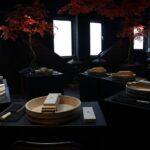





Kyoto Craft & Calligraphy Workshops, compared.
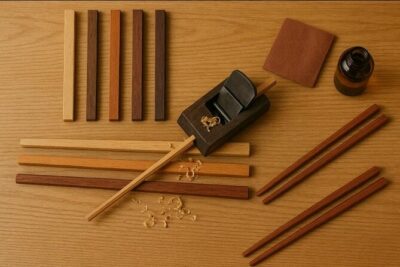 ★ 5.0Chopsticks Making Workshop in Gion with Engraving OptionFrom $15958 reviews
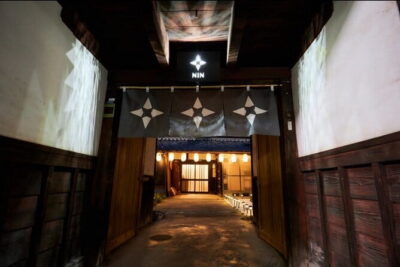 ★ 4.8Authentic knife making experience at a blacksmith in KyotoFrom $154350 reviews
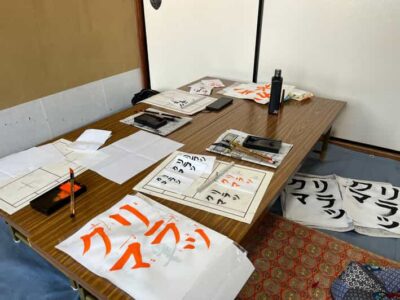 ★ 5.0Calligraphy class at Buddhist temple in city centerFrom $55167 reviews
 ★ 5.0Roketsu dyeing experience: M course Roketsu Dyeing ExperienceFrom $25163 reviews
 ★ 4.9Japanese Archery Workshop with Experienced InstructorFrom $38132 reviews
 ★ 4.8Japanese Calligraphy ClassFrom $5189 reviews
 ★ 5.0TAIKO, Japanese Drum Experience from KyotoFrom $11586 reviews
 ★ 4.7Japanese Calligraphy WorkshopFrom $3284 reviews
Browse the lists this tour appears in