
Reviewed · KYOTO COOKING CLASSES
Making Fresh To-fu from soybeans in Kyoto
Tofu sounds simple until you make it. In this Kyoto masterclass, you learn how soybeans become fresh tofu, then taste it in the same session, including soymilk and oboro-dofu made during the process. It is hands-on, small-group, and very focused on the Japanese way of eating tofu.
I especially like two things: you get the real before-you-eat education (soybean differences, how tofu is made, and how it is eaten in Japan), and you also get multiple tastes of what you made, not just a single sample. One possible drawback is that this is a compact, small-space workshop, so it is not the kind of experience where you wander around a huge facility.
Key Highlights You Will Actually Care About
- Hands-on tofu making from soybeans, with tasting right after it is made
- Soya milk and oboro-dofu included, both tied to the production process
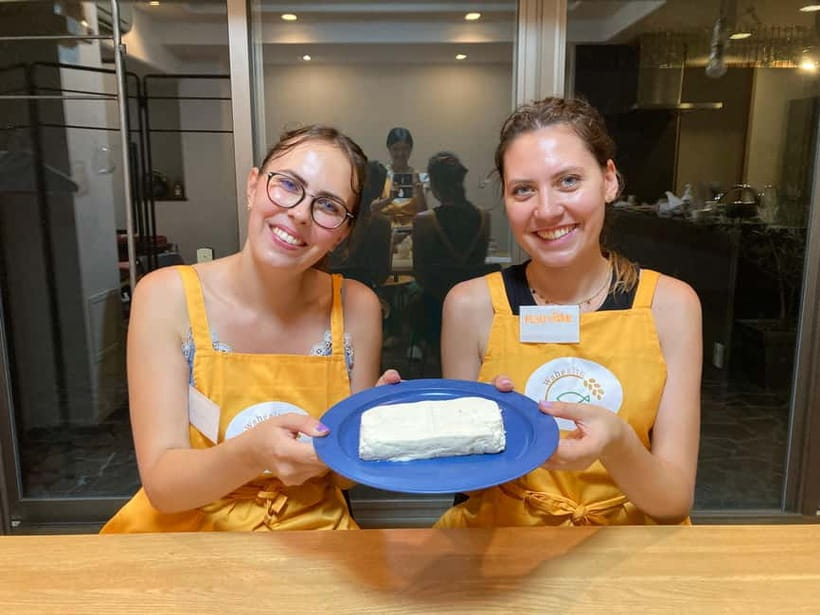
- Four different tofu dishes made with your batch, so you eat your learning
- Small group up to 6, which makes questions and explanations easier
- Easy location near Shijo Station or Karasuma Station with about a 10-minute walk
Kyoto Tofu, Made From Soybeans: The Real Point of This Class
If you have tried tofu in other countries, you already know the surprise. Japanese tofu is typically different in hardness and flavor, and here it is often eaten as is (especially chilled tofu) or used in things like miso soup. This class is designed to connect those dots in your mouth, so you understand why Japanese tofu feels different.
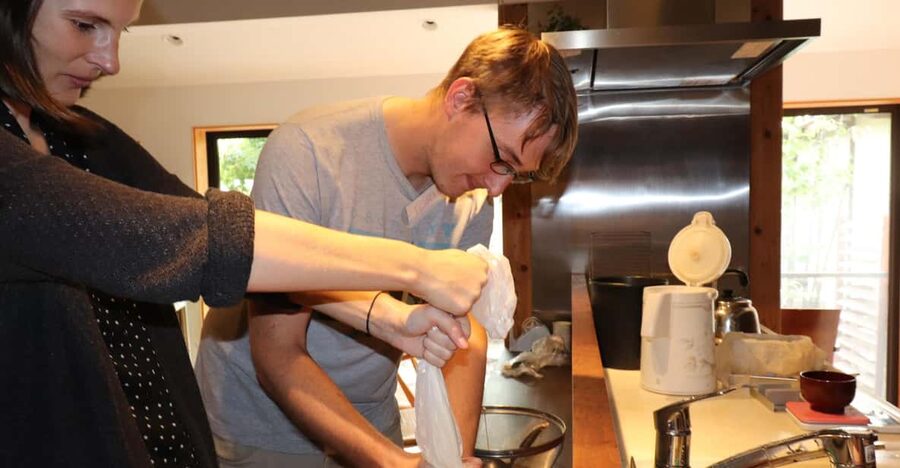
The big promise is also the big reward: you are not just learning theory. You make tofu from soybeans, then taste it first without seasoning, because the texture and flavor should speak for themselves. That is how you truly notice the difference between handmade and machine-made tofu, even when it is plain.
And you get a practical skill along the way. Once you know what changes the tofu taste and texture, you will cook or order differently in Japan, not just eat more casually.
You can also read our reviews of more tours and experiences in Kyoto.
Finding The Workshop Near Shijo or Karasuma Stations
Location matters in Kyoto, because walking is the default. This experience is convenient, within about a 10-minute walk of Shijo Station or Karasuma Station, so you can fit it into a day that includes shrines, shopping streets, and dinner plans.
The meeting point is also specific: take the elevator to the third floor and press the doorbell for 302. When a workshop gives that kind of detail, it usually means fewer headaches on arrival, and that is true here.
One more thing: the setting can feel like a small apartment space rather than a large cooking studio. That is not a problem, it can actually help the experience feel more authentic and home-like, and it is easier to get personal attention in a smaller room.
What You Learn Before You Taste: Soybeans, Method, and Japanese Eating
The session starts with an instructor-led introduction. You will go over how tofu relates to soybeans, including soybean differences and how those differences connect to the final tofu.
Then you move into the production process, with guidance on how tofu is made from soybeans. You are not left guessing. The class is structured so you can connect each stage with what you will taste next.
Finally, there is a dedicated portion on how tofu is eaten in Japan. That matters, because Japanese tofu eating style is part of the point. Overseas tofu often shows up in stir-fries and stews, but here you will hear how chilled tofu is treated and where miso soup fits into the everyday tofu world.
You will likely come away with two useful changes in how you shop and order. First, you will pay more attention to tofu type and texture. Second, you will be more confident eating tofu plainly, instead of assuming it always needs sauce or seasoning.
From Fresh Soymilk to Oboro-dofu: The Tasting Moments You Get
One of the best value parts of this class is that you taste more than just tofu blocks. During the production process, you can enjoy soymilk and oboro-dofu.
Why this matters: if you only taste finished tofu, you miss the bigger story. Soymilk and oboro-dofu are like checkpoints that help you understand what you are doing and why the final tofu ends up the way it does. It makes the whole session feel less like a demo and more like a guided food experiment.
Also, this is tasting you can link to real Japanese preferences. Japanese meals often treat tofu as a star ingredient, not a supporting actor. Getting soymilk and oboro-dofu as part of the experience nudges you to respect tofu flavors and textures more directly.
If you are sensitive to ingredients, you will be glad the class signals allergy-friendly flexibility. You just need to let them know your restrictions in advance so ingredients can be prepared accordingly.
Handmade vs Machine-Made Tofu: The Difference You Actually Notice
The class emphasizes something that can feel abstract until you taste it: handmade tofu is thicker and tastier than tofu made by machine, even when eaten without anything else.
Here is what that means for you in practical terms. When you taste your own tofu plain, you should be able to detect texture and flavor differences without leaning on sauces. That is the kind of sensory knowledge that lasts, because it changes how you judge tofu quality after the class is over.
This is also why the hands-on approach is worth it. If all you did was watch, you might remember the steps but not the sensation. Doing the process yourself helps you understand what each stage contributes.
Expect a room that values questions. The small group format, limited to 6 participants, makes it easier to ask about what you are seeing and tasting.
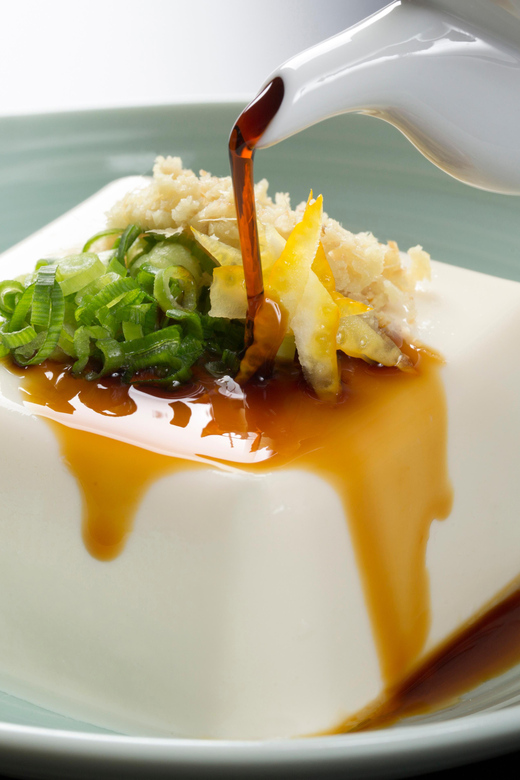
Your Four Tofu Dishes: Eating What You Made
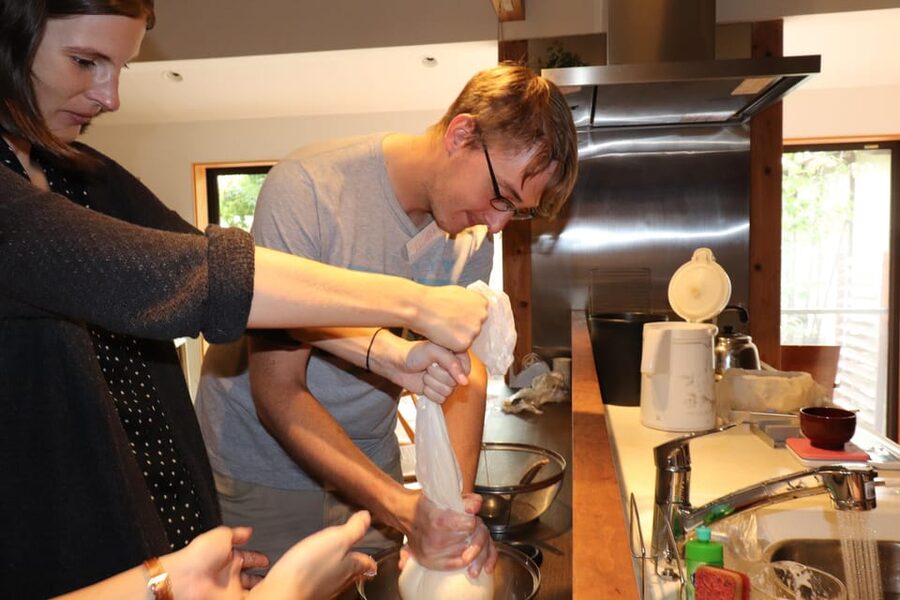
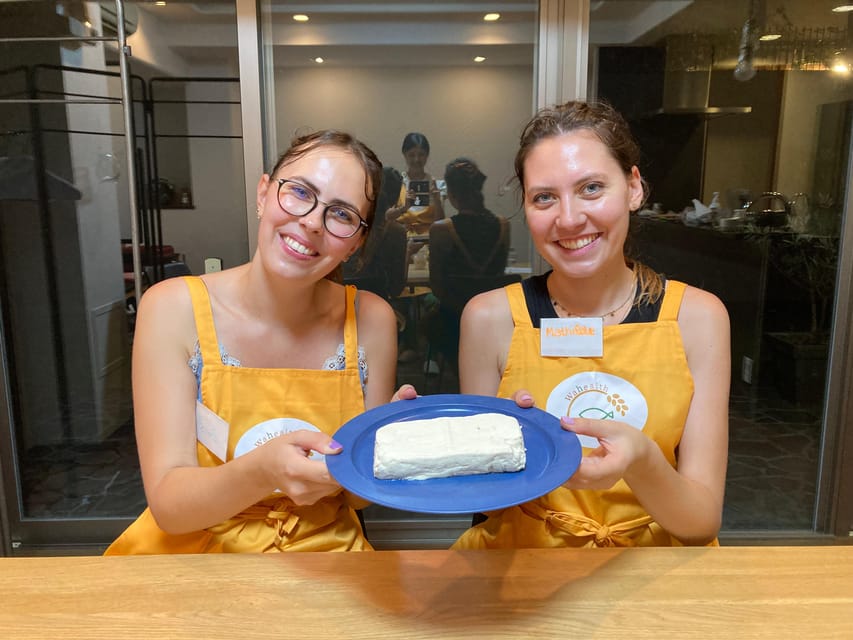
The meal part is built around the batch you make. You will enjoy four different tofu dishes using the tofu you produced, with tasting amounts included as part of the class.
This is smart for two reasons. First, it shows you tofu as a flexible ingredient, not a single-note food. Second, it reinforces Japanese eating styles you learned earlier, so you can connect technique, flavor, and how tofu is actually served.
You also avoid the common cooking-class trap where you make something, then eat one final dish. Here, the multiple dishes create a mini tasting menu, and you learn what tofu tastes like across different preparations.
If you are hoping to level up your Japanese cuisine comfort, this part is where it clicks. You go from thinking tofu is just something to be added, to understanding how Japanese food treats tofu as the main character.
Price, Time, and Group Size: Is It Good Value?
At $56 per person for 90 minutes, this is a focused, experience-heavy activity rather than a long tour or a broad food crawl. The value comes from what is included: education about soybeans and tofu, tasting freshly made tofu, soymilk and oboro-dofu, and four tofu dishes made from your batch.
You are also getting a small-group format, limited to 6 participants. That usually means more attention, more chances to ask questions, and better odds you will feel confident during the hands-on part.
What is not included is straightforward: transportation to and from the activity location, and meals and drinks beyond the tofu tastings. So plan your day with a proper meal either before or after.
For most people, the question is not whether $56 is cheap. It is whether it is memorable and useful. With this structure, it tends to be both: memorable because you taste what you made, and useful because you learn why Japanese tofu is treated differently.
Dietary Needs That Are Taken Seriously
The class signals it can work for gluten-free, vegan, halal-friendly, and allergy-free needs, as long as you share your restrictions. That is exactly how you want dietary flexibility to be handled: by communicating ahead so ingredients can be prepared accordingly.
If you have allergies, do not assume the kitchen will infer anything. Send your requirements clearly when booking, then confirm again when you arrive. In a hands-on food class, that attention matters even more than in a restaurant.
Should You Book This Kyoto Tofu Workshop?
Book it if you want a hands-on Kyoto food experience that actually changes how you taste and order. This is especially a good choice if you have only had tofu in stir-fries or stews and want to understand Japanese tofu eating, like chilled tofu and miso soup style thinking.
Skip it if you mainly want a sightseeing break or if you prefer big, open spaces and lots of wandering. This is compact by nature, and the focus is on making and tasting, not on walking around a landmark.
Also, if you love small group learning, you will appreciate the up-to-6 setup. If you dislike structured classes, you might find it too guided. But if you like clear explanations and then immediate tasting, you will likely have a great time.
FAQ
How long is the tofu making experience?
The class lasts 90 minutes.
Where is the meeting point?
Meet on the third floor by taking the elevator and pressing the doorbell for 302.
What does the class include?
It includes an introduction, learning about tofu and soybeans, tasting freshly made tofu, and enjoying four different tofu dishes made with the tofu you make.
Is transportation included?
No, transportation to and from the activity location is not included.
Are meals and drinks included?
Meals and drinks are not included, other than the tofu tasting during the class.
How many people are in the group?
The group is small, limited to 6 participants.
Can the class accommodate dietary restrictions?
The class is described as gluten-free, vegan, halal-friendly, and allergy-free friendly. Let them know your dietary restrictions so ingredients can be prepared accordingly.
If you tell me your travel dates and whether you are tofu-curious or tofu-obsessed, I can also help you pick a good time slot in Kyoto so it does not fight with your other plans.
More Tour Reviews in Kyoto
Not for you? Here's more nearby things to do in Kyoto we have reviewed



Kyoto Cooking Classes, compared.
 ★ 5.0Ramen Cooking Class at Ramen Factory in KyotoFrom $1311,937 reviews
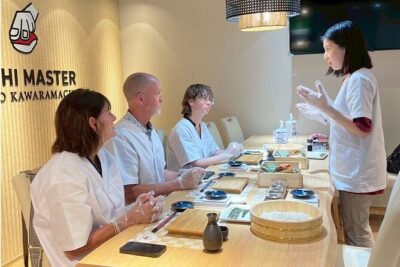 ★ 5.0Sushi Making in Kyoto! Same-day bookings welcome!From $53713 reviews
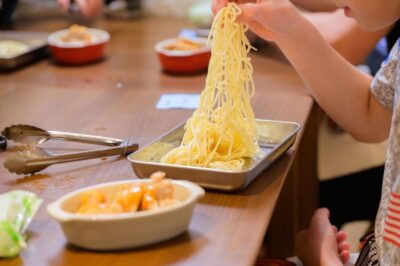 ★ 4.9Ramen Cooking Class at a Ramen Factory with SouvenirFrom $127532 reviews
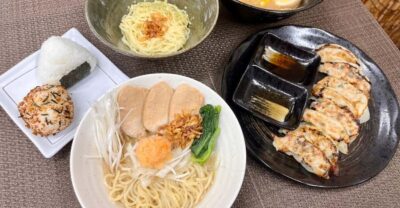 ★ 5.0Ramen, Gyoza, and Onigiri Cooking ClassFrom $90445 reviews
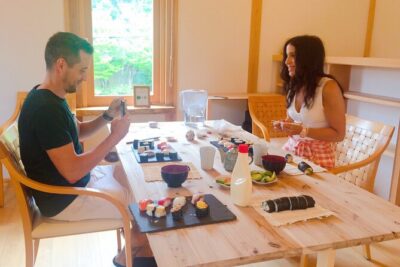 ★ 5.0The Original Small-Group Sushi Making Class in KyotoFrom $69436 reviews
 ★ 5.0Japanese Washoku Bento Small Group Cooking ClassFrom $58380 reviews
 ★ 5.0Kyoto Ramen and Gyoza Cooking Class with Professional ChefsFrom $86282 reviews
 ★ 4.9Afternoon Japanese Izakaya Cooking ClassFrom $67241 reviews
Browse the lists this tour appears in