
Reviewed · NARA DAY TRIPS FROM KYOTO
NARA: Budda gigante, Cervi liberi nel parco (Guida italiana)
Few places teach Japan fast.
This half-day Nara excursion pairs the mighty Todai-ji complex with easy, natural time in the deer park, all explained by an Italian-speaking guide. I like that you get more than temple photos, you also get everyday context about Japanese life and how locals think about devotion.
The second reason it’s a winner for me is the small group feel, capped at 15 people. That matters when you want answers in Italian and a guide who can actually keep up with questions from the group.
One consideration: with only about five hours total, you will not see every Nara sight. You are choosing depth at Todai-ji, deer time, and a quick stop at Ukimido, then heading back to Kyoto.
Key Highlights Worth Your Time

- Todai-ji with a guided focus on what you are looking at, including important nationally recognized treasures
- A native Kyoto perspective in Italian, with room for questions about the city and culture
- Nara Park deer that are truly free to move, plus biscuit stalls right in the park area
- A tight, workable half-day schedule with train plus short bus transfer
- Finish at Kyoto Station, with the option to leave earlier if your plans change
A Half-Day Nara Trip That Feels Like a Smart First Taste
Nara is the kind of place where you can either rush, or actually understand what you are seeing. This tour leans toward the second option. You start in Kyoto Station and spend your time on the core experience people go for: Todai-ji, the big Buddha, and the deer in the park.
The timing is built for flow, not fatigue. You ride the train toward Nara for about 45 minutes, take a short bus hop, and then you are walking and looking. Total duration is listed as five hours, which is exactly the sweet spot for a day when you want a major cultural stop but still keep your Kyoto evening open.
Also, you will be told early that the tour ends at Kyoto Station. You can leave at any point, which is handy if you want to keep exploring Nara on your own or if you have dinner plans waiting back in Kyoto.
You can also read our reviews of more tours and experiences in Nara.


Finding Your Start Point at Kyoto Station (So You Do Not Lose Time)
Meet at Kyoto Station, North Entrance, specifically at Karasuma-guchi. The meeting space is in the area between four escalators in front of the taxi terminal, on the east side just outside the central north entrance.
It helps to know what you should be able to see from there. From that spot, you can see Kyoto Tower in front of the station, up to the upper left of where you stand. You will get an email with more exact details by the day before, which is a simple but real advantage because Kyoto Station is huge.
Small-group tours can go smoothly only if you find the meeting point quickly. This one is designed that way, and the confirmation email support is part of the reason people find it easy to join without stress.
The Train and Bus Ride: How Transportation Shapes the Experience
This is not a tour that tries to cram in five towns. It uses public transport in a straightforward way:
- Train from Kyoto toward Nara for about 45 minutes
- Bus transfer for about 15 minutes to reach Todai-ji
That structure matters. Train time gives you a chance to read your notes, look out the window, or get organized. Then the bus takes you the final stretch to the temple area, so you are not doing a long walk right after arrival.
Because all transportation is included, you do not have to negotiate routes in a foreign language at the start of your day. You focus on the big payoff, Todai-ji, instead of losing momentum to directions.
Todai-ji and the Giant Buddha: What You Should Actually Look For
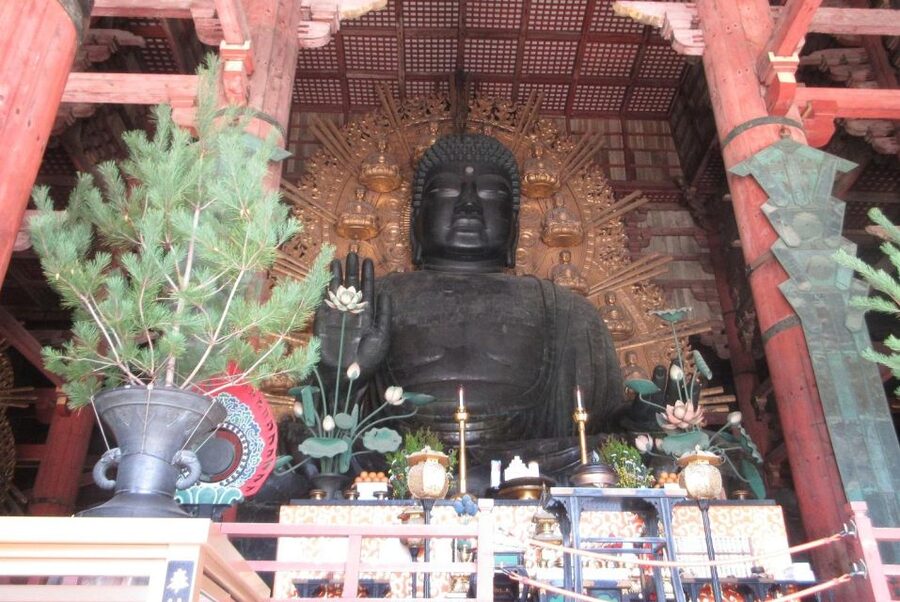
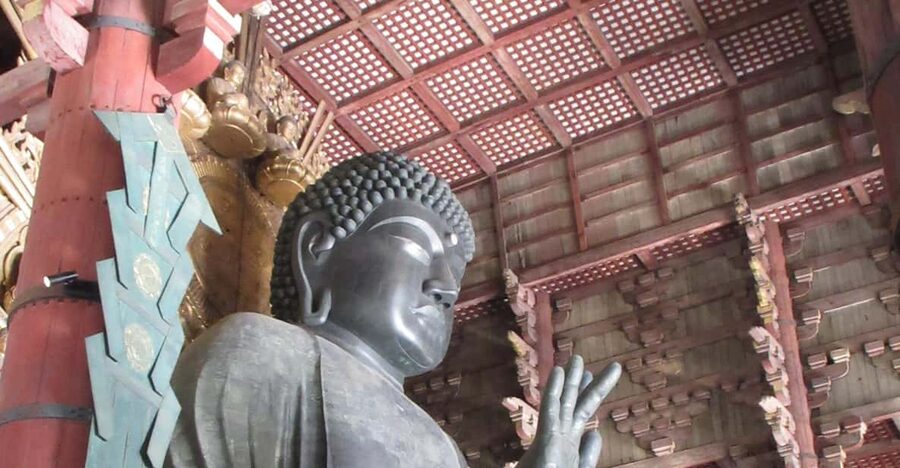
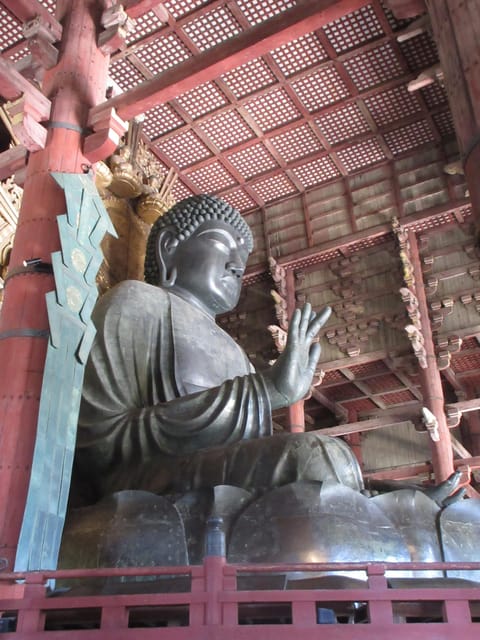
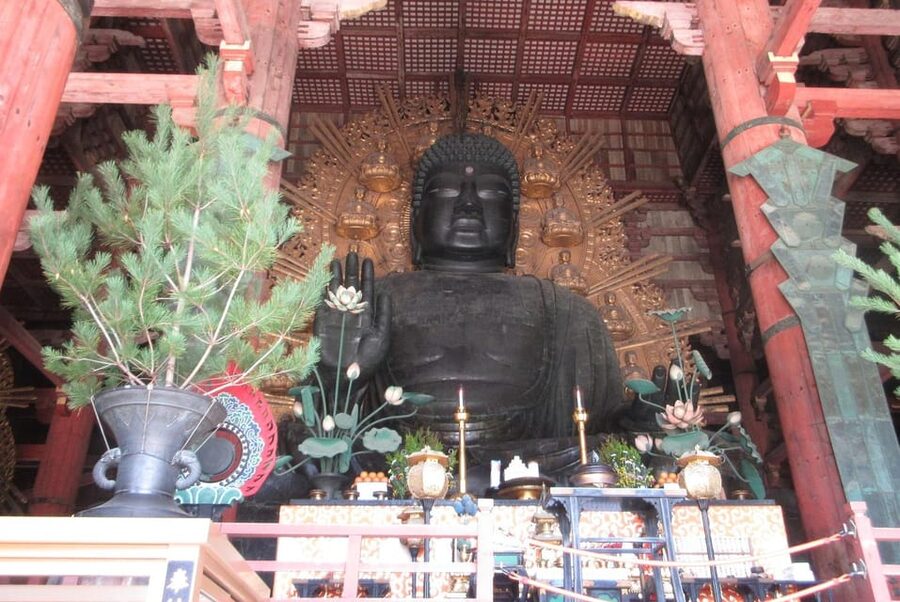
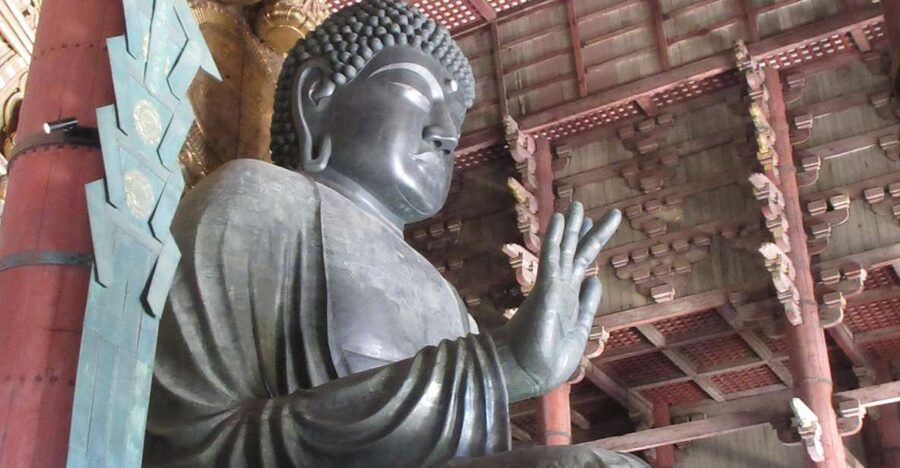
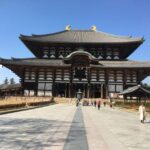
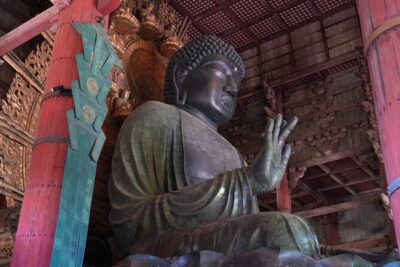
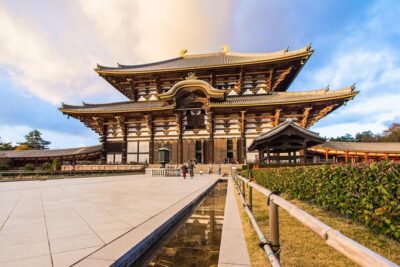
Todai-ji is famous for a reason. You are going to see the gigantic Buddha statue that the temple is known for, one of the largest in Japan. But what makes the visit work on a guided tour is that you are not standing there thinking, now what?
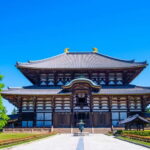
You get a guided visit for about 1.5 hours. During that time, the guide explains the temple’s key monuments and highlights which ones are recognized as national treasures. That is a useful filter. Without guidance, it is easy to get lost in the scale and miss what makes specific buildings important.
You also learn how popular Buddhist devotion is understood in daily life. The tour promises stories and explanations that are not the usual checklist from generic sightseeing pages, including the kind of human-level context that helps a temple visit feel less like a museum stop and more like a living tradition.
One practical tip: give yourself permission to pause. This temple complex is large, so you will appreciate the guide’s pacing. When the guide tells you what to notice, you will get more out of each minute.
Ukimido and the Short Walks: The In-Between Moments
After the main Todai-ji visit, the tour includes short walking segments and a quick stop at Ukimido.
Ukimido is built into the flow of the visit rather than treated like a separate “big detour.” You spend about 10 minutes sightseeing there. Even if you only have a short window, a focused stop is better than a rushed pass. You’ll get oriented, understand why the stop exists in the route, and then keep moving.
There is also a brief on-foot segment in the middle of the plan. These smaller walks are useful because they reduce the feeling of being trapped in a checklist. They let you connect the temple area to the surrounding park landscape where the deer live.

Nara Park Deer: Seeing the City and the Wildlife in One Frame
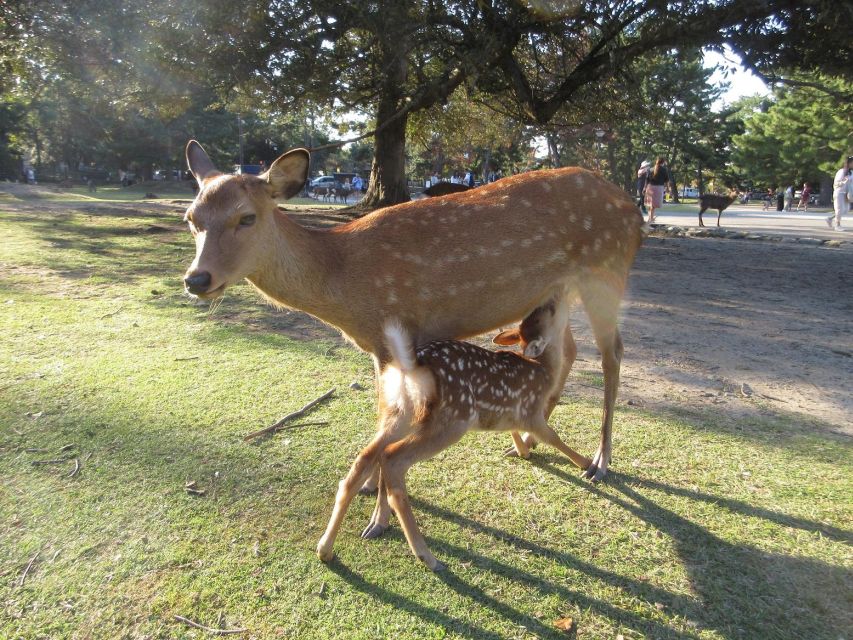
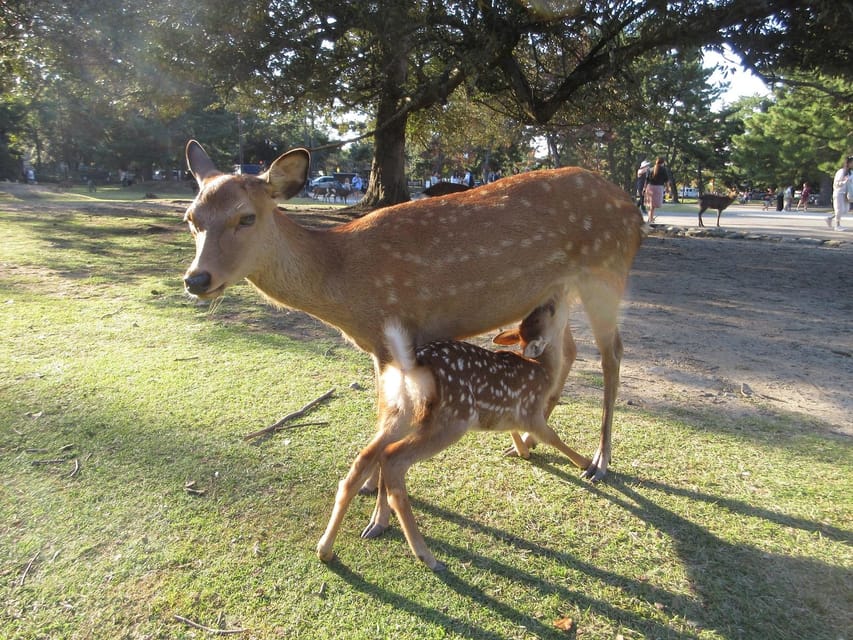
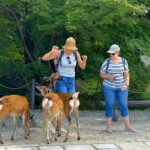
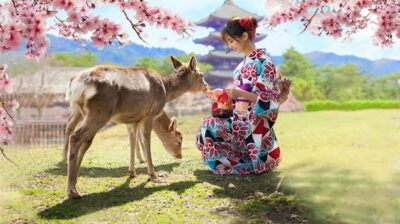
The most iconic part of Nara for many people is the deer. Here, they are described as domestic and free in the big city park around Todai-ji, living alongside local life since ancient times.
What you should expect is straightforward:
- You will meet deer inside the large park area.
- You can feed them using biscuits sold at stalls set up for visitors.
This is one of those rare travel moments where you see a “tourist attraction” and a real community practice overlap. The deer are not off in a fenced zoo space. They share the same public area with pedestrians, which is exactly what makes the experience feel grounded.
A guide helps because they can explain the relationship between people and the deer in a way that connects to local belief and everyday behavior. You are not just chasing cute photos, you are learning how the place works.
What an Italian-Native Kyoto Guide Actually Adds
The best part of this tour, based on how it is promoted and the feedback it attracts, is the guide. The tour includes a live Italian-speaking guide, and the standout theme is that the guide is native to Kyoto and comfortable answering questions.
That matters more than you might think. If you speak Italian, you already know you can tolerate “some explanation.” But a strong guide can do two better things:
- They answer your random questions without making you feel you are slowing the group down.
- They translate culture into clear daily-life comparisons, not just dates and names.
The tour also promises that you will learn about Japan’s history and the everyday life of the Japanese people, using Kyoto as a reference point. If you want a quick “how Japanese culture thinks” overview while you sightsee, this format is a good match.
And because the group is limited to 15 participants, you are more likely to get your questions answered than in a bigger, louder bus tour.
Price and Value: Is $153 for Five Hours Worth It?
The listed price is $153 per person for a five-hour experience. On the surface, that can sound like a lot if you are comparing to self-guided travel.
Here is the value angle that makes this price feel more reasonable:
- Transportation is included, with train plus bus.
- Entrance fees to the monuments visited are included.
- You get an Italian-speaking guide for the active part of the schedule, including Todai-ji.
- Group size is capped at 15, which usually improves the quality of the explanations and the ability to ask questions.
If you were doing this on your own, you would still spend money on transport and the basic admission fees, and you would likely spend time figuring out what is most important at Todai-ji. Paying for a guide is, in effect, buying time and clarity. In Nara, clarity is not a luxury, it is the difference between seeing a famous place and understanding why it matters.
So, is it “cheap”? No. But for a half-day with included transport, included entries, and a strong Italian guide, it is priced like a practical culture tour rather than just a transfer service.
Can You Leave Midway and Still Make It Work?
Yes. The tour ends back at Kyoto Station, but you are free to leave it halfway if your schedule changes.
That flexibility is more useful than it sounds. Kyoto is a city where people often build their day around neighborhoods, food, and timing for temples. If you find your energy shifting, or you want to add a stop of your own, you do not have to feel locked into the full route.
Still, the structure is designed so the big moments happen early enough. Todai-ji is the centerpiece, so if you are only going to do part of the day, you would generally want to prioritize the guided temple time.
Who This Tour Fits Best
This tour is a strong match if you:
- want an efficient half-day Nara plan without complicated planning
- prefer explanations in Italian, especially from someone native to Kyoto
- care about understanding Buddhist devotion and what you are seeing at Todai-ji
- like small group pacing (15 people or fewer)
It is also a good fit if you like to ask questions while traveling, because the guide is positioned to handle that. If you just want a slow, independent wander with no schedule, then you might find a guided format too structured. But if you want your Nara visit to make sense quickly, this is built for you.
Should You Book This Nara Tour?
If you are choosing between self-guided Nara and a guided half-day, I would lean toward booking this if you want the biggest payoff in the shortest time. Todai-ji is the kind of place where guidance helps you see more meaning per minute, and the small group, Italian language delivery, and native Kyoto perspective are the quality markers that make the day feel worth the price.
Book it if:
- you want Todai-ji plus deer park in one smooth plan
- you appreciate a guide who answers questions clearly in Italian
- you want to save mental energy so you can enjoy Kyoto afterward
Skip or rethink it if:
- you want to spend most of the day in Nara and keep exploring other areas beyond this route
- you already know Todai-ji well and mainly want free roaming with no structure
Overall, this tour is for travelers who value clarity, time efficiency, and culture explained in a way you can actually follow. For a half-day out of Kyoto, it hits the key notes without dragging you through too much.
FAQ
Where is the meeting point in Kyoto Station?
Meet at Kyoto Station, North Entrance (Karasuma-guchi). The specific spot is between four escalators in front of the taxi terminal, east just outside the central north entrance.
How long does the tour last?
The duration is listed as about 5 hours.
What transport is used to get to Nara?
You take a train from Kyoto for about 45 minutes and then a bus or coach for about 15 minutes to reach the Todai-ji area.
What will I see at Nara?
You visit Todai-ji with a guided tour, including the giant Buddha. You also spend time in the park area with deer and include a sightseeing stop at Ukimido.
Is the tour in Italian?
Yes, the live tour guide speaks Italian.
How big is the group?
The tour is limited to a small group, with a maximum of 15 participants.
Can I leave the tour early?
Yes. The tour ends at Kyoto Station, but you are free to leave it halfway.
More Tour Reviews in Nara
Not for you? Here's more nearby things to do in Nara we have reviewed







Nara Day Trips from Kyoto, compared.
 ★ 5.0World Heritage Kyoto & Nara Uji Authentic Matcha ExperienceFrom $1291,573 reviews
 ★ 4.7Kyoto/Osaka: Nara, Fushimi Inari Taisha, Arashiyama Bus TourFrom $521,275 reviews
 ★ 5.0Nara Half Day Trip Walking Tour (Private Option Available)From $105937 reviews
 ★ 4.4Osaka/Kyoto: Arashiyama, Nara & Fushimi Inari Shrine w/LunchFrom $61754 reviews
 ★ 5.0Nara Early Morning Tour (Kyoto or Osaka Departure Available)From $61676 reviews
 ★ 4.5Kyoto and Nara Day Trip from KyotoFrom $194445 reviews
 ★ 5.0Full Day Guided Tour to Kyoto and Nara from Osaka by VanFrom $106420 reviews
 ★ 4.5Nara Afternoon Tour from Kyoto or OsakaFrom $102390 reviews
Browse the lists this tour appears in