
Reviewed · KYOTO BIKE & E-BIKE TOURS
Nara – Heart of Nature Cross Bike Tour
Nara’s best day out is two wheels away. I love that this is a max 10 person experience with a bilingual guide, and I also like that bike gear plus bottled water (with refill stops) are handled for you. One thing to think about first, you should expect hills with no ebike option, so be ready for some honest breathing, not just cruising.
This is a 5 to 6 hour half-day that starts at 10:00 am and loops back to the meeting point. It works well if you want a break from Nara’s main crowd routes, while still packing in temples, crafts, and viewpoints that feel like you found them yourself.
Key points to know before you ride
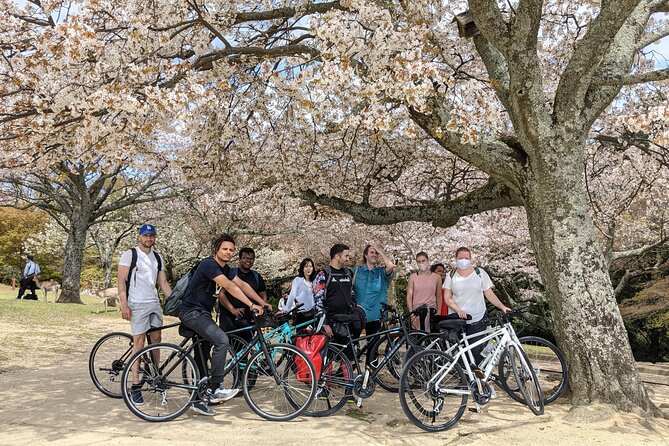
- Small-group limit of 10 keeps the pace friendly and makes it easier to ask questions
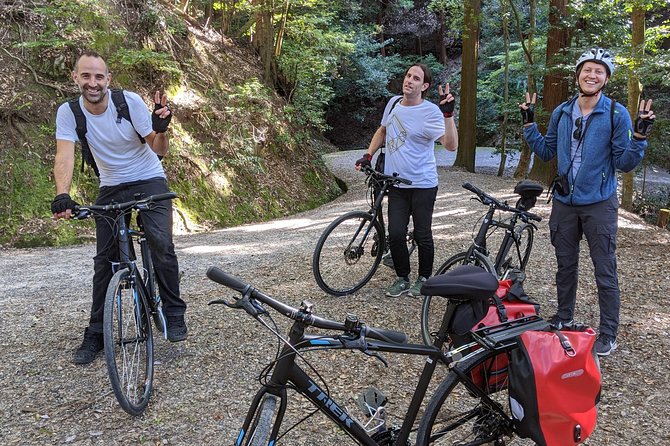
- Bike gear included means you ride with a helmet and cycling sunglasses, no last-minute shopping
- Water refills with zero-plastic approach use paper cups as you stop and top up
- Craft time, not just sightseeing includes calligraphy and a traditional knife shop with a long history
- Forest temples and waterfall stops slow the day down in the best way, with short walks between rides
- Moderate fitness needed due to hills, and there is no ebike option mentioned
Why this Nara bike route feels different from the usual sights
If you have ever tried to visit Nara while everyone else is also thinking the same thought, you know the problem. This tour gets you out of the most congested patterns by shifting the day toward forests, stone paths, and hilltop views. You still hit major cultural touchpoints, but you do it with movement, fresh air, and enough time between stops to actually notice things.
I like tours that teach you how to look, not just where to stand. Here, you’re not only hopping from temple to temple. You’re also learning small, practical bits of culture along the way, like what rituals mean at a specific hall, and how a craft shop turns tradition into something you can even try by hand. That makes the day feel personal.
The biking itself also changes the feel of the city. When you cover ground on a hybrid-style bike, each turn gives you a new slice of Nara. You spend less time waiting and more time connecting dots: city neighborhoods, forest pockets, and hill views that explain why this area became such an important place historically.
You can also read our reviews of more cycling tours in Nara

Small-group energy, bilingual guiding, and the “why” behind each stop
One of the biggest quality markers here is the small group size (up to 10 people). That matters more than it sounds. With fewer riders, the guide can slow down when the route tightens, help with small bike adjustments, and keep the history talk from feeling like a lecture you half-hear through handlebars.
The guide is bilingual, so you get context in plain language, not just random facts. And the pacing is built for a real outing, not a hard race. In the experience feedback, you can see this attention to how people handle climbs, especially for riders who are older but still capable on a bike.
You also get a guide who keeps things encouraging. That shows up in the way people describe being paced well and supported on the hills. You are still exercising, but it feels like a team workout rather than an endurance test.
Included bike gear and water: the practical stuff done right
I really appreciate when a tour removes friction. Here, you don’t show up and then scramble to rent a bike or hunt down protective gear. Bike use is included, and your kit includes a helmet plus cycling sunglasses. That’s a small thing until you’re riding in bright conditions, then it starts to matter.
Water is also handled well. You get bottled water, plus the route includes water refills. The tour uses paper cups as you refill, which is a thoughtful detail if you care about reducing plastic waste. You can still bring your own bottle, and you will get paper cups provided as the tour goes.
One more practical note: this is a stop-and-go day that includes short walks at a few sites. Having a comfortable setup from the start, rather than guessing what to wear, keeps the day smooth.
Craft stops you will actually remember: calligraphy and a traditional knife shop
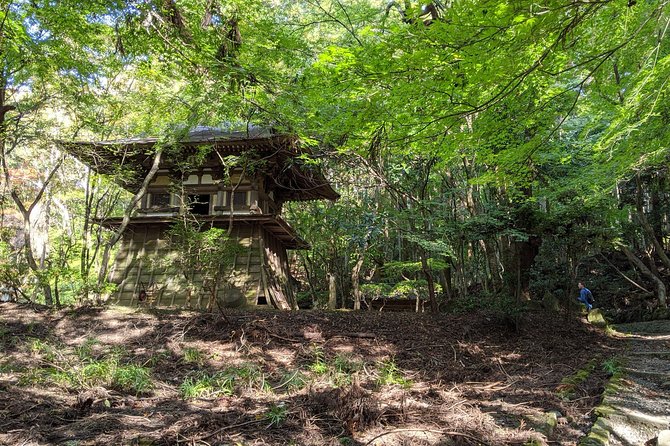
Not every sightseeing day has a craft component that feels hands-on. This one does, and it’s one of the reasons it earns such strong ratings.
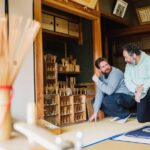
Early on, you start near Nigatsu-do Temple, where a yearly water ritual is connected to this hall. You get access to the main balcony for views over the Todaiji area, and you also meet a calligraphy expert who helps you get your own seal. That adds a personal souvenir that is more meaningful than a postcard.
Then you shift to a craft shop experience focused on Japanese history and craftsmanship. You visit a traditional knife shop linked to Kikuichi Monju Shiro Kanenaga, known for about 750 years of history. The coolest detail is that you may even be able to try the blade on paper. That kind of moment sticks because you can feel the difference between a tool that is just mass-produced and one shaped by long tradition.
If you like cultural travel that goes past photo ops, you will probably find these craft stops the highlight. They give you something to talk about later, and they make the temples feel less abstract because you are seeing how devotion and workmanship show up in daily objects too.
The full ride plan, stop by stop: temples, forest ruins, and waterfall calm
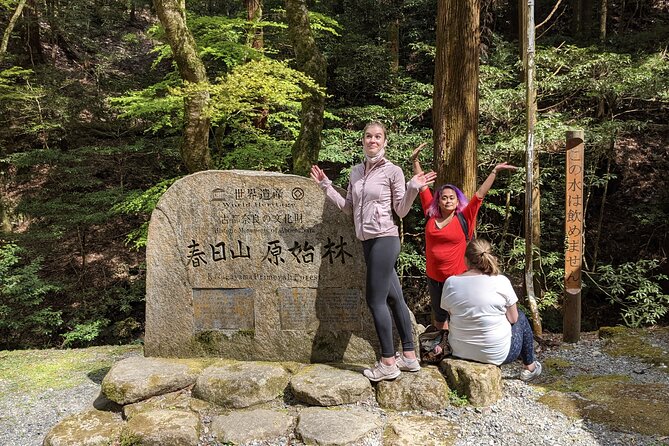
This tour runs through seven named stops, with short time at each. The overall pattern is simple: ride to a spiritual or scenic spot, pause long enough to understand what you’re seeing, then move on when your eyes have adjusted.
Stop 1: Nigatsu-do Temple, water ritual views and your seal
You begin around Nigatsu-do Temple, near Todaiji. The focus here is a water ritual celebrated once a year. You also get time on the main balcony for a look across the Todaiji area. It’s not a long stop, but it’s a strong opener: ritual, architecture, and a view.
The calligraphy element is quick but satisfying. The guide has a calligraphy expert sign your seal, which gives you a tangible piece of the visit.
Stop 2: Kikuichi Monju Shiro Kanenaga, craftsmanship you can test
Next is the knife shop with deep roots. The guide explains the background, tying Japanese history to what’s being made. The best practical angle is that you can try the blade on paper, which helps you understand why traditional techniques exist beyond tradition for tradition’s sake.
This stop is only about 20 minutes, so it is not overwhelming. It’s enough time to learn, watch, and do a small hands-on moment.
Stop 3: Wakakusayama Hill, a city view reward
Then comes the hill payoff: Wakakusayama Hill. The route takes you up to the top for a sweeping view of Nara. The time here is short, about 15 minutes, but the climb is part of the point.
At the top, you get a snack and a water refill, so you can recharge before the next forest section. This is also where you’ll feel the difference between being casually on a bike and being a little more physically ready.
Stop 4: Kyofukuji area, when nature takes back the ruins
You move into 興福寺別院鶯滝歓喜天 (Kyofukuji), a long-forgotten temple tucked in the forest. The emphasis is on seeing nature slowly reclaim the space. There’s a special calm to forest architecture like this because the mood shifts from city energy to quiet stone and plant growth.
This stop is brief, about 15 minutes, but it has an emotional rhythm: you arrive from the hill view, then step into a place where the present feels slower.
Stop 5: Uguisu Waterfall, forest shade and an old bridge
At Uguisu Waterfall, you walk a few minutes to reach the falls. The standout is the preserved bridge in the middle of the forest, and the way the surroundings make the waterfall feel both secluded and protected.
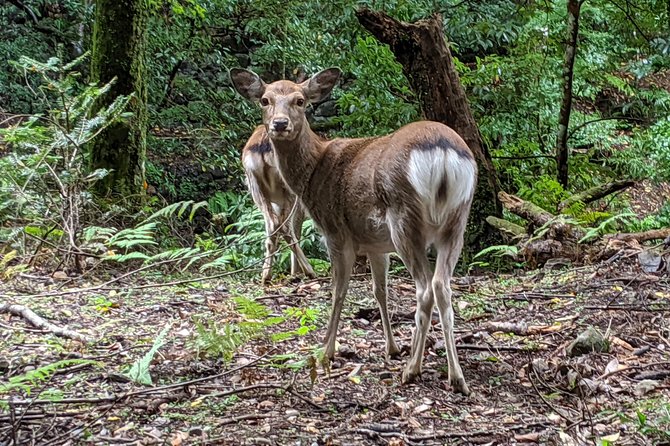
You also get a lighthearted reminder to mind wildlife as you move. It’s a short stop, around 15 minutes, but it gives your legs and eyes a break.
Stop 6: Kasugayama stone statues, hidden carvings in the forest
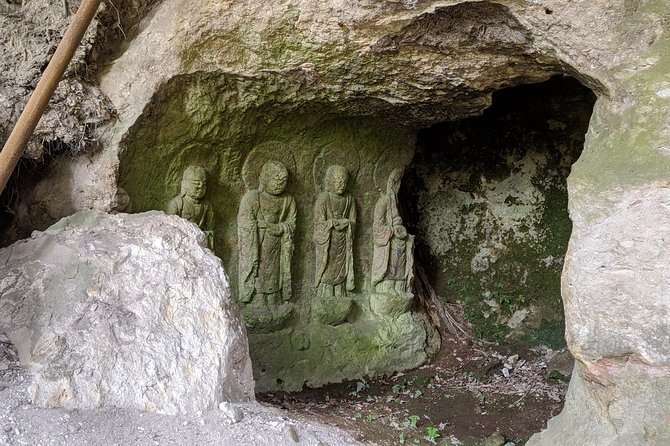
Next is Mt. Kasuga Sekkutsubutsu, where you can see carved stone Buddhist statues in the forest of Kasugayama. These are protected remains of an older community. The visit requires some willingness to walk or ride along the path to reach them, which is why being comfortable with moderate effort helps.
Again, the stop is about 15 minutes. Think of it as a focused look at something you would never stumble upon by accident.
Stop 7: Sagi Pond, a peaceful finish away from the main flow
Finally, you end at Sagi Pond, south of Nara Park. It’s described as peaceful and tucked away from the main tourist traffic. This last stop is about finishing with a smile and one more photo, not about cramming in more sights.
The tour loops back to the meeting point after this.
The hills reality check: great workout, plan for the effort
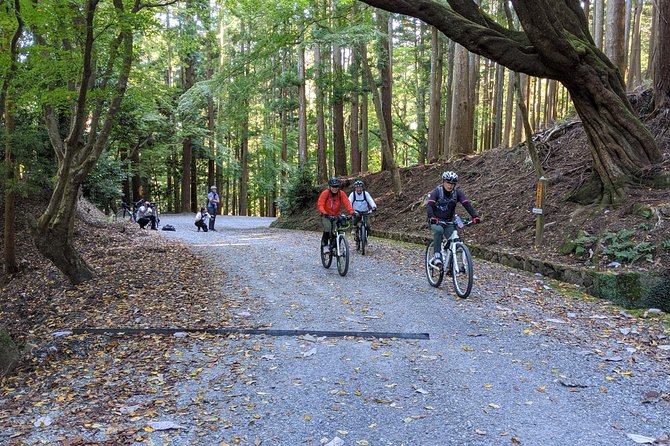
Let’s be honest. This is not an easy, flat city cruise. The route includes enough elevation that you should treat it as a workout.
In the feedback, riders note challenging hills and mention that the hybrid bikes handle them well. People also highlight being encouraged and paced, including older riders who were confident because the bikes and guidance matched their ability. Still, the big consideration is that there is no ebike option, so you’ll pedal.
How to prepare:
- Wear breathable clothes you can sweat in, and shoes that won’t slip on short walks
- Bring a layer for shade-to-sun shifts in the forest
- If you are unsure, focus on keeping a steady pace rather than sprinting early
If you want a gentle cultural stroll with minimal effort, this might feel too active. If you enjoy the feeling of earning views, this is a strong match.
Price and value: $275.89 for gear, guide, and meaningful stops
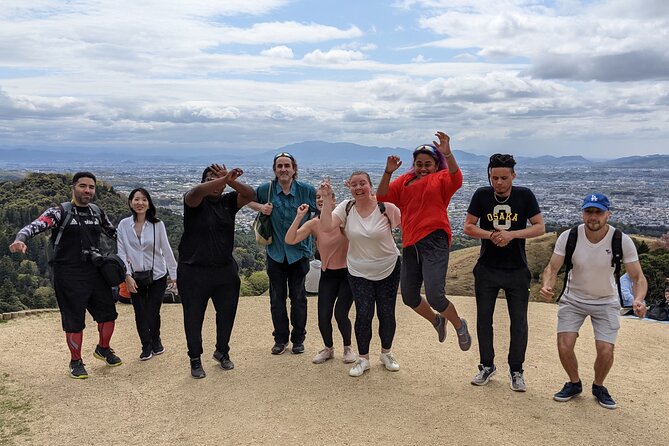
At $275.89 per person, this is not a budget half-day. But you are not just paying for a bike. You’re paying for the package: bike and gear included, a bilingual guide, water with refill support, and fees covered.
A big part of the value is how the time is spent. The stops are varied: a temple with a ritual and calligraphy seal, a historic knife shop with hands-on potential, plus forest ruins and a waterfall. Many bike tours stop at scenic viewpoints only. This one gives you craft and story, so the day has more emotional payoff.
Also, the group size stays small, which can translate to better pacing and a smoother experience on hills and forest paths. You are paying for the guide’s control of the day, not just transportation.
If you’re traveling solo, there’s a note that single bookings still have a minimum participation rule, meaning the tour might cancel if there aren’t enough riders. That doesn’t mean you shouldn’t book, it just means you should have a little flexibility in your schedule.
Who should book this tour (and who should skip it)
This is best for you if:
- You want a half-day mix of nature, temples, and craft culture
- You like active sightseeing, where biking and short walks do part of the work for you
- You enjoy small-group guidance and clear explanations
- You are comfortable riding a bike with some hills, even if you do not love climbing
You might skip it if:
- You want an ebike-assisted ride, because no ebike option is mentioned
- You do not have the physical fitness needed for hill biking and short walks
- You are traveling with kids under 14, since it is not recommended for that age group
Helpful trip timing tips for a 10:00 am start
Because the tour starts at 10:00 am, you’ll want to plan your morning so you are not rushing. Also remember that lunch is not included. For safety and needs like diet and allergies, you should bring your own lunch.
If you need anything extra, the plan includes stopping by a convenience store before leaving the city, so you can top up on basics. Still, don’t count on the convenience store as a full solution for food prep. Bring what you know you can eat comfortably.
Finally, this experience depends on good weather. If weather is poor, you will be offered a different date or a full refund.
Should you book Nara – Heart of Nature Cross Bike Tour?
I’d book it if you want a Nara day that feels quieter, more personal, and a bit more physical. The biggest strengths are the small-group feel, the included gear and water, and the fact that the route mixes temples and forest beauty with calligraphy and a traditional knife shop.
If your idea of a perfect day is mostly flat, low-effort sightseeing, then the hills and no-ebike setup might wear on you. But if you can pedal through climbs and enjoy forest temples, Wakakusayama viewpoints, and a waterfall stop, this tour hits a sweet spot.
One last practical signal: the rating is extremely high, and the comments focus on guides like Elodie and Rémi and on being paced well. That’s the kind of consistency you want when the day includes both cycling and cultural stops.
FAQ
How long is the Nara bike tour?
The tour runs for about 5 to 6 hours.
What’s included in the price?
Bike use, bike gear (including a helmet and cycling sunglasses), bottled water with water refills, and all fees and taxes are included. A bilingual local guide is also included.
Do I need to bring lunch?
Yes. Lunch is not included. For safety reasons, you should bring your own lunch. There is also a stop by a convenience store before leaving the city if you need something.
How many people are in each group?
The tour is limited to a maximum of 10 travelers per group.
Is the tour suitable for children?
It is not recommended for children under 14 years old.
Is there a bike bottle and can I bring my own bottle?
Water refills are available, and bottled water is provided. You can also bring your own bottle, and the guide will provide paper cups for refilling during the tour.
More Cycling Tours in Nara
More Tours in Nara
More Tour Reviews in Nara
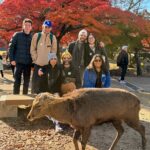
Not for you? Here's more nearby things to do in Nara we have reviewed
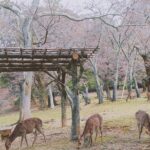



Kyoto Bike & E-Bike Tours, compared.
 ★ 5.0Hidden Kyoto E-Biking tourFrom $1161,843 reviews
 ★ 5.0Bike Tour Exploring North Kyoto plus LunchFrom $1061,087 reviews
 ★ 5.0Arashiyama Bamboo Forest & Hidden Gems Bike Tour (Early Bird)From $106613 reviews
 ★ 5.05 Top Highlights of Kyoto Full Day Bike Tour (E-bike option)From $172511 reviews
 ★ 5.0Full Day Biking Tour Exploring the Best of KyotoFrom $119498 reviews
 ★ 5.0E-Bike Tours of the highlights of Kyoto!!!From $109291 reviews
 ★ 5.0Afternoon Kyoto Bike Tour: Bamboo Forest, Monkeys & Hidden SpotsFrom $106283 reviews
 ★ 5.0South Kyoto in a Nutshell: Gentle Backstreet Bike Tour!From $79225 reviews
Browse the lists this tour appears in