
Reviewed · KYOTO TEMPLE & SHRINE TOURS
Nara Heritage Walkabout from Nara Park to Todaji-ji temple
Nara’s deer kick off the day. This half-day walk strings together Nara Park, Todai-ji, Kasuga Taisha, and Naramachi, so you see the big names with clear explanations and minimal guesswork. The structure is simple, which is exactly what you want when your time in Nara is limited.
I really like two things here: feeding the shika deer with shika senbei right in Nara Park, and seeing Todai-ji’s Great Buddha up close with guided context. Those moments land fast, and they help you understand why these places matter beyond photos.
One consideration: you do a fair amount of walking across multiple stops. If your legs need breaks, plan for a steady pace and wear comfortable shoes from the start.
Key points to know before you book
- Shika deer encounters with shika senbei: you get the cultural background and practical tips for feeding them.
- Todai-ji in one hour with focus: you’ll prioritize the Great Buddha Hall and the most memorable landmarks inside.
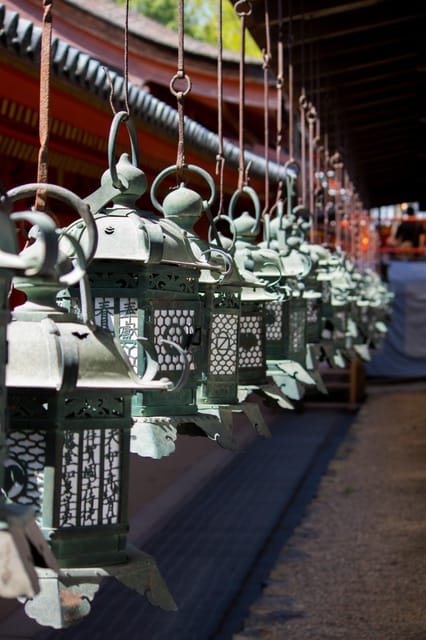
- Kasuga Taisha’s lantern corridor feel: thousands of hanging lanterns change the mood of the shrine approach.
- Naramachi old town time that feels real: you get shopping and a food market stop, not just a quick walk-by.
- English-guided commentary at each major stop: the tour is built for first-time orientation.
- Small group or private options: useful if you want calmer pacing or help with mobility.
Nara Park to Todai-ji, a well-paced 4-hour route
This tour is designed like a “great hits” circuit, but not in a rushed, checkbox way. In about four hours, you move from park nature to massive temple scale, then to shrine lanterns, and finally to classic old-town lanes for browsing and snacks.
The timing matters. Nara is popular, and those crowds can swallow time if you’re doing everything solo. Here, you get structured stops with guided commentary, so you spend your attention on what you’re seeing instead of trying to decode what you’re looking at.
Also, the meeting point is easy to find: you meet at a Lawson convenience store directly outside Kintetsu Nara station. From there, the walk begins and the day settles into a rhythm.
You can also read our reviews of more historical tours in Nara

Nara Park: shika deer, shika senbei, and calm views
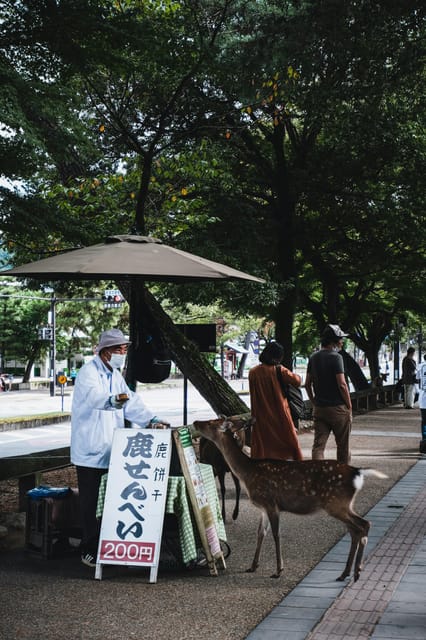
You start with a short transfer/walk from the station area, then head into Nara Park. The first stretch includes scenic views en route, then about 45 minutes for wildlife viewing and time to enjoy the park atmosphere.
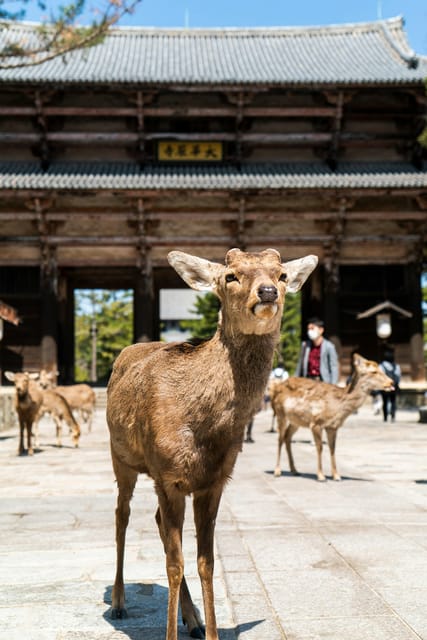
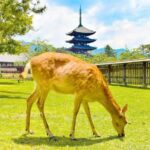
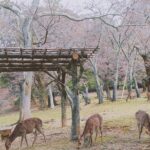
This is the part that makes Nara feel different from other temple towns. The park’s shika deer are not an afterthought. They’re part of local tradition, often described as divine messengers in Shinto beliefs. And yes, they’re curious, bold, and absolutely interested in your hands.
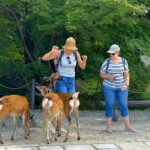
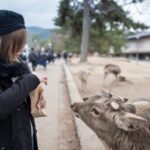
The practical win: you can buy shika senbei (deer crackers) on the spot, and the guide helps you handle the interaction respectfully. In past groups, guides like Ferdinand and Angelito have been highlighted for practical deer-feeding tips, including how to get the crackers safely and how to avoid turning the moment into chaos.
What I like as a traveler: this early stop gives you a low-stress warm-up before the temples. If you’re arriving in Nara with museum-brain or temple-brain overload, the deer break the day up nicely.
What to watch for: the deer can cluster. Keep your snacks secure, follow the guide’s cues, and don’t yank or chase. Think of it like a quiet street moment, not a photo shoot marathon.
Todai-ji’s Great Buddha Hall: where scale actually hits
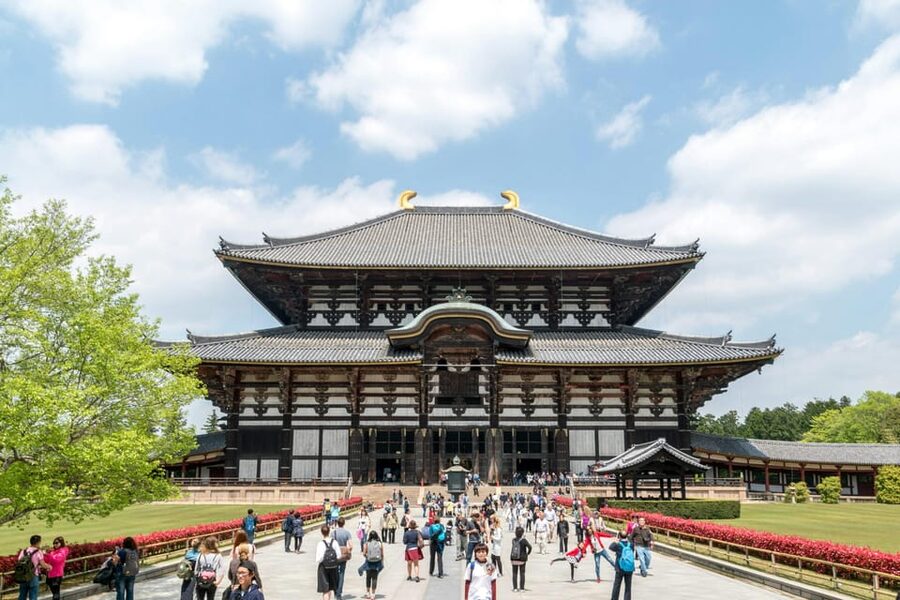
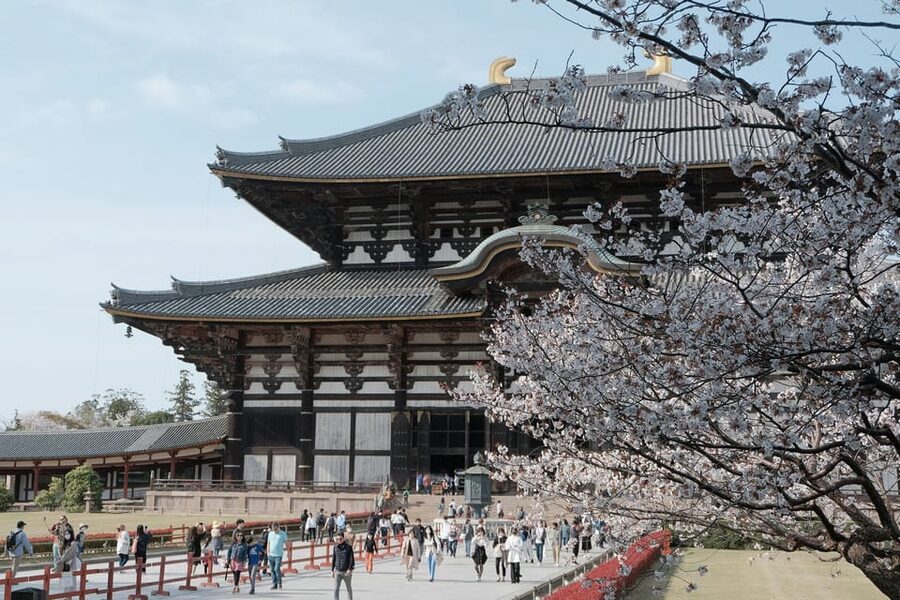
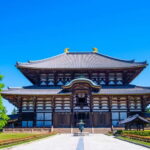
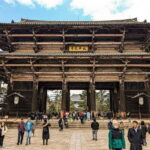
Next comes Todai-ji, the temple that anchors Nara’s reputation. You’ll get around one guided hour here, which is a realistic amount of time for seeing the key sights without trying to sprint across the whole complex.
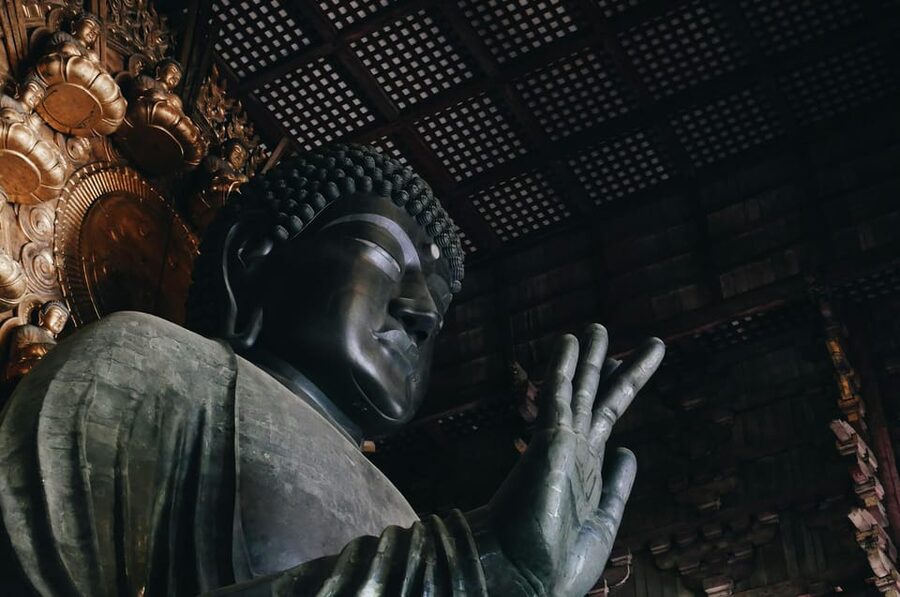
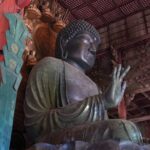
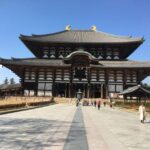
The headline is the Great Buddha (Daibutsu) inside the Great Buddha Hall (Daibutsuden). This is the kind of sculpture that makes you step back automatically, because your brain needs a second to process how large it is. The guided format helps you look past the wow-factor and understand what you’re seeing: its significance, the hall’s importance, and what to focus on as you move.
Then you also cover landmarks that give Todai-ji structure, not just a single statue moment:
- Nandaimon Gate, famous for the fierce Nio guardians guarding the main approach.
- A mystical pillar near the back with a hole people try to squeeze through for enlightenment.
Even if you’re not religious, these details help you understand how the temple communicates ideas through symbols and physical spaces.
A smart tip to bring with you: Todai-ji is big, and inside it you can feel small. Let the guide set your path. You’ll save time deciding where to go and instead spend your attention on the best pieces, like the hall interior and the gate area.
The drawback of Todai-ji timing: one hour is enough for highlights, not enough for a deep, slow study. If you’re the type who likes to linger at inscriptions and side chapels, you might want extra time later on your own.
Kasuga Taisha: vermilion shrine details and lantern magic
After Todai-ji, the tour heads to Kasuga Taisha, a UNESCO World Heritage Site. You’ll have about 45 minutes here with guided sightseeing and commentary.
Kasuga Taisha’s identity is visual. The shrine is known for its vermilion-lacquered structures and the famous thousands of hanging lanterns. Even before you get to the densest areas, the lantern theme changes the mood and makes the whole approach feel more theatrical and ceremonial.
Kasuga Taisha is also described as having roots going back to the 8th century, with Shinto rituals and ceremonies continuing for over a millennium. That kind of long continuity is hard to grasp when you’re just walking around on your own, so the guide’s context helps you place the lanterns, the architecture, and the pathways into a timeline.
What to look for while you’re there:
- The shrine’s strong color and architectural rhythm
- The arrangement of lanterns as you move through the grounds
- The way the greenery frames the buildings, giving you pauses between photo points
One practical note: Kasuga Taisha feels best when you slow down just a bit within the allotted time. Let the guide finish an explanation before you race for pictures. You’ll understand more, and your photos will match what you’re actually seeing.
Naramachi old town: shopping lanes, machiya houses, and a snack
Your final stop is Naramachi, the classic old town district known for traditional architecture, including machiya houses. Here you get about 45 minutes for shopping, sightseeing, and a visit to a food market.
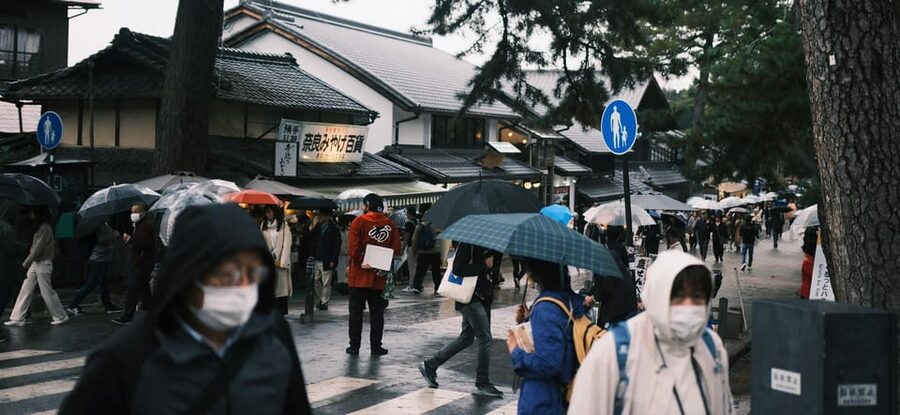
This is where the tour balances history with everyday life. Up to this point, the day is temples and shrine spaces. Naramachi is about texture: narrow lanes, shop fronts, small discoveries, and the feeling of being in a lived-in district rather than a single landmark.
Expect a mix of:
- Shops with handmade crafts and other local goods
- Places that sell vintage or interesting items
- Food market browsing
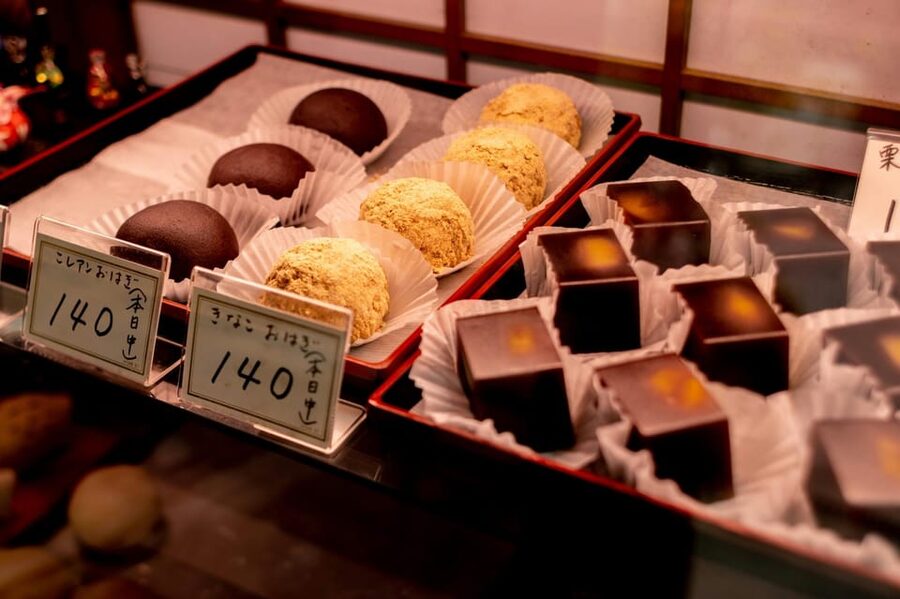
The tour also includes a traditional Japanese snack on us. In practical terms, this is a helpful morale boost near the end of the walk. It keeps you from having to hunt for food with tired legs.
If you have picky preferences, don’t overthink it: this snack is a supplement, not a full meal. Lunch is not included, so if you arrive hungry and skip breakfast, you’ll want to plan a real meal after the tour ends.

Getting from place to place: walking comfort matters
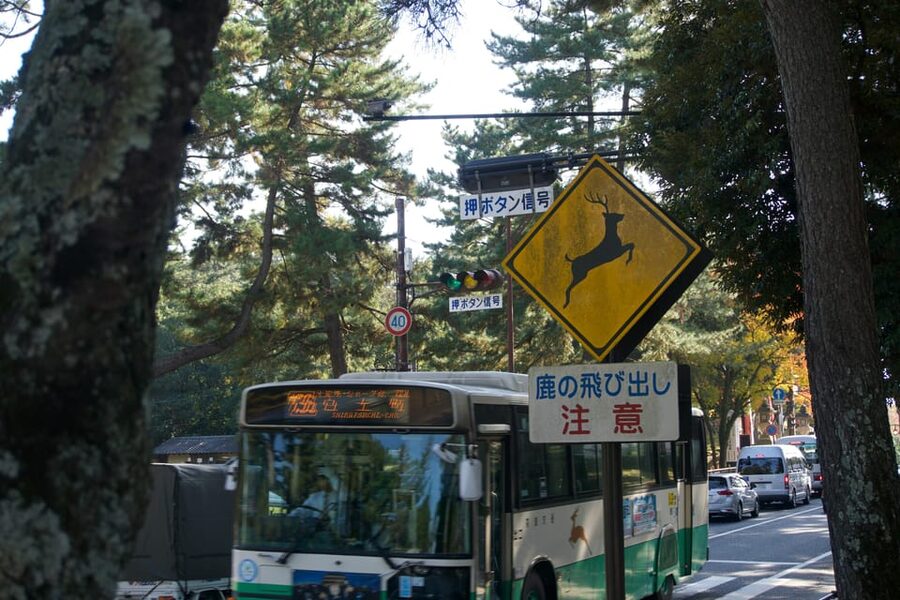
The route is mostly on foot. You’ll start at the Lawson outside Kintetsu Nara station, then move through the station area and walk about 20 minutes to reach Nara Park. After that, you’re walking between the main stops, with sightseeing time built in.
That means your footwear matters more than usual. The tour explicitly advises comfortable shoes due to the fair amount of walking.
Wheelchair access is listed, so the tour is planned with that in mind. Still, if you use mobility aids, it’s smart to ask about the exact walking portions and surfaces before you go, because “wheelchair accessible” can mean different things depending on route design and crowd flow.
Group size can also affect how the day feels. The tour offers private or small groups, which usually makes it easier to keep pace and take breaks without losing the group.
Price and value: why $102 can work in Nara
At $102 per person for a roughly 4-hour tour, you’re paying for convenience and guidance, not just transportation.
Here’s what’s included:
- Professional English tour guide
- Public transportation
- Entrance fees
- Guided tours and commentary at each major site
- A traditional Japanese snack
What’s not included:
- Lunch
- Personal spending like souvenirs or additional snacks
- Travel insurance
- Any extra activities or meals
So the value question becomes: are you buying time and clarity? In Nara, that’s usually yes. Todai-ji and Kasuga Taisha are big enough that a guide helps you focus on the most meaningful spots fast. Add Todai-ji’s indoor scale and Kasuga Taisha’s lantern-heavy grounds, and you get a day that could easily turn into a lot of waiting and wandering if you’re trying to plan on the fly.
Also, English guidance is a big deal for interpretation. You’re not just looking at monuments, you’re learning what to look for. Past groups highlighted guides like Ferdinand for helpful explanations and Angelito for humor, adaptation to walking needs, and even photo tips.
If you prefer totally self-guided travel, you might not need this. But if you want a clean route and fewer decisions, this price usually feels fair.
How the guide changes your experience (and why it matters)
With a guided walk like this, the guide is the difference between seeing places and understanding them. In the feedback, guides named Ferdinand and Angelito came up repeatedly for clear English and strong on-the-ground help.
What stood out in that guidance style:
- Practical tips for feeding the deer safely
- Explanations that connect architecture and rituals to what you’re seeing
- Humor that keeps the day from feeling like a lecture
- Help with pacing, including adapting for people with walking issues
- Photo help, meaning you’re not just pointed at sights, you’re guided on where and how to frame shots
The big takeaway for you: when a guide is active, you’ll leave with a mental map. You won’t just have 200 photos and no idea what you saw.
Who should book this Nara Heritage Walkabout
This tour is a good fit if you:
- Want to hit Nara Park, Todai-ji, Kasuga Taisha, and Naramachi in one half-day without planning
- Like a mix of wildlife interaction, major temple sights, and old town strolling
- Appreciate English commentary that helps you interpret what you’re looking at
- Prefer a structured day but still want time for shopping and a market browse
It may be less ideal if you:
- Want long, slow visits at only one site (this is a highlights route)
- Have very limited mobility and need minimal walking across multiple locations (you can ask about route details, but the tour does include multiple transfers and walks)
- Don’t enjoy organized group pacing
FAQ
Where do we meet for the tour?
You meet at a Lawson convenience store directly outside of Kintetsu Nara station.
How long is the tour?
The tour lasts 4 hours.
Is the tour guided in English?
Yes, it includes a live tour guide in English.
What stops are included?
The tour covers Nara Park, Todai-ji, Kasuga Taisha, and Naramachi, then returns to the meeting point.
Is transportation included?
Yes. Public transportation is included, and the tour also includes walking between stops.
Are entrance fees included?
Yes. Entrance fees are included.
Is lunch included?
No. Lunch is not included.
Is there any food included?
Yes. The tour includes a traditional Japanese snack on us.
Is the tour wheelchair accessible?
Yes, the tour is listed as wheelchair accessible.
What should I wear?
Wear comfortable shoes because the tour includes a fair amount of walking.
Should I book this Nara Heritage Walkabout?
If your goal is to see the key Nara highlights in one smooth half-day, I’d book it. The big value is the combination of English guided context plus included entrance fees and transport, so you spend your energy on the sights instead of planning logistics.
Book it especially if you want an easy entry to Todai-ji and Kasuga Taisha, with Nara Park’s deer time as a fun buffer. Just come in with comfy shoes, expect a bit of walking, and you’ll likely feel like the day moved in the right order.
More Historical Tours in Nara

More Tour Reviews in Nara
Not for you? Here's more nearby things to do in Nara we have reviewed




Kyoto Temple & Shrine Tours, compared.
 ★ 4.9Tea Ceremony Ju-An at Jotokuji TempleFrom $293,207 reviews
 ★ 4.8Arashiyama Bamboo, Temple, Monkeys, or Secret Sake BreweryFrom $87886 reviews
 ★ 5.0Arashiyama Bamboo Forest, Monkeys, Matcha & Temple TourFrom $53759 reviews
 ★ 4.4Osaka/Kyoto: Arashiyama, Nara & Fushimi Inari Shrine w/LunchFrom $61754 reviews
 ★ 4.2Ninnaji Temple Entry TicketFrom $5650 reviews
 ★ 4.7Imperial Palace & Nijo Castle Guided Walking TourFrom $49453 reviews
 ★ 5.0Kyoto Zen Meditation & Garden Tour at a Zen Temple with LunchFrom $110441 reviews
 ★ 5.0Zen Experience in a Hidden TempleFrom $109437 reviews
Browse the lists this tour appears in