
Reviewed · KYOTO TEA CEREMONIES
Nara:5 Type of Tea Tasting & Mindful Tea Ceremony
One calm cup can change your whole day. This 90-minute Nara tea experience pairs five locally chosen teas with a hands-on ceremony taught in plain, careful steps.
I like the focus on private, one-on-one instruction, not a rushed group demo. You also get a real sense of Nara culture through conversation with locals and the quiet rhythm of traditional tools.
In a renovated traditional house, the setting does most of the work for you. I especially like the matcha practice with personalized feedback, because it turns matcha from something you order into something you understand.
The main drawback to consider is physical pacing. You should expect you will sit on the floor and need to keep still for a good chunk of the session, so it is not the best fit if you hate slow, quiet activities.
Key highlights that make this tea experience special
- Five Nara teas to taste thoughtfully, not just sip and move on
- Matcha whisking with direct coaching, so you can adjust your technique
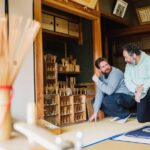
- A tea ceremony in a renovated traditional Japanese house, quiet and unhurried
- Seasonal wagashi pairing, designed to complement the tea
- Local chat for Japan trip ideas, handled in a relaxed, human way
- English instruction in a small, private setting, with room for questions
Inside the renovated tea room in Nara
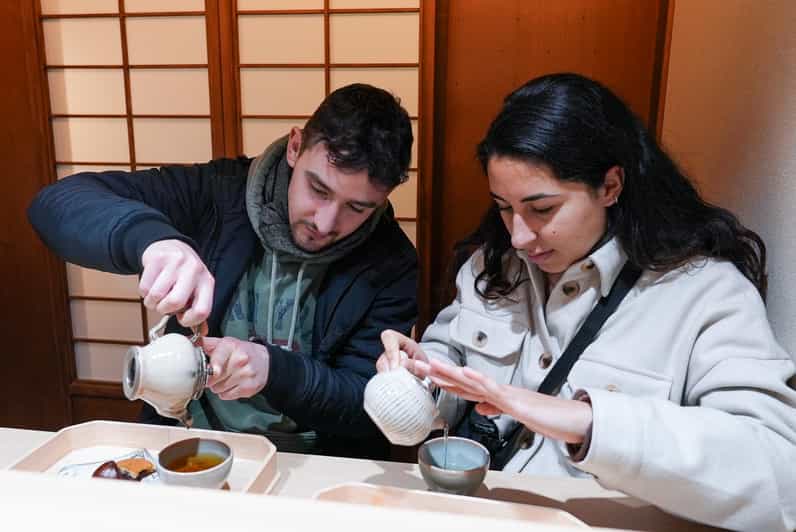
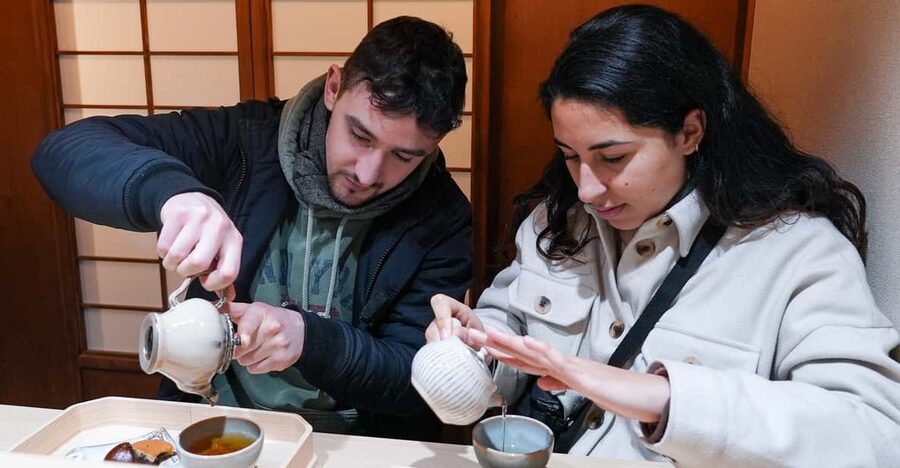
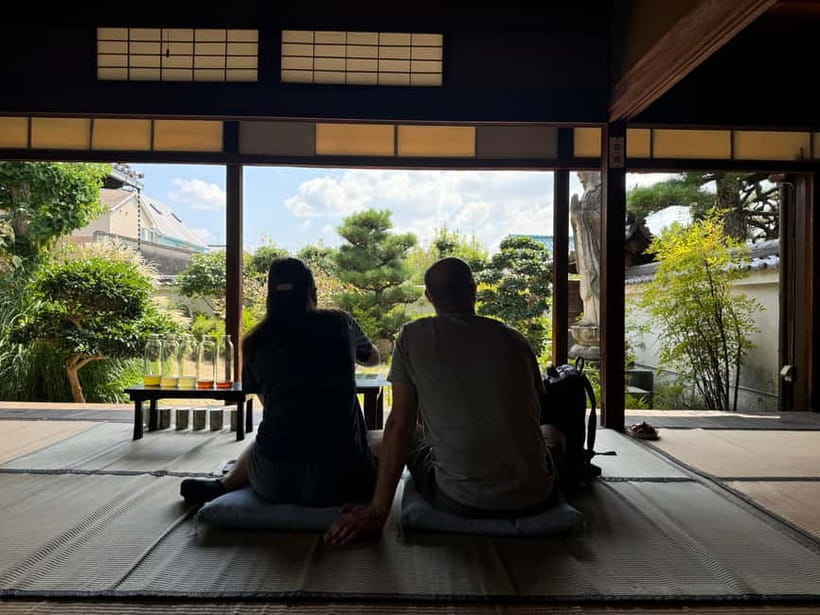
This is the kind of experience that makes you slow down on purpose. You are in Honshu, Japan, in Nara prefecture, and the whole setup is designed to feel like a break from noise. The tea room is in a renovated traditional Japanese house, which matters more than it sounds. When the space feels calm and dignified, your tasting becomes easier to pay attention to.
The structure is also straightforward. You start with a guided tasting that introduces the teas one by one. Then you move into a mindful tea ceremony with etiquette, tools, and guided steps. If you usually skip anything that feels too formal, don’t worry. The teaching is aimed at tourists, but it still keeps the ceremony’s core rules and respectful tone.
One practical note: while the duration is 90 minutes, plan mentally for a session that feels longer because you are sitting still and participating slowly. That is not a bad thing. It is just the reality of a ceremony where you learn by doing.
You can also read our reviews of more food & drink experiences in Nara
The five teas: how to taste more than five sips
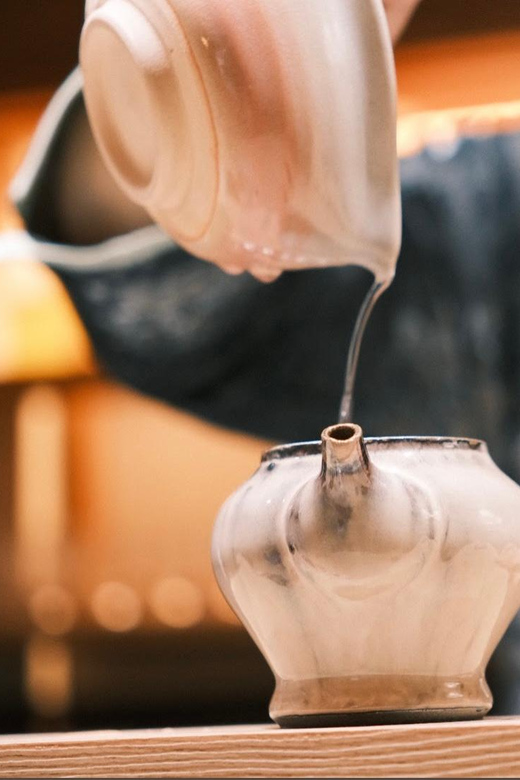
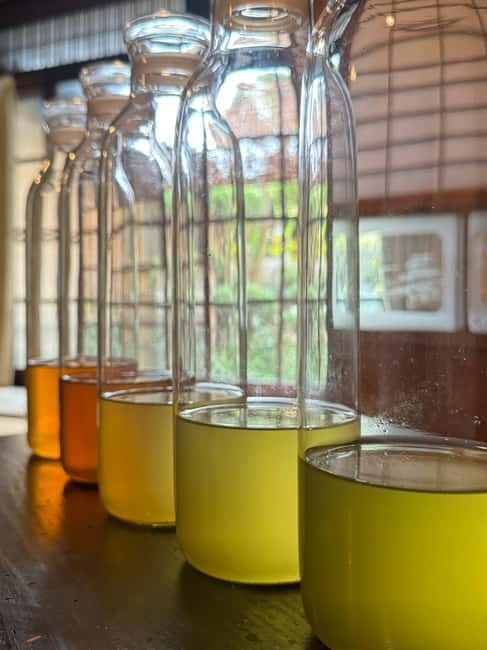
The heart of the tasting is sampling five expertly selected teas that are locally sourced in Nara. The goal is not just variety. Each tea is meant to teach you something: aroma, bitterness, sweetness, and how temperature changes the way it tastes.
Here is what this format does well for you:
- It gives you a baseline. Most people have had only one style of green tea. With five teas, you quickly learn what is typical and what is distinct.
- It trains your senses. You get guided attention, so you start noticing differences you would miss in a café.
- It helps you find a favorite on the spot. Instead of guessing what you like, you taste it in context, with someone showing you what to watch for.
From the session description, you can expect a range that often includes matcha aroma and mellow roasted teas. Even if you think you are a coffee person, tea can win you over once you taste it with the right expectations. Coffee tends to hit fast. Tea, especially in a ceremony setting, asks you to notice the middle and the finish.
After tasting, you typically choose your favorite tea for a pot-brewed serving. That matters because it turns your preference into something you experience fully, not just briefly. You are not only tasting five samples, you are ending with a cup made the way the tea master wants you to experience it.
Hands-on matcha: the technique that changes everything
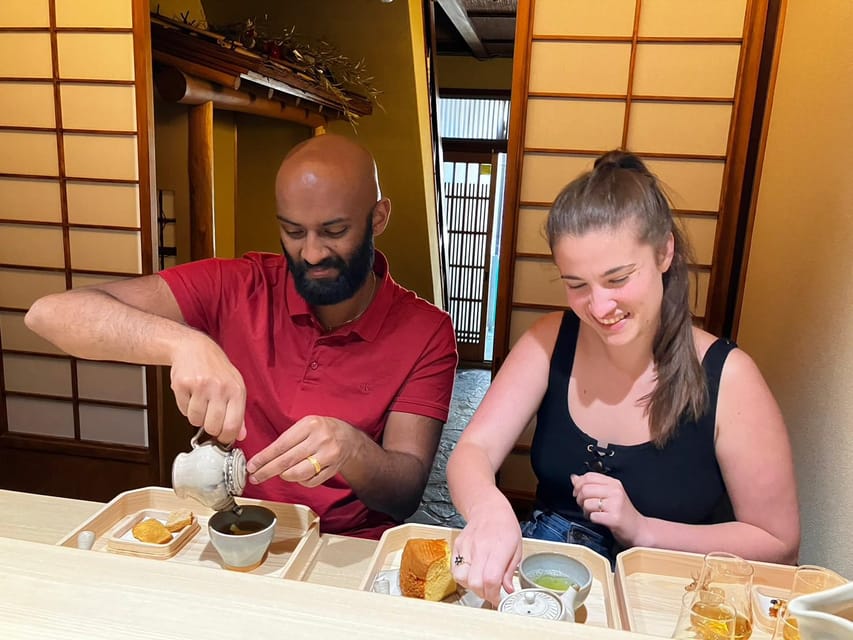
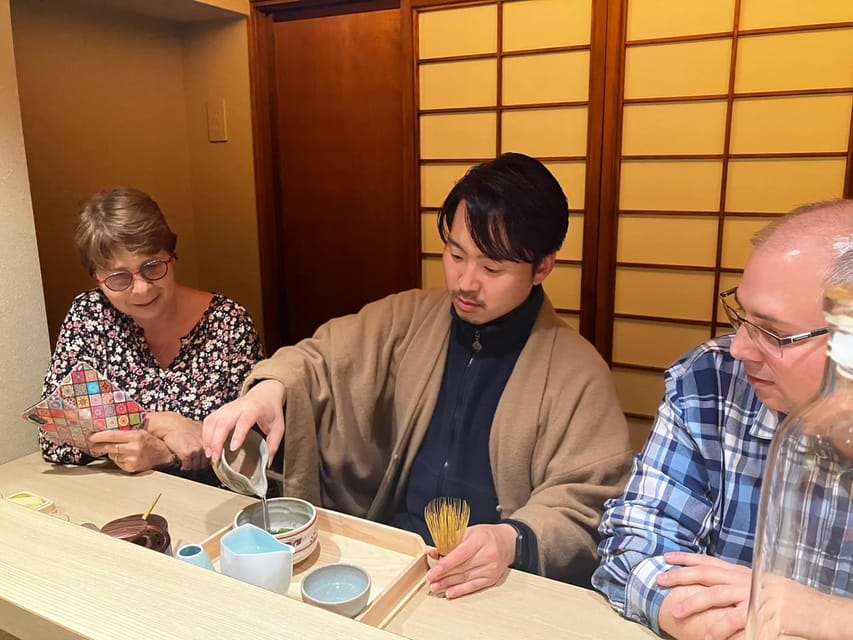
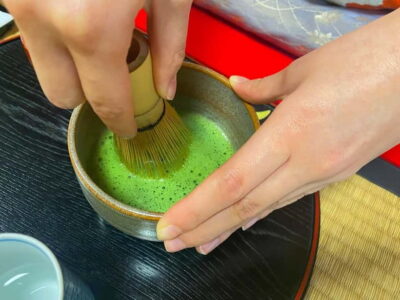
If you want a skill you can take home, this is it. During the ceremony, you whisk matcha yourself, with personalized feedback from the tea master. That one-on-one coaching is the difference between getting a nice drink and actually learning why matcha tastes the way it does.
What you learn here is practical:
- How the tea and whisk work together
- What the motion should feel like
- How to adjust your technique as you go
One review mentioned learning about the bamboo tea whisk craft, the tool itself, and how it supports the mixing process. That kind of detail is useful. It reminds you that matcha is not just ingredients. It is also equipment and method.
And yes, the ceremony is meant to be calm, but you will still do real work with your hands. The whole point is that matcha becomes a moment of focus. You are whisking, watching, smelling, and then tasting what you made.
The tea ceremony: etiquette and tools, explained for real people
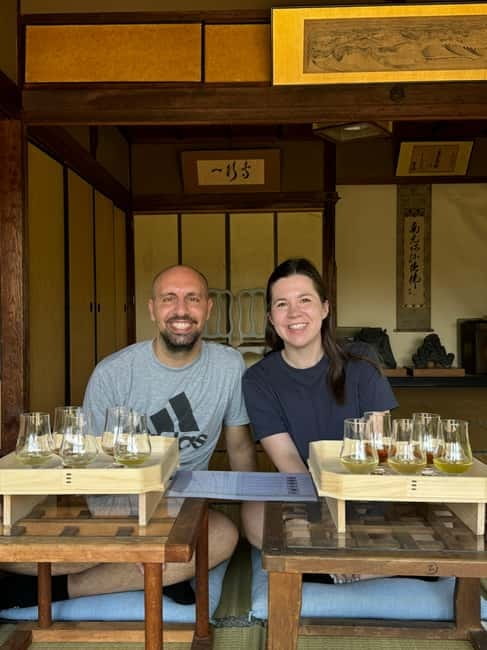
After the tasting comes the ceremony portion. Under guidance from a skilled tea master, you learn the tradition’s history, etiquette, and tools. That sounds big, but it is delivered in a way that does not overwhelm you.
This part tends to include:
- Learning what the tools are for, so you know what you are holding and why
- Picking up basic etiquette, so you do not feel awkward during a formal ritual
- Getting step-by-step guidance so your matcha whisking and tasting are intentional
The ceremony also gives you a structured pace. You do not have to decide what comes next. You just follow the cues, and you get corrected when needed. That is great for beginners who want authenticity without a crash course in cultural manners.
One more detail worth keeping in mind: this experience asks you to be present. You will likely need to sit on the floor and stay still for part of the session. If you tend to fidget, bring a patient mindset. The payoff is that the whole event feels quiet and controlled, not chaotic.
Wagashi pairing: why the sweets matter
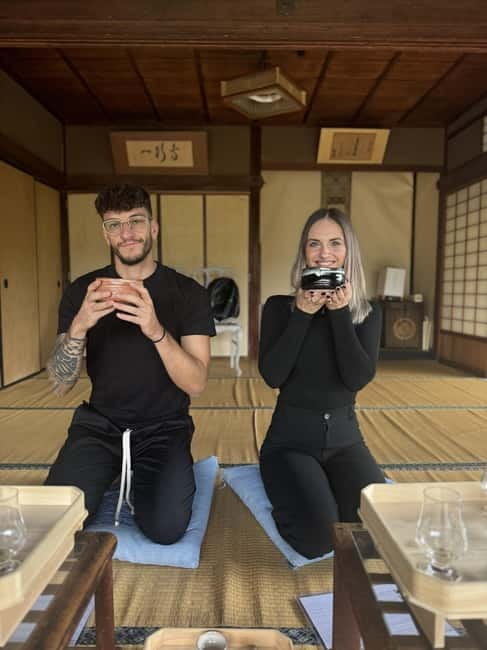
Tea ceremonies often include something sweet, and here you get authentic wagashi. The tasting includes two kinds of Japanese sweets. These sweets are not random snacks. They are meant to pair with the tea and help balance bitterness and aroma.
Wagashi is also a sensory match. You taste texture and flavor alongside the tea, so your experience becomes more complete than sipping only one-dimensional drinks. If you have ever found tea bland, this is one way ceremonies fix that. The sweets bring structure to the flavor.
Think of it as a guided comparison. You taste the tea, then taste with the wagashi. After enough tea and sweets combinations, you stop asking if you like tea, and you start asking what kind of tea you want more of.




Nara local tips: what you gain beyond the cup
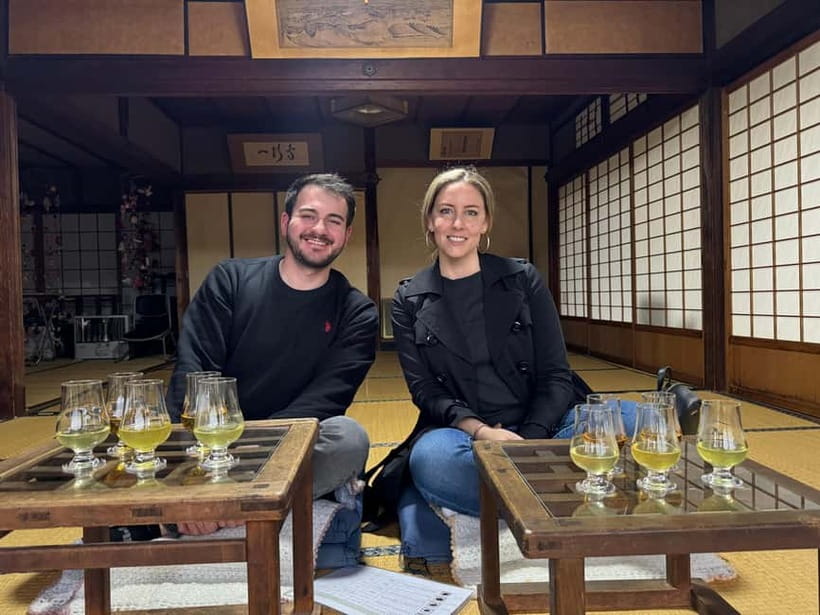
A big reason I like experiences like this is that they make you part of the local conversation. This one includes talking with locals for inside tips on places to visit while in Japan. That can be as simple as advice about what to see, when to go, and how to enjoy your time without overthinking.
You will often get better value from local guidance than from generic lists. In this case, the tips happen in the same calm setting as your tea learning. So you do not feel like you are being sold something. You feel like you are getting help planning the rest of your trip.
Also, because it is an intimate setting, you can ask questions that fit your style. If you like gardens, shrines, food, or slower days, you are more likely to get specific suggestions.
Price and value: is $61 per person a good deal?
The price is $61 per person, and the session lasts 90 minutes. On paper, that might sound like a lot for tea. In practice, you are paying for several things at once:
- Five tea tastings with guidance
- Hands-on matcha instruction with personalized feedback
- A full tea ceremony explanation, including tools and etiquette
- Wagashi included (two types)
- A private setting and English instruction
Where the value really shows is the coaching. Many tea experiences are mostly observation. Here, you participate, and you get feedback on technique. That turns the session into something you remember, not something you just consume.
If you are deciding between this and a more casual tea café stop, I would compare your goal. If you want a skill, a sensory education, and a calm cultural moment, this price starts to look fair.
Who should book this (and who should skip it)
This tour is designed for people who want something slow and respectful. It is listed as not suitable for children under 12 and pregnant women, so keep that in mind when planning.
You’ll likely love it if you:
- Like learning by doing, especially with food or drink
- Want a calmer, more personal cultural experience in Nara
- Enjoy matcha and want to improve beyond ordering
- Prefer a small, English-friendly setting where you can ask questions
You might want to skip it or choose another option if you:
- Need constant movement and struggle with floor seating
- Hate formal etiquette or long quiet segments
- Are traveling with someone who cannot sit still comfortably for a significant portion of the session
The experience is also wheelchair accessible, which is a positive for travelers who need mobility support. If you have accessibility needs, it is still worth checking details ahead of time so you know what the space and seating setup will feel like for you.
Practical stuff before you go
- Language: the instructor is English, so you should be able to follow the tools, etiquette, and tasting guidance without guessing.
- Group size: it is a private group, which typically means less waiting and more attention.
- Timing: plan for a calm start. This is not a grab-and-go stop.
- Comfort: wear clothing you can sit comfortably in for a while. You may need to keep still and focus.
If you are paying attention to comfort, you will enjoy the learning more. When your body is relaxed, you actually notice what the tea is doing.
Also, the session includes free cancellation up to 24 hours in advance and there is a reserve and pay later option. That is handy if you are building a multi-day Nara schedule and want flexibility.
Should you book it?
Book it if you want a tea experience with real instruction, not just sampling. The mix of five Nara teas, hands-on matcha practice, and wagashi pairing makes it feel like education you can taste. Add the private setting and English guidance, and it becomes a low-stress way to get authentic cultural context in a short window.
Skip it only if floor sitting and quiet formality will stress you out. If you can handle calm, seated participation, this is the kind of Nara activity that gives you more than a souvenir cup. You leave with a technique, a new flavor map, and a calmer way to see Japan for the rest of your trip.
FAQ
How long is the Nara tea tasting and mindful tea ceremony?
The experience lasts 90 minutes.
What is the cost per person?
The price is $61 per person.
What does the experience include?
It includes tasting 5 kinds of Japanese tea and enjoying 2 kinds of Japanese sweets.
Will the instruction be in English?
Yes, the instructor is English.
Is this a private group experience?
Yes, it is listed as a private group.
Is it suitable for children or pregnant women?
It is not suitable for children under 12 and it is not suitable for pregnant women.
Is the venue wheelchair accessible?
Yes, the experience is wheelchair accessible.
More Food & Drink Experiences in Nara



More Tour Reviews in Nara

Not for you? Here's more nearby things to do in Nara we have reviewed





Kyoto Tea Ceremonies, compared.
 ★ 4.9Tea Ceremony in a Traditional Tea House in KiyomizuFrom $493,519 reviews
 ★ 4.9Tea Ceremony Ju-An at Jotokuji TempleFrom $293,207 reviews
 ★ 4.345-Minute Tea Ceremony Lesson ExperienceFrom $222,378 reviews
 ★ 5.0World Heritage Kyoto & Nara Uji Authentic Matcha ExperienceFrom $1291,573 reviews
 ★ 4.9Table-Style Tea Ceremony at a Kyo-MachiyaFrom $451,211 reviews
 ★ 5.0Kimono Tea Ceremony at Kyoto Maikoya, NISHIKIFrom $65911 reviews
 ★ 5.0Arashiyama Bamboo Forest, Monkeys, Matcha & Temple TourFrom $53759 reviews
 ★ 4.9Tea Museum Tickets and Matcha Grinding ExperienceFrom $23739 reviews
Browse the lists this tour appears in