
Reviewed · KYOTO TEA CEREMONIES
Nerikiri and Matcha Making Class in Kyoto
Five tiny sweets, one calm lesson. That is the appeal of this Kyoto workshop, where you learn the Japanese tea-ceremony style confection nerikiri and pair it with a hands-on matcha moment. It is structured, peaceful, and very learnable, not just a casual tasting.
I especially like that you get to make 5 designs instead of watching from the sidelines. I also like the way the class is organized around step-by-step shaping, then finishing with tasting your own matcha and nerikiri together.
One thing to consider: this is a hands-on class with limited space, and the session is limited to participants only, so it is not a good fit if you want to bring along spectators. Also, the experience is non-refundable.
Key highlights you will care about
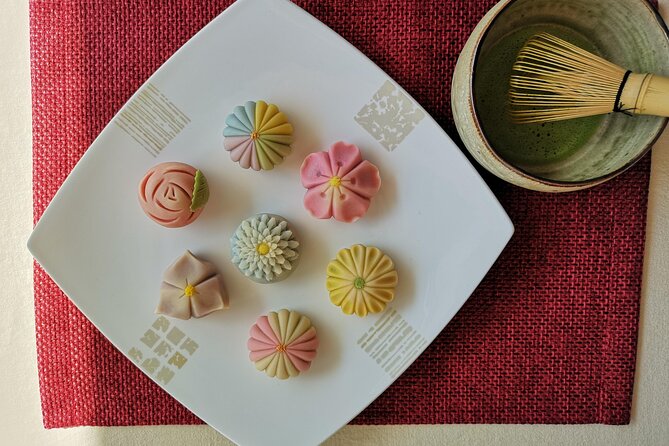
- Make 5 nerikiri designs with guided shaping techniques and tools
- Learn table-style matcha and taste what you make
- Small group, max 8 people for more attention and less crowding
- Take your nerikiri home in a provided container
- Get nerikiri dough recipes by email after the class (2 versions)
Kyoto Nerikiri and Matcha, the kind of class that slows your day down
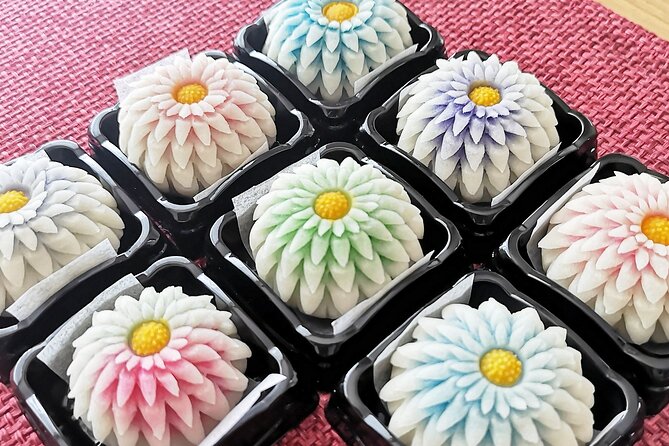
Kyoto already moves at a slower pace than most cities, but this class brings that calm into your hands. Nerikiri are delicate Japanese sweets shaped for the tea ceremony, so the focus is naturally quiet and precise. You are not just collecting photos. You are learning techniques that turn a lump of dough into a specific form.
The best part is that the class treats the process like a skill. You start with the basics of the dough, then you practice shaping. That is why it feels both relaxing and productive. In a good way, you end the session knowing what to do next time, even if you never plan to copy a perfect tea-ceremony display.
And then comes matcha. Instead of rushing to the next stop, you sit with what you made. You taste the sweet shapes and the tea you prepared, so the experience lands as a full little ritual.
More Kyoto temple visits, food tours, tea experiences, and day trips to compare

Finding the class near Matsugasaki Station, and why location matters
The class starts at Matsugasaki Station. It is listed as near public transportation, which makes it easier to slot into a Kyoto day without a lot of planning gymnastics. The activity ends back at the meeting point, so you are not stuck figuring out a new route at the end when you might be tired from kneading and shaping.
The start time is 10:00 am, and the total duration is about 2 hours 30 minutes. For scheduling, that is a sweet spot. You can do it before lunch, or plan it as your main morning activity and then build the rest of your day around a relaxed meal afterward.
You will use a mobile ticket, so have your ticket ready on your phone. This is usually straightforward, but it is still worth doing a quick check before you leave your hotel.
What you will actually do in the 2.5-hour session
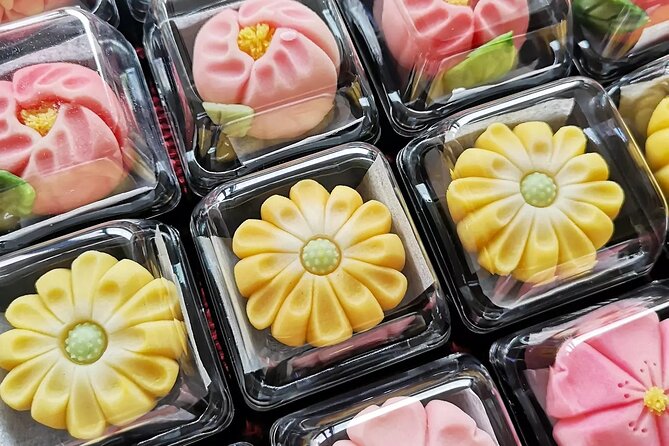
This is a structured class with clear steps, not a vague food tour. You will spend time learning nerikiri, then make and taste matcha.
Here is the flow you can expect.
1) Nerikiri basics: dough first, so shaping makes sense
You begin with an explanation of how to make the nerikiri dough, step by step. Even though the dough itself will be prepared by the instructor before the class, you still get the logic of what you are working with. That matters because nerikiri dough needs to be handled correctly to shape without cracking or losing detail.
So even if you do not mix ingredients yourself in this session, you leave with a mental model for how the dough should behave and why the instructor’s method works.
A peaceful class is nice. A useful one is better. This part leans toward useful.
2) Shaping practice: make 5 designs using different techniques and tools
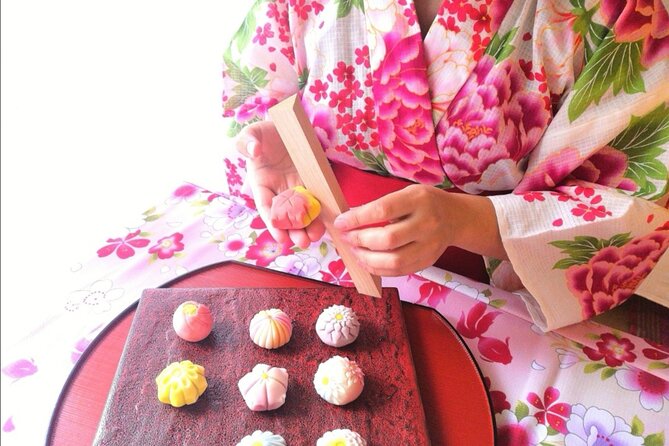
Next, you will make 5 nerikiri designs. The instructor explains and demonstrates the design steps, then you repeat the process yourself. You learn how to shape the sweets using different techniques and various nerikiri tools, which is a big deal. Tools are not just accessories here, they are part of the craft.
Practically, making five pieces gives you repetition without turning the class into a long grind. You will feel your hand learn as you go, especially once you see how the guidance applies from one design to the next.
The class also keeps the pace manageable. Nerikiri can look fussy, but the structure helps you make progress with each design. That is exactly the kind of balance you want in a short workshop: delicate results with realistic learning.
3) Matcha time: brew table-style, then taste your own set
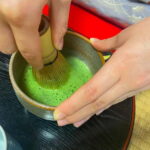
After the nerikiri shaping, you move to matcha. You will make matcha in a table-style format, then enjoy your tea together with the sweets you created.
This is a key part of value. Many food classes teach one thing, then move on. Here, the tasting is connected to what you made. You get to experience how the flavors and textures play off each other: sweet bean-based nerikiri and matcha tea, prepared by you.
You are not just consuming. You are comparing what you made and how it tastes.
Nerikiri craftsmanship: what makes this different from a typical snack workshop
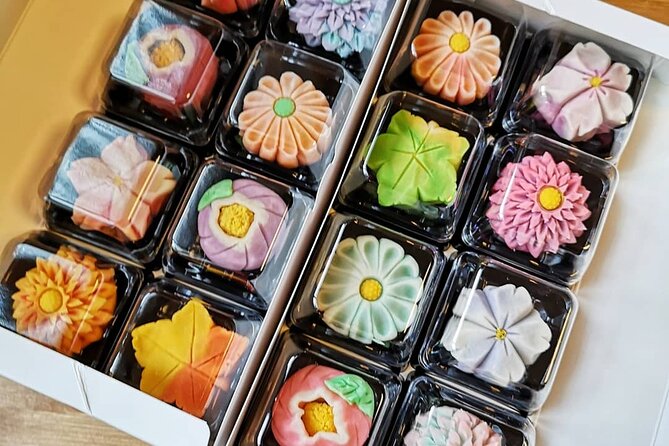
Nerikiri are served at tea ceremonies, and they are known for beautiful shaping. The shapes are not random. They require careful handling and attention to detail, even when the design itself is approachable for beginners.
This class leans into that craft in a realistic way.
You learn the dough foundations first, then you practice shaping five designs. That reduces the common beginner frustration of trying to copy details without understanding what the dough is doing under your hands. You also use tools, and that helps you learn technique instead of fighting the material.
The other difference is the tone. This session is described as peaceful and therapeutic. That matters because nerikiri shaping is not a power-through task. You need patience, and the class structure supports that. If you like learning by quiet focus, this fits well.
Matcha you can repeat: table-style, hands-on, not mysterious
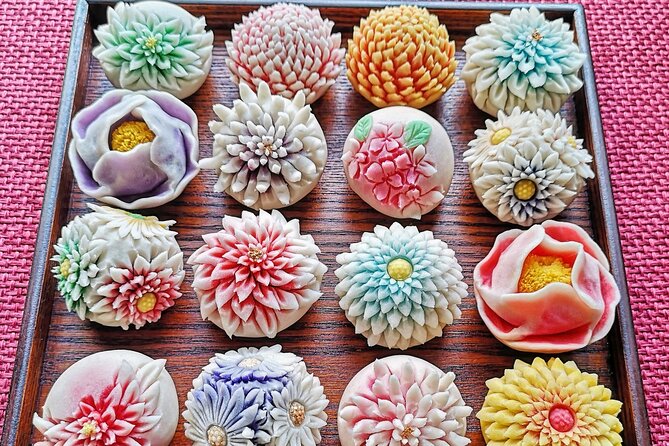
Matcha has a reputation for being complicated, but in this class you get a practical version of it. The session is table-style, which usually means you are working right where you sit, rather than in some distant demonstration area.
You make the matcha, then you taste it. That combination is what helps it stick. You can remember the steps better when you connect them to flavor and texture.
Also, you are tasting alongside your own nerikiri. That turns matcha from a standalone drink into part of a small paired experience. Even if you do not become a tea ceremony expert, you leave with a better sense of how matcha is meant to be experienced.
Tools, repetition, and why making five pieces builds real confidence
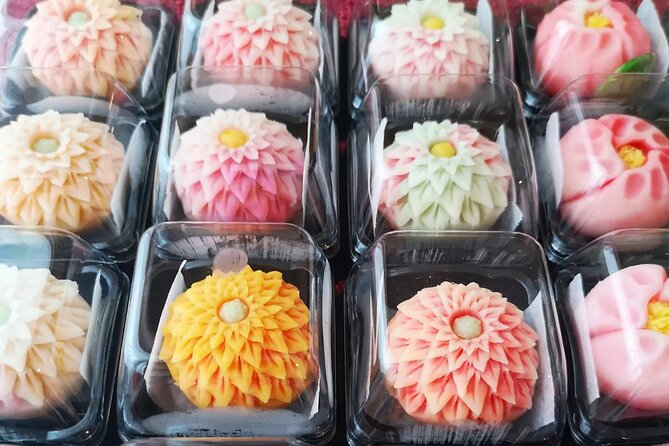
Five designs is not just a number. It is a learning strategy. One design can be a fluke. Five designs usually mean you improve, because you see what changes from one piece to the next and you get more chances to correct your technique.
Here is what that does for you:
- You learn how to handle the dough so it stays workable.
- You see which shaping moves require patience versus which moves are quick.
- You start to recognize how tool choices change the final look.
And because the class is capped at a maximum of 8 travelers, you are not lost in a crowd. Smaller groups usually mean you can get more direct attention during shaping practice.
What you take home, and how the experience keeps going after Kyoto
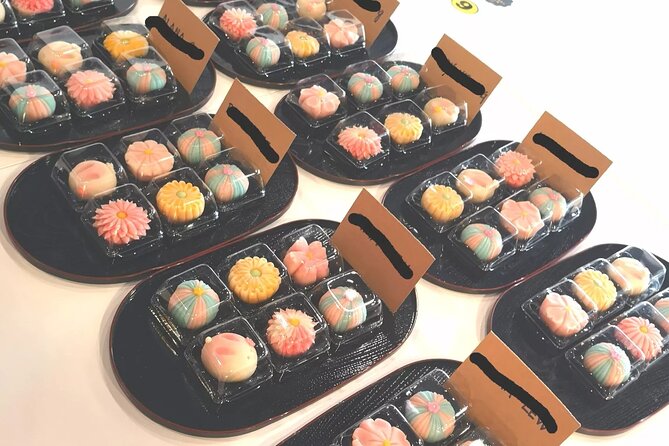
This class is not limited to what happens while you are seated. You can take the rest of the nerikiri home, and a container is provided.
That is more than convenience. It lets you extend the craft into real life. You can share the sweets, or you can taste them later and notice how the texture changes over time.
You also get follow-up support. You will receive two versions of nerikiri dough recipes via email after the class, for anyone who wants them. That is a valuable detail for people who like practicing later, or for anyone who wants a reliable reference rather than memory alone.
Price and value: what $84.92 buys in real terms
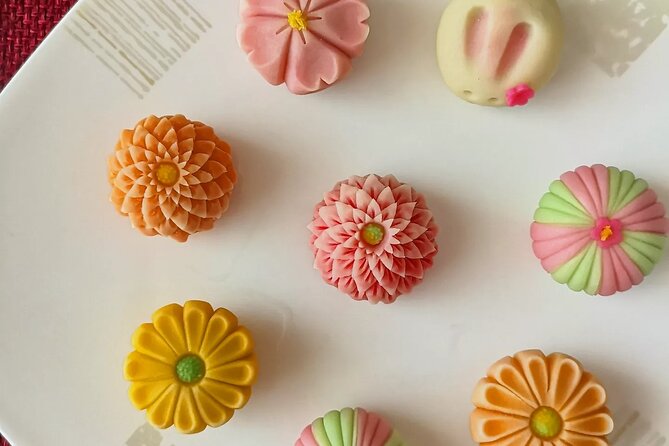
The price is $84.92 per person, and it is typically booked about 29 days in advance on average. That timing detail is useful because it suggests the class can fill up, and with a small maximum group size, you do not want to leave it to the last minute.
To judge value, look at what is included. You receive:
- 5 nerikiri
- Matcha
- A container to take extra sweets home
So you are paying for ingredients, instruction, and hands-on shaping practice, plus the matcha-making portion. You are also paying for the craft focus. Nerikiri shaping with tools is a specific skill, not a generic cooking class.
Could you do something cheaper in Kyoto? Sure. But you would likely trade away the guided step-by-step practice, the small group size, and the take-home plus recipes by email.
In other words, if you want a Kyoto experience that feels genuinely hands-on, this price can make sense.
Who this Kyoto class suits best
This experience is best for you if:
- you want a unique Kyoto activity that is calm and focused
- you enjoy learning a craft, not just eating the result
- you like structured guidance and clear step-by-step instruction
- you want something you can bring home, including sweets and recipes
It also has a clear minimum age: participants must be older than 10. If you are traveling with younger kids, this one may not work.
It is also participant-only. The class notes that only people participating may attend due to limited space, with no spectators. So if you want a watch-only cultural experience, you may need to choose a different kind of tea workshop.
Logistics that can trip you up, and simple ways to prevent it
The biggest practical considerations are not complicated.
First, plan your arrival. The start time is 10:00 am, and it begins at Matsugasaki Station, so you will want to get there with enough buffer to find the exact meeting point comfortably. Since you are using a mobile ticket, also make sure your phone is charged enough.
Second, respect the participant-only rule. No spectators means you cannot “bring an extra person to watch.” If you are traveling as a group, coordinate who is actually booked.
Third, be aware the dough is prepared by the instructor before class. That is not a downside, it just changes what you are doing. You are practicing shaping and technique, plus learning the dough method conceptually. If you want ingredient mixing and hands-on dough prep from scratch, this might feel different than you expect.
Finally, private transportation is not included. If you are coming from far across Kyoto, plan your transit accordingly.
Should you book this Nerikiri and matcha making class in Kyoto?
I think this is a strong book if you want a Kyoto experience that is both calming and genuinely skill-based. The combination of 5 nerikiri designs, guided tool practice, and table-style matcha tasting is a great use of a morning. The small group size also matters, because it supports a smooth, patient learning environment.
Book it if you are the type of traveler who likes slow, detailed activities, and you want something more memorable than a quick snack stop. It is also a great fit for anyone who wants a take-home element plus recipe support by email.
Skip it if you need a watch-only cultural outing, or if your travel group includes kids younger than 10. And if you are unsure about your schedule, remember the experience is non-refundable and cannot be changed.
If you want one Kyoto activity that feels like you are learning, not just consuming, this class is the kind that makes you feel proud of the results. You leave with sweets, tea, and a technique you can try again later.
FAQ
What will I make during the class?
You will learn nerikiri shaping and make 5 designs. You will also make matcha tea (table-style) and taste the nerikiri and matcha together.
How long is the Nerikiri and Matcha making class?
The class lasts about 2 hours 30 minutes.
Where do I meet the instructor?
You meet at Matsugasaki Station (Matsugasaki Rokunotsubocho, Sakyo Ward, Kyoto, 606-0915, Japan).
What time does the class start?
The start time is 10:00 am.
How big is the group?
The class has a maximum of 8 travelers.
Is the class suitable for kids?
Participants must be older than 10.
Can non-participants watch the class?
No. Only people participating in the class may attend due to limited space. No spectators are allowed.
What is included in the price?
Included are 5 nerikiri, matcha, and a container to take the rest of the nerikiri home.
Will I receive a recipe after the class?
Yes. The instructor will send two versions of nerikiri dough recipes by email after the class. You need to provide your email address if you want them.
Is transportation included?
No. Private transportation is not included.
More Workshops & Classes in Kyoto
More Tour Reviews in Kyoto

Not for you? Here's more nearby things to do in Kyoto we have reviewed



Kyoto Tea Ceremonies, compared.
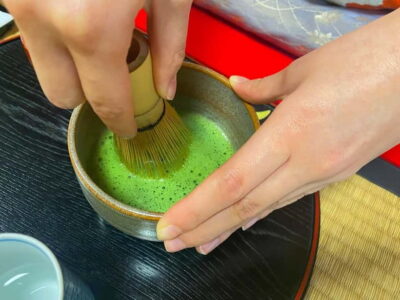 ★ 4.9Tea Ceremony in a Traditional Tea House in KiyomizuFrom $493,519 reviews
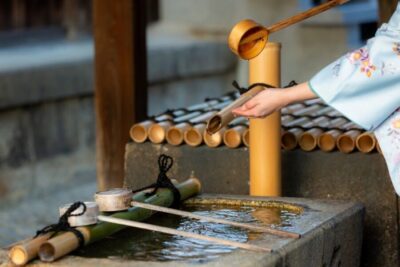 ★ 4.9Tea Ceremony Ju-An at Jotokuji TempleFrom $293,207 reviews
 ★ 4.345-Minute Tea Ceremony Lesson ExperienceFrom $222,378 reviews
 ★ 5.0World Heritage Kyoto & Nara Uji Authentic Matcha ExperienceFrom $1291,573 reviews
 ★ 4.9Table-Style Tea Ceremony at a Kyo-MachiyaFrom $451,211 reviews
 ★ 5.0Kimono Tea Ceremony at Kyoto Maikoya, NISHIKIFrom $65911 reviews
 ★ 5.0Arashiyama Bamboo Forest, Monkeys, Matcha & Temple TourFrom $53759 reviews
 ★ 4.9Tea Museum Tickets and Matcha Grinding ExperienceFrom $23739 reviews
Browse the lists this tour appears in