
Reviewed · WALKING TOURS
One-Day Walking Tour : Enjoy Kyoto to the fullest!
Kyoto in one day is a real sprint. This walking tour strings together the big hitters: Arashiyama Bamboo, Kinkaku-ji, Gion, and Fushimi Inari, with a guide who helps you keep the day flowing from area to area.
I like the early timing for the bamboo forest, plus the mix of temple splendor and street-level Kyoto life. You also get a private group format, so the pace stays human.
One drawback to think about up front: this is a long walking day. If you are sensitive to heat or have limited stamina, plan accordingly.
Key things worth knowing before you go
- Bamboo forest early means softer light and less scramble as the area gets busy
- Golden Pavilion at a controlled pace so you can actually look, not just pass through
- Gion stroll with geisha sightings as a possibility, not a promise
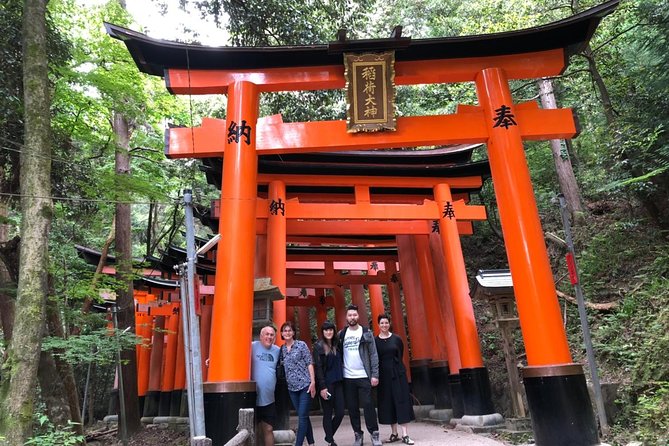
- Fushimi Inari’s torii tunnel is the perfect finish for photos and quiet moments
- Your guide handles the logistics, including public transport navigation
Kyoto’s Highlights, Packed Into One Long Walking Day
This tour is built for people who want Kyoto’s most famous scenes without spending your whole trip hopping between guidebooks and train maps. It runs about 8 hours, starting at 9:00 am and ending back at Kyoto Station Building 9:01? (Yes, it returns to the start point.)
You should expect a steady rhythm: walk, look, learn, then move on again. The good news is that the route is tightly designed around four iconic areas. The other good news is that the guide focus is not just reciting facts, but helping you understand what you are seeing and how to move efficiently.
You can also read our reviews of more walking tours in Kyoto
Price and Logistics: What You Actually Pay For
The base price is $131.14 per person, and the tour includes the guide fare. That matters, because you are not paying only for sightseeing, you are paying for someone to steer the day: timing, walking order, and the “how do we get there” problem.
Not included costs are clearly listed: ¥500 admission fee per person, plus ¥1,500 public transportation fare per person. Meals are also not included. Add those into your budget so there are no surprises, and you can then focus on what you came for: Kyoto’s top sights.
Also, this is a mobile ticket tour, and you meet at Kyoto Station (901 Higashishiokōjichō, Shimogyo Ward). If you have ever wrestled with Kyoto connections during peak hours, you will appreciate why a guide-based plan is so calming.
Stop 1: Bamboo Forest Street in Arashiyama Before It Gets Crowded
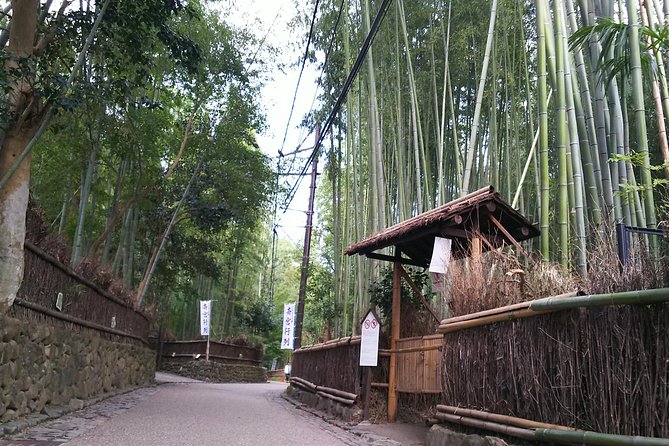
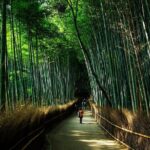
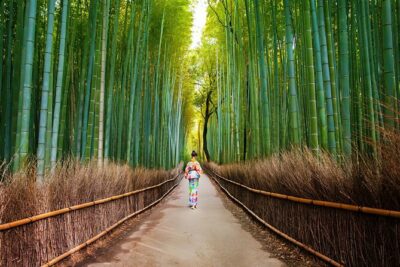
The day starts with fresh air and the famous bamboo grove, at the moment when it is still calm. The whole pitch here is simple: go early, before the area becomes a magnet for day-tour traffic. You get the kind of bamboo light that feels gentle rather than harsh, and it is easier to slow down and actually absorb the place.
This part also sets the tone for the day. Bamboo is not about one perfect photo. It is about the mood, the way the trunks line up, and the sense of being in a natural corridor. I like tours that give you enough time to pause. Here you have about 1 hour, with the tour pacing designed to let you stop and look.
Practical note
Wear good walking shoes. Even if the ground is not dramatic, Arashiyama paths can still be uneven and slippery when you have morning mist or later rain.
Stop 2: Kinkaku-ji Golden Pavilion, Icon of Samurai-Era Prestige
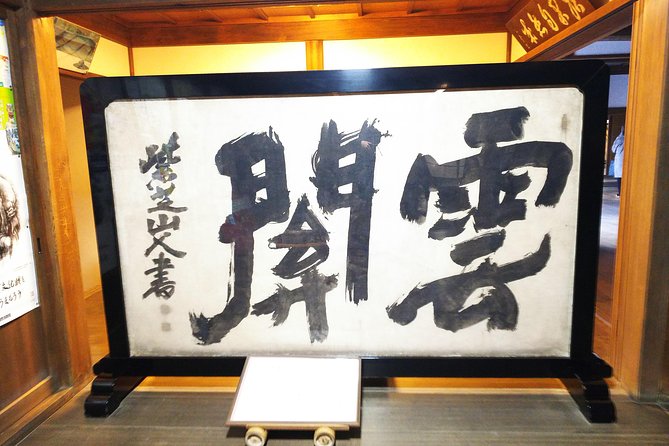
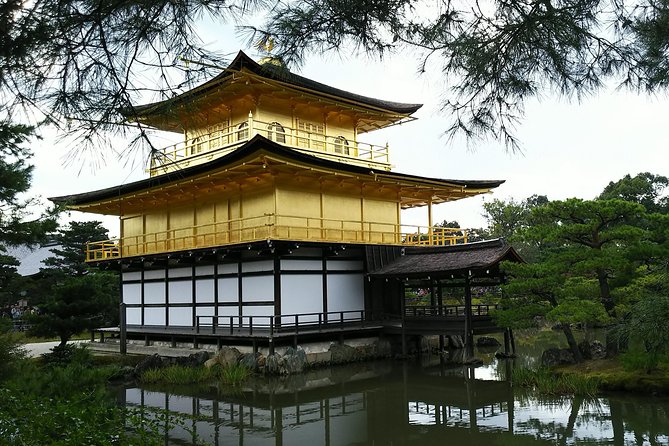
Next is Kinkaku-ji Temple, the Golden Pavilion, one of Kyoto’s most recognizable icons. The guide approach is the value here: you are looking at more than gold leaf. You are seeing a structure tied to Japan’s samurai history, and you can learn why this temple became what it is after the shogun-era villa story.
You get about 1 hour at this stop. Admission is not included, and there is an expected ¥500 admission fee per person. Plan for that as a normal part of the experience, not as an extra “gotcha.”
If you only ever see Kinkaku-ji from afar, you miss details. With a guide, you can pay attention to what matters: the contrast of the gold surfaces against the surrounding garden textures, the architectural feel, and the way the building reflects in the water feature when conditions allow. It is one of those sights where the context makes your photos look smarter, even if you are not chasing perfection.

Stop 3: Gion District Walk Where Traditional Kyoto Still Shows Up
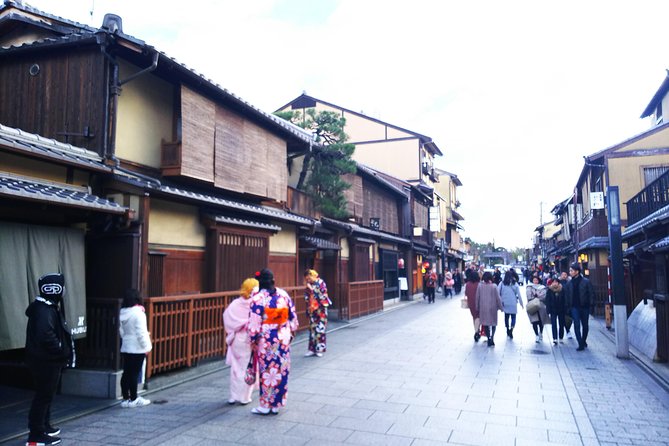
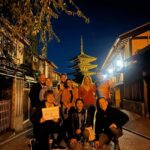
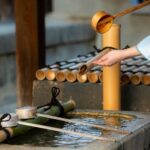
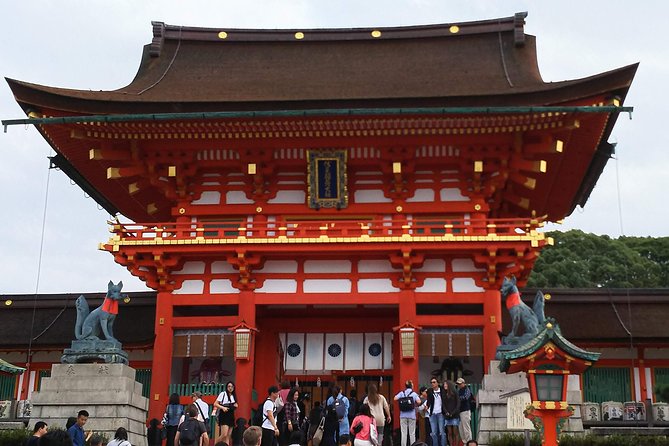
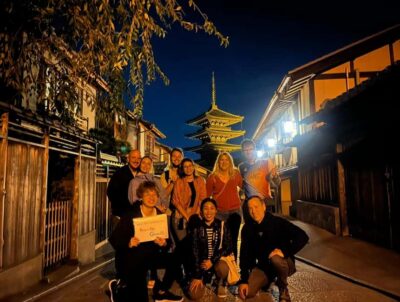
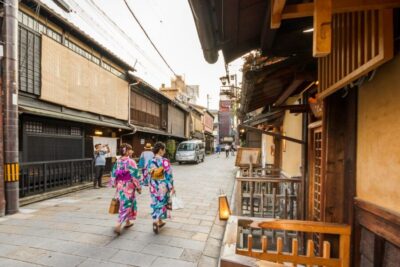
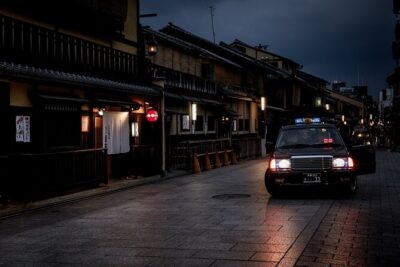
After temples, you shift into street-level Kyoto with Gion. This is where the day stops feeling like a checklist and starts feeling like a place. Gion is famous for tea houses, traditional streets, and the possibility of seeing geisha moving between engagements.
Your time here is about 40 minutes, and there is no admission fee listed for this part. That makes Gion one of the best “value per minute” stops on the route. You get to wander without feeling like you are buying another ticket every time the route turns.
The realistic tip: do not treat a geisha sighting like an activity goal you can control. Treat it like a bonus. The tour’s advantage is that your guide can point out what to look for and how to watch respectfully while you enjoy the neighborhood vibe.
Bonus value from past guides
A recurring theme from guide feedback is how well they help with the flow. For example, guides like Noriko and Fuji were praised for pace and for noticing details you might miss on your own, especially around photo angles and street scenes.
Stop 4: Fushimi Inari-taisha and the Torii Gate Tunnel Walk
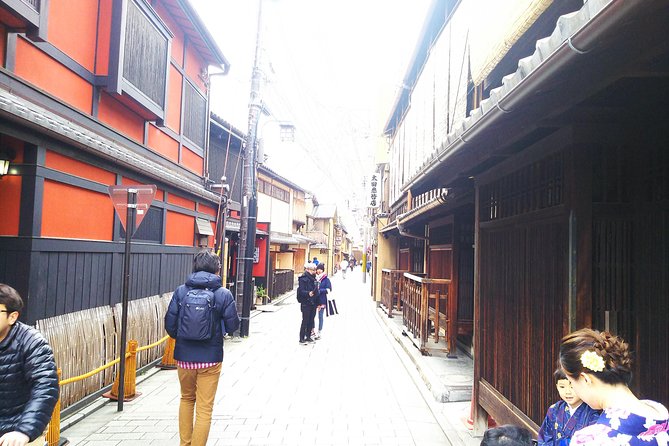
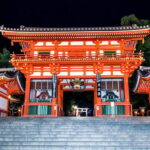
Finish with Fushimi Inari-taisha Shrine, famous for the tunnel of vermillion torii gates. This is not just a pretty background. It is a walking experience with a built-in rhythm: you move forward through gates, you pause, you look back, you keep going. The stair-and-walk feel also makes this a satisfying end to a day that began with bamboo calm.
You get about 1 hour here, and admission is listed as free for this stop. That means your money focus stays on the big-ticket guided parts and the earlier admission cost.
This is also where the tour’s timing and pacing really matter. If you rush, you barely feel it. If you stop at the right moments, it turns into a slower, almost meditative stretch through red gates and shrine details.
Photo and comfort tip
Plan to do this at your own pace within the group flow. The gates can tempt you to sprint for photos. Resist that. Take a few steps, look up, then turn your attention to the shrine elements nearby.
Why the Guide Matters More Than You Think (Names Included)
On paper, this looks like a route with four famous stops. In real life, Kyoto logistics are where a good guide turns the day from tiring into smooth. Multiple named guides were praised for things that make the experience feel worth the money:
- Navigation help: Guides like Noriko and Kazuhiro were noted for helping groups get through train or transit systems without stress.
- Heat and comfort: One guide, Hironori, was praised for keeping people hydrated and seeking shade when it got brutally hot.
- Flexible pacing: Seiya was specifically mentioned for adjusting the schedule for a family group, even skipping lunch time to keep everything smooth.
- Storytelling style: Naoko and Satomi were praised for making history feel understandable, not just listed facts.
That flexibility is not a luxury in Kyoto. It is what keeps an eight-hour walk from turning into a rushed blur.
If you want a practical takeaway, it is this: choose the tour where the guide actively manages pacing and transport, not one where you just follow a route on your own. Here, the guide role is built into the day design.
Getting the Most Out of the Walking Portion
This tour is explicitly described as requiring moderate physical fitness and includes quite a bit of walking. That is not a warning to scare you off. It is a heads-up so you prepare like you would for a full day out in any major city.
Here’s how I’d set yourself up for success:
- Wear shoes that you trust on long walks, not stylish ones
- Bring water and a small towel, especially in warm weather
- Use the guide’s timing, particularly at bamboo and Fushimi Inari, where you will be tempted to slow down for photos
And one more small note. The tour is private for your group. That typically means you can move at a pace that suits you better than large bus tours. Still, you should expect to keep moving.
When This Tour Fits Perfectly (And When It Might Not)
This is an excellent fit if you want:
- Kyoto highlights in one day without spending your energy figuring out transit
- A guide who adds meaning to major sites, from Kinkaku-ji’s background to the shrine world at Fushimi Inari
- The chance to walk through different Kyoto vibes, bamboo, temple grandeur, Gion streets, then torii gates
It is not the best fit if:
- You cannot handle long walking stretches in heat
- You prefer free-form wandering with no schedule at all
Also, this is listed as suitable for people with moderate physical fitness level, and service animals are allowed. That helps make it realistic for more travelers, as long as your body can handle the day.
Should You Book This One-Day Kyoto Walking Tour?
Book it if you want a guided day that hits the main sights without making you do the thinking for logistics. The value here is not just four famous stops. It is the way the plan sequences those stops, plus the guide support for moving through Kyoto efficiently.
Skip or consider alternatives if you hate long walking days, or if you want a slower pace that lets you linger in one place for half the day. This tour moves.
My final advice is simple: if your goal is Kyoto’s top hits plus a guide who helps you stay comfortable and organized, this is a strong pick. If your goal is maximum relaxation, plan a slower day elsewhere and save your energy.
FAQ
What is the tour duration?
The tour lasts about 8 hours.
What time does the tour start and where do we meet?
It starts at 9:00 am at Kyoto Station Building (901 Higashishiokōjichō, Shimogyo Ward, Kyoto).
Is the tour private?
Yes. It is listed as a private tour/activity, meaning only your group participates.
What sights does the tour include?
The day includes a bamboo grove walk, Kinkaku-ji Temple, a Gion district stroll, and Fushimi Inari-taisha Shrine.
What is included in the price?
The tour includes the guide fare.
What extra costs should I budget for?
Admission is listed as ¥500 per person, public transportation as ¥1,500 per person, and meals are not included.
Is mobile ticketing used?
Yes, it includes a mobile ticket.
What happens if the weather is bad?
This experience requires good weather. If it is canceled due to poor weather, you will be offered a different date or a full refund.
More Walking Tours in Kyoto


More Tours in Kyoto

More Tour Reviews in Kyoto
Not for you? Here's more nearby things to do in Kyoto we have reviewed




Walking Tours, compared.
 ★ 4.7Kyoto Geisha Walking Tour: Gion District & Hidden GemsFrom $253,273 reviews
 ★ 4.9Gion Magical Night Walking Tour with Geisha TriviaFrom $242,393 reviews
 ★ 4.7Gion Geisha District Walking Tour – Stories of GeishaFrom $202,187 reviews
 ★ 4.5Night Walk in Gion: Kyoto’s Geisha DistrictFrom $212,003 reviews
 ★ 5.0Kyoto Gion Geisha District Walking Tour – The Stories of GeishaFrom $251,441 reviews
 ★ 5.0Nishiki Market Brunch Walking Tour (7 Tastings + Brunch)From $681,355 reviews
 ★ 5.0Kyoto Arashiyama Walking Tour: Bamboo, Monkeys, Gardens & SecretsFrom $651,216 reviews
 ★ 5.0Kyoto Gion: 2-Hour Geisha Culture & History Walking TourFrom $231,186 reviews
Browse the lists this tour appears in