
Kyoto feels calmer when you walk it slowly. I love Nanzen-ji for its grand Zen architecture, and I love the Philosopher’s Path for the quiet cherry-tree walk and classic canal views. One thing to plan for: you will pay several temple admissions on top of the $61 price, and it does involve a fair amount of walking.
This half-day route is built for people who want meaning, not just ticking off landmarks. You get a real morning mindset, guided in English, with a practical coffee break at Blue Bottle Coffee Kyoto Cafe inside a 100-year-old townhouse.
If you are the type who hates crowds and loves pauses to look, this tour fits. Just know it is not a good match if mobility limits you, even though it lists wheelchair accessibility, so check carefully if that is your situation.
Key points before you go
- Nanzen-ji set the tone with the Sanmon Gate, Hojo Garden, and the Lake Biwa Canal aqueduct
- A short Blue Bottle stop in a 100-year-old townhouse gives you a reset without breaking the flow
- Eikando (Zenrin-ji) slows you down with an Amida Buddha statue and a seasonal pond garden
- Philosopher’s Path is the quiet connector, lined with cherry trees and seasonal flowers
- Ginkaku-ji (Jisho-ji) delivers wabi-sabi through the white sand garden, moss garden, and study hall
Kyoto stays calm on this four-stop walk
This is the kind of Kyoto day that feels less like sightseeing and more like a guided walk through ideas. The route strings together Zen temples and garden design, then uses the Philosopher’s Path as a gentle corridor that keeps the pace human.
The total time is 4 hours, with scheduled guided portions and breaks for your own looking. That matters because Kyoto’s best moments are rarely the ones you rush through. A guide helps you spot details you might otherwise miss, like how each garden is composed to be seen slowly, from specific angles.
You can also read our reviews of more walking tours in Kyoto
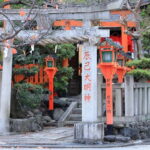
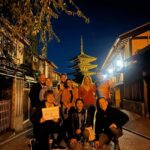
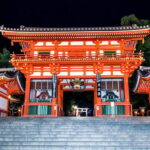
Nanzen-ji first: Sanmon Gate, Hojo Garden, and the canal aqueduct
You start at 蹴上駅 and head straight into Nanzen-ji, one of Kyoto’s anchor temples for Zen architecture and garden craft. Plan on about an hour here, which is a good amount of time because Nanzen-ji is not just a photo stop. It is a whole mood shift.
What to focus on:
- The Sanmon Gate, imposing and built to signal importance as you approach
- The Hojo Garden, the kind of garden where the design rewards patient viewing
- The brick aqueduct of the Lake Biwa Canal, a surprising, very practical piece of landscape engineering tucked into the temple setting
This opening is smart. Nanzen-ji gives you the visual vocabulary for the rest of the route. Once you have those architectural cues in your head, the later gardens at Eikando and Ginkaku-ji make more sense.
Practical tip
Wear shoes you trust. Temple grounds can be smooth in one spot and slippery or uneven in another, and you will want your footing for calm, unhurried walking.
A 100-year-old townhouse coffee reset at Blue Bottle Kyoto Cafe
Next comes a breather at Blue Bottle Coffee Kyoto Cafe, set in a 100-year-old townhouse. The break is short, listed as about 25 minutes, so it is not the kind of long sit-down that turns your tour into a slow-motion afternoon.
I like this stop because it is not a random café choice. The match feels intentional: Kyoto’s older streets and homes, then a modern coffee culture place you can step into without fighting the city’s rhythm.
Just remember: coffee and tea are not included in the tour price. If you plan to buy something special, bring a bit of extra cash or card so you do not cut your own break short.
When coffee helps
That short reset is useful because Eikando and Ginkaku-ji require you to look with your whole attention. A quick drink can keep your energy steady, especially on a morning when you are walking between sites.
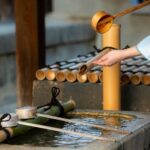
Eikando (Zenrin-ji): Amida Buddha and the seasonal pond garden
From Blue Bottle, you head to Eikando (Zenrin-ji). This stop runs about 30 minutes, plus time for your own exploration. Eikando is especially famous for autumn foliage, but even outside peak leaf season, the temple feels designed for quiet observation.
During the guided portion, you will learn what to notice, including:
- The Amida Buddha statue
- The tranquil pond garden setting
- How the gardens and seasonal changes are part of the temple’s experience, not just background scenery
A bonus here is the built-in freedom. You get about 30 minutes of time to explore on your own. If you like taking photos, this is a good spot to slow down. Many of the best views are not the loud, frontal shots. Look from slightly different angles and give the scene a few minutes to settle in.
A small expectation check
Eikando is a temple, so keep your voice down and move steadily. The calming part of the day works because everyone cooperates.
Philosopher’s Path cherry walk to Ginkaku-ji
After Eikando, the walk north along the Philosopher’s Path becomes the tour’s connector scene. You get about 45 minutes for this stretch, with time that includes browsing and shopping opportunities along the way.
Here is what makes this section worth your attention:
- The path is lined with cherry trees and seasonal flowers
- The canal setting keeps the walk visually consistent, so you keep moving without losing the view
- It is associated with philosopher Kitaro Nishida, who is said to have walked here while thinking
I like routes like this because they act like a moving gallery. Instead of hopping between points, you get a continuous experience of Kyoto’s scenery, from the Eikando area toward Ginkaku-ji.
Photo and pacing tip
If you want photos without stress, pick a few “wait spots” where the canal view lines up with the trees. That way you are not constantly stopping and starting.
Ginkaku-ji (Jisho-ji): white sand, moss gardens, and wabi-sabi
Your final stop is Ginkaku-ji (Jisho-ji), a UNESCO World Heritage Site. Expect about 30 minutes with a guided visit, then time to settle into the gardens yourself.
This is where the theme of simplicity becomes real. Ginkaku-ji is often described as a counterpart to Kinkaku-ji, but it has its own character. The guiding idea is wabi-sabi, the appreciation of understated beauty.
What you should look for during your time here:
- The white sand garden, called Ginsadan
- The moss-covered garden
- The serene study hall, where the architecture and garden design feel designed to encourage quiet thought
The best part is that the gardens invite you to stop performing for the camera. If you pay attention to the textures and the spacing, it feels less like decoration and more like a carefully designed atmosphere.
Like the earlier temple stops, there is an admission fee at the gate. Ginkaku-ji is 500 JPY, and it is not included in the tour price.
Price and admissions: what your $61 really buys
The tour price is $61 per person, and that covers the core value: a guided walking tour in English and a route that groups major Zen sights into one flowing half-day.
What is not included:
- Temple admissions for Nanzen-ji, Eikando, and Ginkaku-ji
- Coffee or tea at Blue Bottle
From the information you have, your likely temple budget looks like this:
- Nanzen-ji: 600 JPY
- Eikando: 600 JPY
- Ginkaku-ji: 500 JPY
I think that’s still fair value for what you get. For many first-time visitors, the biggest win is not the walking. It is the explanations that help you understand how Zen gardens work and why each space feels intentionally composed.
Also, the route ends in the 東山慈照寺 area, which is very useful if you want an easy transition back into the rest of your Kyoto plans.
The guides: clear English and a calm morning tone
This experience runs with an English live guide. Names that show up in guide praise include Eiko and Ayoko, and the common thread is clear, understandable English plus attention to questions.
That matters because Zen spaces can feel abstract if you do not have a simple framework. A good guide helps you connect architecture, garden design, and the purpose behind them. It also keeps the group moving at a pace that feels thoughtful, not rushed.
What to bring, and how to avoid a sore-knees morning
You will be walking from stop to stop, including a scenic canal path. Come ready to move.
Bring:
- Comfortable shoes
- Water
- Camera
A few mindset tricks also help:
- Expect that temple pacing is slower than street pacing
- Keep your stops short and frequent so you do not get stuck in a long break
- If you want photos, plan to step aside for people flow and give yourself a few seconds to frame calmly
Who should book this peaceful Kyoto walking tour
This is a great fit if:
- You want a calm, thoughtful route rather than a frantic checklist
- You enjoy Zen gardens, temples, and architectural details
- You like the idea of mixing a scenic walk with structured time at major sites
It may not be for you if:
- You have mobility limitations that make uneven temple surfaces or canal-path walking hard
- You hate any added admissions cost, since multiple gates require payment
One more note: the activity lists wheelchair accessibility but also says it is not suitable for people with mobility impairments. If that affects you, it is worth confirming your exact needs before committing.
Should you book this peaceful Kyoto walking tour?
If you want Kyoto with quieter edges, this tour is a strong choice. The itinerary is built to keep your brain engaged without exhausting your legs: Nanzen-ji sets the tone, Blue Bottle resets your energy, Eikando adds seasonal calm, the Philosopher’s Path carries you gently forward, and Ginkaku-ji finishes with wabi-sabi stillness.
I would book it if you value guided context and you are comfortable paying temple fees and walking for a few hours. I would reconsider if your mobility is limited or if you want a day with no extra admissions and fewer steps.
If your goal is to feel the depth of Kyoto, this route is one of the more satisfying ways to do it in half a day.
FAQ
How long is the Peaceful Kyoto Walking Tour?
The tour lasts 4 hours.
Where does the tour start and where does it finish?
It starts at 蹴上駅 and finishes at 東山慈照寺.
What is the price, and is it a guided tour?
The price is $61 per person, and it includes a guided walking tour with an English guide.
Are temple admissions included in the tour price?
No. Temple admissions are not included. The listed fees are Nanzen-ji 600 JPY, Eikando 600 JPY, and Ginkaku-ji 500 JPY.
Is coffee included at Blue Bottle Coffee Kyoto Cafe?
Coffee and tea are not included in the tour fee. You pay for drinks separately.
Is the tour wheelchair accessible?
The activity lists wheelchair accessible, but it also notes it is not suitable for people with mobility impairments. If this applies to you, you should check whether the walking and surfaces work for your needs.
What should I bring for the tour?
Bring comfortable shoes, a camera, and water. The tour involves a fair amount of walking.
More Walking Tours in Kyoto
More Tours in Kyoto
More Tour Reviews in Kyoto
Not for you? Here's more nearby things to do in Kyoto we have reviewed

Walking Tours, compared.
 ★ 4.7Kyoto Geisha Walking Tour: Gion District & Hidden GemsFrom $253,273 reviews
 ★ 4.9Gion Magical Night Walking Tour with Geisha TriviaFrom $242,393 reviews
 ★ 4.7Gion Geisha District Walking Tour – Stories of GeishaFrom $202,187 reviews
 ★ 4.5Night Walk in Gion: Kyoto’s Geisha DistrictFrom $212,003 reviews
 ★ 5.0Kyoto Gion Geisha District Walking Tour – The Stories of GeishaFrom $251,441 reviews
 ★ 5.0Nishiki Market Brunch Walking Tour (7 Tastings + Brunch)From $681,355 reviews
 ★ 5.0Kyoto Arashiyama Walking Tour: Bamboo, Monkeys, Gardens & SecretsFrom $651,216 reviews
 ★ 5.0Kyoto Gion: 2-Hour Geisha Culture & History Walking TourFrom $231,186 reviews
Browse the lists this tour appears in