
Reviewed · PRIVATE
Private Kyoto Tour: Explore the Most Iconic Sights
Kyoto, done efficiently and your way. This private Kyoto day strings together Kinkaku-ji and Kiyomizu-dera plus Fushimi Inari and Arashiyama, with admission tickets included for key stops. I also like the “you call the shots” approach, since you can adjust the plan around what you actually care about. The one catch to plan around is that lunch is not included, and temple fees are listed separately in places, so you may want some extra money ready.
What really makes this work is the guide. Tours are typically in English, and guides come from Japan, the US, and Spanish-speaking countries. In one standout account, guide Riku was praised for being pleasant, very knowledgeable, and for having excellent English, plus being an extra-careful driver in traffic.
Finally, the logistics are set up to keep the day smooth. You get pickup offered, an air-conditioned vehicle, parking fees handled, and even a mobile ticket. One consideration: if you have a larger group and special seating requests, confirm the vehicle setup early, because one problematic booking involved a party size mismatch and a seating-in-one-vehicle request.
Key Highlights at a Glance
- A full day of Kyoto icons in 8-10 hours, with travel time built in
- Private guide and private group only, so you can move at your pace
- English-guided route with native-language options (for an added fee)
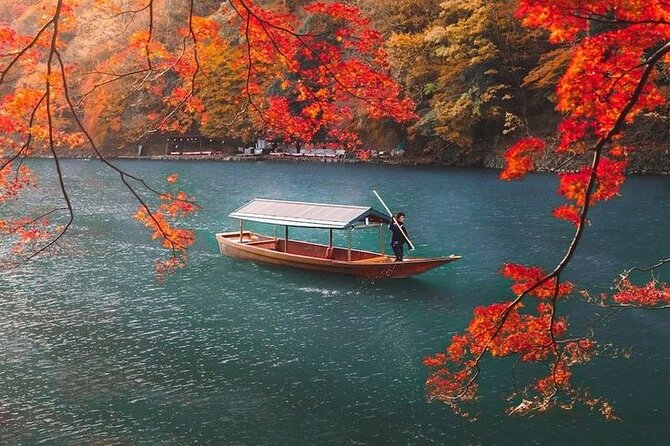
- Arashiyama includes more than photos, with Togetsukyo Bridge and a boat ride across the lake
- Parking and transport are handled, using taxis as needed for comfort and efficiency
How a Private Kyoto Day Gets You There Faster
Kyoto’s biggest challenge is not the sights. It is getting between them without wasting half your day in traffic and transfers. This tour is designed for a straightforward flow across four major areas, and it runs 8-10 hours including travel time, so you are not playing time Tetris all day.
Because it is private, you are not stuck with a group that moves like a clock. You can ask questions, pause for photos, and adjust where the day feels tight or relaxed. The guide also has the freedom to work around your interests, which matters in Kyoto, where you can walk away with an entirely different trip depending on what you prioritize.
Transport is practical too. The plan is to use a taxi and public transportation as needed. The pricing is set up so you are not paying for a car you do not actually need, and parking fees are covered, which saves you from last-minute add-on hassles.
You can also read our reviews of more private tours in Kyoto

Stop 1: Kinkaku-ji (Golden Pavilion) in the First Half of the Day
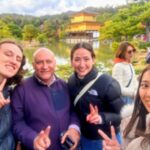
Kinkaku-ji, also known as the Golden Pavilion, is one of Kyoto’s instantly recognizable temples. The top two floors are described as being entirely covered, which is part of why this place gets so much attention. You will spend about 2 hours here, with an admission ticket included for this stop.
Why start here? Timing. The earlier hours are usually when you can breathe a bit more while you take it in and photograph without feeling like you are constantly squeezing. Even if you are not a “photo person,” this is still a strong anchor stop because it sets the tone for the whole day.
A guided visit also helps you understand what you are looking at instead of just chasing angles. If you like learning what each place is for, bring your questions. The guide can steer you toward what to notice on-site during your time block.
Stop 2: Kiyomizu-dera and Its UNESCO Status
Kiyomizu-dera is a temple with a history spanning 1200 years and is recognized as a UNESCO World Heritage site. You get around 2 hours here, and the admission ticket is listed as included for this stop.
This is the kind of place where a guide changes the experience. Without getting lost in long explanations, they can help you understand the basics of what makes Kiyomizu-dera important, then point you to what is worth your time during the hours you have.
One practical thing to plan for: temple days are rarely short on steps and standing. This tour includes a full schedule, so come prepared with comfortable shoes and an open pace. If you want slow, tell the guide at the start. It is a private tour, so you do not have to “perform” for a checklist.
Stop 3: Fushimi Inari Taisha and Its Torii Gate Trails
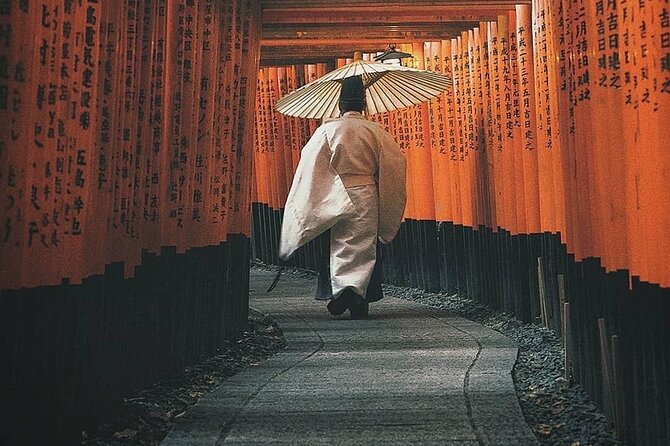
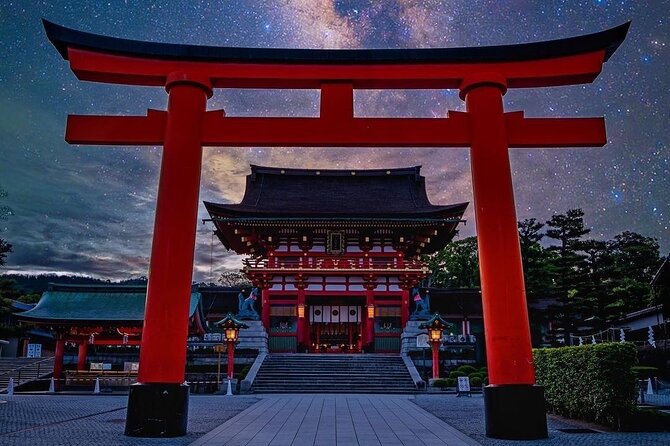
Fushimi Inari Taisha is famous for thousands of vermilion torii gates that form a network of trails up Mount Inari. It is dedicated to Inari, the Shinto god of rice, and that religious background is part of what gives the gates their meaning beyond the visual.
You will spend about 2 hours at this stop, and the torii trail is designed for walking, not just staring. If you want the most time on foot, you will likely enjoy this part most when you treat it like a stroll with purpose, taking breaks as needed rather than sprinting toward the “end.”
One important logistics note: the details list admission for this stop in two slightly different ways. The itinerary says the temple entrance is not included for this stop, but the included list also mentions entrance fee for Fushimi Inari Taisha. Before you go, verify what your confirmation states for what is covered, and carry a small backup budget just in case.
Stop 4: Arashiyama Bamboo Forest, Togetsukyo Bridge, and a Lake Boat Ride
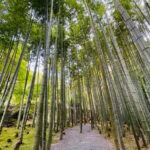
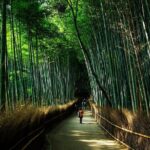
Arashiyama is where the day shifts from “icon temples” to atmosphere. The plan includes wandering through the acclaimed bamboo forest, then crossing the river via the iconic Togetsukyo Bridge. You will also have time for a boat ride across the lake as part of this stop.
This combo is valuable because it gives you variety in one block. You are not only looking at one highlight from one angle. Instead, you get a bamboo walkway feel, a bridge moment, and then a calmer ride that helps your brain switch gears between big sights.
Since the listed entrance fee for the Bamboo Forest is included, you can spend your time thinking about where you want to stand and what you want to notice. If you like getting “in the scene” rather than sprinting past, this is your stop.
Price and Value: What $200 Per Person Gets You
At $200 per person, you are paying for a private guided day across multiple iconic locations, with transport and key fees handled. In Kyoto, that value is less about the sights being unique (they are) and more about time saved and friction reduced.
Here is what makes the price feel fair:
- Private tour means you are not sharing attention or pace.
- Pickup offered and an air-conditioned vehicle reduce the hardest parts of Kyoto logistics.
- Parking fees and planned entries are covered where listed.
- Taxis used as needed keep the day efficient instead of forcing you into extra transfers.
What might make you pay a little extra:
- Lunch is not included, so you will need a meal plan.
- Temple entrance fees are listed in the details as around $8-$10 in some cases, and because one stop’s inclusion details look different in the provided breakdown, I strongly recommend checking your confirmation for what is fully covered.
If you are deciding between this and a “cheaper” shared option, the difference is usually control. This tour is best when you want the day to feel planned for you, not scheduled around other people’s pace.
Language, Pickup, and the Small Details That Matter
This tour is built around communication. Guides come from Japan, the US, and Spanish-speaking countries, and tours are typically conducted in English. If you prefer a guide who speaks your native language, it can often be arranged for an additional fee.
Why you should care: Kyoto is full of signs and symbolism, but you do not need to be an expert to enjoy it. When your guide explains what you are seeing in plain language, you get more value out of the same time on-site.
Pickup is offered, and the meeting point is in Kyoto, with the tour ending back at the meeting point. The tour also uses a mobile ticket, which is handy when you want to avoid paper ticket headaches.
One more practical angle from past experiences: transport and seating requests should be clarified upfront if you are traveling as a larger group. A problematic booking involved a party of 10 where the request did not match the tour’s usual description, plus a seating-in-one-vehicle request that did not land as expected. If your group has specific needs, get those details confirmed early so you are not troubleshooting mid-day.
How to Get the Best Day Out of the Schedule
With 8-10 hours and four major areas, you should think of the day as a curated route with guided time blocks, not a “wander as much as you want” day. The best strategy is to pick one or two places you want to go slower in, and tell the guide immediately.
My practical rhythm would be:
- Put your “slow attention” stop in one of the temples where you can ask questions and take a longer look.
- Use the bamboo forest and boat ride as your chance to slow down and reset.
- Keep Fushimi Inari as your walking stop, but pace it so you still have energy for the rest of the day.
Also, plan for weather. Kyoto in different seasons can feel very different, and temple days mean you are outside for parts of the experience. Bring water, and wear layers if mornings and evenings swing.
Who This Private Kyoto Tour Suits Best
This is a strong match for:
- First-time Kyoto visitors who want a high-impact route without juggling transit.
- People who prefer a private guide and want to ask questions in real time.
- Travelers who want English guidance, with a possible option for other languages for an extra fee.
- Anyone who values comfort, since the vehicle is air-conditioned and the guide uses taxis as needed.
It also notes that service animals are allowed and that most travelers can participate, which makes it feel broadly workable for many needs.
If you are the kind of traveler who wants a completely unstructured day, this might feel too “route-driven.” But if you want icons plus guidance, it is a good balance.
Should You Book This Private Kyoto Tour?
I would book this if you want an efficient private day with a guide who can handle the route, the questions, and the comfort details, especially with the big hitters like Kinkaku-ji, Kiyomizu-dera, Fushimi Inari, and Arashiyama on your list.
I would hesitate only if one of these is true:
- You have a larger group or very specific seating needs, and you are not able to confirm the vehicle plan clearly ahead of time.
- You have a tight budget for extras and do not want to deal with any additional temple fees or meal planning, since lunch is not included and some entrance costs may still apply depending on what is covered.
If you book, do one smart thing right away: review your confirmation for exactly what admissions and fees are included at each stop, then message the provider if anything is unclear. That small step helps you avoid the kind of confusion that can derail a day like this.
More Private Tours in Kyoto
More Tours in Kyoto
More Tour Reviews in Kyoto
Not for you? Here's more nearby things to do in Kyoto we have reviewed



Private, compared.
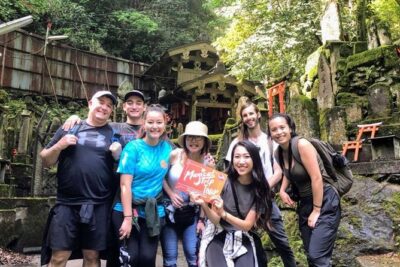 ★ 5.0Fushimi Inari Hidden Hiking Tour (Private Option Available)From $631,750 reviews
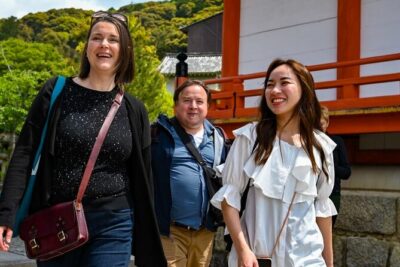 ★ 5.0Private Kyoto Tour with a Local, Highlights & Hidden Gems, PersonalisedFrom $1021,543 reviews
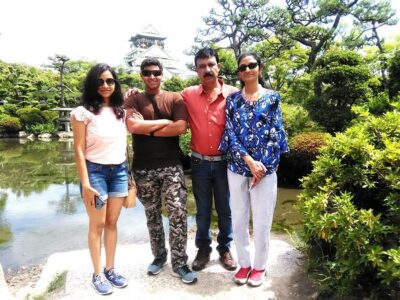 ★ 5.0Kyoto 6hr Private Tour with Government-Licensed GuideFrom $1551,369 reviews
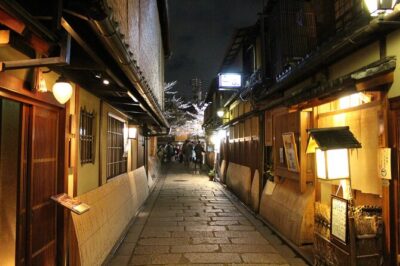 ★ 5.010 Must-see Spots in Kyoto One Day Private Tour (up to 7 people)From $1791,108 reviews
 ★ 5.0Nara Half Day Trip Walking Tour (Private Option Available)From $105937 reviews
 ★ 5.0Kyoto 4hr Private Tour with Government-Licensed GuideFrom $109629 reviews
 ★ 4.8Private Tour with Local Licensed GuideFrom $106463 reviews
 ★ 5.0Private Kyoto Tour with Licensed Guide & Vehicle (Max 15 persons)From $634417 reviews