
Reviewed · KIYOMIZU-DERA & HIGASHIYAMA TOURS
Private Walking Tour in Gion and Higashiyama
Kyoto looks different when someone points you to the right corners. This private walking tour keeps you moving through Gion and Higashiyama with a guide who handles the navigation, so you can focus on what you see and ask questions as you go. I especially like the clear, practical route that strings together geisha culture and temple history in one afternoon, and I like that the guide stays close the whole time, not stuck waiting at a far-off landmark. One drawback to consider is the pace, it’s about 3 hours, so you get great coverage but not long hangs at every stop.
You also get a simple setup that helps you stay relaxed. Temples and sights on the route are listed with free admission, and you’ll use a mobile ticket for the experience. If you hate walking or you want to linger for photos at your own rhythm, you may feel a bit rushed on certain segments.
Key highlights you’ll feel right away
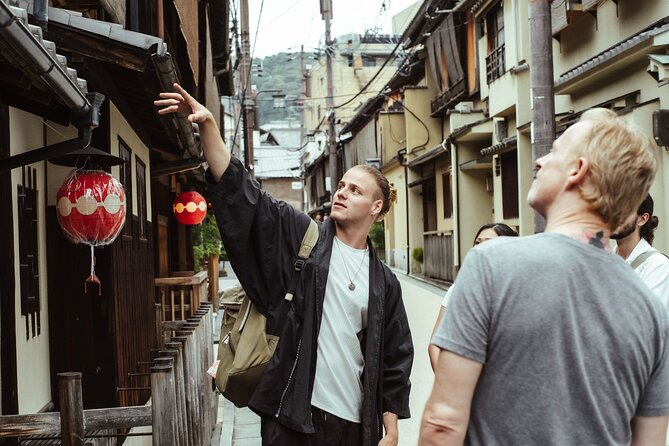
- A guide who does the navigating so you can watch the street details instead of checking maps every few minutes
- Geisha-culture context in Gion, not just a quick photo stop
- Kennin-ji plus Buddhism origins, with a clear explanation you can carry to the next site
- Hokan-ji (Yasaka Pagoda) and old-town backstreets, then an easy stroll on Ninenzaka
- Seasonal storytelling at Maruyama Park, especially if you’re traveling in cherry blossom or autumn leaf season
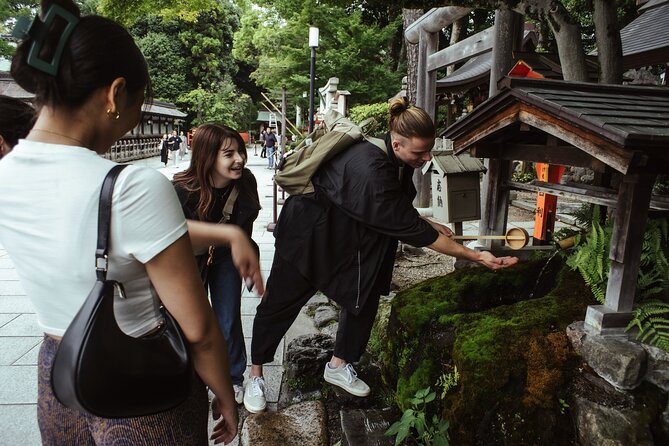
- Yasaka Shrine with omikuji culture, including how the tradition shows up on-site
Why this 3-hour Gion and Higashiyama plan makes sense
Gion and Higashiyama can eat your whole day if you do it piecemeal. This tour is built like a shortcut with meaning: you hit the most memorable areas you’d otherwise research, then you get an explanation while you’re standing in the exact place. That matters, because Kyoto’s details are the point, not a checklist.
At roughly 3 hours, the timing is also realistic. You’ll still have room later for dinner, a second neighborhood, or just catching your breath. And since it’s private, your guide can adjust the pace to your group.
You can also read our reviews of more walking tours in Kyoto
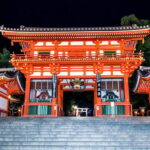
Meeting at the Izumo-no-Okuni statue, then getting oriented fast

The tour starts at the Statue of Izumo-no-Okuni Kawabatacho in Higashiyama Ward. That’s a smart choice because it puts you in the right zone to begin moving through the historic areas without wasting time on transit confusion.
Your end point is just outside Yasaka Shrine’s main gate on the south side, about a 7-minute walk from where you started. In practical terms, you’ll finish where you can easily continue exploring, grab food nearby, or meet up with the rest of your day.
Gion Stop: geisha culture and the street-level Kyoto story
The Gion portion runs about 1 hour, and it’s where the day takes its cultural turn. You’ll walk through an area strongly linked to geisha traditions, but the value here is the context your guide brings while you’re in the middle of it.
I like this approach because it prevents the classic problem: you see traditional-looking streets, then you go home with photos but no meaning. A good guide turns those sights into something you understand, like how Kyoto’s past and present sit side-by-side.
You should also expect that you’ll be paying attention to details along the way. Even if you don’t stop at every storefront, you’ll learn what to notice, such as which streets and settings matter for the stories you’re hearing. That is the kind of local insight you usually only get if you ask the right questions.
Kennin-ji Temple: one of Kyoto’s older Zen stories
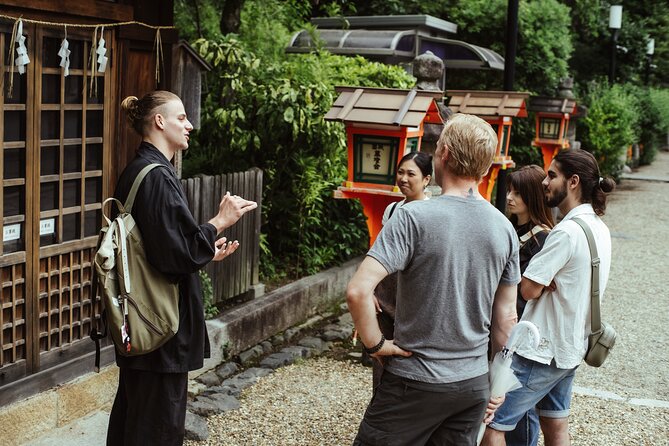
Kennin-ji is next, with about 30 minutes on the ground. The focus is Buddhism’s origins and the way that tradition influenced Japanese culture, plus a look at Kennin-ji as one of Kyoto’s older Zen temples.
What I like about this stop is that it connects ideas across time. You’re not just looking at buildings, you’re getting a framework for understanding why the temple matters. When you know what a place is trying to communicate spiritually and historically, the visit feels less like wandering and more like listening.
A good time-saver tip here: if you’re the type who reads every sign, you may finish earlier than the group because the guide is doing the heavy lifting. If you like to ask questions, this is also a strong moment to do it, since you have a focused block of time.
Hokan-ji Temple (Yasaka Pagoda) and the old-town streets around it
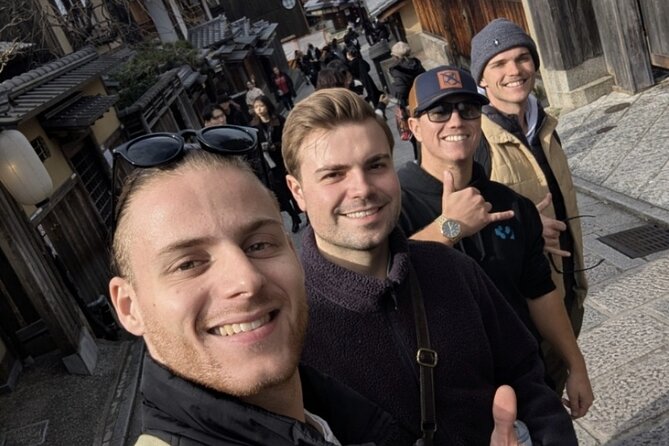
Hokan-ji comes in at about 20 minutes, and it’s centered on the historic Hokanji Temple, also known as the Yasaka Pagoda. This is one of those Kyoto areas where the temple and the streets around it matter as much as the main structure.
You’ll also get that charming old-town feeling as you move through narrow streets lined with traditional shops and cozy cafes. The useful part is that you’ll understand what you’re seeing as you walk, so you don’t just treat it like a backdrop for photos.
A small consideration: because it’s a short visit, you should be ready to be selective. If you want to stop for a snack, plan to do it after the tour. During the temple segment, it’s better to focus on the guide’s route and explanations, especially if you’re trying to get value out of a paid guided walk.
You can also read our reviews of more private tours in Kyoto



Ninenzaka Path: the Higashiyama stroll you actually want
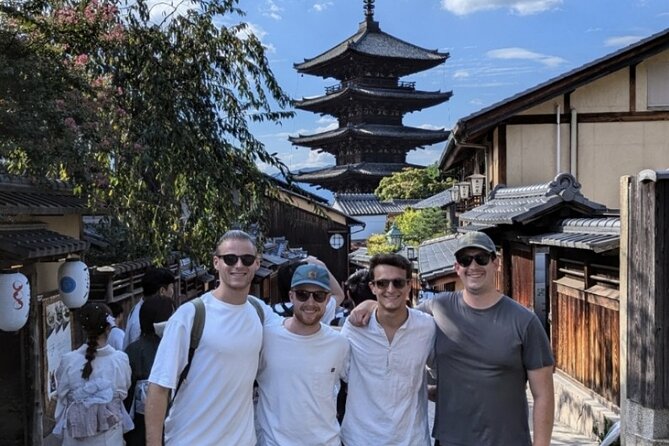
After Hokan-ji, you walk along the Ninenzaka Path, a classic Higashiyama district lane known for traditional shops, cozy cafes, and teahouses. This part works well because it’s less about a single attraction and more about atmosphere.
If you’ve ever felt overwhelmed in Kyoto because everything looks photogenic but nothing feels organized, this segment helps. It’s an easy, guided way to slow down without getting stuck. You get time to look around and notice the street character while your guide keeps the flow moving.
This is also a good moment to ask for practical advice. For example, you can ask what nearby streets are best if you want something quieter after you finish. The guide already knows the route and can suggest how to spend the rest of your afternoon without doing extra planning.
Maruyama Park: seasonal views that connect to the rest of Kyoto
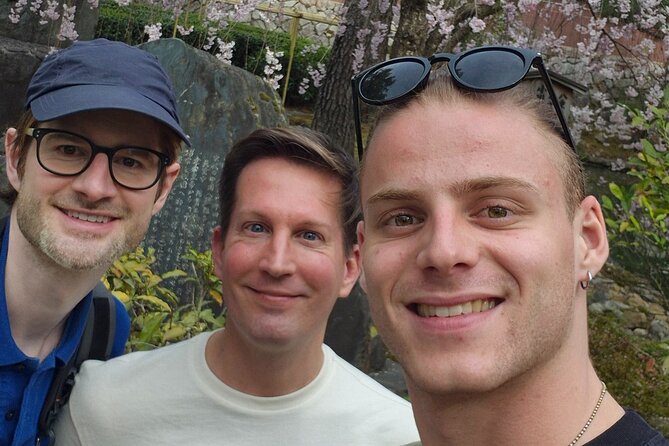
Maruyama Park is a shorter stop at about 10 minutes, but it’s still worth it. The big idea here is how the park changes by season, with cherry blossoms in spring and momiji, autumn leaves, in fall.
Even in a short timeframe, your guide can help you look at the park in the context of Kyoto’s seasonal culture. You learn why these places matter beyond the aesthetics, and you’ll know what to watch for when the season is right.
If you’re traveling outside peak bloom or leaf time, don’t worry. A quick stop can still help you understand the location, and it may give you a nice viewpoint for how the surrounding temples and streets relate to each other.
Yasaka Shrine: architecture, omikuji, and a natural finish
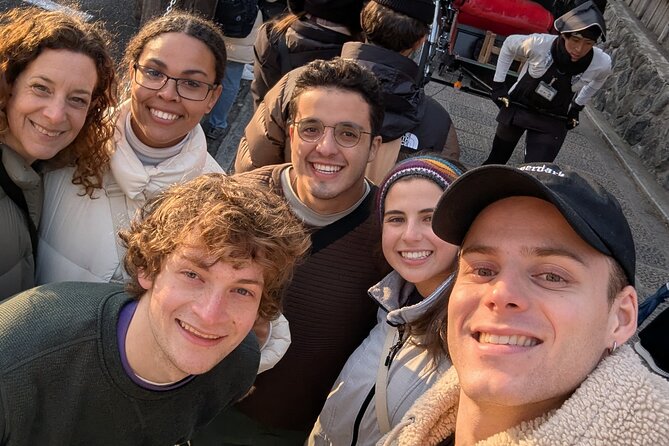
The last major stop is Yasaka Shrine, with about 30 minutes. This is where the day lands in a place that’s both historic and active in daily cultural practice.
You’ll learn about the shrine’s architecture and cultural significance, and you’ll likely come across the tradition of drawing omikuji, fortune-telling lots. Even if you’ve never done this before, it’s the kind of moment that turns a sightseeing walk into a lived experience.
I like finishing here because the vibe is complete. You’re not just leaving after visiting a landmark, you’re stepping into a place where you can continue your Kyoto day in a grounded way. Since the tour ends about a 7-minute walk from the start, it also feels efficient without feeling like a rushed loop.
Price and value: when $144.88 is worth it
At $144.88 per person, this is not the cheapest way to explore. But it can be good value if you compare it to what you’d spend on research time, wrong turns, and fragmented visits.
Here’s where the math usually helps you:
- You’re paying for time saved. The tour is designed to explore the highlights of Gion and Higashiyama in one day without doing all the planning.
- You’re paying for focus. A guide keeps attention on the sights that matter, instead of letting you drift into random photo stops.
- It’s private. Only your group participates, so you’re not competing with a large crowd for the guide’s attention.
- Group discounts may reduce cost if you’re traveling with friends or family and can split the price.
One detail from the experience that really supports the value is the guide quality. I heard particularly strong praise tied to a guide named Dominic, with comments highlighting how friendly and question-friendly he can be, plus how he adds local insights that go beyond the obvious. When a guide like that is part of the deal, you’re paying less for directions and more for understanding.
If you’re traveling solo and you’re the type who likes to wander with a map, you might decide this price is steep. If you want structure, context, and a calmer pace, it’s easier to justify.
Practical tips so you get the most from the walk
Here’s how I’d set yourself up for success on a route like this:
- Wear comfortable shoes. It’s a walking tour through multiple historic areas, and you’ll be on your feet most of the time.
- Bring a few questions. If you’re interested in geisha culture, Buddhism basics, or how omikuji works, ask during the relevant stop. Your guide can respond on the spot.
- Keep your phone charged. You’ll use a mobile ticket, so you’ll want your device ready.
- Plan for one or two slower photo moments. You don’t need to rush every shot, but try not to take long detours that break the flow.
Also, if your group has mobility limits, keep in mind the tour is designed as a walk through layered neighborhoods. You might find it easier if you’re okay with steady walking and short stops, rather than long rests.
Should you book this private tour?
I think this is a smart booking if you want a guided, high-value route through Gion and Higashiyama without turning your day into a planning project. It’s especially good if you care about cultural context, like geisha-related traditions, Buddhism history, and shrine practices such as omikuji.
I would skip it or look for a longer option if you know you want extended time at temples, or if you prefer fully self-guided wandering where you set every pace and stop. And at $144.88 per person, you’ll likely get the best satisfaction when the guide’s explanations matter to you.
FAQ
How long is the private walking tour?
The tour lasts about 3 hours.
What are the start and end points?
You start at the Statue of Izumo-no-Okuni Kawabatacho in Higashiyama Ward, Kyoto, and you end at Yasaka Shrine, near the main gate on the south side (about a 7-minute walk from where you started).
Is this tour private?
Yes. It is a private tour, so only your group participates.
Which stops are included?
You’ll visit Gion, Kennin-ji Temple, Hokan-ji Temple (Yasaka Pagoda), the Ninenzaka Path, Maruyama Park, and Yasaka Shrine.
Do the temples require paid admission?
The experience notes admission as free for the stops listed.
What if I need to cancel?
You can cancel for a full refund up to 24 hours in advance of the experience start time. If you cancel within 24 hours of the start time, the amount you paid is not refunded.
More Walking Tours in Kyoto


More Tours in Kyoto

More Tour Reviews in Kyoto
Not for you? Here's more nearby things to do in Kyoto we have reviewed

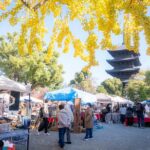


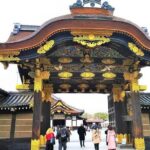
Kiyomizu-dera & Higashiyama Tours, compared.
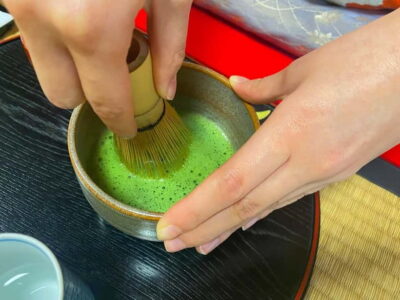 ★ 4.9Tea Ceremony in a Traditional Tea House in KiyomizuFrom $493,519 reviews
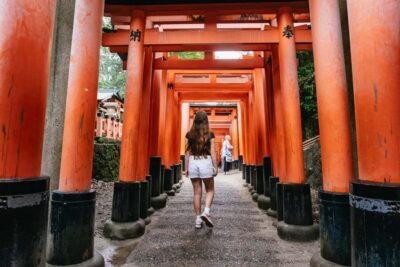 ★ 4.7Nijo Castle, Kiyomizu & Fushimi Inari Guided TourFrom $54700 reviews
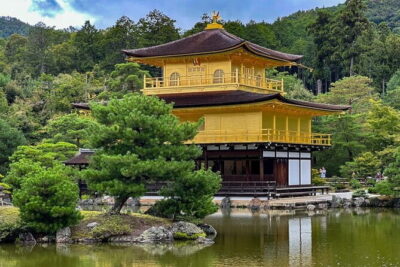 ★ 5.0Nijo, Kinkaku-ji, Arashiyama, Kiyomizu & Fushimi InariFrom $51699 reviews
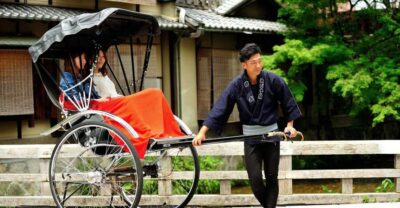 ★ 5.0Private Rickshaw Tour of Gion and Higashiyama AreaFrom $51144 reviews
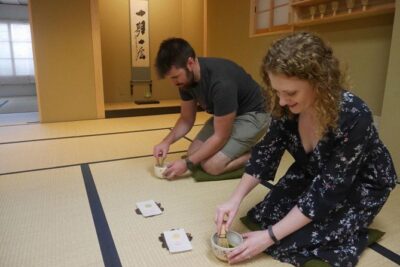 ★ 5.0Kyoto Tea Ceremony & Kiyomizu-dera Temple Walking TourFrom $109115 reviews
 ★ 5.0Kyoto Kiyomizu Tea Ceremony with Scenic Garden ViewsFrom $50101 reviews
 ★ 4.7Kimono/Yukata Rental 5 Minute from Kiyomizu-deraFrom $1989 reviews
 ★ 5.0Kyoto Ninenzaka : Japanese Calligraphy Class in TownhouseFrom $4959 reviews
Browse the lists this tour appears in