
Reviewed · NARA DAY TRIPS FROM KYOTO
Single- & multi-day Adventures within Kyoto Nara Osaka Kobe
Kyoto and beyond, in one private sweep. This is a multi-city private tour that strings together Kyoto, Nara, Osaka, and Kobe with hotel pickup, a vehicle just for your group, and Wi-Fi so you can keep your plans straight on the move. I like that the itinerary can flex by request, which matters when you hit a line, want a detour, or your group wants more time at a market than at a temple.
Two things I really like: first, the private transportation setup means you are not squeezed into a shared schedule, and the ride stays focused on you. Second, the car includes Wi-Fi and 100V AC power, which is surprisingly useful for map navigation, translation, and charging your phone or camera.
One drawback to plan for is that admission fees and entrance tickets are not included. This tour stacks a lot of big sights, so you will want a realistic daily budget for temples, castles, gardens, and any paid rides.
Key points before you go
- Private car for up to 8 with pickup and drop-off where you want it
- Wi-Fi on board and 100V power for phones, cameras, and laptops
- Flexible itinerary across one to four days, including multi-city routing
- Mobile ticket, so you are not scrambling on the day
- Lots of major stops, which is great, but can feel fast-paced
- Admission fees not included, so bring spending money for ticketed sites
A private Kyoto, Nara, Osaka, Kobe route that actually saves effort
This tour works well because it targets one common travel pain point, moving between cities. Instead of stitching together trains, buses, and taxis all day, you get a car with pickup and drop-off, and a plan that already groups the sights by day.
The best part for your sanity is the flexibility built into the format. If your group wants more time walking Gion’s streets or lingering longer at a market, you can usually adjust on the fly. I also like having Wi-Fi during transit. It turns the long travel stretches into useful downtime, not stress time.
There is also a practical value angle. At the price point listed for a group up to 8, you can make the cost per person look surprisingly reasonable if you travel with family or friends. The math changes fast if you go solo, so treat the tour like what it is, a private-group service, not a solo-budget deal.
You can also read our reviews of more tours and experiences in Kyoto.
What the car setup means for your day (Wi-Fi, power, and pacing)
You will spend a good chunk of these days in transit, especially because the route reaches far beyond central Kyoto. That makes the Wi-Fi and charging power more than a perk. When your phone is your map, your translator, and your ride-hail tool, a dead battery is a vacation killer. This tour tries to prevent that.
The other practical benefit is the private logistics. You get pickup and drop-off at hotels, airports, and other locations you choose. That sounds basic, but it saves you the annoying “meet here at this time, take this train, then walk” dance.
Do keep expectations realistic about pacing. The itinerary includes many stops each day, some of them short. So you will want comfortable shoes, and a plan for quick meals. Think of this as a highlight-hunter tour with room to breathe, not a slow gallery walk.
Day 1 in Kyoto: from Arashiyama and Kinkakuji to Fushimi Inari and Hozugawa
Day 1 is the kind of day that makes Kyoto feel like a greatest-hits album. You start with Amanohashidate, the pine-covered sandbar in northern Kyoto that links the sides of Miyazu Bay. It is scenic in a very classic Japanese way, and it helps set the tone early, you are seeing Japan’s nature first, not just buildings.
Next comes Ine no Funaya, a seaside fishing village known for its funaya boathouses. This is a good contrast to the temple-heavy moments later. You get a sense of daily life and coastlines, not only postcard Kyoto.
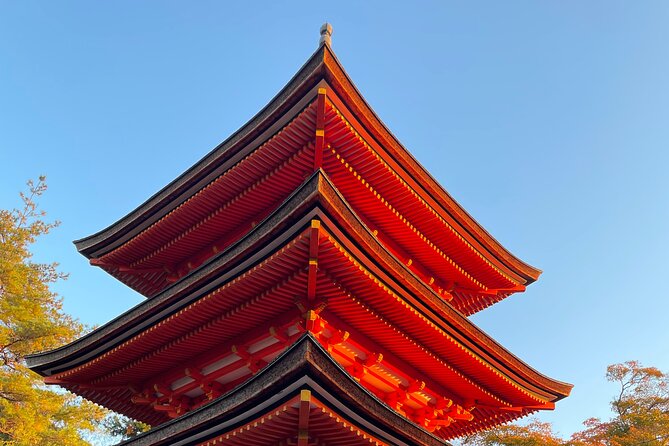
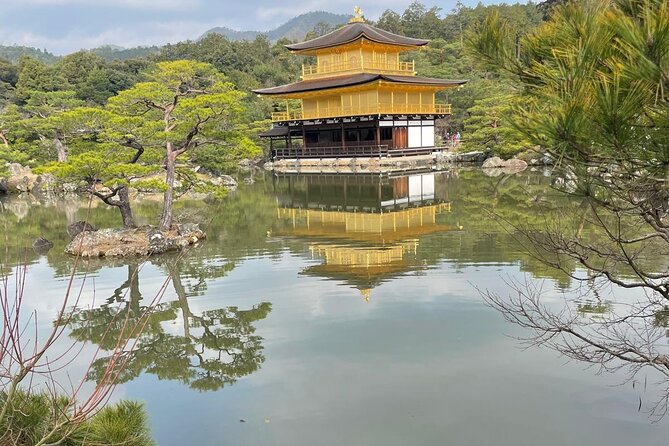
Then you pivot into western Kyoto with Arashiyama. It is a touristy district, but it also gives you that iconic river and hillside feel. From there, you hit major temple stops in a tight run: Kinkakuji Temple (the Golden Pavilion), Nijo Castle, and Kyoto Imperial Palace.
If you are history-minded, this cluster works. Kinkakuji gives you a clear landmark moment. Nijo Castle adds palace architecture and the feel of old political power. Kyoto Imperial Palace shows the imperial residence side of Kyoto’s role.
After that, the day shifts into browsing and atmosphere. Nishiki Market is where Kyoto turns into a food street, narrow lanes with lots of snack and kitchen-focused shops. Then you move east to Ginkakuji (Silver Pavilion) and Nanzen-ji, which offers a more spacious Zen temple vibe.
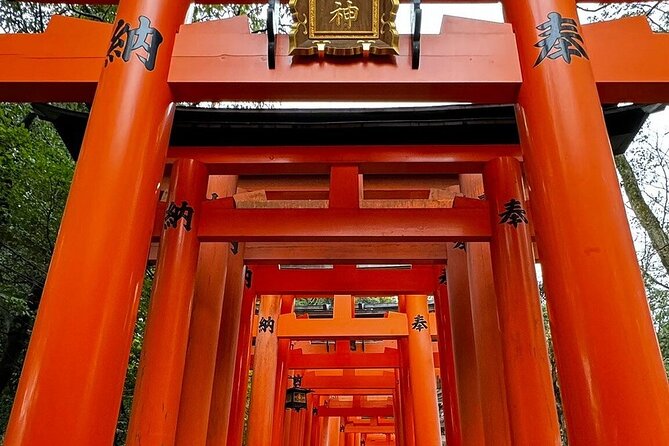
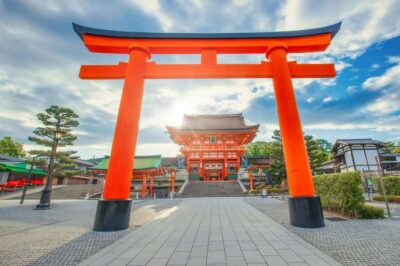
You finish the Kyoto core with cultural neighborhoods and a famous shrine. Gion is the geisha district area people come for, and you will also pass major religious landmarks like Sanjusangendo Temple with its 1001 statues of Kannon, and Fushimi Inari-taisha Shrine with the famous torii path. Fushimi Inari is short on the schedule, so focus on what you want most: the shrine entrance area, or pushing farther along the path.
The last part of Day 1 is where the itinerary stretches out, Hozugawa River Boat Ride ending point, then Kyotango for beaches like Shotenkyo Beach and Kotohiki-hama, the singing sand beach. You close with Amanohashidate Winery, listed as free. This combination can be a win if you want both Kyoto classics and a coastal break, but it also means the day can feel long.
Day 1 practical tip
Bring light layers. You are moving from temple shade to open viewing areas and back again, and the coast can feel cooler. Also, because admissions are not included, keep that wallet portion separate from your lunch portion.
Day 2 in Osaka: castles, noodle cups, markets, and neon streets
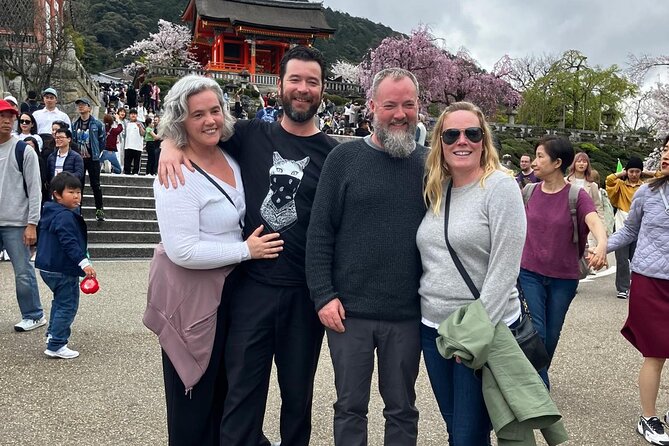
Osaka Day 2 keeps the momentum. You start with Osaka Castle, one of the most recognizable shapes in Japan. Even if you do not love museums, the castle grounds are a strong orientation point for the city.
Then you do something more modern and fun: CUP NOODLES MUSEUM OSAKA IKEDA. This is built around instant ramen cup culture, so it feels like Osaka saying, yes, we like comedy and snacks too.
Next is nature in the middle of the schedule with Minoo Park. It is listed with no admission, and you get greenery and the Minoosan Ryuanji Temple mentioned nearby. This stop is a good reset before you return to city energy.
Osaka’s city districts show up right after. Shinsekai gives you the retro atmosphere of old Osaka, and it is easy to pair with the nearby sights visually, even if you do not go deep into every detail. Then Sennichimae Doguyasuji Shopping Street is the cutlery and dishware lane, useful if you want practical souvenirs.
For food, Osaka does not wait. Kuromon Market is a major covered market stop, and it is the kind of place where you decide on the spot what you feel like eating. After that, you get one of Osaka’s storybook alleys, Hozenji Yokocho, with narrow lanes and traditional lanterns.
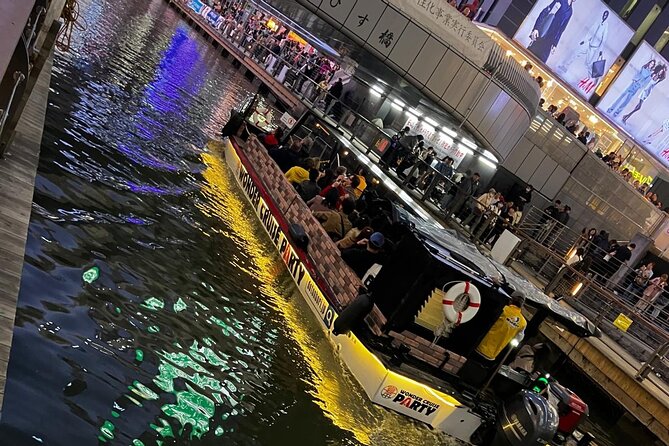
Then it is into the neon core: Dotonbori District and Shinsaibashi-suji Shopping Street. Dotonbori is famous for lights and street food energy, while Shinsaibashi gives you a covered shopping walk with hundreds of shops. These stops are not just shopping, they are how Osaka feels at night or near night.
You also get culture and waterfront views. Sumiyoshi Taisha Shrine has shrine architecture and a long past, and Tempozan Harbor Village is the bay leisure zone, with the aquarium noted there as an attraction even though admission is not included. Hoshi no Buranko Bridge is listed for 360-degree views.
The day adds taste experiences too with Asahi Beer Museum. This is a good stop if your group likes beer tasting or interactive displays. And you end with Tondabayasahi Jinaimachi, a preserved townhouse district, though the scheduled time looks extremely short, so treat it more like a quick glance and photo moment than a deep visit.
Day 2 practical tip
Build in a meal budget for markets. With so many food-adjacent stops, you may want to eat one snack-heavy meal and keep dinner simpler, so you do not burn through your budget before you even reach Kobe.
Day 3 in Nara and Uji: deer, Todai-ji, lanterns, and tea country
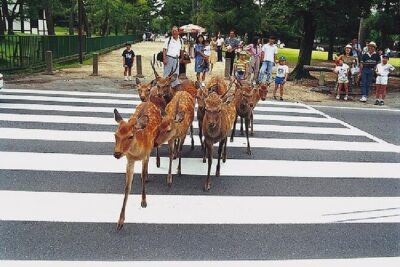
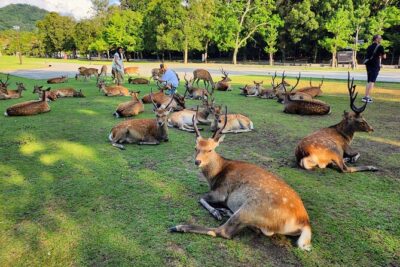
Day 3 is where Nara’s scale becomes the storyline. You start with Nara Park, famous for free-roaming deer and the temples in the area. The key here is timing and patience. The deer are part of the fun, but you still want room to walk without constantly stepping around people.
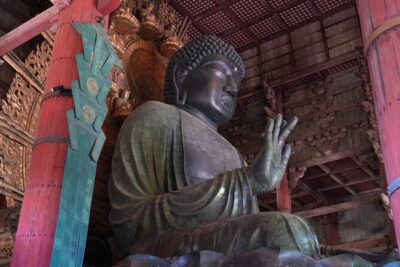
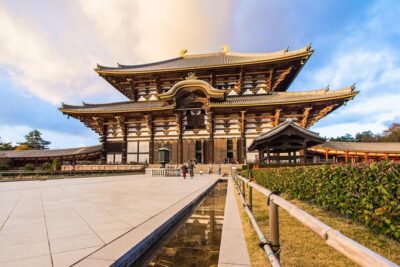
You then go for the big one: Todai-ji Temple and its giant bronze Buddha statue, listed as UNESCO. This is the kind of site that changes how you understand scale in Japanese temple architecture. Even if you only have an hour, it hits hard.
After that you bounce between shopping lanes and major temple grounds. Higashimuki Shopping Street is a covered arcade, and it is specifically mentioned as a good rainy-day option, with a mochi pounding shop highlighted. Kofuku-ji Temple follows, with pagodas, halls, and gardens.
Then the schedule adds a Kyoto street stop again with Sanjodori Street, described as connecting Gion and Kawaramachi areas, with shopping and dining. It is a reminder that this itinerary is designed as a multi-city circuit, not a single-city bubble.
One of the smoother calm moments comes next with Isuien Garden. This traditional garden is listed with a teahouse and museum nearby, plus the Neiraku Museum is mentioned. Gardens are a great way to balance out the heavy temple days, especially if you need a break from constant walking.
You finish the temple arc with Kasuga Grand Shrine, known for its donated lanterns. If you like details, this is the stop where the environment becomes part of the photo story, bronze lanterns and stone lanterns lining approaches.
Then you shift into old-street atmosphere with Naramachi, a neighborhood of old machiya merchant townhouses and small alley lanes. This is also a good place to slow down and buy small treats, because the streets are built for wandering.
Finally, you head into Uji, a southern Kyoto detour with green terraced fields and tea culture. Uji is listed as a free stop, and it can feel like a quieter contrast to Nara and central Kyoto.
Day 3 practical tip
If you want the full effect in Nara Park, give yourself a few minutes before you hit Todai-ji to just walk and watch. The deer and temple sightlines make that intro walk worthwhile.
Day 4 in Kobe and beyond: Rokko views, sake, earthquake memory, Himeji, and Arima
Day 4 is the far-reaching one. It starts with Mt. Rokko, the mountain backdrop to Kobe, and specifically points to Kobe Nunobiki Herb Gardens. This is a good opening because it gives you wide city and nature context fast.
Then you step into sake country with Nada no Hitotsubi, a district known for sake breweries thanks to rice, water, and weather conditions mentioned for the area. Next stop is Kobe Shushinkan Brewery, listed as having a shop and restaurant, plus free guided tours of the warehouse once per day.
Kobe’s modern identity appears through remembrance with the Port of Kobe Earthquake Memorial Park. This is one of those stops where time usually slows down naturally, because the subject demands it.
After that, you shift to different neighborhood vibes. Kitano Ijinkan-gai reflects Kobe’s foreign merchant and diplomatic history after the port opened. Then you go to Chinatown (Nankinmachi), a neighborhood created by Chinese merchants after foreign trade began in 1868. This pairing gives you a sense of how Kobe became a port city with layered influences.
You then hit a classic waterfront-commercial stop, Kobe Harborland, before heading outward to one of Japan’s most famous castles: Himeji Castle. Himeji is described as Japan’s first UNESCO World Cultural Heritage site and nicknamed the White Heron Castle. Even at around an hour, it is a standout architecture visit.
You also add garden time with Koko-en, listed as one of Japan’s beautiful gardens and as a national special scenic spot. It includes man-made lakes, bridges, and ancient buildings, so it suits visitors who like visual variety.
Then comes the hot-spring side with Arima Onsen. You are listed as enjoying a bath and even a hot spring footbath, which is a great payoff after a big walking day. Note that it is listed as free, but it is still a time commitment.
The itinerary ends with two Rokko-related views. Rokko Garden Terrace, described as an English garden, and the Rokko-Shidare Observatory, with its tree-like dome form and panoramic views over Osaka Bay from the Rokko mountains. This finale works well because it closes your trip with viewpoints, not only buildings.
Day 4 practical tip
This is not a day for heavy shoes that hurt. Also, because multiple stops are listed with admissions not included, keep a running budget for ticketed sights like Himeji and paid observatory items if they apply.
Price and value: how $385 per group can work (and when it does not)
The listed price is $385 per group (up to 8), and the tour runs about 4 days. That is why this can look like a smart deal if you can fill a small group, because you are essentially renting a private driver and vehicle across several city blocks of sightseeing plus inter-city transfers.
But you should also do one reality check. Admission fees and entrance tickets are not included, and this itinerary contains major ticketed sites like temples, castles, and museums. So your final trip budget will be higher than the tour price alone.
Also, the tour format encourages packing a lot into each day. That is excellent if you love checklists and variety. It is less ideal if your travel style is slow and quiet, or if your group wants deep time at one single place.
A final value note: Wi-Fi and 100V AC power can save you money indirectly. When you can keep your phone charged, you use fewer backup chargers and less battery anxiety. It also helps you avoid wasting time. Less time figuring things out equals more time walking.
Who this tour suits best (and what to expect from the pace)
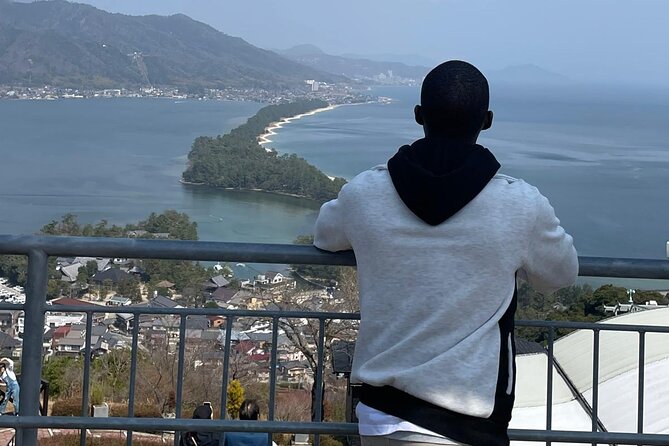
This private car setup is best for groups who want variety across Kyoto, Nara, Osaka, and Kobe without spending every day on transit planning. If you have older family members, the private pickup and drop-off can reduce friction.
It also fits food lovers and photo walkers. The itinerary hits markets like Nishiki and Kuromon, street lanes like Hozenji Yokocho, and big visual landmarks like Fushimi Inari-taisha and Himeji Castle.
If you dislike packed days, consider booking fewer days rather than all four. The overview says you can choose one to four days, and for a one-day option, you can even do pickup in one city and drop-off in another. That flexibility is the tour’s real strength.
One more thing from experience patterns I noticed in the available feedback: a guide can make a huge difference in pacing and stress level. I saw mentions of planning and communication by names like Kevin and Chi, which tells me you should ask for the best fit between must-sees and rest breaks once you’re on the day.
And about risk management: there is one low rating tied to cancellation and refund frustration, along with a note that pickup timing was off based on the reviewer’s account. So take pickup points seriously, show up early, and keep communication clear if anything changes.
Should you book this private multi-city Kyoto to Kobe tour?
Book it if you want a private-group way to see a lot of Japan’s famous sights across four cities, and you value Wi-Fi plus flexible itinerary changes. The best match is a small group who will split the cost and who enjoys a strong “see it all” day.
Skip or shorten it if your idea of a great trip is slow, quiet time in one area, or if you hate the idea of paying separate entry fees. This tour is not a museum-only plan, and it is not a single-temple deep dive either. It is a working itinerary designed for movement, variety, and getting the big iconic moments.
If you do book, go in with one mindset: wear comfortable shoes, budget for admissions, and use the private car time to reset between sights. That approach makes this kind of packed itinerary feel like convenience, not chaos.
FAQ
How many people are in a private group?
This is a private tour with only your group participating, and the group size is up to 8.
What is included in the tour price?
Included features are an air-conditioned vehicle, pickup and drop-off at hotels, airports, and other locations you want, private transportation, Wi-Fi on board, and 100V AC power supply for charging devices. A mobile ticket is also part of the experience, and the itinerary can be changed based on your preferences and suggestions.
What is not included?
Admission fees and entrance fees are not included. Restroom on board is also listed as not included.
Can I customize the itinerary or pick fewer cities?
Yes. The tour is described as flexible, and you can choose options across Kobe, Kyoto, Nara, or Osaka with private car transportation included. The tour can run from one to four days.
Is there Wi-Fi during the drive?
Yes. The vehicle has Wi-Fi access with stable internet during excursions.
Can I arrange airport transportation?
You can also choose to book a private airport transfer. The tour itself includes pickup and drop-off at airports, but the data only states that airport transfer can be booked as an option.
What happens if I need to cancel?
Free cancellation is available, and you can cancel up to 24 hours in advance for a full refund. If you cancel less than 24 hours before the start time, the amount paid will not be refunded.
More Tour Reviews in Kyoto
Not for you? Here's more nearby things to do in Kyoto we have reviewed
Nara Day Trips from Kyoto, compared.
 ★ 5.0World Heritage Kyoto & Nara Uji Authentic Matcha ExperienceFrom $1291,573 reviews
 ★ 4.7Kyoto/Osaka: Nara, Fushimi Inari Taisha, Arashiyama Bus TourFrom $521,275 reviews
 ★ 5.0Nara Half Day Trip Walking Tour (Private Option Available)From $105937 reviews
 ★ 4.4Osaka/Kyoto: Arashiyama, Nara & Fushimi Inari Shrine w/LunchFrom $61754 reviews
 ★ 5.0Nara Early Morning Tour (Kyoto or Osaka Departure Available)From $61676 reviews
 ★ 4.5Kyoto and Nara Day Trip from KyotoFrom $194445 reviews
 ★ 5.0Full Day Guided Tour to Kyoto and Nara from Osaka by VanFrom $106420 reviews
 ★ 4.5Nara Afternoon Tour from Kyoto or OsakaFrom $102390 reviews
Browse the lists this tour appears in