
Reviewed · GION & GEISHA DISTRICT TOURS
Takashi’s local food adventure through Gion Kyoto tips of Ramen
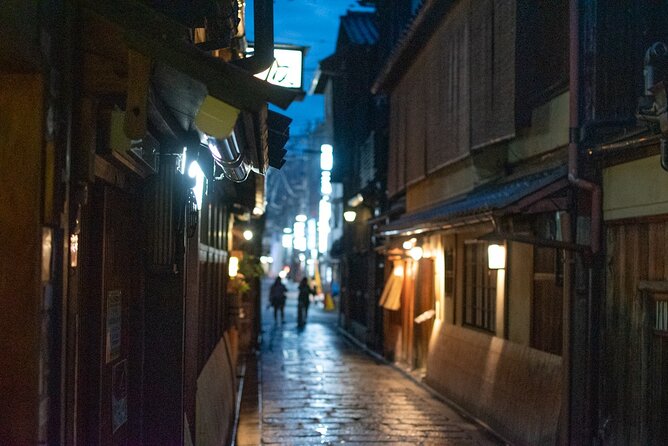
Lantern-lit Gion turns dinner into a story. I love the late-evening Gion walk and the guide-selected ramen-style meal that helps you eat like a local. One thing to watch, though, is pacing: it is not set up as a long string of guaranteed mini tastings, since the main food moment happens at the restaurant where you order and pay.
I also like that you get real context while you stroll, including a free stop at Yasaka Shrine and chances to see Maiko and Geisha in the area. The only practical catch is timing. If you are late, some smaller food spots may already be closing, and your guide can only work with what is still open.
Key highlights you should care about
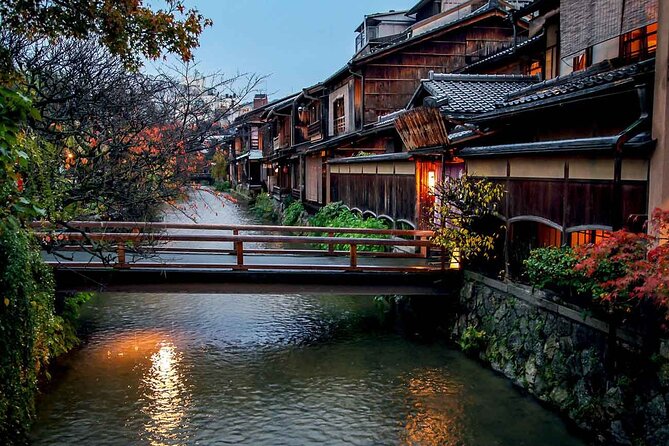
- Gion night walk with local storytelling that connects the neighborhood to Kyoto entertainment culture
- Yasaka Shrine stop with free admission, plus time for quiet viewing before the restaurant
- Maiko and Geisha sightings are possible, but not guaranteed, so keep expectations flexible
- Hidden-street style routing through small alleys toward Kawara-machi
- Rotating restaurant choices each tour, with options that can include Katsu, Ramen, or Izakaya
- You pay for food items, while the guide helps you pick and order the right dishes
Gion after dark, and why 7:30 pm matters
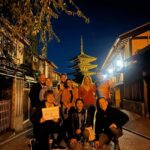
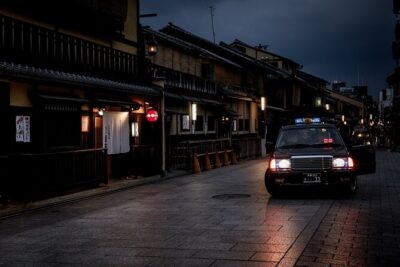
This tour starts at 7:30 pm at Gion-Shijo Station (1 Chome Miyagawasuji, Higashiyama Ward, Kyoto). That timing is smart. Gion looks great any time, but evenings are when lanterns, narrow lanes, and the general “slow down” mood of the district feel the most alive.
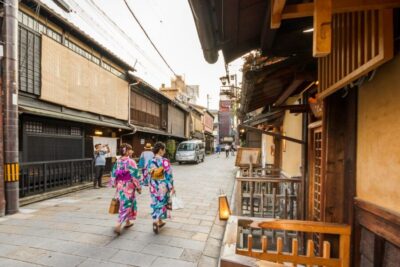
You begin with a night walk through Gion’s busy streets and shops, then you peel off into the quieter side of the neighborhood. The route is designed to get you out of the most obvious tourist grid and into the alley rhythm locals actually use. You are walking in an area with more than 500 years of entertainment and culture history, so the guide’s job is not just pointing at pretty streets. It is explaining what the neighborhood was built around, and why certain spots became part of the local performance world.
One practical note: this is a 3-hour experience with a moderate physical fitness level required. Nothing extreme, but you are on your feet for a good chunk of the evening, including alley walking. Wear shoes you trust, not brand-new ones.
You can also read our reviews of more food & drink experiences in Kyoto

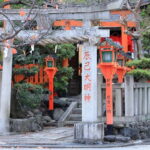
Yasaka Shrine: free, symbolic, and tied to entertainment culture
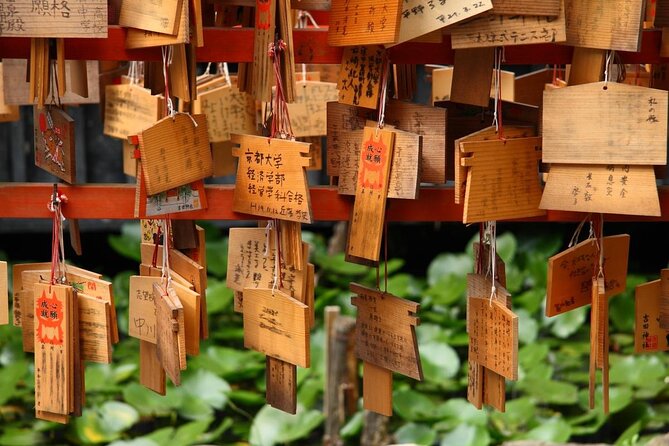
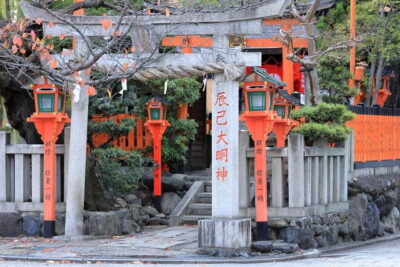
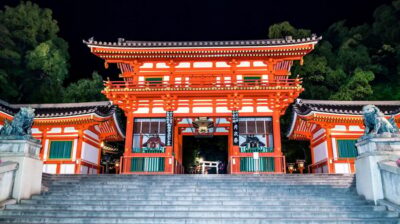
About a half hour into the tour, you reach Yasaka Shrine, and admission is free. This stop is more than a photo pause. In the context of Gion, Yasaka Shrine links to how entertainment culture developed in the area, including traditions connected to geisha and kabuki.
Why this matters for a food tour: your guide is setting the stage for why the neighborhood has its own logic. In Gion, the streets, seasons, and even where people gather were shaped by long-running cultural patterns. When your guide explains that connection, food stops start to feel less random and more like you are part of the evening flow.
Is the shrine “food-related” on its own? Not directly. But it helps you understand what you are looking at while you walk, and that makes the later restaurant meal more meaningful. If you like travel moments that connect culture to everyday life, this is a strong use of time.
Maiko and Geisha: what you might see, and how to act
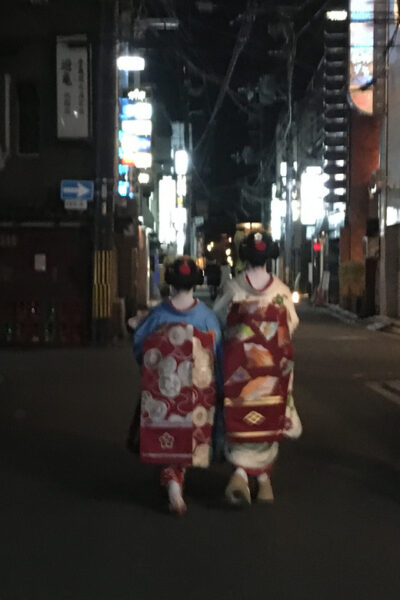
As you move through the Gion area, you may encounter Maiko and Geisha, traditional female performers known for their distinctive white makeup and veiled style. The tour does not promise a sighting, but it explicitly sets you up to be aware of what you are seeing.
Here is the practical way to handle this: keep your voice down, do not crowd people, and treat sightings as a bonus, not the main event. Your guide’s explanations help, because they can share the difference between what you see and what you assume. Even if you only see a silhouette in the distance, you will better understand why Gion’s streets feel the way they do.
Also, do not be surprised if the evening shifts from “strolling and observing” into “let’s get you fed.” The tour is designed to keep you moving toward food quickly once you start getting hungry.
Canal alleys and Kawara-machi: where the route starts to feel local
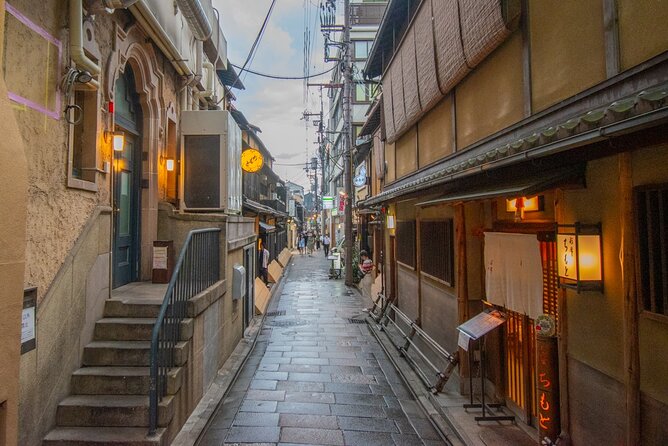
After Yasaka Shrine, the tour heads into the small alleys along the canal. This is where the walk gets more atmospheric: lanterns, tight storefront rhythms, and the feeling that you are in a neighborhood street system, not a theme park map.
The route then moves toward Kawara-machi, which is described as a place where you finally arrive at the restaurant area. The point is simple: many real restaurants sit slightly off the main tourist lines, and they can be shy about welcoming foreigners without help.
Your guide is there to bridge that gap. They handle the ordering side by selecting dishes and guiding you through what to get. That is a big part of the value here, because “knowing what to order” is often the hardest part of Japan restaurant dining for English speakers. Even basic menu items can be confusing if you are not reading with context, and menus can be intimidating when you are tired after a long day.
What you eat: guide-selected ramen, Katsu, or Izakaya
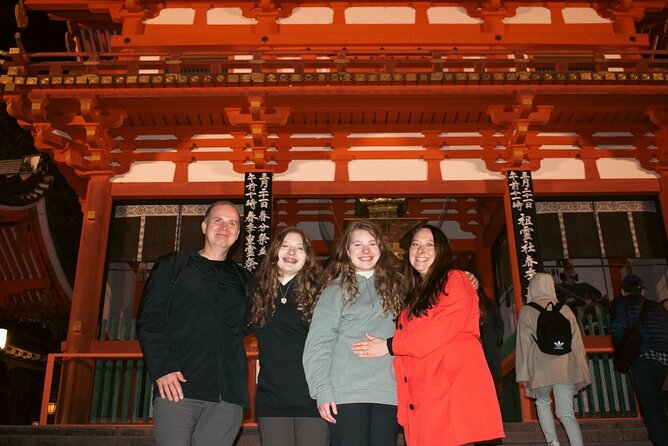
Now for the part that matters most: the food plan. The tour is built around a walking portion, then a restaurant dinner moment. You can expect that the restaurant choice changes by tour, and your guide may aim for a local style like Katsu, Ramen, or Izakaya.
Here is the key expectation check: all food is bought by the guests. The guide will be able to pay for his or her own food, but your meal cost is on you. In other words, you are paying for the guide, the route, and the ordering help, not for a fully included tasting menu.
That also means your meal could be more of a “sit down and eat well” experience than a “ten bites along the street” tour. That can be exactly what you want, especially in Kyoto where a warm, satisfying dinner after walking can hit the spot fast.
One detail that helps clarify the “food walking” label: the tour is described as usually having some stops, such as a mochi place and food stands near the shrine. So you might get small bites along the way, but the true centerpiece remains the restaurant meal.
If you are someone who expects multiple scheduled taste plates at every stop, ask yourself what you enjoy most: variety in tiny doses, or one excellent meal ordered with confidence. This tour leans toward the second option.
More Kyoto temple visits, food tours, tea experiences, and day trips to compare

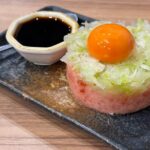

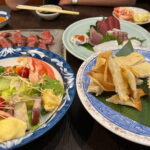
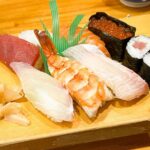
The ramen angle (and why the guide’s pick can be the best part)
The information tied to the guide experience highlights a ramen recommendation that can be a real “you should check this out” moment. If your goal is Kyoto ramen with zero guesswork, this tour design is built to reduce the trial-and-error factor.
When a local guide helps you pick ramen, it is not just about ordering something familiar. It is about matching the dish to the night’s situation, the restaurant style, and what they think you will enjoy. That is especially helpful when you are dealing with English-unfriendly restaurant setups.
Meet your guide: Takashi and Natsuki
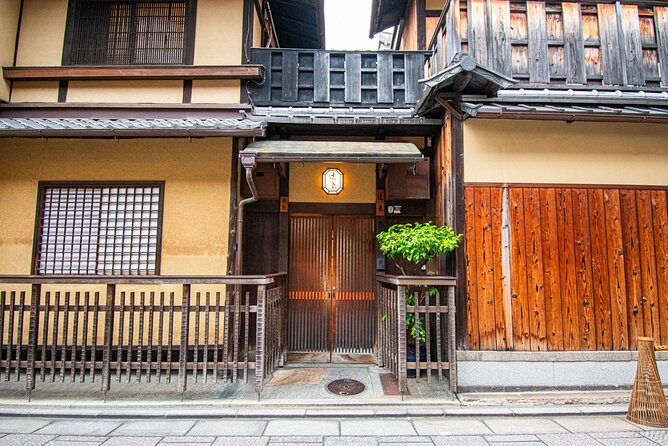
Two names show up as the heart of the experience: Takashi and Natsuki.
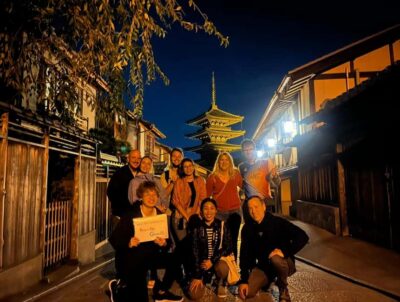
Takashi is described as professional and very focused on giving great trip tips. He also offers car tours across Kyoto, Nara, and Osaka, which matters because it suggests a broader knowledge base. If you ask about geisha, pagodas, or even geography, he is positioned to answer with real context, not just a surface-level script. He is also described as a big foodie, and his ramen recommendation gets strong emphasis.
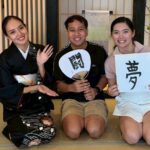
Natsuki is described as delightful and as someone who makes the evening feel worthwhile and welcoming. The tone that comes through is that the guides are friendly, story-oriented, and willing to talk during the meal, not just march you from point to point.
In practice, the guide role is what turns the tour from “walk and point” into a food education. You are not just seeing Gion, you are learning how to read it. That includes understanding why certain neighborhoods shaped certain cultural roles, and why those roles affected where people gathered and what kinds of food became part of the evening routine.
Price and value: why $166.14 can make sense
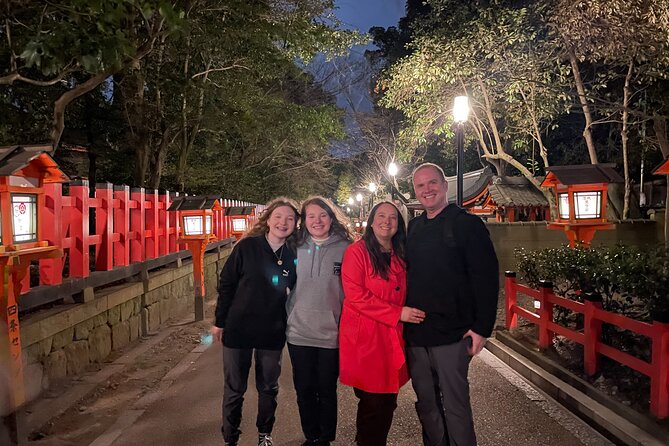
The price is $166.14 per person for about 3 hours in central Kyoto. On paper, that is not cheap. But private food walking tours in Kyoto often cost this much once you factor in guide time and your route planning inside a dense neighborhood.
So where does the value come from?
- Private, personalized navigation. You are not doing this on your own map while trying to guess which places will work for non-Japanese speakers.
- A local guide who selects dishes at the restaurant, reducing menu confusion.
- Time in Gion at night, when it is hard to “just wander” into the right spots without a plan.
Then there is the cost balance. Because food is not included, your final spend depends on what and how much you order. This is not a deal-breaker, but it changes how you judge value. If you end up with a filling ramen or izakaya meal plus a couple small snacks, you usually get a fair return on the guide cost.
Logistics that can affect your night
Your start location is Gion-Shijo Station, and the tour ends back at the meeting point. That is convenient, especially since it is evening and public transportation schedules matter.
One more timing reality: if you arrive late, some smaller shops may close before you reach them. The tour includes walking time plus a meal, so the schedule is not infinite. Plan to arrive early enough to buy any convenience water or just regroup before the group moves out.
Who should book this Gion ramen and local food adventure
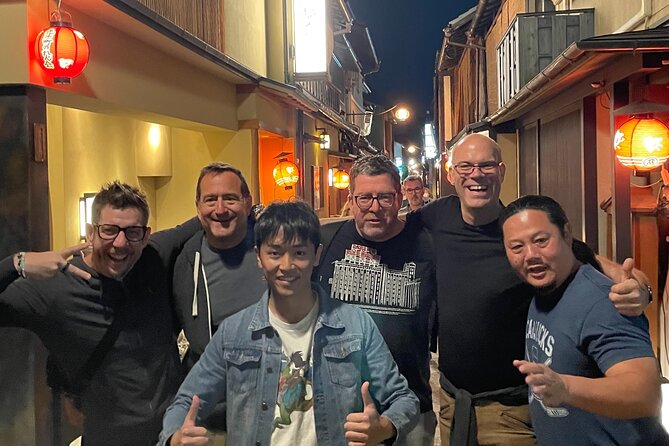
This is a good fit if you want:
- Help finding and ordering at restaurants that feel English-unfriendly
- A night walk that pairs culture context with a real dinner meal
- A guide you can talk to, including questions about geisha culture and Kyoto geography
It may be a weaker fit if you want:
- A strict “stop for many different tastings” format where you get lots of separate included bites
- Everything fully included, no surprises on what you pay for at the restaurant
- A long, slow evening with lots of optional detours. This one is fairly direct, especially once hunger hits
Also consider your pace. You will be walking through small alleys, and the evening is dark enough that good shoes matter. If you hate the idea of stairs or uneven pavement, wear footwear with grip.
Should you book, or skip?
Book it if you like practical help, want a confident restaurant dinner in Gion, and you are comfortable paying for your meal as part of the experience. The best version of this tour is the one where the guide’s food judgment matches your taste, and the culture context makes the whole evening feel more coherent.
Consider skipping or choosing a different format if your top priority is a fully included, multi-tasting itinerary with lots of separate snack stops. This tour is built around a guided walk plus a restaurant meal where you order and pay. It can still be excellent, but it is not trying to be a tasting buffet on the move.
If you do book, show up on time. You get the most value when your guide can hit the smaller food stops while they are still open and then lead you into the restaurant without rushing.
FAQ
What is the tour duration?
The tour lasts about 3 hours.
What time does the tour start?
The start time is 7:30 pm.
Where do I meet the tour?
You meet at Gion-Shijo Station (1 Chome Miyagawasuji, Higashiyama Ward, Kyoto 605-0801, Japan).
Is Yasaka Shrine admission included?
Yes. The shrine stop notes admission ticket free.
Is food included in the tour price?
No. All food is bought by guests. The guide selects dishes, but you pay for what you eat.
Will I taste multiple foods during the walk?
You might have some food stops, such as a mochi place and some food stands near the shrine, but the main meal happens at the restaurant where you sit down.
Is this a private tour?
Yes. It is private, and only your group participates.
Are service animals allowed?
Service animals are allowed.
Can I cancel for a refund?
Yes. You can cancel up to 24 hours in advance for a full refund.
More Food Experiences in Kyoto
More Food & Drink Experiences in Kyoto
More Tour Reviews in Kyoto
Not for you? Here's more nearby things to do in Kyoto we have reviewed

Gion & Geisha District Tours, compared.
 ★ 4.7Kyoto Geisha Walking Tour: Gion District & Hidden GemsFrom $253,273 reviews
 ★ 4.9Gion Magical Night Walking Tour with Geisha TriviaFrom $242,393 reviews
 ★ 4.7Gion Geisha District Walking Tour – Stories of GeishaFrom $202,187 reviews
 ★ 4.9Best of Kyoto: Gion, Geisha, Pagodas & CobblestonesFrom $242,058 reviews
 ★ 4.5Night Walk in Gion: Kyoto’s Geisha DistrictFrom $212,003 reviews
 ★ 5.0Kyoto Night Foodie Tour in Gion (9+ dishes + 6 Sake tastings)From $1631,762 reviews
 ★ 5.0Kyoto Gion Geisha District Walking Tour – The Stories of GeishaFrom $251,441 reviews
 ★ 5.0Kyoto Gion: 2-Hour Geisha Culture & History Walking TourFrom $231,186 reviews
Browse the lists this tour appears in