
A Kyoto souvenir you actually make yourself. I love the Goshuincho temple stamp book you create, and the factory tour that shows craftsmanship you cannot easily copy on your own. One watch-out: transportation to the site is not included, so you’ll want a plan to get there on time.
This is a small-group, hands-on program (limited to 10 people) that runs in English and Japanese. After the factory visit, you pick from a spread of yuzen washi papers and craft a one-of-a-kind cover book, guided by staff including Saori and her assistant Ayaka. If you want Kyoto beyond the usual photo stops, this hits that sweet spot fast.
Key things to know before you go
- Make your own Goshuincho: You leave with an original temple stamp book, not just a souvenir.
- See in-house production: The factory tour shows how the craft is done where it is actually made.
- Choose your yuzen washi paper: Your cover selection is part of the fun and makes your book feel personal.
- Beginner-friendly guidance: You do not need special skill to finish a great-looking result.
- Small group, limited to 10: More time with the guide, less waiting around.
- Short and focused at 1 hour: Great add-on if you want something meaningful without losing your whole day.
Entering the Nishikawa paper world: what a factory tour really gives you
Most Kyoto craft experiences try to squeeze you into a showroom vibe. This one starts differently. You walk through the factory area and get explanations while you watch skilled work happen in real time. That matters, because paper crafts can look similar from the outside, but the details are where the culture lives.
I like that you get guided context instead of just passing machines and tools. You are not only looking, you are learning what the process is trying to achieve, and why it ends up with a distinct look and feel. Even if you are not a craft person, you can still appreciate the discipline and speed the staff uses.
You also get the practical benefit of confidence. After seeing how production works, you’ll understand what makes your Goshuincho cover special, not just pretty. That small understanding makes the souvenir feel earned.
More Kyoto temple visits, food tours, tea experiences, and day trips to compare

The factory tour step: seeing craftsmanship, not a staged performance
The program includes a guided factory tour at the company premises, under the umbrella of 株式会社 西川紙業 (Nishikawa Paper Industry). The key here is that the tour is part of a full activity, not a separate add-on. It sets you up for the workshop, so you walk in thinking about paper choices with a clearer head.
From what you can expect in a short format, the tour is likely to focus on the key stages that explain the craft. That is a good thing. You do not need every technical detail to get it, you need the main idea: materials matter, and careful handling matters.
One more plus: the staff’s pace and skill come through. You’ll see how quickly things can be done when people know the workflow. In a culture where craftsmanship is often associated with calm patience, it is also refreshing to see efficiency and coordination up close.
Possible drawback to factor in: this is not a long, slow documentary style tour. With a total duration of 1 hour, you should treat it as a concentrated taste of the process, then move into making.
Workshop time: building your Goshuincho cover with yuzen washi paper
Now the fun part. After the factory tour, you join a workshop where you choose from a variety of beautiful yuzen washi papers to create your one-of-a-kind Goshuincho (temple stamp book). The goal is simple: you end with a finished book design you can actually use.
Yuzen washi is the hook here, because it brings Kyoto style to your hands. You get to select the paper that becomes the look of your Goshuincho, so your final result feels like it belongs to your trip. That is the difference between buying a readymade stamp book cover and making one that reflects your taste.
This is also where the guides make a difference. In particular, Saori and her assistant Ayaka are named as helpful and informative. That kind of real guidance matters for first-timers. You are not being tested on craft ability. You are being walked through the steps from start to finish.
If you worry about whether you can do it, this is one of those activities where your biggest challenge is choosing papers, not mastering techniques. One of the most praised aspects of the experience is how approachable the workshop feels even for people who consider themselves non-crafty.
Why Goshuincho belongs in Kyoto, and how your handmade book changes shrine time
Goshuin are temple and shrine stamps collected in a special book, and Kyoto is the kind of place where stamp collecting becomes a mini-adventure. You probably already see goshuin books everywhere, often ready to buy. But having a custom handmade Goshuincho makes the collecting part more personal.
Here’s what changes when you start with your own book:
- You will pay closer attention at each shrine or temple stop, because the book is yours.
- You’ll enjoy the visuals more. Your cover becomes the stage for the ink, so every new stamp feels like a new page in your story.
- You get a built-in conversation starter when you talk to people about what you’re collecting.
The program also points you toward this very thing. After your workshop, you can sightsee Kyoto with your handmade Goshuincho. That is a clever way to turn a workshop into a longer experience. You are not just buying an item, you are prepping a tool for a whole day of wandering.
A practical note: keep your book clean and dry as you go shrine to shrine. Paper crafts can be sensitive. If you plan to carry it in a bag, using a protective folder or pouch can help you keep it looking sharp while you collect stamps.
Price and value: is $70 for 1 hour worth it?
$70 per person sounds like a lot until you look at what is included. The price covers the factory tour, a tour guide, your original Goshuincho, and the material fee for the papers and making. In other words, you are paying for instruction plus materials, not just a walkthrough.
For a 1-hour experience, that is strong value if your goal is to leave with something you made and can use immediately. You’re also getting the benefit of seeing the in-house production side. That factory element is often what turns a “souvenir” into a memory that has real texture.
It’s a shorter block of time, which is also part of the math. If you are trying to balance Kyoto sightseeing with one meaningful craft stop, this is easier to fit than a half-day class. You can build your day around it instead of reshuffling your whole schedule.
Small group energy and language support that makes it easier
This is capped at 10 participants, and it runs with a live tour guide in English and Japanese. That combination matters. With a smaller group, you get more chances to ask questions or get help quickly if you are unsure.
From the way the activity is described, the flow is guided from start to finish. In the workshop, you are supported as you choose and work with the washi papers. With limited group size, it is easier for staff to keep track of what everyone needs.
If you are traveling with friends, small group also helps with scheduling and pacing. You are not stuck waiting for a huge crowd to finish one small step.
Who should book this, and who might want to choose something else
This tour is a good fit if you:
- Want a creative Kyoto activity that ends with a usable item
- Like crafts and want to see the factory side, not just a demo
- Plan to do shrine or temple visits and want your own Goshuincho ready
- Appreciate guided explanation in English or Japanese
It may not be the best fit if you:
- Have limited time and hate any structured activity (this is guided and focused)
- Are traveling with very small children. The tour is not suitable for children under 5 years.
Also keep in mind the minimum requirement: there must be at least 2 participants per booking. That usually just affects availability, but it is good to know if you are booking solo and flexible about dates.
Should you book the Factory Tour and Goshuin Book making workshop?
I would book it if you want a Kyoto craft experience with real substance. The mix of an in-house factory tour plus a hands-on Goshuincho workshop gives you both context and a take-home result. For me, that is the key value.
Choose it especially if you care about details, like paper design and how craftsmanship connects to shrine culture. You will likely enjoy the experience more if you plan to use the Goshuincho afterward during Kyoto sightseeing.
Skip it if you are looking for a long, slow immersion day. This is designed to be efficient and personal within 1 hour, so go in with the right expectations. If you do, you’ll leave with something you can carry to temples and actually use, not just something you hang on a shelf.
FAQ
Where is the meeting point?
You’ll meet at the shop located within the company premises. Staff will be waiting there for you.
What’s included in the $70 price?
The tour includes the factory tour, a tour guide (guided tour), an original Goshuincho (temple stamp book), and the material fee (cost of materials).
How long does the experience last?
The experience lasts 1 hour.
What languages is the tour available in?
The live tour guide is available in English and Japanese.
How big is the group?
It is a small group, limited to 10 participants.
Is transportation to the location included?
No. Transportation to the site is not included.
Can I cancel if my plans change?
Yes. There is free cancellation up to 24 hours in advance for a full refund.
More Workshops & Classes in Kyoto

More Tours in Kyoto

More Tour Reviews in Kyoto
Not for you? Here's more nearby things to do in Kyoto we have reviewed





Workshops, compared.
 ★ 4.345-Minute Tea Ceremony Lesson ExperienceFrom $222,378 reviews
 ★ 5.0Ramen Cooking Class at Ramen Factory in KyotoFrom $1311,937 reviews
 ★ 5.0Chopsticks Making Workshop in Gion with Engraving OptionFrom $15958 reviews
 ★ 4.9Samurai Sword Class by Experts in Traditional ArtsFrom $64657 reviews
 ★ 4.9Ramen Cooking Class at a Ramen Factory with SouvenirFrom $127532 reviews
 ★ 5.0Ninja 1-hour Hands-on Lesson by Japanese master in Kyoto -EntryFrom $80489 reviews
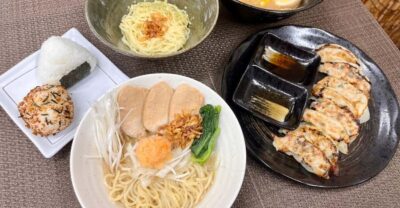 ★ 5.0Ramen, Gyoza, and Onigiri Cooking ClassFrom $90445 reviews
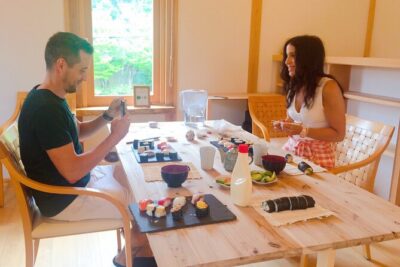 ★ 5.0The Original Small-Group Sushi Making Class in KyotoFrom $69436 reviews
Browse the lists this tour appears in