
Reviewed · KINKAKU-JI & GOLDEN PAVILION TOURS
Golden Pavilion, Nijo Castle, & Nishiki Market Half day tour
A morning that turns Kyoto into a story. You get the Golden Pavilion, Nijo Castle, and Nishiki Market in about 4 hours with clear, visual explanations. I like the fact you are not just collecting photos, you are learning the Edo Period power plays behind what you see, with help from an iPad made for the tour. One thing to consider: it is a rain or shine walking plus public transit plan, and the pace is not ideal if you have back issues or limited mobility.
What I really like here is the Kyoto City Certified Tourist Guide approach, plus the iPad-based explanations that make temple and castle details easier to follow. You’ll also finish in Nishiki Market with time to choose your own lunch right where the food street starts, instead of racing back to the station. The only drawback is timing and logistics: entrance fees for Nijo Castle and Golden Pavilion are extra, and you need comfortable shoes for the steady walking involved.
Key highlights before you go
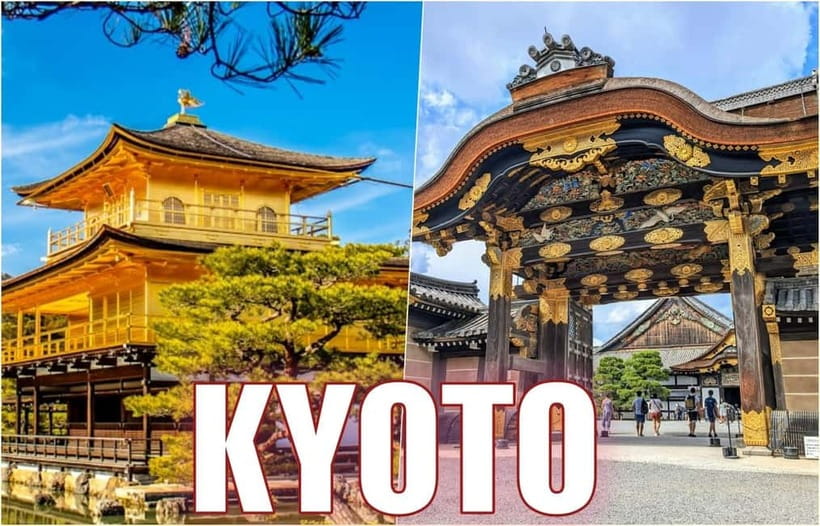
- Golden Pavilion covered in gold leaf with Zen temple meaning, not just the photo spot
- Nijo Castle nightingale floors and how they fit into shogun-era control
- UNESCO World Heritage sites in one tight route (Kinkaku-ji, Nijo Castle, then Nishiki Market)
- iPad explanations in English (and Spanish) that help you read the buildings as history
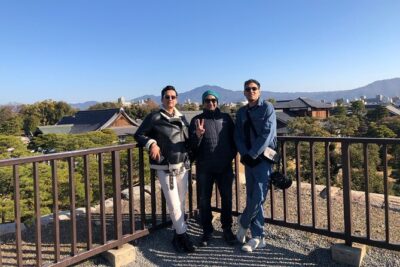
- Photo-friendly private group where the guide can take as many pictures as you want
- A calm ending in Nishiki Market where your guide explains the market, then you pick lunch
How the half-day plan makes sense (and why it feels efficient)
This is a smart 4-hour format if you want Kyoto culture without burning an entire day. You start early enough to beat the later rush, and the route is built around three major stops that connect naturally: shogun-era power in temples and castles, then daily food culture in Nishiki Market.
The biggest value is what your guide focuses on. Instead of treating Golden Pavilion and Nijo Castle like separate sightseeing lists, you get the through-line: the Edo Period, the shogun’s grip on power, and how samurai influence changed over time. That context makes it easier to enjoy the details on the spot, like the symbolism of gold leaf at Kinkaku-ji or the engineering trick behind the nightingale floors at Nijo Castle.
Timing is also realistic. You have guided time at Kinkaku-ji and Nijo Castle, then a lighter ending at Nishiki Market where you can move at your own speed. If you like structure but also want some freedom at lunch, this format fits well.
You can also read our reviews of more shopping tours in Kyoto
Meeting at Kyoto Station, getting out the door, and staying on schedule
You meet in front of a 7-Eleven at JR Kyoto Station, Building 1F, using the Kyoto Tower side exit. The guide holds an iPad and a red card that says RBRT (Roberto), which makes it easy to spot each other fast.
From there, you use public transit to get to the northwest part of Kyoto. The timing is built in: about 35 minutes by bus/coach, then metro/subway legs between sites (roughly 20 minutes and 15 minutes). In practice, that means you spend most of your morning seeing things, not waiting in transit limbo.
One small practical tip: bring comfortable shoes. This is not a museum-only tour. It is a walking tour, and the plan avoids mountains and very long stairs, but you will still be on your feet.
Golden Pavilion (Kinkaku-ji): gold leaf meaning, Zen design, and photo rules
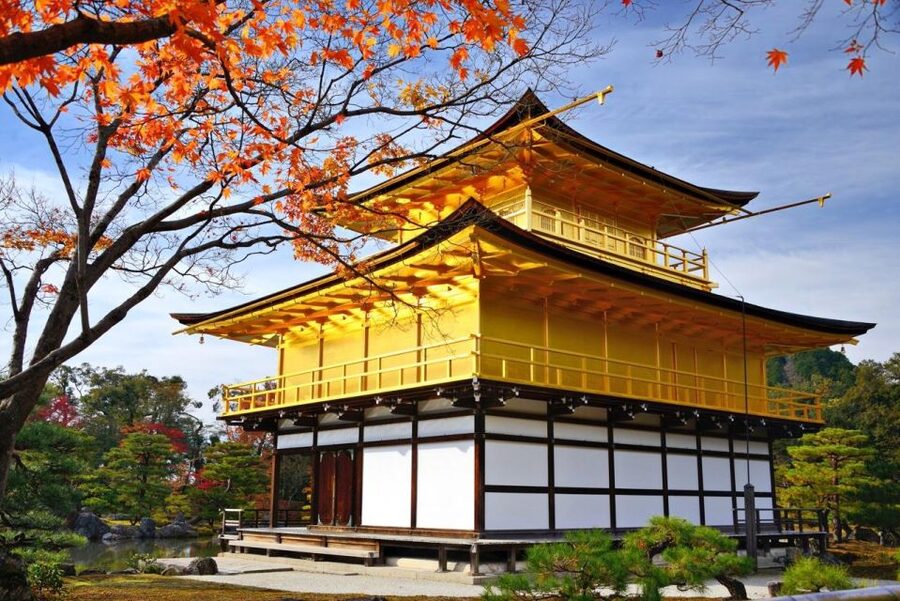
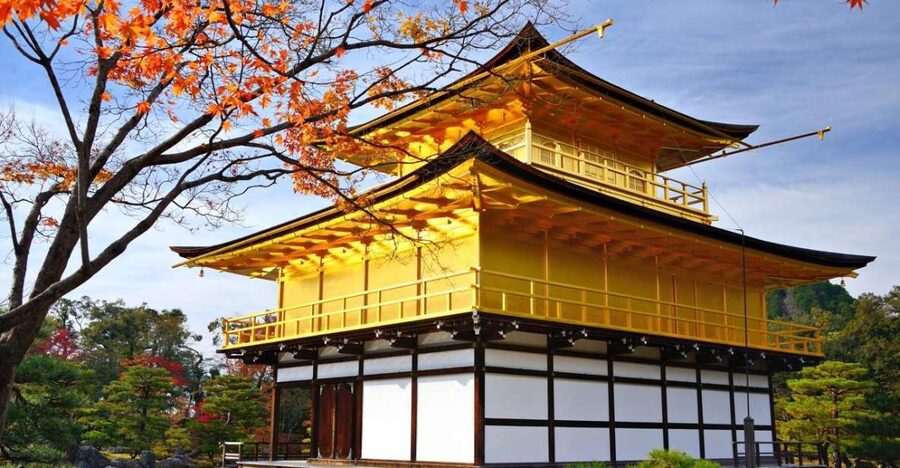
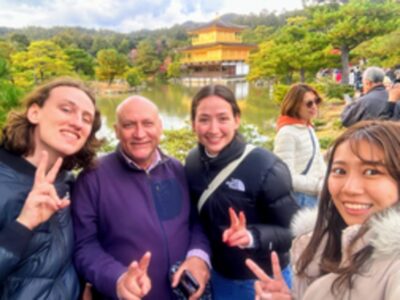
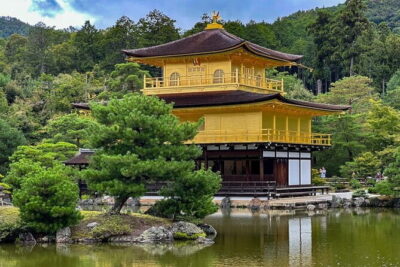
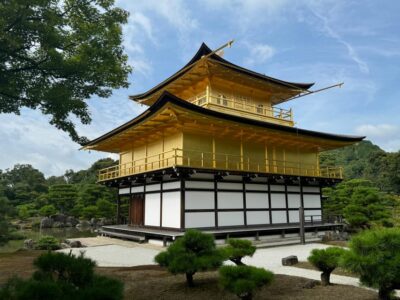
Golden Pavilion, also known as Kinkaku-ji, is one of Japan’s most famous landmarks, and your guided time helps you understand why. The temple is a Zen Buddhist site in northern Kyoto, and it was originally built as a villa for Ashikaga Yoshimitsu, a shogun from the 14th century.
Yes, you will see the eye-catching look. The structure’s top two floors are covered with real gold leaf, and the gold is meant to signal wealth, power, and devotion. Where it really clicks for first-timers is the setting: the pavilion’s reflection in the surrounding pond is part of the effect, so you learn to look for the whole composition, not just the building.
Your guided slot is about 1.5 hours. That is enough time to understand the basics of the site, walk through key viewing areas, and not feel like you are rushing to the next stop. It is also long enough for the iPad explanations to make a difference, because you can connect what you are hearing to what you are seeing.
Two practical notes so you are not caught off guard:
- Inside the temple areas, some places forbid photography, so follow posted rules.
- With gold leaf and water reflections, the light can change fast, so be ready to reposition for the view without panicking about getting the perfect shot.
If you want something more than a postcard, this is a strong start. Starting here sets the tone for the rest of the morning because it frames power and belief in a physical way.
Nijo Castle: Edo-era power struggles, samurai control, and the nightingale floors
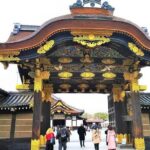
Nijo Castle is where the tour shifts from aesthetic beauty to political storytelling. It is a UNESCO World Cultural Heritage site known for its historical significance, and your guide connects it to the struggle between samurai, feudal lords, and the shogun’s control.
What you learn here is not just names and dates. You get the idea of how power was enforced, performed, and protected during the Edo Period. The castle also fits the bigger transition Japan was going through, moving from samurai dominance toward modernization.
Architecturally, you are looking at Edo period design with beautiful woodwork and intricate details. Your guided time here is about 95 minutes, which is a good length for absorbing how the palace spaces and defensive concepts relate.
And then there are the nightingale floors. These floors are designed to chirp when walked upon. The point was practical, an early security system, but it also adds to the feeling that movement in the castle was monitored and controlled. It is one of those details you feel more than just hear about, because you can connect the sound to the castle’s purpose.
Entrance fees apply here. If you are budgeting, factor in the approximate 1,300 yen entrance cost for Nijo Castle. The tour covers the guide’s entrance fees and transportation, but your personal admission is an extra line item.
This stop can be a highlight for you if you like history that explains why things were built the way they were. If you prefer pure sightseeing, you can still enjoy the architecture, but you will likely get more out of it by paying attention to the political context your guide shares.
Nishiki Market at lunchtime: what to do with the time you get
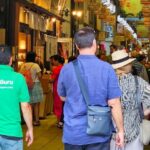
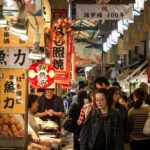
The tour finishes at the entrance of Nishiki Market around 12:30, and you are set up to eat right away. Nishiki Market is a narrow shopping street, about five blocks long, with over one hundred shops and restaurants.
Your guide explains the market’s origins, then you choose your own lunch from the wide mix of food stands and shops. Expect food-related shopping like fresh seafood and produce, plus items such as knives and cookware. That makes Nishiki feel like a place where locals shop for everyday (and special) cooking needs, not only a snack circuit.
A nice part of this ending is your freedom. After guided time at two major UNESCO sites, you can slow down, compare options, and pick what you actually want to eat. If you have dietary limits, having time to browse multiple shops before committing helps.
Also, the atmosphere is described as a balance between lively and hectic. So you should expect energy, not a quiet stroll. If you want photos, it is easier earlier in the day than later, but you can still get good street-life shots without spending the morning in a queue.
More Kyoto temple visits, food tours, tea experiences, and day trips to compare

Price and what $90 buys you in real value
The price is $90 per person for about 4 hours from 8:30 am to 12:30. That might sound straightforward until you compare what is included versus what is extra.
What you get included:
- A Kyoto City official certified guide
- Explanations with images on an iPad for clearer understanding
- The guide can take as many pictures of you as you want
- Entrance fees and transportation for the guide (not for you)
What is not included:
- Entrance fees for Golden Pavilion (about 500 yen)
- Entrance fee for Nijo Castle (about 1,300 yen)
- Food and drinks
- Transportation fee
So the “real” cost for you is the tour price plus temple admissions. Still, the value is strongest if you care about understanding what you are seeing. The iPad setup matters because the story behind Kinkaku-ji and Nijo Castle is not obvious just by looking. It is also a private group format, which usually means you get more direct attention and better pacing for questions.
If you want a simple checklist tour where you just follow along, this could feel slightly more guided than you need. But if you like history and want it explained in a way that sticks, the price looks fair.
What’s included in the guide style, and why it helps
This guide is a Kyoto City Certified Tourist Guide, and that certification shows up in how the tour is framed. The emphasis is on the Edo Period, shogun power, and samurai-era conflict, so you are learning ideas that will help you read Kyoto beyond these stops.
The iPad matters too. Instead of vague explanations, you get visual support designed for the specific places you are visiting. That speeds up comprehension, especially if you are standing in front of a wooden detail and wondering what it means.
There is also a practical, human side. Your guide is happy to take lots of photos, and the experience includes help for your next days in Kyoto with recommendations. That matters because Kyoto is dense. Even good guidebooks can overwhelm you, while a personal recommendation cuts through the noise.
Transportation, pace, and who should think twice
The tour uses public bus and train, with specific travel segments between stops. Expect waiting time baked into the schedule, and expect to walk at each site.
This is rain or shine, so plan accordingly. You will not be climbing mountains or doing very long stair climbs, but the itinerary still demands a baseline fitness level. Bring layers if the morning feels cool, and keep your route plan simple.
It is not suitable for:
- Pregnant women
- People with back problems
- Wheelchair users
- People prone to seasickness
- People with low level of fitness
If any of those apply, you may want a different style of tour that reduces walking and transit.
Languages, group type, and photo support
The tour runs as a private group. That usually means the pace is adjustable and the guide can answer your questions without worrying about a big crowd.
English and Spanish are available. Your guide also can explain things for visitors using the iPad, which helps even if you are not fluent in Japanese or you are tired from travel.
And yes, you can ask for photos. The guide can take as many pictures of you as you wish, which is a small but real quality-of-life feature in Kyoto, where good photos often require stepping into the right spots and timing.
Should you book this half-day Golden Pavilion, Nijo Castle, and Nishiki Market tour?
Book it if you want a high-impact morning that connects Kyoto’s shogun-era story to what the city feels like at street level in Nishiki Market. The combination of Kinkaku-ji and Nijo Castle gives you major UNESCO sites in one go, and the iPad explanations are the kind of support that turns “I saw it” into “I understood it.”
Skip or rethink it if you cannot handle steady walking and public transit, or if you prefer unstructured time. Entrance fees are extra, so make sure you are okay with that add-on when budgeting.
If you are spending only a couple days in Kyoto, or you want a morning that gives you context for the rest of your sightseeing, this is a strong choice.
More Shopping Tours in Kyoto
More Tours in Kyoto
More Tour Reviews in Kyoto
Not for you? Here's more nearby things to do in Kyoto we have reviewed
Kinkaku-ji & Golden Pavilion Tours, compared.
 ★ 4.8Fushimi Inari, Kinkakuji, Bamboo Grove 1 Day Bus TourFrom $1224,316 reviews
 ★ 4.1Osaka/Kyoto:Kinkakuji,Arashiyama,FushimiInariShrine,NaraParkFrom $661,596 reviews
 ★ 5.0Nijo, Kinkaku-ji, Arashiyama, Kiyomizu & Fushimi InariFrom $51699 reviews
 ★ 4.4Kyoto/Osaka: Kinkakuji, Bamboo Forest, and Nara Deer ParkFrom $69265 reviews
 ★ 4.9Best of Kyoto: Ginkakuji & Path of Philosophy E-Bike TourFrom $6979 reviews
 ★ 4.7Kinkakuji, Golden Pavilion Guided TourFrom $6471 reviews
 ★ 5.0Kyoto top must-see Golden pavilion and Bamboo forest half-day Private tourFrom $12252 reviews
 ★ 5.0Kyoto Bamboo Forest & Golden Pavilion E-Bike TourFrom $9950 reviews
Browse the lists this tour appears in