
Reviewed · NISHIKI MARKET FOOD TOURS
Nishiki Market Walking Food Tour with Local guide
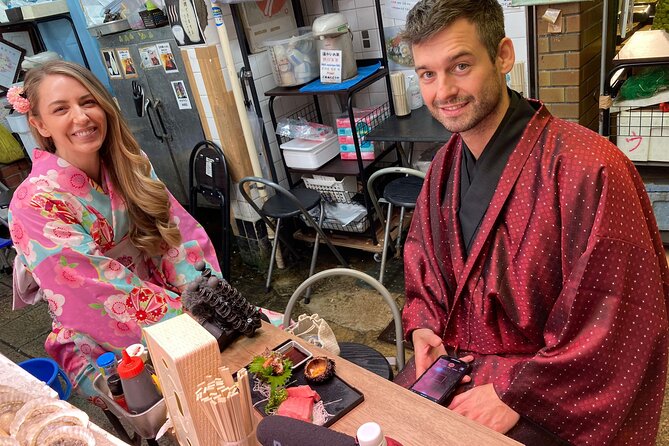
Kyoto tastes better with a guide. I like the 5-8 tasting bites planned through Daimaru and Nishiki, and I also love the small-group max of 6, so you can ask questions. The trade-off is the route follows a set timetable, so if you want lots of free wandering, you may feel a bit rushed.
You start at Starbucks Kyoto Sanjo Karasuma Building at 10:00 am, walk past Rokkakudo Temple and the depachika under Daimaru, then finish at Nishiki Tenmangu Shrine. The guides, including Andrea, Aoki, and Yoriko, have a track record of being friendly and knowledgeable, which matters when you are trying to order, taste, and make sense of Kyoto fast.
Key highlights
- Daimaru depachika tastings: you get a focused sampling of Kyoto classics in the department store food basements
- Nishiki Market kitchen walk: tastings are paired with practical guidance on what to try next
- Temple to shrine flow: Rokkakudo Temple before the biggest food stops, Nishiki Tenmangu at the end
- Sake tasting included: some tastings include sake from a small shop at Nishiki
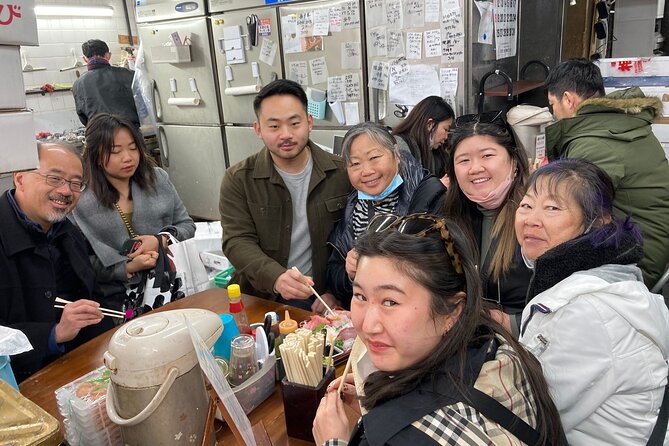
- Small group size: up to 6 people, so the guide can adjust and check in
- Tasting variety, not one big meal: 5-8 local foods, designed to keep you tasting and walking
From Starbucks Kyoto Sanjo Karasuma to Rokkakudo Temple
This is a classic Kyoto setup for food lovers: you meet in a place that is easy to find, you get oriented fast, then you start moving toward the areas where locals actually snack and buy. The official start is at Starbucks Coffee, Kyoto Sanjo Karasuma Building (KDX Kyoto Karasuma Building 1F). That matters because the meeting point is specific, and it anchors you in central Kyoto right where the walking makes sense.
The walk then heads toward Rokkakudo Temple, a peaceful historical stop before the food gets heavy. Think of it as your stomach’s warm-up and your brain’s reset. You are not just bouncing from shop to shop. You get a breather, plus some historical atmosphere so the market tasting later feels grounded in place.
If you like to know where you are going before you get there, this tour format helps. You also get a mobile ticket, so you are not dealing with paper vouchers while you are juggling drinks and snack bags.
You can also read our reviews of more walking tours in Kyoto
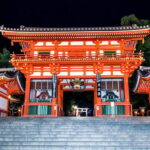
Rokkakudo Temple: a calm break before the depachika takeover
Rokkakudo Temple is listed as a highlight for a reason: it changes the rhythm. Right before you hit the busiest food zones, you get a quiet stop that cools down the senses. That is a smart design choice for a walking food tour. Markets can get loud, crowded, and fast, and a short temple visit makes it easier to enjoy what comes next instead of just surviving the crush.
You will not be getting stuck here for long. The tour overall is about 3 hours, so every stop has to earn its spot. This one earns it by balancing the day. You will leave feeling like you saw more than just shopping streets.
Daimaru depachika at the heart of Kyoto comfort food
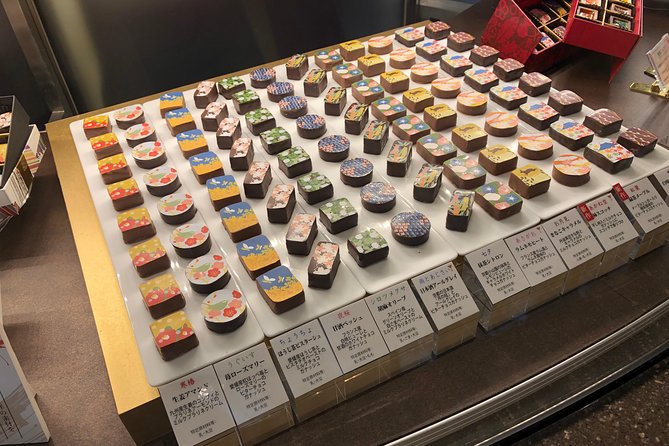
Next up is the big calorie target: Daimaru Kyoto’s department store basement, also known as depachika. This is where Kyoto food culture shows off. The department store food floors are known for quality, variety, and presentation, and that is exactly what you want when your tour tastings are meant to teach you what to try.
The tour includes a lunch tasting of 5 to 8 local foods, and Daimaru is one of the main sampling stops. You can expect a mix of savory and sweet, with examples like:
- Meat buns (nikuman), a beloved local favorite
- Wagashi, Japanese sweets from an older wagashi shop
- Food that leans into fried items and other Kyoto snacks (the tour overview calls out tempura and fried foods at the food floors)
- Other small bites from recommended shops, with tasting examples including bread popular among Japanese locals at Yaoyaichi
What I like about this setup is that you do not have to guess your way through a complex food basement. When you are standing in front of rows of choices, it is easy to pick something that looks good but does not represent Kyoto. A guide helps you taste like a local shopper, not like a hungry tourist with shaky decision-making.
One practical thing: the tastings can vary depending on availability and participants’ preferences. So if you are hoping for a very specific item, keep expectations flexible and focus on the variety you will get instead.
Nishiki Market, Kyoto kitchen walk: skewers, rolled omelets, and sake
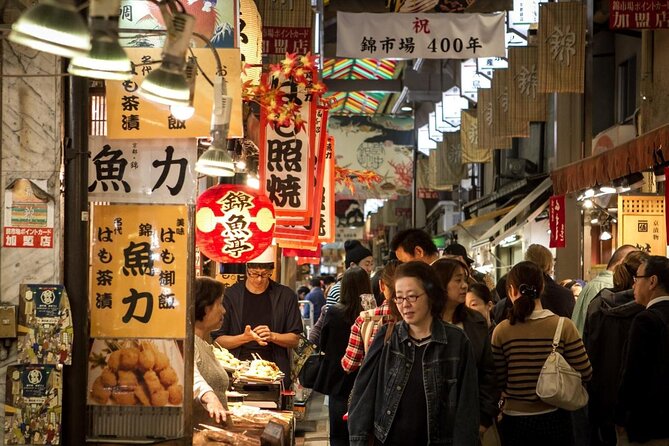
After the depachika sampling, you head into Nishiki Market, the famous street market people compare to Kyoto’s kitchen. The idea here is simple: you are walking through dense food territory, and the guide helps you choose what to eat without slowing your whole group down.
The tour experience at Nishiki is built around tasting. The overview mentions classic market flavors like rolled omelets and skewers, plus sake. A lot of the fun of Nishiki is that the food is meant for snacking on the move, so you get to practice being a market eater, not just a sit-and-stare restaurant eater.
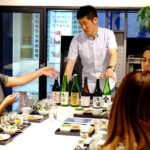
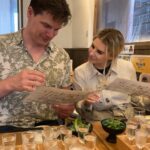
One standout mentioned in the guide feedback is a sake tasting at a small shop. That is the kind of detail that turns a normal food walk into something you remember, because sake fits Kyoto so well and is often harder to order confidently on your own.
Nishiki is also where you learn how to shop in a street market. Even when you are full from tastings, the guide can point out places worth revisiting. The tour format encourages you to go beyond the included bites and keep exploring after the official stops, which is a huge value boost for a short 3 hour experience.
There is one watch-out, though. One of the less positive experiences shared a feeling of being on a timetable, with guidance that did not explain how to enjoy the tasting flow. If you are the type who wants the guide to slow down at every counter and linger longer, you might feel the structure more than you want. For most people, the structure is a feature, not a bug. Just know what you are signing up for.
Finishing at Nishiki Tenmangu Shrine: digest, reflect, and reset
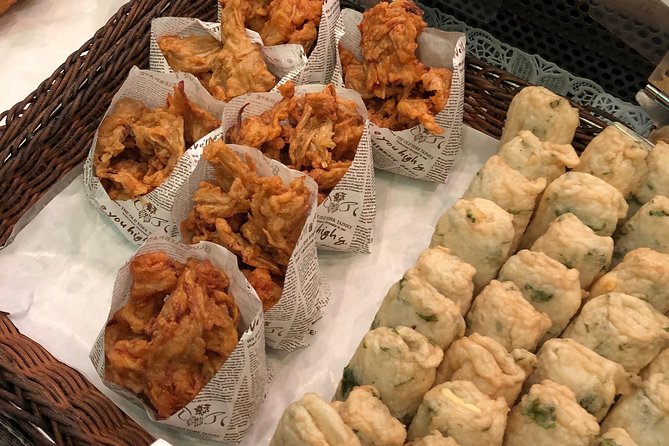
The tour ends at Nishiki Tenmangu Shrine. This is a gentle way to close a food-focused morning. By the time you reach the shrine, your focus shifts from grabbing food to noticing the calmer side of Kyoto.
Ending at a shrine also helps the day feel complete. Markets are great, but they can feel like one continuous feed. A serene finish turns your snacks into a story. You get a moment to slow down, take a breath, and think about what you liked most.
It is also easier to finish strong for photos. A shrine setting gives you a change in scenery without adding travel time, which keeps the whole day efficient.
You can also read our reviews of more food & drink experiences in Kyoto

Price and value: why $79.07 can work, if you eat what’s included
At $79.07 per person for about 3 hours, the headline question is value. Here is how I think about it in plain terms.
You are paying for:
- A guided route that connects three different food settings, depachika and Nishiki in particular
- 5 to 8 included tastings, which is not just a single sample plate
- Local shop recommendations that you might otherwise miss if you walk on your own
- The benefit of small group size, max 6 travelers, which usually means fewer bottlenecks and more attention
If you are the kind of foodie who enjoys sampling rather than committing to one full meal, this price starts to make sense quickly. The included tastings add up, especially when one of them can include sake and when multiple stops offer both savory and sweet.
If you are expecting the tour to cover extra snacks beyond what is included, that is not the structure here. The tour notes that snacks and extra food options apart from the provided meals are not included, and tips for excellent service are welcome. So budget a little for personal choices outside the tasting plan.
Also note the tour does not include an audio guide. You are relying on your live guide for context, which is a good thing when the guide is strong, and less good when you need very detailed pacing and explanations.
Guide style makes the difference, and these names show up
This is where the reviews line up with what matters in a food tour: the guide’s personality and practical knowledge.
Andrea stands out in feedback as funny and flexible, with cultural and area knowledge. That matters because food in Kyoto is tied to neighborhoods and habits, not just ingredients. If your guide explains what you are tasting and how it connects to the local scene, you feel like you are learning, not just eating.
Aoki is described as attentive, personable, knowledgeable, and sweet, with a strong Nishiki Market focus. Yoriko is described as fabulous, with many samples from different businesses and a sake tasting. That pattern is important: the guides are not only directing you. They are helping you taste well across multiple vendors and understand the variety.
So here is my practical advice before you go. At the start, ask your guide what the tasting theme is today. Are you leaning savory, sweets, or a mix? If your guide is good, they will build the route around what you want while still keeping you on the time plan.
Timing, group size, and what to wear for a smooth walk
This is a walking food tour, so comfort matters more than you think. The experience runs about 3 hours and is designed around multiple stops in central Kyoto.
With a maximum of 6 travelers, you should expect less waiting around and a more human pace than larger group tours. Still, it is a schedule, so plan your expectations around structured tasting rather than unlimited roaming.
It is also weather dependent. The tour says it requires good weather, and if weather cancels the experience, you are offered a different date or a full refund. In Kyoto, that is sensible. Food tours on rainy days can turn into slippery, stressed walking. If weather looks uncertain, I would plan to bring a backup mindset.
Finally, you meet near public transportation, which makes it easier to start on time and less stressful if you need to switch train lines that morning.
Food allergies and ingredient reality in Kyoto tastings
The tour provider is clear about one thing: the meals provided may include ingredients such as meat, seafood, wheat, and dairy. That means you should not treat this as a vegetarian or allergy-free tour.
If you have dietary restrictions or allergies, you should contact the tour provider in advance to discuss available options and accommodations. Do this before you book, not after. It is the fastest way to avoid a bad day where you are forced to skip tastings while everyone else eats.
Also remember the tastings may vary based on preferences and shop availability. That variation can be helpful, because it means substitutions may be possible. But you still need to communicate clearly what you cannot eat.
If you are just a picky eater, not medically restricted, the guide should be able to steer you toward tastings that fit your comfort level while still keeping the tasting count moving.
Who this Nishiki Market walking food tour suits best
This tour is a great fit if you:
- Want Kyoto street food and depachika in one morning without planning each stop
- Like sampling many small items, instead of ordering one big meal
- Prefer a local guide so you do not miss recommended shops
- Are okay with a structured 3 hour route and included tastings
It is less ideal if you:
- Want long, slow wandering with lots of unscheduled time
- Need a very specific diet and cannot confirm options in advance
- Expect an audio guide or extra snack credit, since audio guide is not included and snacks beyond tastings are not part of the package
Should you book this Nishiki Market tour with a local guide?
I would book it if your top goal is tasty, efficient sampling with a guide who knows how to manage the flow. The combination of Daimaru depachika, Nishiki Market, and a temple and shrine finish is a smart way to get Kyoto food culture in a short window.
I would skip it, or at least message the provider first, if your needs are complex. With allergies and ingredient concerns, you want confirmation of what can be substituted. And if you hate timetables, pick a more open-ended food plan instead.
One more practical tip: because the tastings are the core value, arrive hungry but not frantic. If you show up starving, every stop can feel like pressure. If you arrive comfortably hungry, you will enjoy the tasting variety without feeling like you are sprinting for the next bite.
FAQ
Where do I meet for the Nishiki Market walking food tour?
You start at Starbucks Coffee, Kyoto Sanjo Karasuma Building (KDX Kyoto Karasuma Building 1F), Japan, 604-8166 Kyoto, Nakagyo Ward, Mikurachō, 85-1 KDX京都烏丸ビル 1F.
What time does the tour start, and how long is it?
The start time is 10:00 am, and the duration is about 3 hours.
What is included in the tour?
The tour includes a lunch tasting of 5 to 8 local foods. The examples of tastings can vary by availability and participant preferences.
How many people are in each group?
This experience has a maximum of 6 travelers.
Are dietary restrictions accommodated?
The tour provider notes that the meals provided may include ingredients such as meat, seafood, wheat, and dairy products. If you have dietary restrictions or allergies, you should contact the tour provider in advance to discuss available options.
Is an audio guide included?
No. An audio guide is listed as not included. Tips are welcome for excellent service to the guide.
More Walking Tours in Kyoto
More Tours in Kyoto
More Tour Reviews in Kyoto
Not for you? Here's more nearby things to do in Kyoto we have reviewed
Nishiki Market Food Tours, compared.
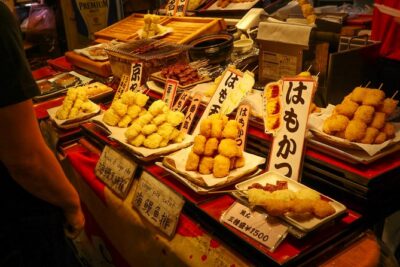 ★ 5.0Nishiki Market Brunch Walking Tour (7 Tastings + Brunch)From $681,355 reviews
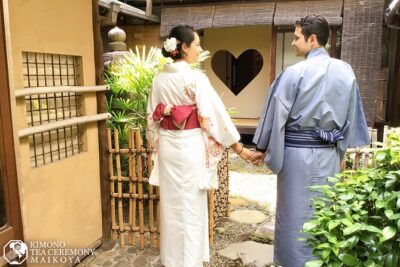 ★ 5.0Kimono Tea Ceremony at Kyoto Maikoya, NISHIKIFrom $65911 reviews
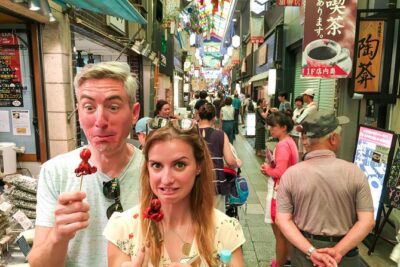 ★ 5.0Kyoto Nishiki Market Food and Culture Walking TourFrom $80412 reviews
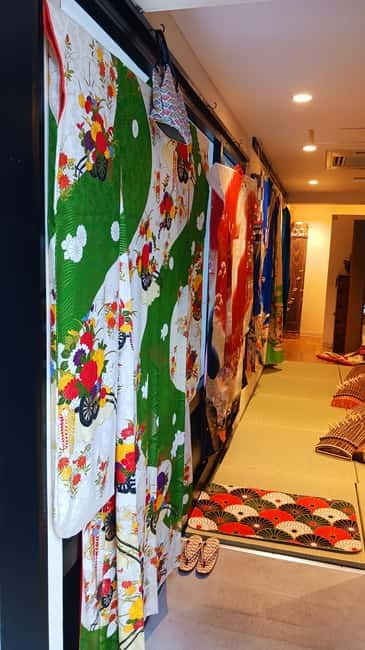 ★ 4.8Nishiki Market Tea Ceremony with Koto PerformanceFrom $56294 reviews
 ★ 4.8Nishiki Market Brunch Walking Tour-7 Tastings+BrunchFrom $66197 reviews
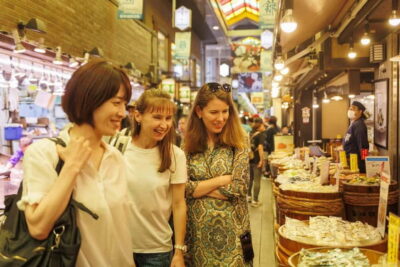 ★ 4.7Local Food Tasting Tour at the Nishiki MarketFrom $78135 reviews
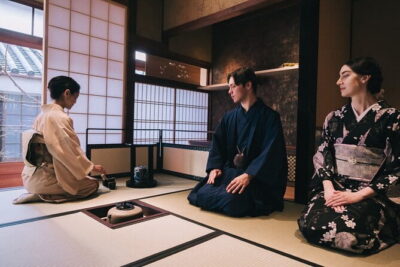 ★ 5.0Kimono Tea Ceremony Experience at Kyoto Oritzuruya, NishikiFrom $50116 reviews
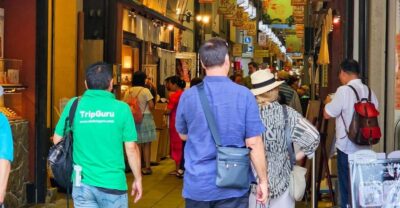 ★ 4.7Nishiki Market and Depachika Food Tour with a LocalFrom $4276 reviews
Browse the lists this tour appears in