
Reviewed · NISHIKI MARKET FOOD TOURS
Nishiki Market Food Tour with Cooking Class
One hour in Nishiki Market can feel like ten. This private tour pairs a guided food walk with a hands-on donburi cooking class you control. You start at the western entrance, get tastings along the way, then cook what you picked.
I especially like that you cook your own donburi using market ingredients (not a demo you watch). I also like the guide support, with translations and etiquette tips that help you navigate stalls without guessing.
A possible drawback to plan for is that the included time is tight, so you may still want to eat or shop on your own outside the tour if you find extra must-try snacks.
Key highlights that matter
- Private pacing in a crowded market so you can ask questions without being rushed
- Choose your bowl: Kaisen-don (seafood), Ten-don (tempura), or Oyako-don (chicken and egg)
- Cook with ingredients you buy during the walk, with costs covered
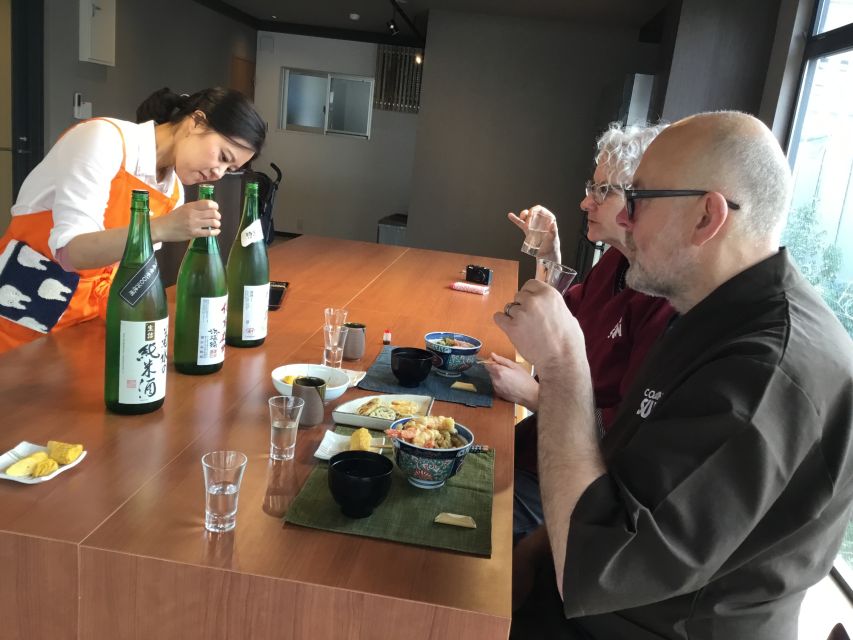
- Pickles are included, plus an optional sake tasting of 3 types
- Taxi to the studio is included, which saves time and walking
Nishiki Market, from chaos to a clear plan
Nishiki Market is famous for a reason, but it can also be a squeeze. This tour is built for that reality. You meet at the western side entrance, get a quick orientation, and then you’re off with a guide who helps you focus on what matters instead of getting swept along.
The timing is the secret sauce. The experience runs 150 minutes, and it’s typically split into about 1 hour in Nishiki Market and about 1 hour cooking and eating at the studio. That structure matters because Nishiki is the kind of place where unstructured time can turn into wandering and decision fatigue.
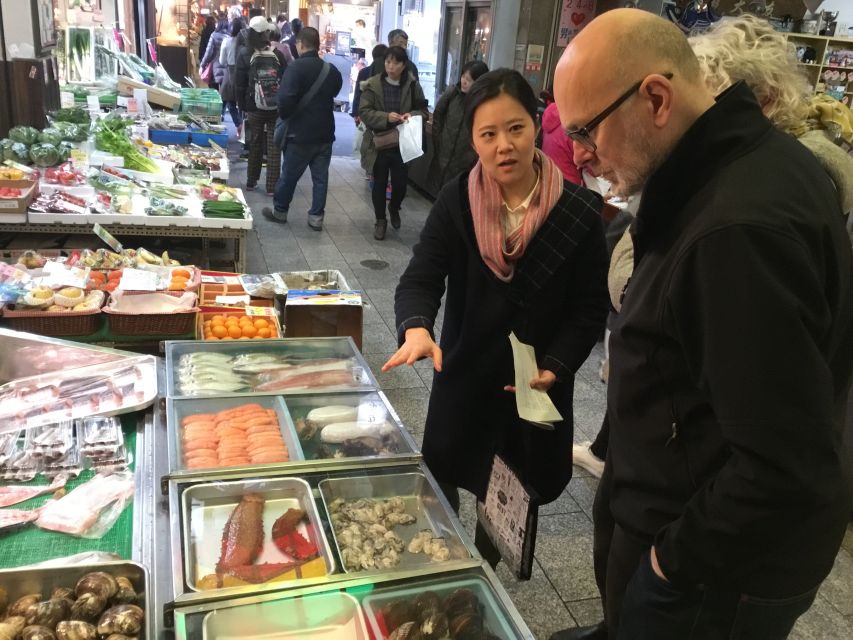
Because it’s private, your pace stays yours. You can ask about ingredients you don’t recognize, and your guide can also help translate questions to shop staff when needed. That changes everything if you want more than a photo stop.
You can also read our reviews of more food & drink experiences in Kyoto

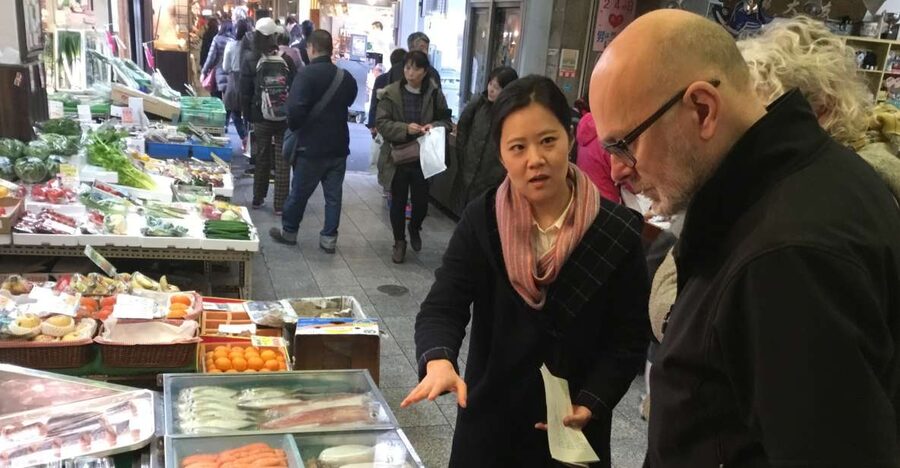
The market walk: original stalls, smart focus, and etiquette that saves you
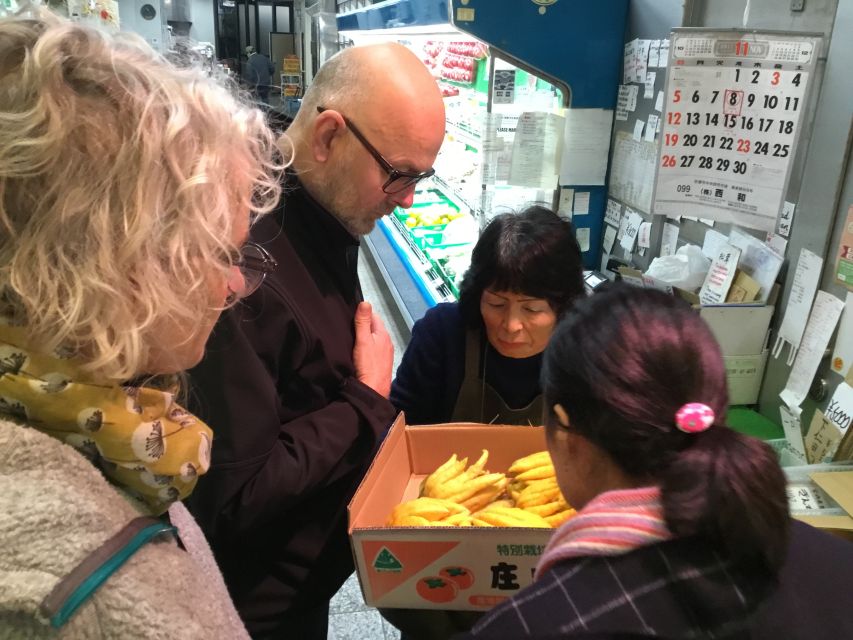
You’ll start by walking through Nishiki Market with a fluent English local Japanese guide. The goal isn’t just to point and move on. It’s to help you understand what you’re seeing, which stalls are worth noting, and what foods are actually typical here.
One detail I really value: the guide helps you connect what you taste now with what you’ll cook later. You’re not just consuming bites for fun. You’re learning how ingredients work together, so the cooking class doesn’t feel random.
You’ll also get practical rules for how to behave in the market. For example, you may learn that you generally cannot eat and walk casually, and you’ll be guided on appropriate etiquette. In a place full of rules you do not speak, those small lessons prevent awkward moments.
From the way past participants describe the experience, the guide also calls out which shops can be more touristy and which offerings are more tied to Kyoto tradition. Even if you love shopping, the market is so dense that having a focus plan helps you decide where to spend your energy during the tour.
Tastings that actually teach your palate
This tour includes sample food tastings and free Japanese pickles tastings. Those might sound small, but they’re useful. Pickles are one of the fastest ways to understand how Japanese meals balance salt, sourness, and crisp texture.
There’s also an optional sake tasting: 3 different types of sake. You don’t have to do it, but if you’re curious, it can help you notice how flavors shift from light and clean to more rounded or richer styles. Think of it as a guided flavor check before you sit down for your donburi.
The tastings plus the market explanations work together. You’ll get clues about sauces, condiments, and how certain items are used. That’s the kind of information you don’t always get when you just order food and move on.
Choose your donburi and cook with ingredients the tour includes
After the market, you’ll head to the cooking studio. A key convenience here is that the taxi cost from the market to the studio is included, so you’re not trying to estimate transit while hungry.
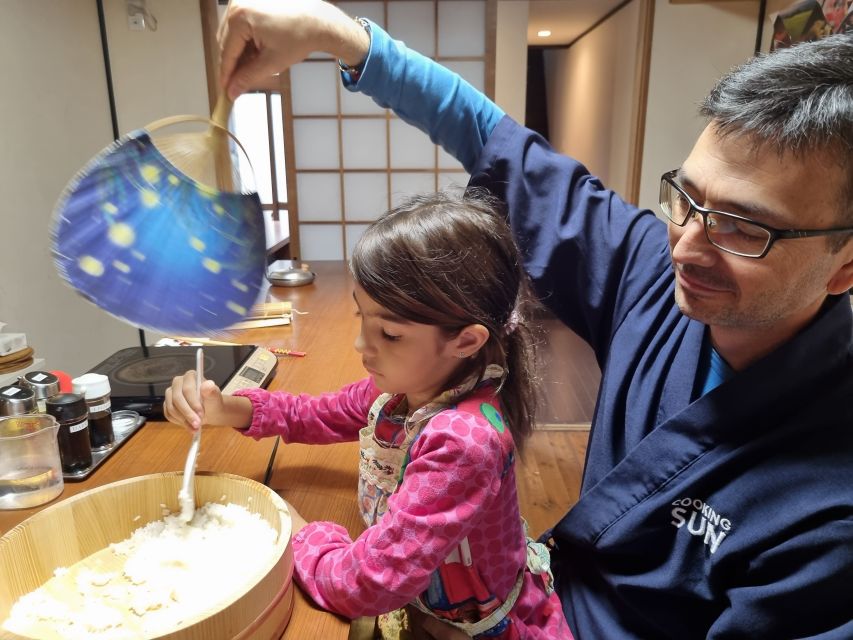
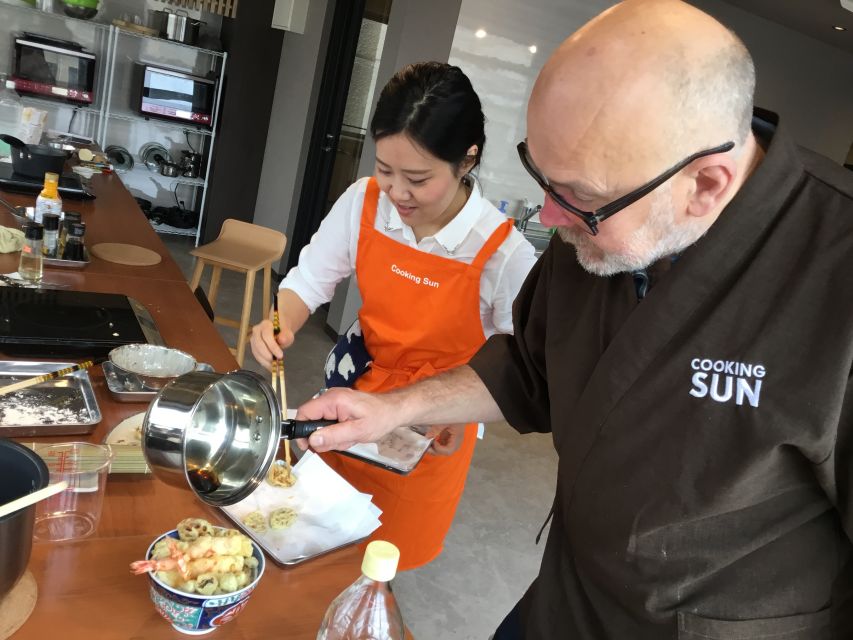
In the studio, the big moment is that you cook your own donburi bowl. This is not a watch-and-eat class. You choose among three options:
- Kaisen-don (seafood bowl)
- Ten-don (tempura bowl)
- Oyako-don (chicken and egg bowl)
Each option is built for a slightly different cooking feel. Seafood and tempura tend to stress freshness and timing, while oyako-don emphasizes simmering and getting the egg texture right. The practical payoff is that you learn a method, not just a recipe.
Ingredients are included in the tour. That matters because it removes the most common cost trap with food tours: you end up paying for the “real” part on the side. Here, your bowl ingredients are part of the experience, and you use ingredients you bought during the market portion.
You’ll also receive a recipe. That’s important because donburi is the type of food you want to remake at home. A recipe helps you repeat the flavor, not just remember the meal.
Cooking class style: private, hands-on, and built for questions
This cooking session is designed for small-group learning. It’s private, and the class format keeps you close to the action. From feedback, the instruction tends to be step-by-step, with tips on not only getting food to taste right, but also getting it to look good.
Some participants highlight that you’ll learn things like making dashi and understanding how sauces work, including how to use them and even how to recognize certain brands. If you enjoy cooking, that extra detail is a big plus because it connects restaurant flavors to pantry reality.
You can also expect the teaching to accommodate preferences. For example, one participant requested tofu instead of chicken for their oyako-don. That kind of flexibility is a practical benefit if you have dietary preferences, though you should still communicate clearly before the class begins.
Past participants have mentioned that guides and instructors have been friendly and engaging, with English that works well. Names that have come up in past sessions include Chie, Chei, Momo, Mio, and Mae. If you care about who you learn from, that variety is a sign that the program invests in different instructors while keeping the experience consistent.
More Kyoto temple visits, food tours, tea experiences, and day trips to compare

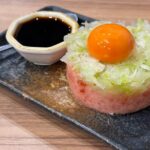
What you’ll learn that transfers to meals at home
Here’s where this tour earns its keep. Donburi is one of those dishes that sounds simple until you try to replicate it. This class gives you the structure: ingredient choices, sauce logic, and timing.
You’ll likely leave with confidence around basics like:
- how dashi is used in Japanese cooking
- what makes a bowl work beyond rice and topping
- how to assemble and season so flavors stay balanced
You’ll also get guidance on cooking technique and presentation. One participant specifically called out tips on how to make food come out pretty, plus explanations of sauces. That might not sound like travel value, but it is. You’re learning habits you can reuse, so the next time you cook, you’re not guessing.
And because you cook a real bowl with real ingredients, you’re not stuck with vague memories. You can recreate the meal without needing a Japanese supermarket tour every time.
Price and value: what $109 buys you here
At $109 per person for 150 minutes, this tour is not a budget snack stop. But it is also not an overpriced “just walk and watch” experience.
Here’s the value math that matters:
- You get a private fluent English guide through Nishiki Market
- You cook a donburi meal using included ingredients cost
- You receive recipe information for later
- You get included tastings, including pickles and optional sake
- Taxi to the studio is covered
When you compare that to typical costs of guided market time plus a separate cooking class, this package-style setup can feel fair. The biggest reason is the included ingredient cost. It turns the cooking portion from an extra expense into a core part of the experience.
If you’re the type who wants to taste a lot and also shop on top, be aware that foods you might want to eat on your own are not included. The tour focuses its budget on your cooking ingredients and scheduled tastings.
Logistics that affect your comfort: time, crowding, and options
Nishiki Market is crowded, so your comfort depends on how structured your time is. This tour gives structure. It also gives you translation help, which reduces the friction of navigating stalls quickly.
The private format is also a practical advantage if you’re traveling with kids or you simply move slower than average. One participant even mentioned the class kept children engaged, which suggests the instruction is paced for different attention spans.
A small consideration: the market portion includes tastings, but it’s not meant to be a long free-for-all shopping session. If you come in hoping to buy extra items beyond what you cook, plan to leave time either before or after the tour. The tour is tightly timed, and you will likely hit a point where you have to choose between buying more snacks and finishing your bowl.
Also, one participant flagged that a couple of ingredients could have been better. That’s not something you can control as a visitor, but it’s useful context. Quality may vary based on what’s available during your date and the specific seafood or items included.
Who should book this donburi cooking tour
This is a great fit if you want three things at once:
- you want help navigating Nishiki Market so you pick smarter
- you want to cook and eat your own meal, not just taste
- you like practical cooking info you can use later
It’s especially good for food lovers who like learning how things are made, not just what to order. If you enjoy market walks but hate guessing, the guided structure is a relief.
It may be less ideal if you mainly want a leisurely stroll and lots of unplanned free eating. The time is organized around cooking, so your freedom is more guided than wandering.
If you’re traveling as a family, or you want an experience where questions are welcome, the private format and step-by-step teaching style make it a strong option.
Should you book? My practical take
Book this tour if you want a guided market with context, then a hands-on cooking class where you cook a bowl from ingredients you chose. The included ingredient cost and the recipe make the value feel more real than a pure tasting tour.
Consider skipping or adjusting expectations if you want maximum time to browse and snack outside the scheduled tastings. This experience is designed to move from market to studio efficiently, so you’ll get the best results if you treat extra shopping as an add-on.
If you’re already planning to spend time in Kyoto and you want one day activity that teaches you how Japanese food comes together, this donburi class is a strong pick. Just go in ready to cook, ask questions, and focus on the bowl you’ll make, not trying to do everything at once.
FAQ
Where is the meeting point?
You meet on the western side entrance of Nishiki Market.
How long is the tour?
The total duration is 150 minutes.
Is this a private tour?
Yes, it’s a private group experience.
What can I cook during the class?
You can choose one of three donburi options: Kaisen-don (seafood), Ten-don (tempura), or Oyako-don (chicken and egg).
Are sake tastings included?
Sake tastings are optional. The tour includes the chance to taste 3 different types of sake.
What is included with the donburi meal?
Included items cover the cooking ingredients for your donburi, plus a recipe and tastings during the tour.
How do you get from the market to the cooking studio?
The taxi cost from the market to the studio is included.
More Food & Drink Experiences in Kyoto
More Tours in Kyoto
More Tour Reviews in Kyoto
Not for you? Here's more nearby things to do in Kyoto we have reviewed
Nishiki Market Food Tours, compared.
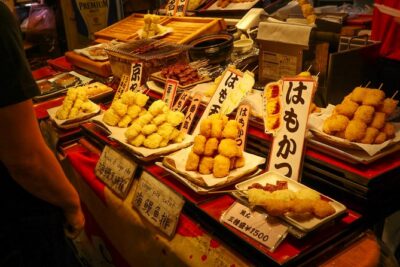 ★ 5.0Nishiki Market Brunch Walking Tour (7 Tastings + Brunch)From $681,355 reviews
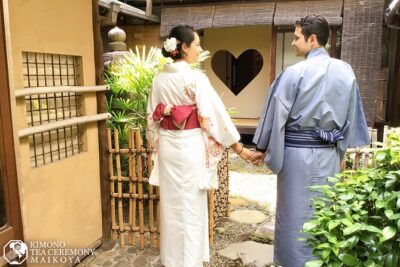 ★ 5.0Kimono Tea Ceremony at Kyoto Maikoya, NISHIKIFrom $65911 reviews
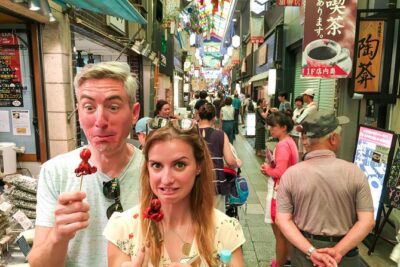 ★ 5.0Kyoto Nishiki Market Food and Culture Walking TourFrom $80412 reviews
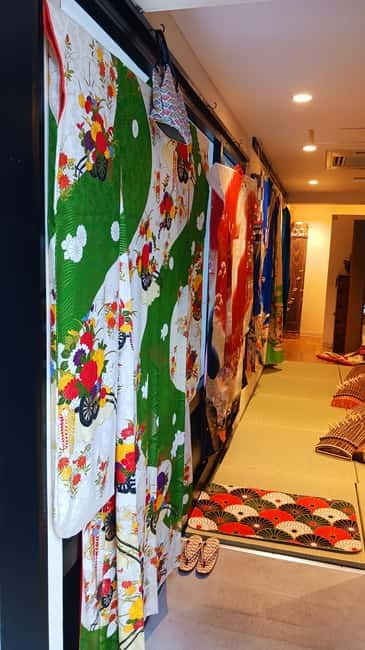 ★ 4.8Nishiki Market Tea Ceremony with Koto PerformanceFrom $56294 reviews
 ★ 4.8Nishiki Market Brunch Walking Tour-7 Tastings+BrunchFrom $66197 reviews
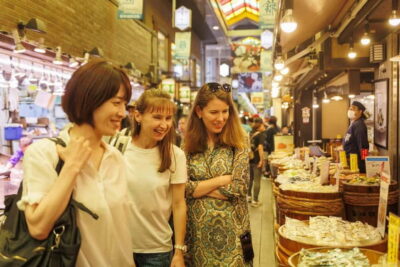 ★ 4.7Local Food Tasting Tour at the Nishiki MarketFrom $78135 reviews
 ★ 5.0Kimono Tea Ceremony Experience at Kyoto Oritzuruya, NishikiFrom $50116 reviews
 ★ 4.7Nishiki Market and Depachika Food Tour with a LocalFrom $4276 reviews
Browse the lists this tour appears in